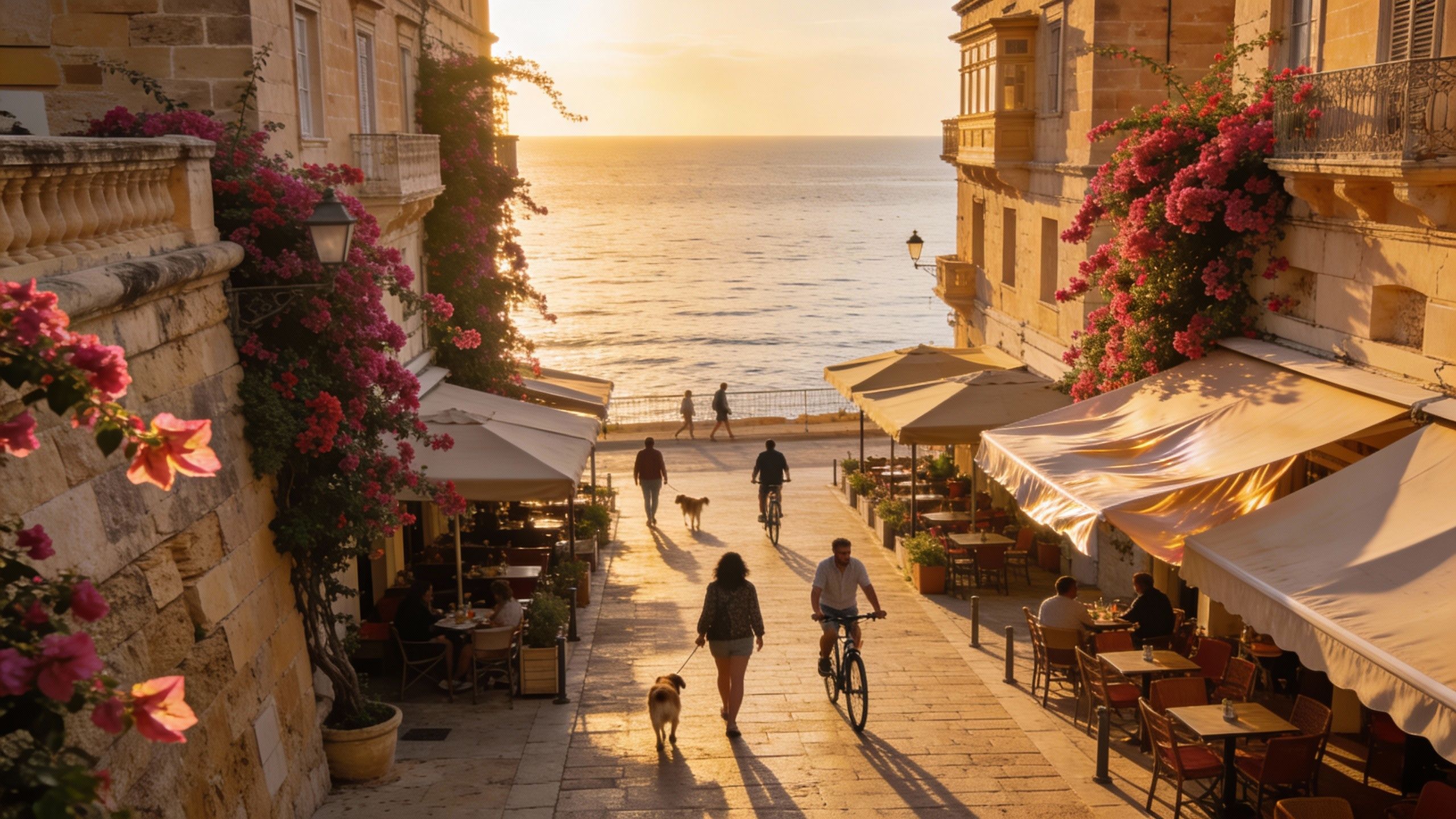
Malta: Sun, Stone and the Green Infrastructure Tradeoffs
Malta’s compact, sunlit lifestyle pairs with an accelerating green transition; buyers should prioritise rooftop PV, passive cooling and local expertise as prices rise.
 Moss & Hearth
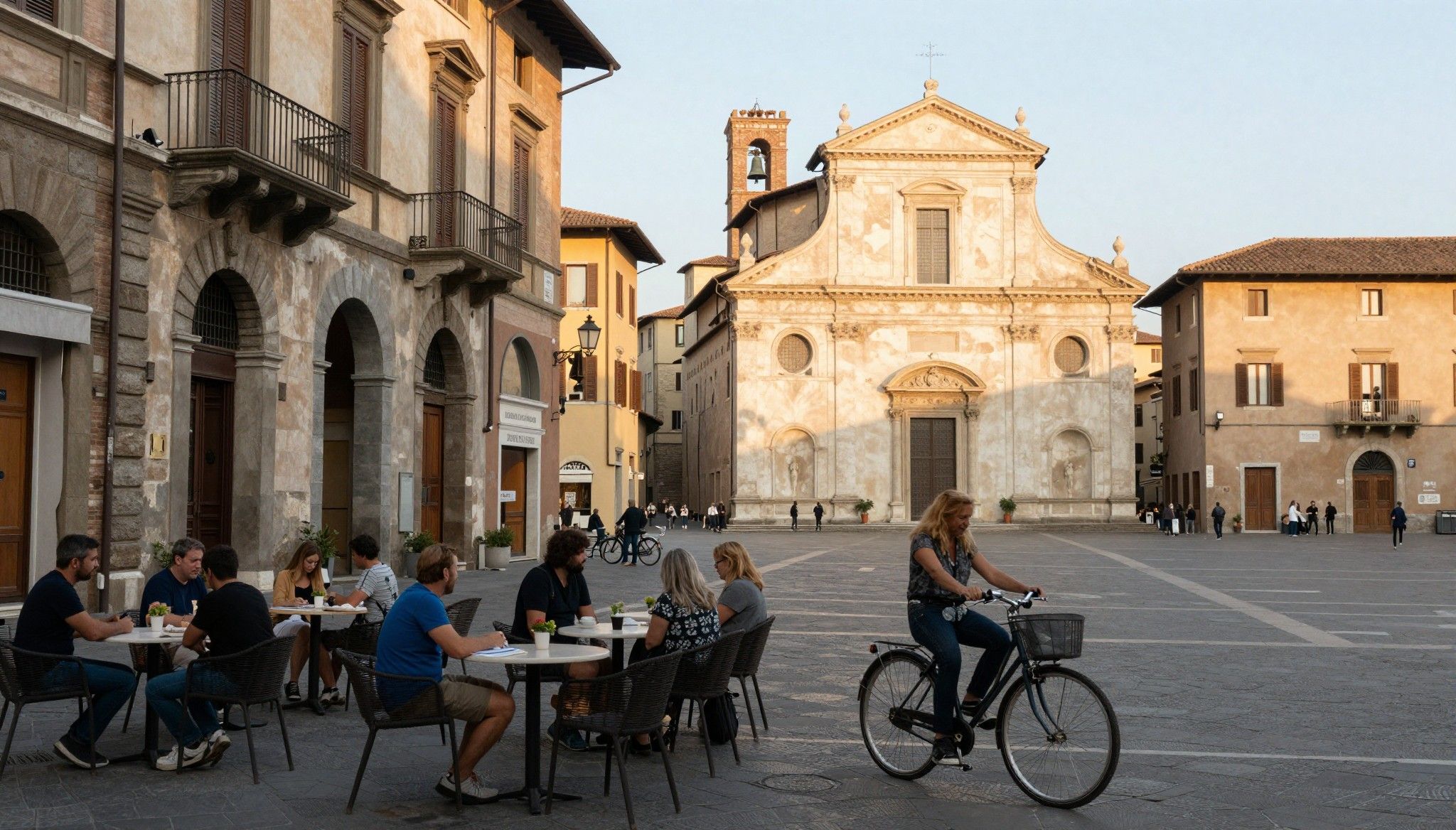
Imagine waking to the smell of espresso and salt air on a terrace carved from honey‑coloured limestone, then cycling past bougainvillea to a small solar‑shaded piazza where neighbours trade olives and gossip. That soft, lived‑in rhythm is Malta — compact, sunlit, fiercely local — and it's precisely why buyers who care about green infrastructure are falling in love with this island nation.
Living the Malta lifestyle: small island, big senses
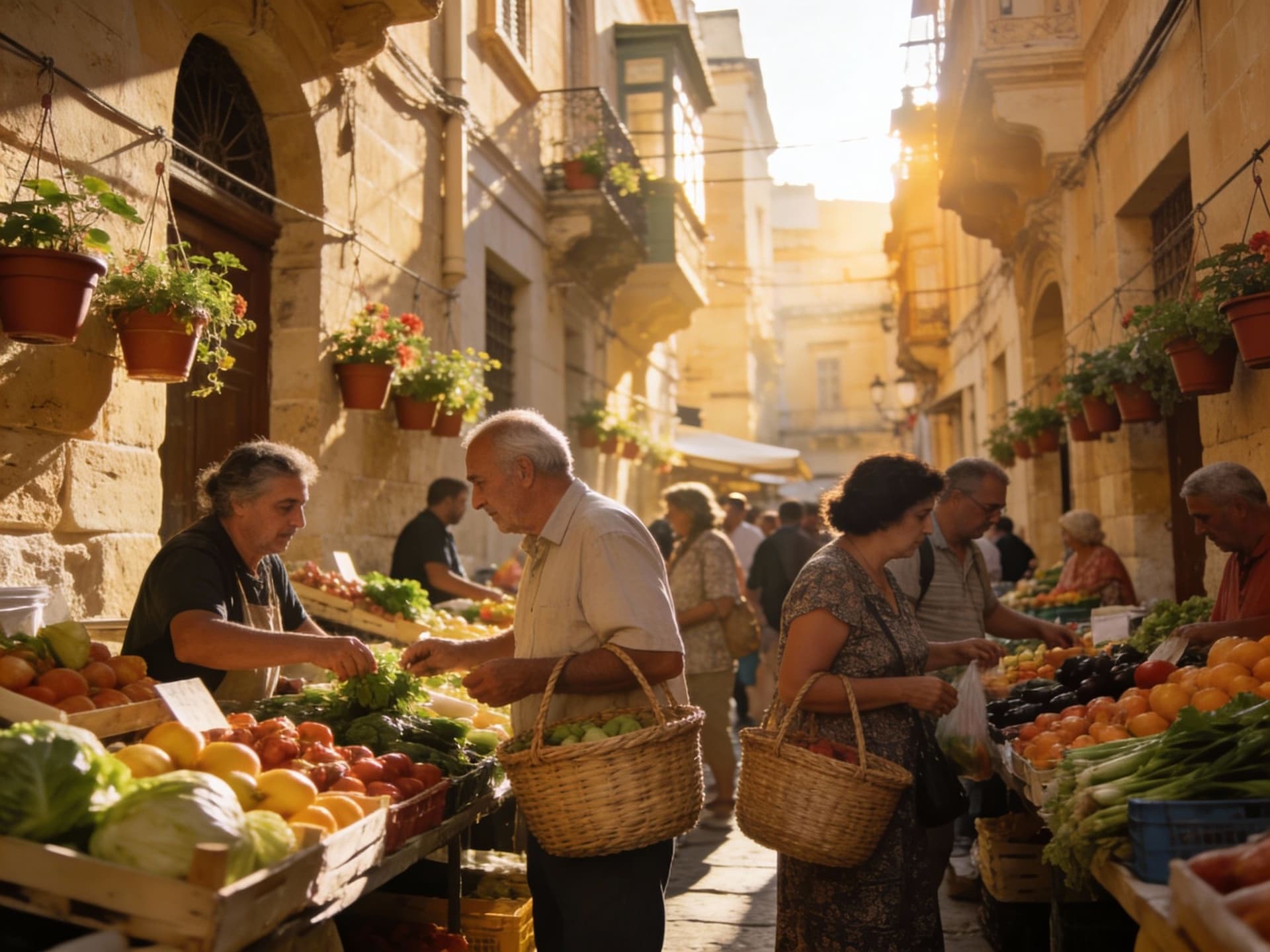
Life here is tactile: limestone walls warm under your palm, fishermen return with amber‑glinting catch at Marsaxlokk, and evenings gather slowly around family‑run kitchens. Valletta hums with history and quiet cafes on Old Bakery Street, Sliema offers coastal promenades and modern terraces, while Gozo feels like a slow‑motion village where evenings stretch out beneath a generous sky.
Neighborhood spotlight — Valletta, Sliema, and the coastal towns
Valletta is a living museum: narrow streets, balconies draped in plants, and a walkable scale that invites daily exploration. In contrast, Sliema and St Julian’s offer beaches, modern apartments, and a stronger cafe and coworking culture. For quiet coastal living, look to Marsaskala or Mellieha — beaches, small bakeries and the sensation of time slowing down.
Food, markets and small rituals that define days
Weekends mean food markets (try the Valletta stalls or the fruit stands in Rabat), an aperitivo at a terrace in St Julian’s, or a fisherman’s lunch in Marsaxlokk. Olive oil, ħobż tal‑malti (local bread) and slow‑braised rabbit are everyday pleasures; seasonal produce shapes menus and gardens, and neighbours swap surplus figs and potted herbs without asking.
- Lifestyle highlights: Valletta cafés, Marsaxlokk market, Mellieħa Bay for weekend swims, Old Bakery Street for espresso, Ta' Qali craft village for weekend wandering, Ta' Ġnien tal‑Kmand bakery
Making the move: practical considerations that protect the lifestyle
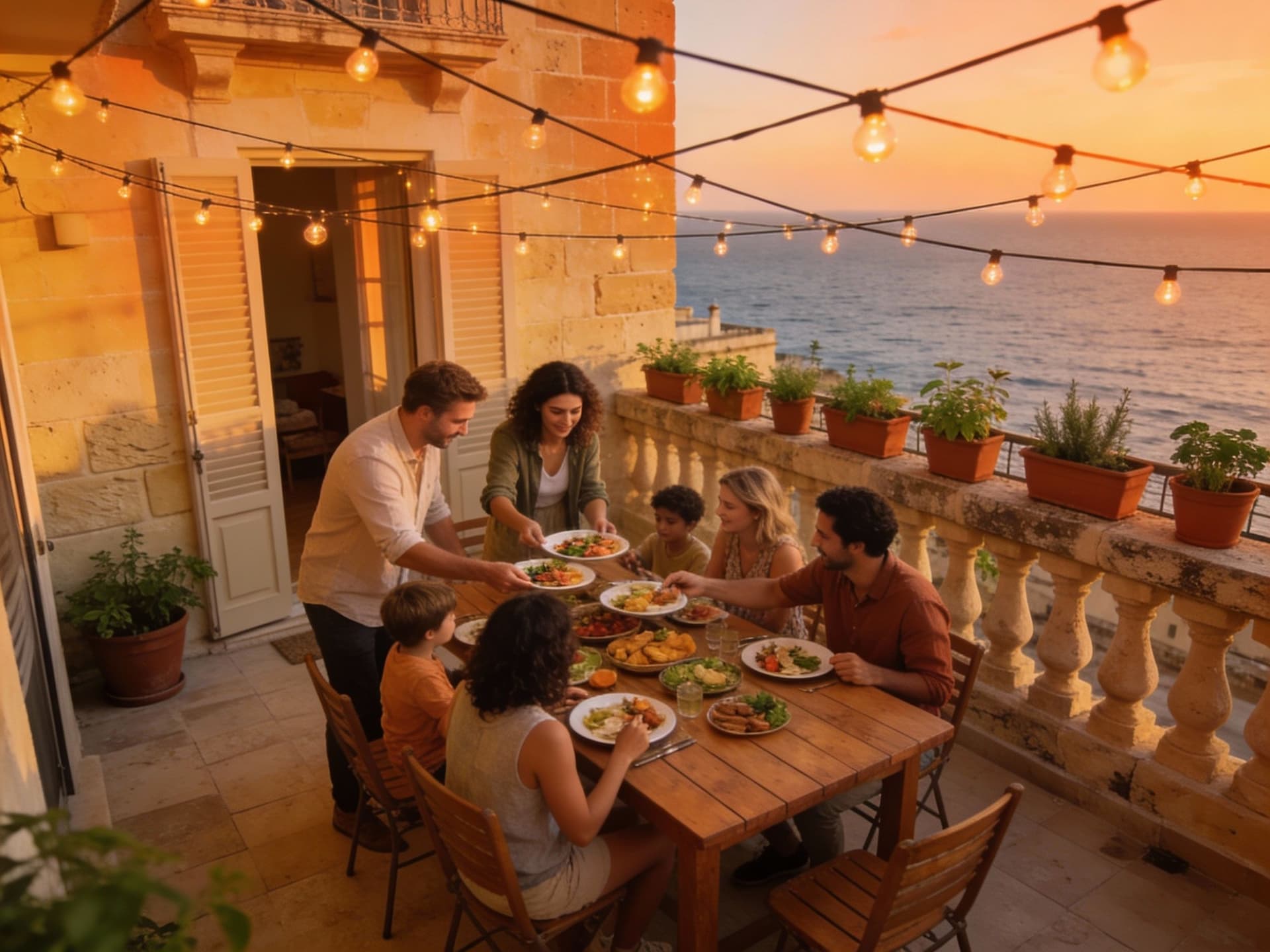
If the lifestyle draws you, the practical side matters: Malta’s housing stock is compact, prices have been rising, and new national energy rules are reshaping what good homes look like. The updated National Energy and Climate Plan pushes rooftop solar, building efficiency and transport electrification — all positive signs for buyers who want a low‑impact life. But those policies also change renovation expectations and neighbourhood character.
Property styles and how they support green living
Traditional townhouses with deep internal courtyards lend themselves to passive cooling and small urban gardens; modern apartments often arrive with terraces and space for PV panels. If you imagine an indoor‑outdoor life, prioritize properties with south‑facing terraces, good roof access for panels, and room for rainwater collection — modest investments that reward you every summer with lower bills and calmer interiors.
Working with local experts who understand place and policy
- 1. Ask agents about recent RPPI trends and neighbourhood turnover — Malta’s RPPI rose notably in 2024–25, so insist on recent comparable sales. 2. Seek an architect experienced in Maltese conservation rules: many older buildings require sympathetic renovations. 3. Confirm rooftop and PV permitting with the local planning authority before bidding. 4. Choose a property manager familiar with seasonal rentals and local waste/separation rules if you plan to let occasionally. 5. Prioritize homes with good ventilation and shading over overpriced sea views; comfort matters more than a postcard photograph.
Insider knowledge: what expats wish they'd known earlier
Real talk from people who made the leap: prices are rising (NSO data show steady year‑on‑year increases through 2024–25), and Malta’s push toward 25% renewables by 2030 is real — but so are local debates about development, permits and community impact. That means your dream home must balance scenery with stewardship: choose places where infrastructure (roads, water, waste sorting) and community plans support the life you want.
Cultural integration, language and everyday community
English is an official language, which eases early social life, but the best connections come from small gestures: learn a few Maltese phrases, attend a festa, buy from a neighbourhood baker, and accept that pace of life varies between island and town. Local councils and community groups shape public spaces — becoming involved can directly protect the character of your neighbourhood.
Long‑term lifestyle planning: how your life will change here
Expect a gradual shift: weekends become more local, utilities matter more than square metres, and seasonal rhythms — island festivals, summer tourism and winter stockpiling — shape everyday life. Over time you’ll trade constant travel for a deeper sense of place: a garden of potted herbs, neighbours who watch your home when you’re away, and a daily shoreline walk that anchors the week.
- Quick red flags and stewardship tips: confirm roof rights for PV; check waste and water infrastructure in smaller towns; ask about absentee ownership in luxury developments; clarify parking rules and EV charging options; look for properties with natural shading and stone thermal mass.
Conclusion: Malta asks for curiosity and care. The island rewards quiet stewardship — living lightly, renovating kindly, and choosing neighbors over mere views. If you’re drawn to sunlit streets, community markets and a renewable future, work with local agents who know the NECP and RPPI trends, prioritise homes ready for solar and passive comfort, and arrive with patience. Do that, and Malta will not only be a place to own — it will be a place to belong.
Moss & HearthNorwegian market analyst who relocated from Oslo to Provence; guides investors with rigorous portfolio strategy and regional ecological value.
Related Articles
More insights that might interest you
 Villa Curated
 Villa Curated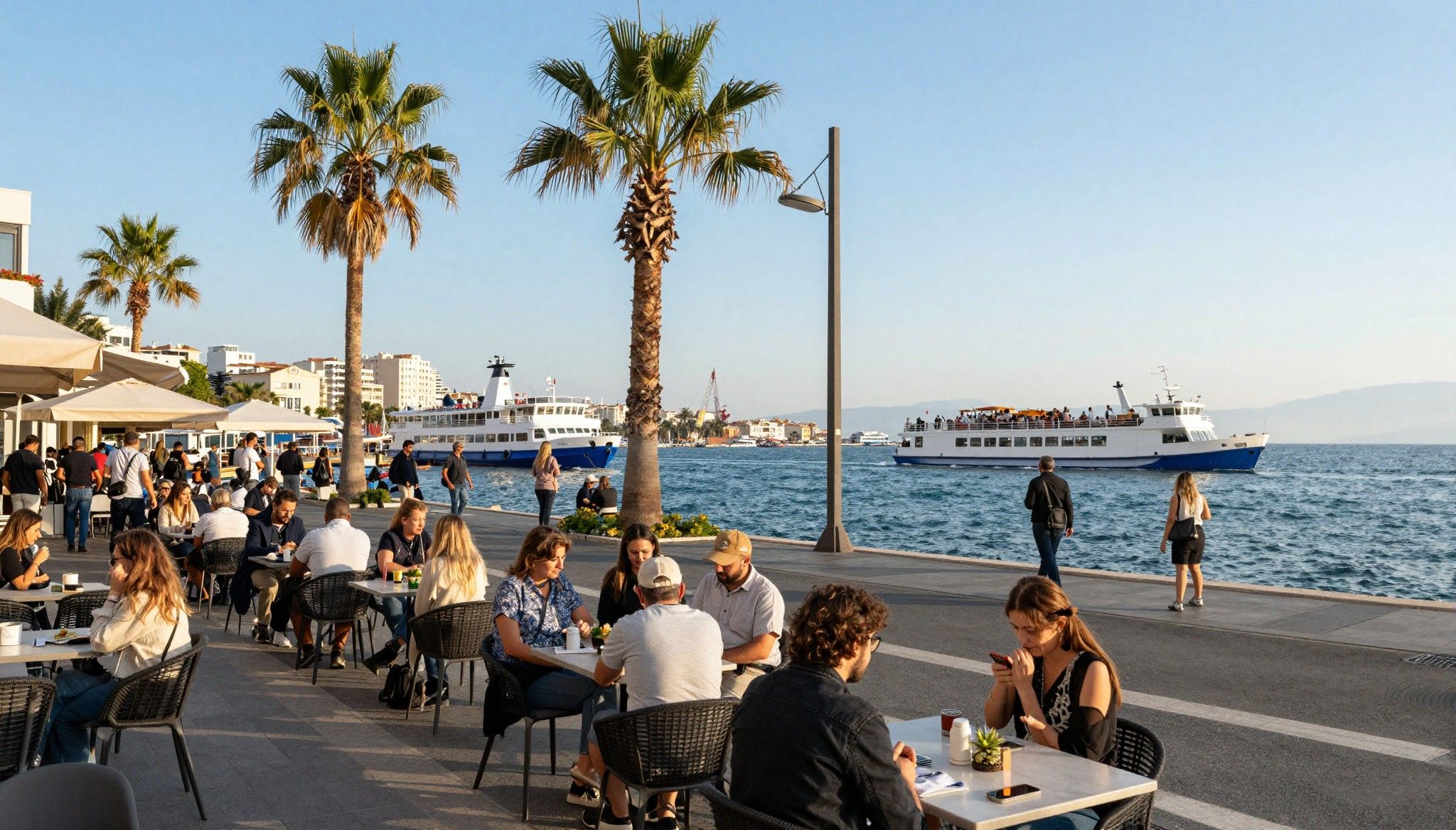
 The Yieldist

