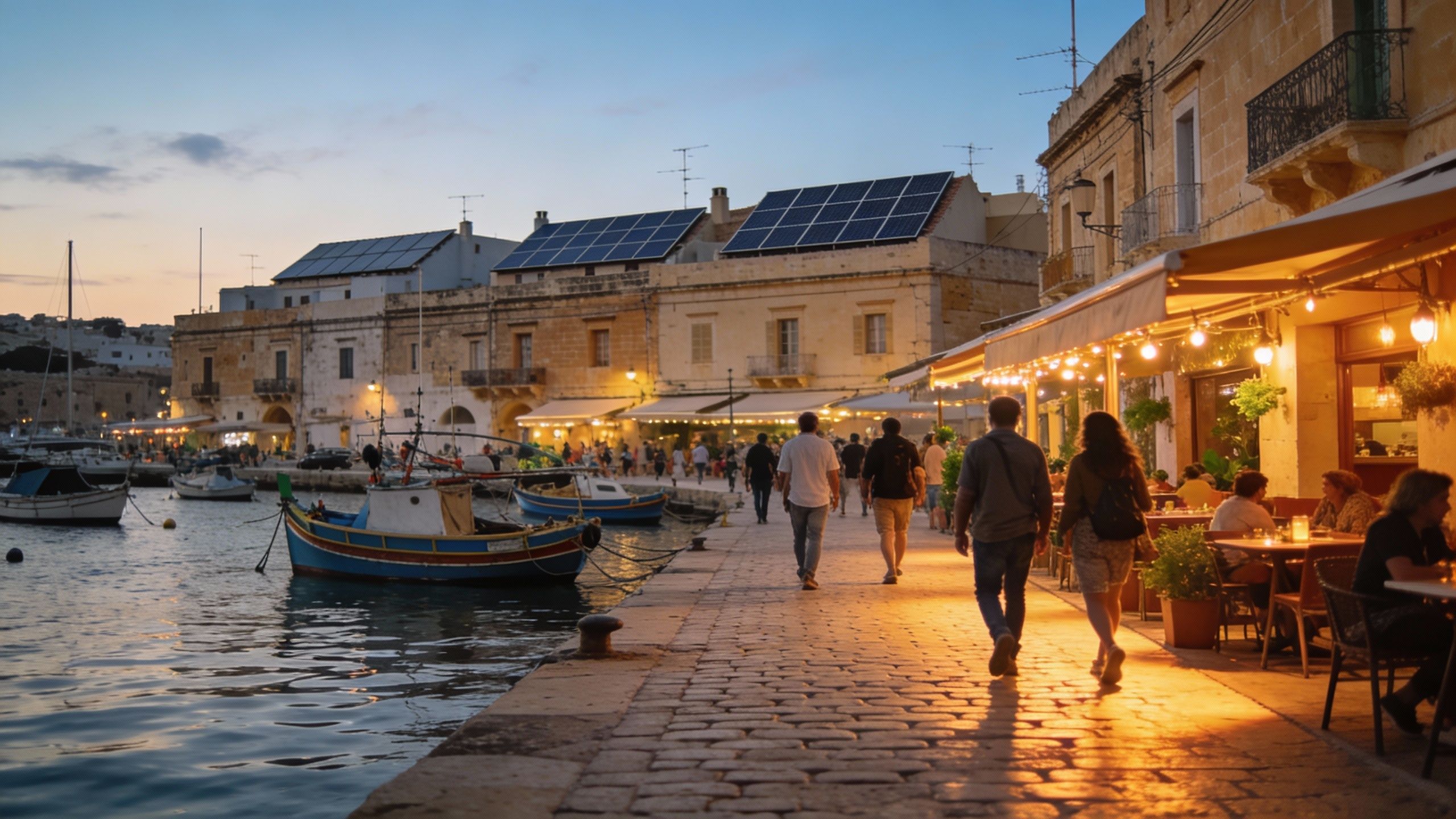
How Malta’s Green Shift Changes Where to Buy
Malta pairs seaside charm with rising renewable uptake; choose homes with roof potential and community fit to live greener and lower bills.
 Moss & Hearth
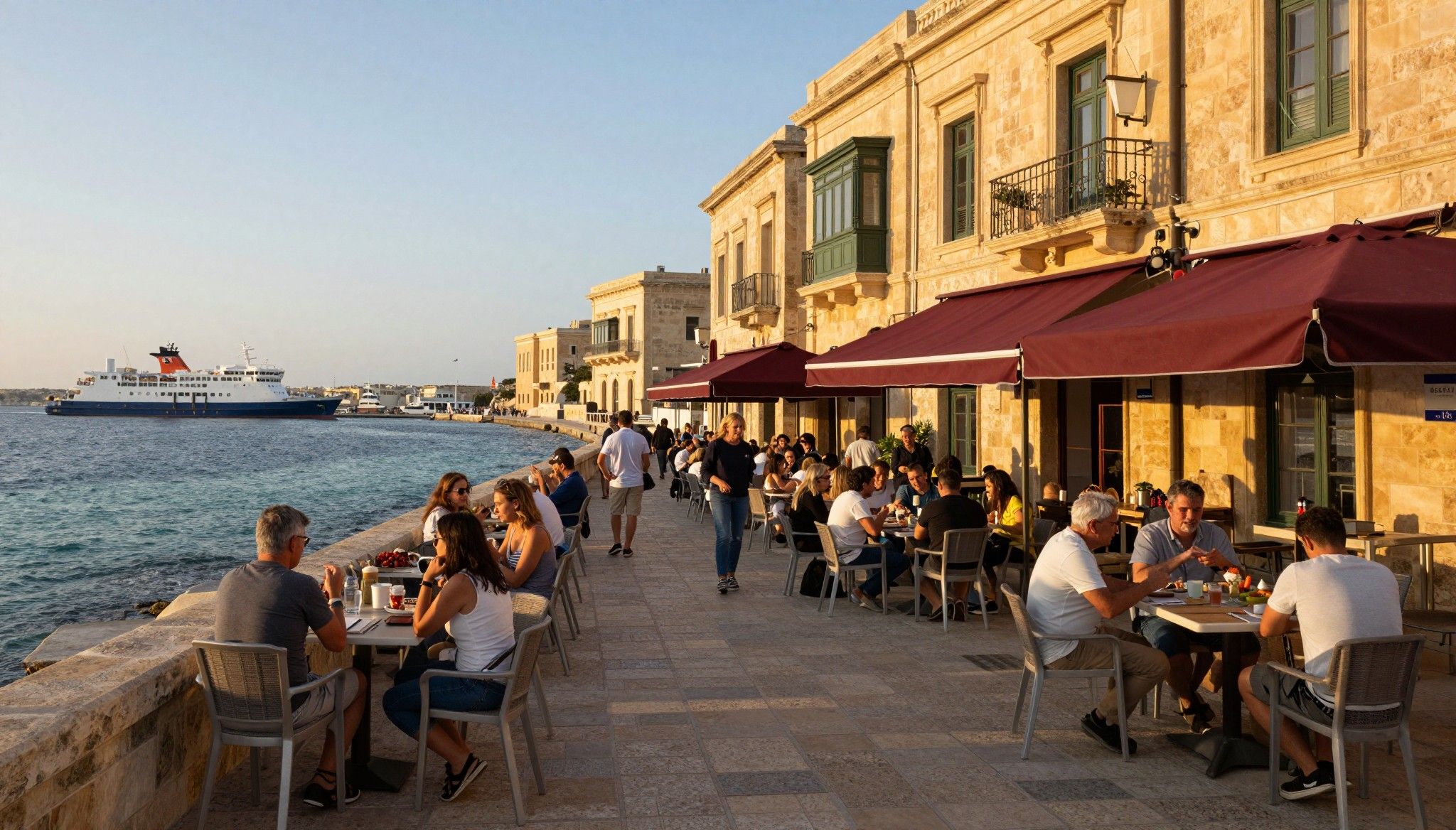
Imagine waking to a warm breeze off the Mediterranean, espresso at a small table on Triq ir-Repubblika in Valletta, and panels on a neighbouring roof quietly feeding the morning kettle. Malta's compact streets, limestone terraces and salt-scented air make it easy to fall in love — but this island is also quietly remaking itself with solar roofs, incentives and a fast-rising slice of renewables. If you dream of a home that feels both rooted in place and energetically independent, Malta forces a useful question: do you buy for views or for the greener life the island is building?
Living Maltese Life: rhythms, tastes and corners that matter
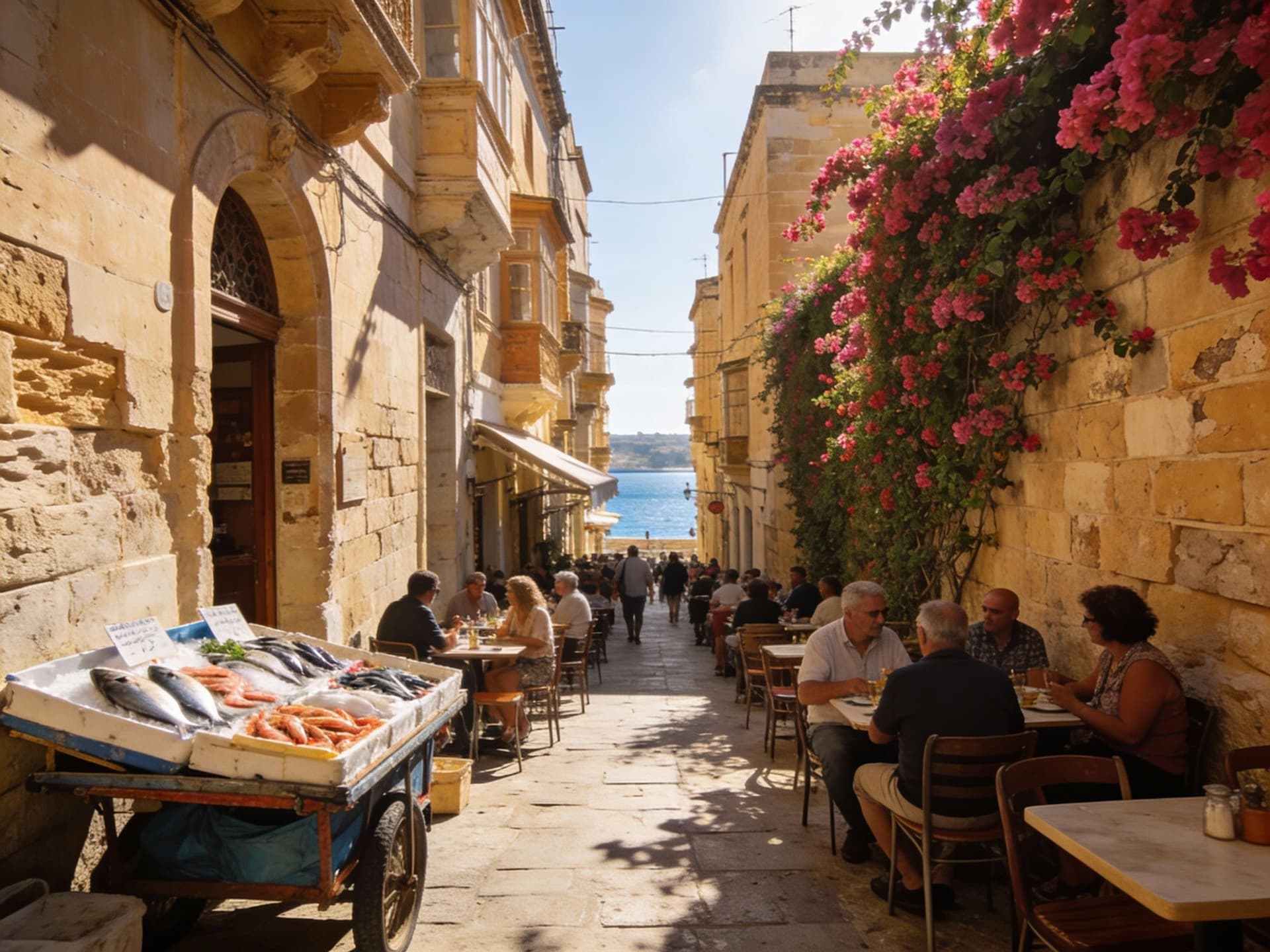
Mornings on the island are civic and small-scale: fishmongers arranging catch at Marsaxlokk, a baker loading ftira into an oven, commuters on scooters slicing past baroque facades. Valletta’s narrow streets feel cinematic at dawn; Sliema and St Julian’s pulse with café life and waterfront promenades; Gozo moves at a softer pace where terraces and gardens matter more than high-rise vistas. Living here is tactile — warm stone underfoot, bougainvillea clinging to balconies, and a calendar stitched with festas, open-air markets and sea-swimming weekends.
Neighborhood spotlight: Valletta & The Three Cities
Valletta gives you history at your doorstep — tiny cafés on Strait Street, the slow ritual of afternoon passeggiata, and compact homes where light filters through high windows. Cross the Grand Harbour to Cottonera and Marsaskala for calmer streets and fishing-harbour rhythms. If you value market mornings, seafront dinners and a tight civic life, these areas deliver a built-in community; if you want gardens and solar opportunity, look to the quieter villages and Gozo where plot sizes and roof orientation are kinder to green retrofits.
Food, market life and seasonal colour
Weekends in Malta are about fresh bread, sunlit terraces and dinners that begin late. Marsaxlokk fish market, Valletta’s cafés, and neighbourhood bakeries near Gżira or Mellieħa are where you learn names and recipes. Seasonal bounty — ripe tomatoes, capers, fresh sardines — shapes how homes are used: long-table dinners, tiny rooftop herb pots and kitchens designed for ingredients rather than gadgets. That grounded, social rhythm influences what kind of property feels livable: outdoor terraces and compact kitchens beat cavernous, energy-hungry living rooms.
Making the move: how Malta’s green infrastructure reshapes choices
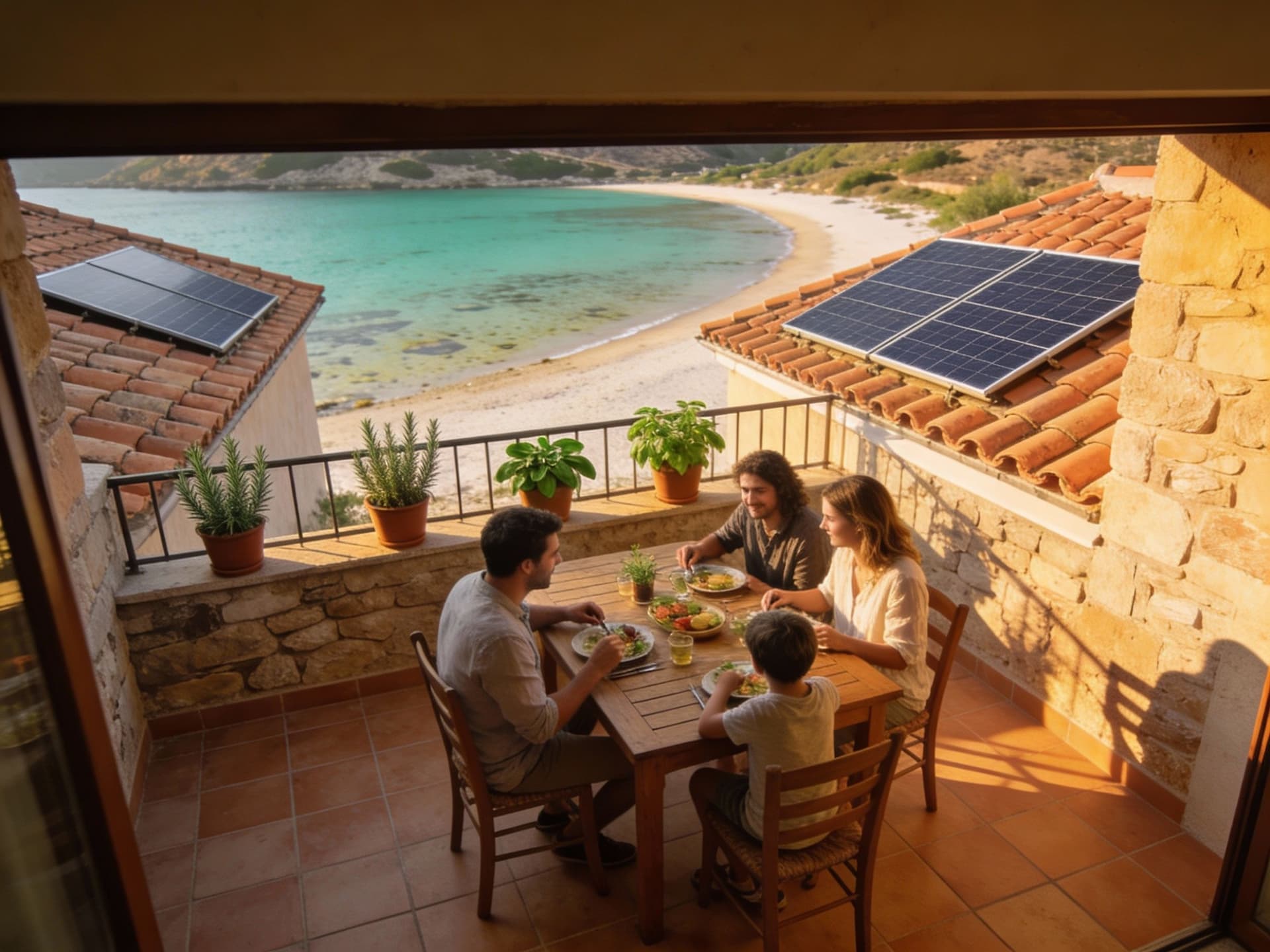
The practical side: Malta’s renewable share has climbed noticeably in recent years, with official reports pointing to a growing adoption of rooftop photovoltaics and incentives for heat pumps and battery storage. Simultaneously, property prices continued upward pressure through 2024–2025. These two forces intersect: smaller homes with good roof aspect and space for battery storage can cost less to run and fetch a green-premium from eco-minded buyers, while seafront apartments command lifestyle value but often offer limited solar potential.
Property types and the green tradeoffs
Traditional Maltese townhouses and Valletta townhomes offer thick limestone walls that moderate heat naturally — an ecological advantage — but they often lack unobstructed roof space for PV. Newer apartment towers in Sliema or St Julian’s can have communal solar installations and modern insulation but might feel less ‘Maltese’ in texture. If energy independence matters, weigh roof aspect, roof ownership rules, and whether a property lies in a Special Designated Area that affects foreign purchase rights.
How local experts make the lifestyle real
Agencies with local sustainability knowledge can point you to properties with the right roof orientation, existing PV permits, or gardens suited to edible landscaping. They also understand which neighbourhoods balance community life with off-grid potential — a small villa near Mellieħa might offer a productive roof and a village piazza a short walk away. Use local brokers as translators of lifestyle: they can show you where morning light hits a terrace, which rooftops carry panels, and how a property feels on an ordinary Tuesday, not just during festival season.
Insider knowledge: expat lessons, seasonal realities and red flags
Expat buyers often tell the same story: they fell for the light and the sea, underestimated the island’s demand cycles, and only later learned the value of roof orientation, storage capacity and a local crew for maintenance. Seasonal festivals and summer tourism can make the island feel vibrant — and crowded. That contrast affects both day-to-day happiness and resale prospects. The smartest buyers match the lifestyle they want (quiet village mornings vs. social waterfront life) with property features that support green living year-round.
Cultural fit: language, community and making friends
English is an official language and expat networks are active in Sliema, St Julian’s and Gozo. Still, local customs matter: festas bring communities together, small shops close for siesta, and neighbours expect politeness and presence. Integrating is as much about attending a local mass or festa as it is about hiring a Maltese contractor for eco-upgrades. Practical relationships — a trusted electrician, a gardener who knows native species — are part of long-term low-impact living.
Red flags and quick checks
Ask about roof ownership and any communal rules that prevent PV installation; check recent RPPI trends for your target neighbourhood; verify if a property sits in a Special Designated Area that affects foreign purchase; confirm drainage and rainwater harvesting feasibility for garden ambitions.
1. Inspect roof aspect and shadowing at morning and afternoon times. 2. Request past energy bills and any existing PV or battery installation certificates. 3. Confirm planning permissions for retrofits with local council. 4. Meet neighbours or local shopkeepers to feel the everyday rhythm before bidding. 5. Ask your agent about seasonal rental patterns if you plan to rent part-time.
Long-term picture: how life evolves here
Over five years, buyers who prioritised roof space, passive-cooling details and community gardens have seen everyday costs drop and lifestyle satisfaction rise. Malta’s public incentives for photovoltaics and heat-pumps, along with a tightening of citizenship-by-investment options, point toward a market that rewards genuine residency and stewardship over speculative flipping. If you intend to live here, choose properties that age gracefully with light, wind and community — that’s where the island’s green future meets real daily joy.
If the Mediterranean sounds like a promise, Malta is where the promise and the practical meet. Picture renovated limestone rooms warmed by late-afternoon light, a compact roof full of PV cells powering evening cooking, and neighbours who know your name. Next steps: book a local viewing timed outside festival season, ask an agent about roof permits and battery-ready wiring, and bring curiosity — the island rewards those who look beyond the postcard.
Moss & HearthDanish relocation specialist who moved from Copenhagen to the Algarve; supports families with seamless transitions, local partnerships, and mindful purchases.
Related Articles
More insights that might interest you
 Villa Curated
 Villa Curated
 The Yieldist

