When the Sun Pays You Back: Italy’s Green‑Infra Tradeoffs
Italy’s sunlit lifestyle now pairs with a patchwork of green infrastructure—choose regions with active renewables and local incentives to align dream living with low‑cost, sustainable homes.
 Moss & Hearth
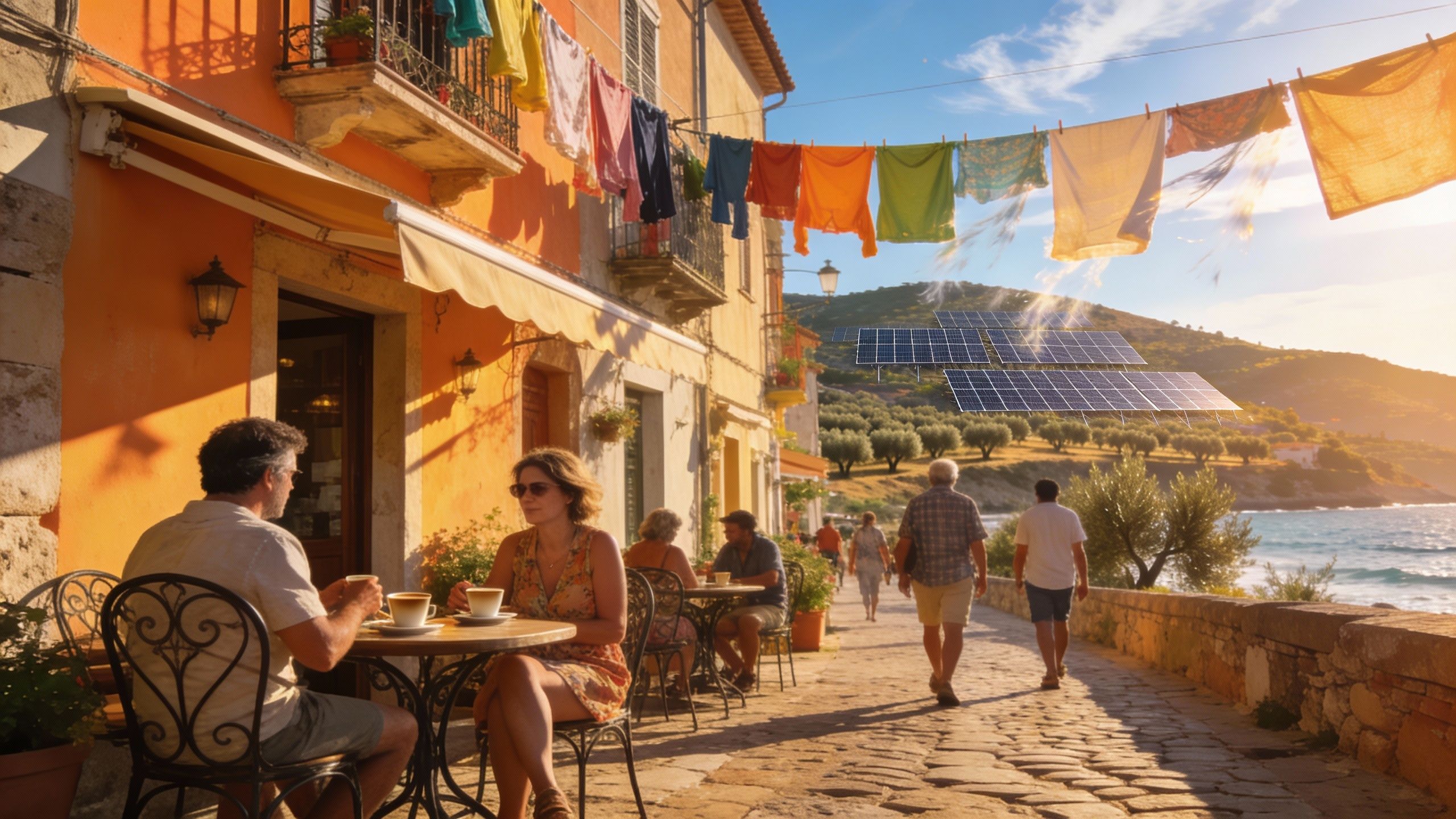
Imagine waking to sunlight on terracotta, walking past a bakery on Via del Corso or a vegetable stall in Bari’s old market, and knowing the roof above you is quietly feeding the home with solar power. That slow, sensory life—coffee steam, church bells, late dinners—is the draw. But for people who love Italy’s rhythms and also care about energy, the country’s patchwork of renewable projects, incentives and regional green infrastructure changes the rules of where to buy and how life looks once you arrive. Recent market analysis shows demand for energy-efficient homes rising, and that influences both lifestyle and value for international buyers.
Living the Italian lifestyle — sun, seasons and systems
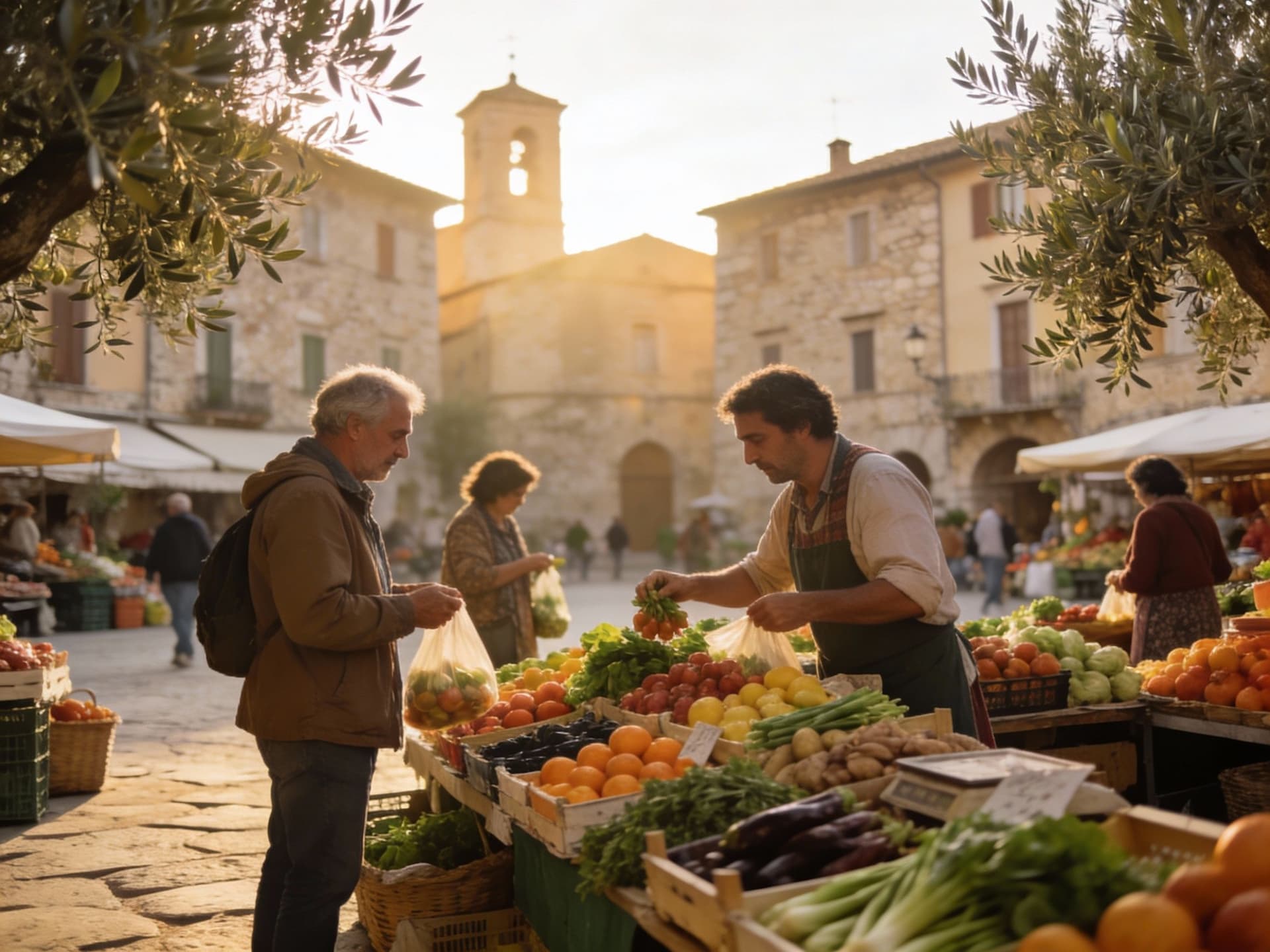
Italy is lived outdoors: long breakfasts on narrow balconies, market runs at dawn, evening passeggiata and vineyards that scent the air in autumn. Those sensory pleasures are shaped by place — Liguria’s salt breeze and cliffside gardens, Emilia-Romagna’s farm-to-table rhythm, Puglia’s limestone courtyards — and now by infrastructure. Regions with strong solar arrays, microgrids and incentives feel different: mornings start with warm light filtered through olive trees and—if you choose wisely—an energy bill that’s a fraction of what it would be back home. For buyers who imagine quiet stewardship rather than extractive ownership, knowing which areas have reliable green infrastructure is part of falling in love responsibly.
Neighborhood spotlight: Tuscany’s Val d’Orcia vs. Puglia’s Itria Valley
Val d’Orcia still smells of hay and wood smoke: hilltop farms, stone farmhouse restorations, and an ingrained culture of seasonal rhythms. By contrast, Puglia’s Itria Valley—with towns like Alberobello and Ostuni—offers sunlit courtyards, trulli conversions and a coastline that extends your outdoor season. Both regions are seeing buyers drawn to properties with solar readiness and renovated thermal envelopes. Puglia’s affordability and rising green interest have been widely noted, and that combination is shifting where international buyers place lifestyle and value on their checklist.
Food, markets and community life that shape daily choices
Your life here will be dictated by markets, not malls: morning fish markets on Venice’s Riva, vegetable stalls under the arcades in Bologna, and late‑season olive harvests that turn whole villages into shared workspaces and fêtes. These routines inform practical things—storage for preserves, a courtyard built for hanging drying pears, or south-facing terraces for winter sun. When I visit, I pay attention to where locals plant communal solar chargers or where municipal composting points sit; those small details tell you more about a neighbourhood’s sustainability than glossy listings ever will.
- Lifestyle highlights to scout in person
- Morning markets (e.g., Campo de' Fiori, Rome) and local cafés that close for siesta—signs of a community that values local trade and slow rhythms.
- Community olive presses and cooperatives—places where neighbours share equipment and knowledge about land stewardship.
- Municipal green initiatives—public solar canopies, bike‑share hubs and community gardens—that show local investment in resiliency.
Making the move: practical considerations that keep the dream grounded
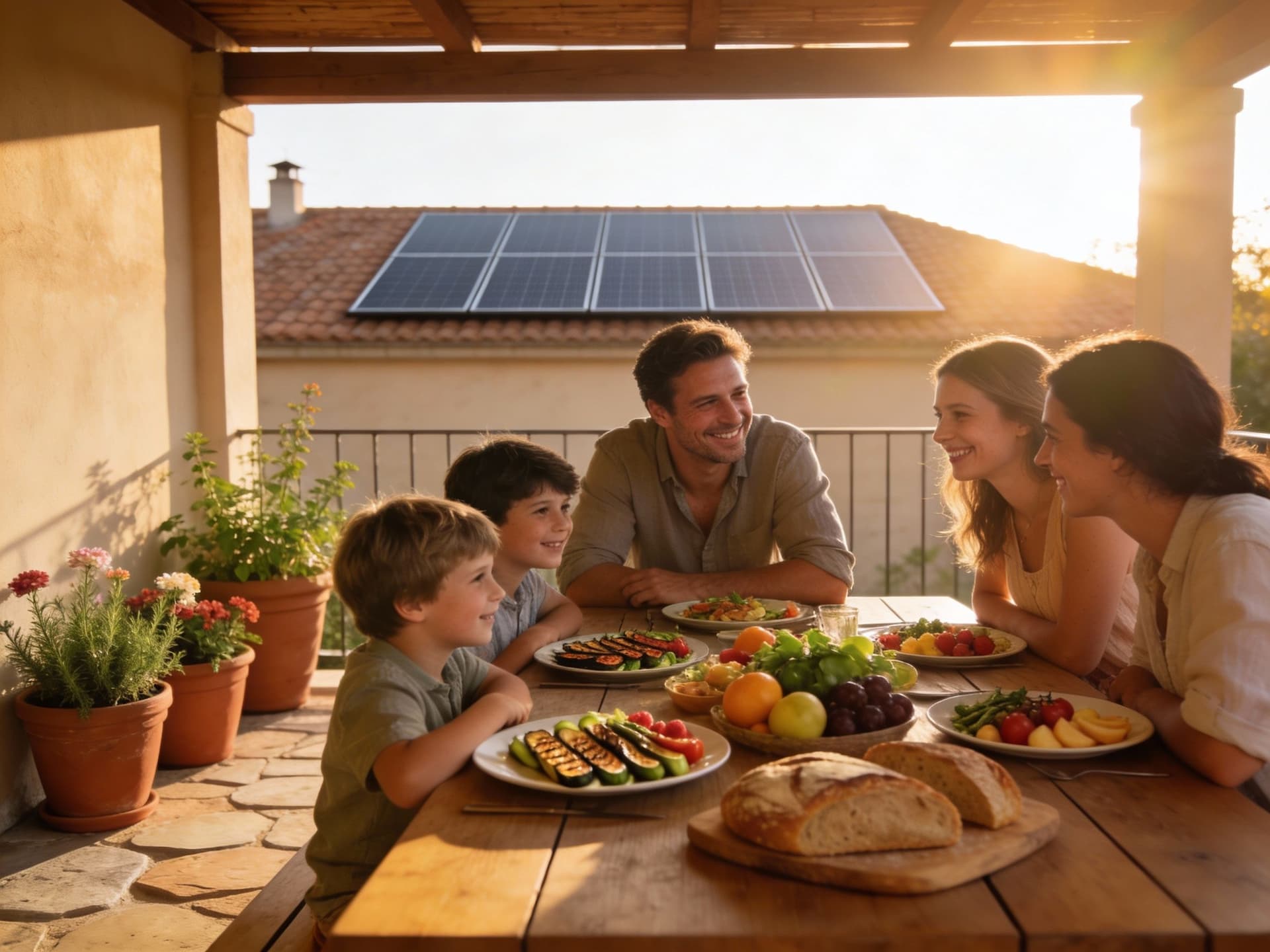
Dreams meet logistics at the notary’s desk and on the roof. Italy’s market shows steady price growth and a rising premium for energy-class A homes, meaning a well-placed green upgrade can pay lifestyle dividends and market value. Government incentives and regional programs have accelerated renovations and solar adoption, but the availability and administrative ease vary dramatically by region. Before you fall for a sun-washed façade, check local grid capacity, connection lead times for PV systems, and whether municipal incentives are active where you plan to buy.
Property styles and what they mean for green living
A stone farmhouse in Umbria often means thick walls that keep summers cool but may need careful retrofitting for insulation and modern heating. A new build on the Veneto plain can arrive with heat pumps, triple glazing and pre-wired PV arrays, while a coastal Puglian trullo may require creative approaches to install panels without harming heritage protections. Match the building’s character to how you want to live: low‑tech passive comfort or a near‑off‑grid ambition with batteries and an EV charger.
Working with local experts who understand both home and habitat
An agent who knows where the municipal green funds are active and a technician who can estimate grid‑tie times save weeks and euros. Look for architects familiar with SISMIC and heritage rules, energy assessors (APE-certified), and installers who have applied for regional incentives. Local notaries and lawyers familiar with agricultural land classifications, artisan restoration permits, and inland microgrid pilot projects will help you avoid common traps.
- Steps that blend lifestyle and practical checks
- Visit the neighbourhood at different times: market morning, late afternoon, and after rain to assess sun, wind and community life.
- Ask the vendor for last 12 months’ energy bills and any APE (energy performance) certificates; compare to similar homes in the area.
- Have a local energy assessor quote PV + battery options and check permit timelines—these affect when the home becomes a low‑cost haven.
Insider knowledge: what expats wish they'd known about green Italy
Expats often expect seamless green upgrades; instead they find a mosaic of incentives, heritage rules, and local capacity. Many wish they’d checked whether the communal road could support solar installers’ trucks, or whether their chosen village had reliable broadband for remote work. Those logistical small‑print items shape daily life more than flashy features. In short: green ambitions in Italy are both viable and deeply local—plan with neighbours, not just engineers.
Cultural rhythms and community integration
In Italy, community acceptance matters. Helping with the olive harvest, learning a few phrases, or joining the local cooperative goes a long way toward approvals and goodwill. Neighbourhoods that host community solar schemes or shared gardens are usually more open to repurposing public space for sustainability. Being part of these rhythms not only eases bureaucratic friction but enriches the life that drew you here in the first place.
Long-term lifestyle and stewardship: how life evolves after the move
Ten years after buying, many expats find that their homes become small hubs: a community lunch under a pergola, a neighbouring family storing preserves in your cool cellar, or a shared EV charger installed by the block. Energy upgrades that felt expensive initially often repay in comfort, lower bills, and resale premium; market commentary shows buyers paying a premium for high energy-class properties. Treat the house as part of the landscape—plant local species, choose breathable plasters and join local stewardship efforts—and the property returns more than financial value.
- Red flags and local pitfalls to avoid
- Heritage restrictions that prohibit rooftop PV or require specific materials—ask the commune planning office before bidding.
- Incomplete APE certificates or missing energy bills—these hide retrofit costs that erase imagined savings.
- Assuming national incentives apply uniformly—many generous schemes are regional or have specific timelines.
If you love Italy’s light and community, choose a place where green infrastructure and daily life are in harmony. Start with regions investing in renewables and support structures—Puglia, parts of Emilia-Romagna and Tuscany show clear momentum—and pair that with local experts who read both the place and the paperwork. Visit in different seasons, talk to neighbours, and let practical checks inform the romance. When lifestyle and infrastructure align, you don’t just buy a home; you join a living landscape.
Conclusion: Italy still seduces with taste and light, but the best purchases blend that romance with regional green intelligence. Speak to local agents who specialise in energy-efficient homes, commission an APE, and map incentives at the municipal level before you sign. Then picture yourself: an evening aperitivo on a south-facing terrace powered by the same sun that warmed the grapes in the valley—sensible, sustainable, and unmistakably Italian.
Moss & HearthNorwegian market analyst who relocated from Oslo to Provence; guides investors with rigorous portfolio strategy and regional ecological value.
Related Articles
More insights that might interest you
 Villa Curated
 Villa Curated
 The Yieldist

