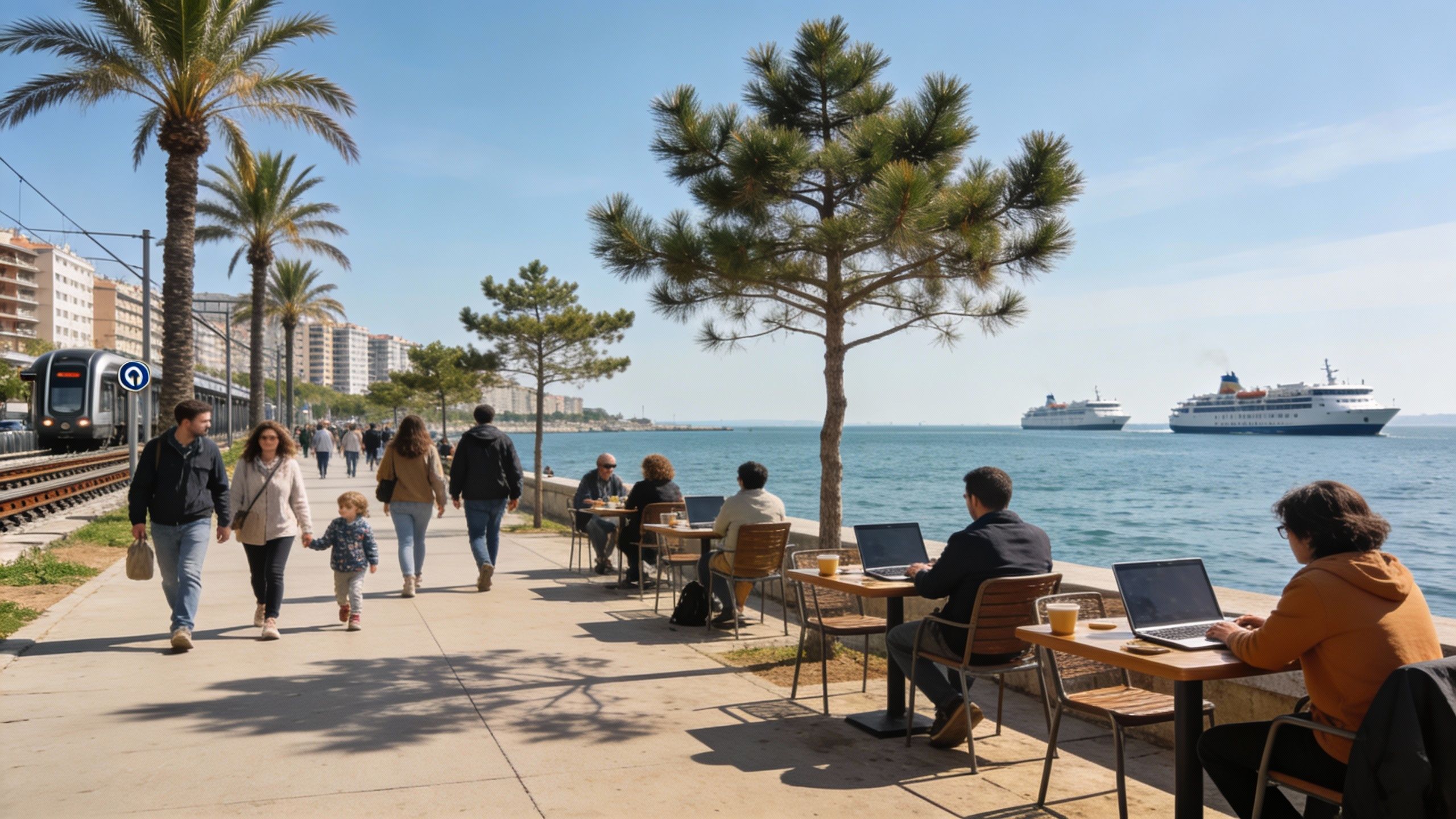
How Greece’s Infrastructure Is Repricing Lifestyle Neighbourhoods
Greece’s lifestyle remains magnetic, but infrastructure — airports, 5G and fibre, metro projects — now reprice where sensible buyers should invest.
 The Yieldist
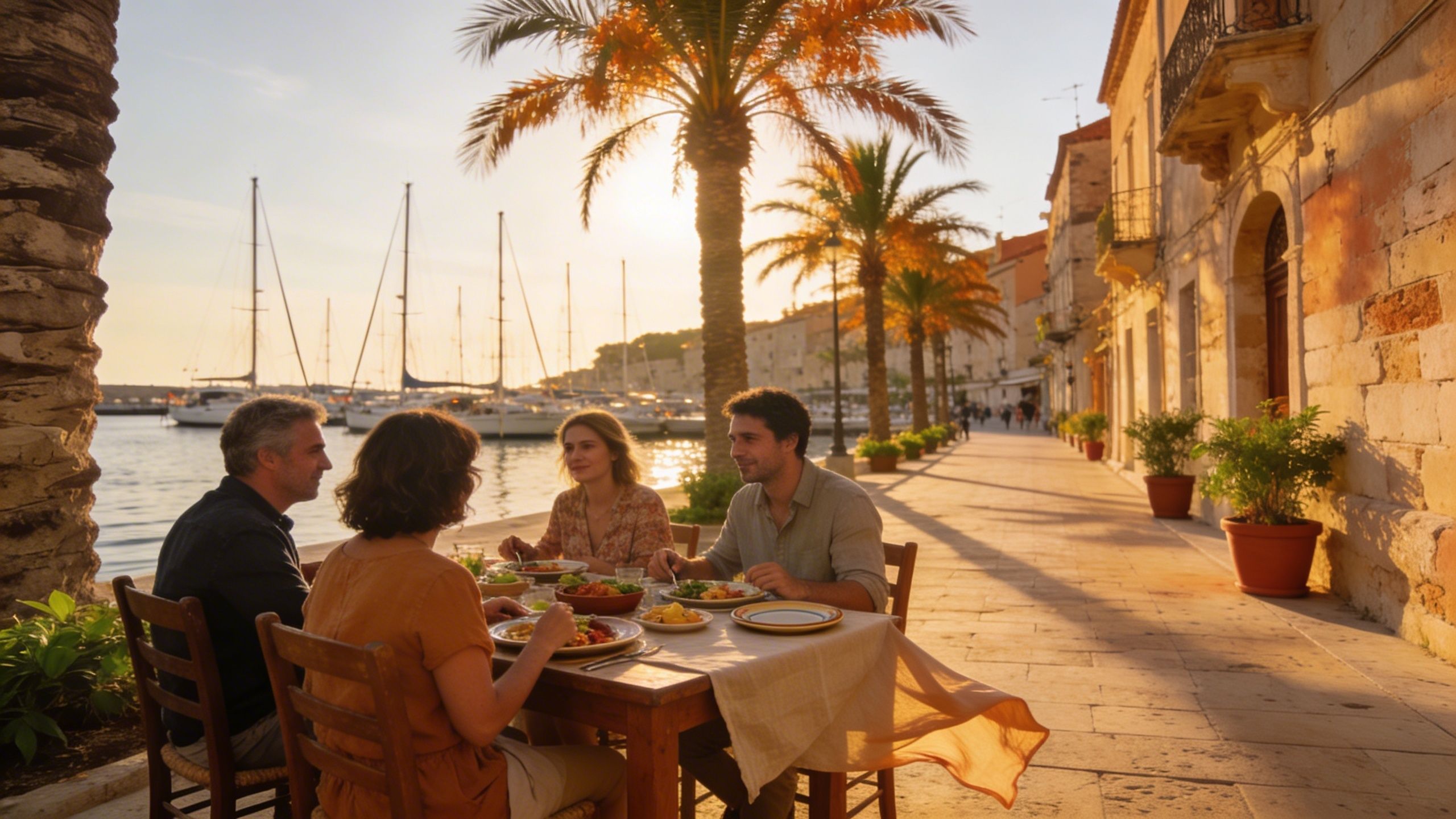
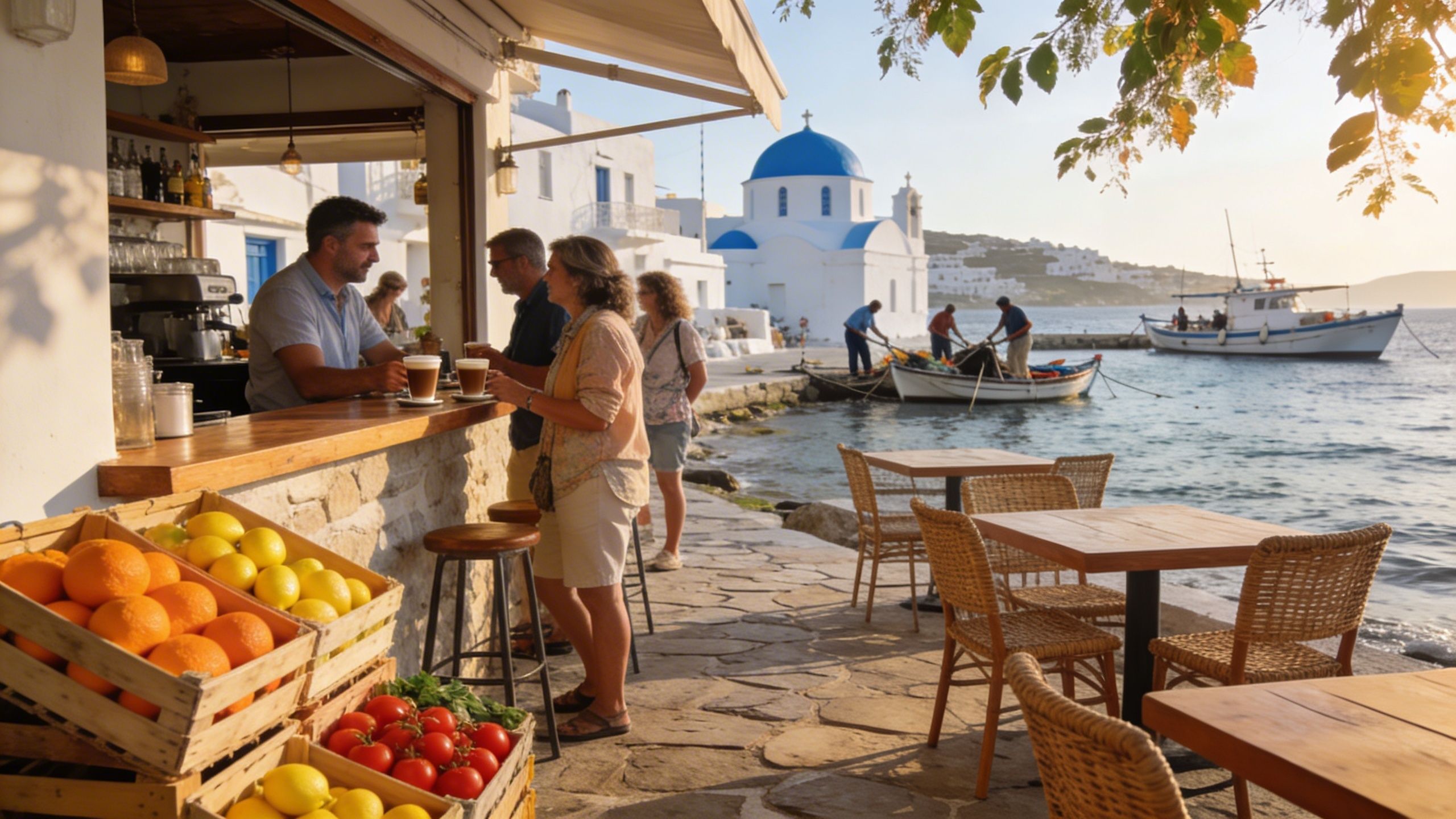
Imagine sipping an early-morning espresso at a sunlit kafeneio in Koukaki, then walking five minutes to a tram that takes you along the Athens coast. Greece still sells a lived-in Mediterranean life—sea breezes, local markets, tavernas that know your name—but the background has changed: faster flights, better broadband, and big development projects that make some neighbourhoods investor-friendly and others fragile to speculation.
Living the Greece lifestyle
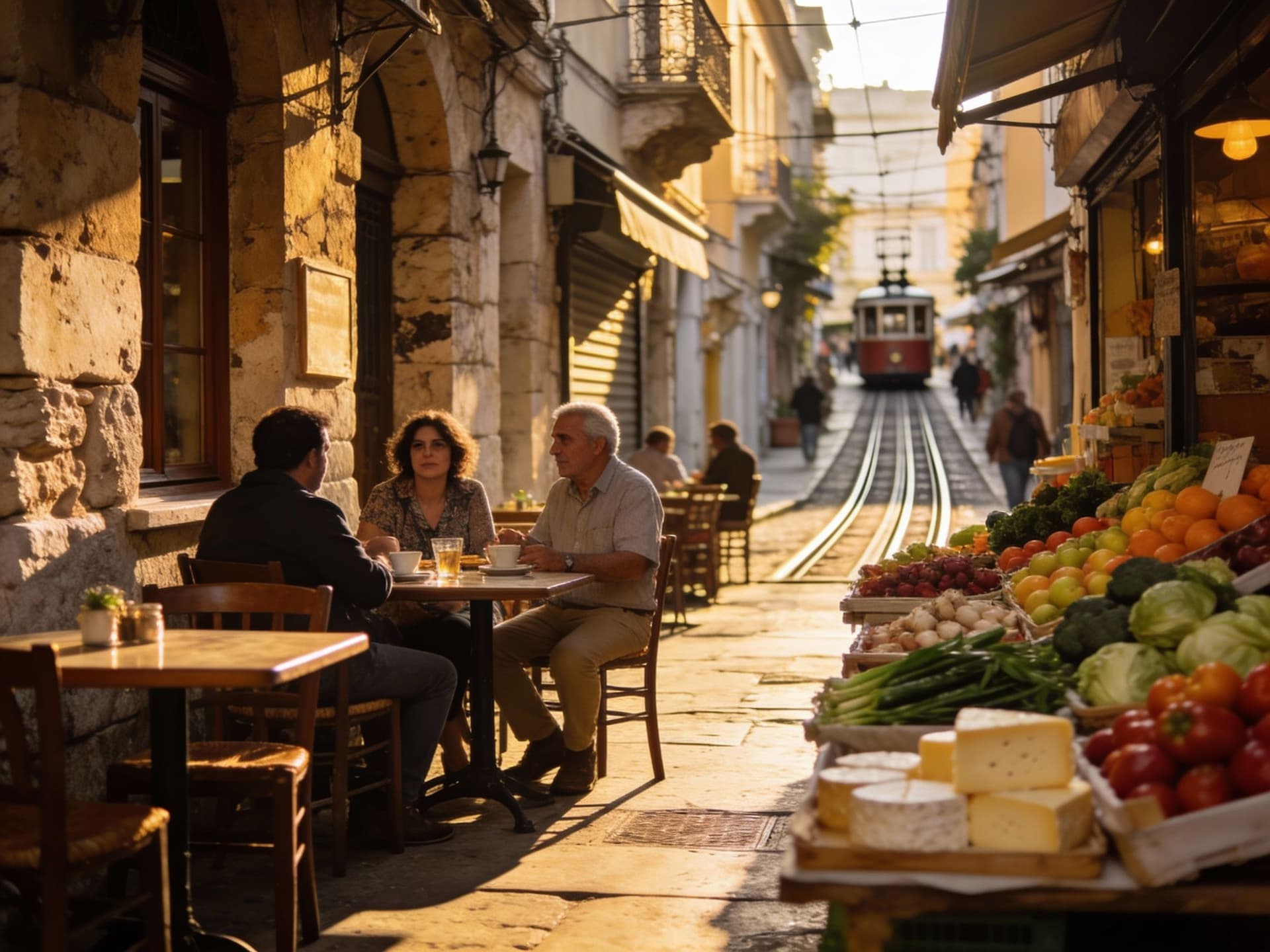
Daily life in Greece is tactile: morning markets in Volos and Chania, late-night plate‑sharing in Exarchia, afternoons at smaller island beaches like Agios Prokopios on Naxos. Large projects — notably Ellinikon on the Athens Riviera — are reshaping coastal suburbs, changing transport patterns and the kinds of rental demand you can expect. That mix of old and new defines where you buy and who will rent your place.
Athens neighbourhoods that feel different at dawn
Koukaki and Makrygianni hum with boutique cafes and short-let demand; Pangrati is where young families plant roots and value quieter streets; Glyfada and Voula on the Riviera trade village calm for better beaches and newer developments. Each micro-market has distinct tenant profiles: tourists and short-stay guests near the Acropolis, young professionals near Kifissia, retirees near the south coast.
Food, markets and the tempo of life
Picture weekends: farmers’ markets (Varvakeios in Athens or Chania market), seaside tavernas in the Peloponnese, and ferry crossings that double as social time. Better connectivity — a record ~36 million passengers through regional airports in 2024 — means islands are less remote for renters and buyers, but it also amplifies seasonality risks in tourist hotspots. Use transport data when stress‑testing rental models.
- Lifestyle highlights and micro‑locations to know: Koukaki (near Acropolis short‑lets), Glyfada (beach access + private schools), Kifissia (green, commuter suburb), Chania old town (island rental demand), Ellinikon/Athens Riviera (large-scale regeneration).
Making the move: infrastructure that changes the math
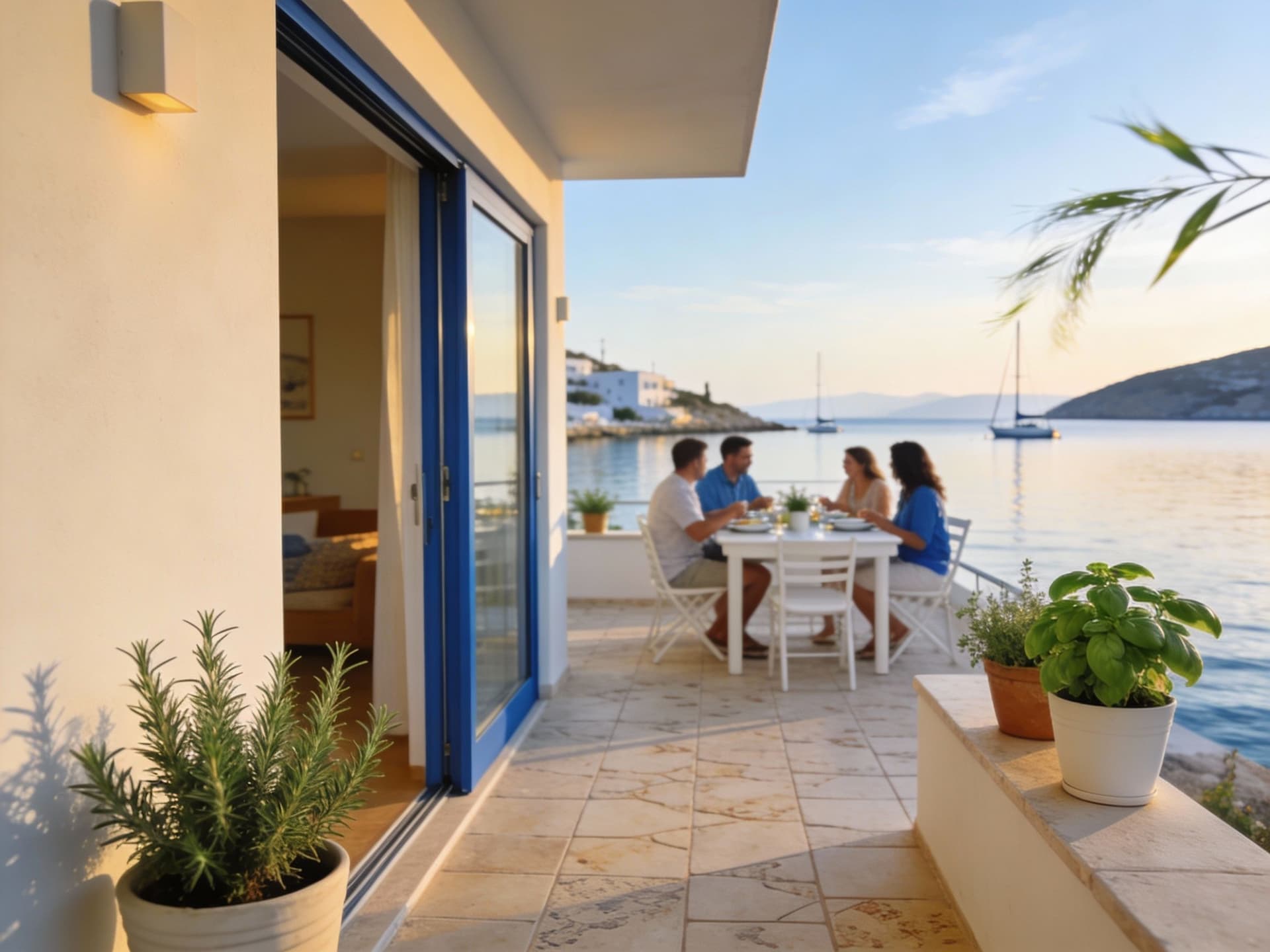
Your lifestyle choice must be measured against infrastructure trends: near-term yields shift where 5G, fibre and airports reduce frictions for tenants and residents. Greece’s digital and transport upgrades are real — 5G population coverage and fibre rollouts accelerated in 2024 — and they reprice neighbourhoods where connectivity was previously weak.
Property styles and how they match life
From neoclassical Athens flats to island stone houses, property type dictates both lifestyle and operating costs. New builds command a premium for insulation and minimal renovation; older units near transit hubs often deliver higher short‑term rental yields but require capital expenditure. Recent data shows prices rose through 2024, but growth slowed — factor that into cap‑rate calculations.
Working with local experts who know transport and tech
Use agencies that map infrastructure: ask for distance-to-airport, public‑transport walk scores, broadband/5G availability, and recent passenger trends for local airports. A property’s yield can flip when a new metro station opens or a fibre rollout completes — the right agent quantifies that upside and the short‑term disruption risk.
- Steps to stress‑test an infrastructure-led purchase: 1) Obtain recent passenger and flight frequency data for the nearest airport; 2) Check EETT or operator reports for fibre/5G coverage; 3) Model rental demand in high and low seasons; 4) Add renovation and connectivity costs to CAPEX; 5) Run a 3‑year downside scenario reflecting off‑season occupancy.
Insider knowledge: what expats wish they'd known
Expats often romanticise island life and later discover transport limits, seasonal isolation, and patchy services. Conversely, islands with upgraded airports and reliable fibre are now commercially viable for longer lets and year‑round residents. The pragmatic lesson: lifestyle desirability must be reconciled with objective connectivity metrics.
Cultural and daily realities that affect property choices
Language is less of a barrier in urban centres where international services exist; in smaller islands, bureaucracy and seasonal business closures can delay renovations or rentals. Social life centers around communal squares and cafes — proximity matters for long‑term tenant retention, so consider walkability alongside transport links.
Long‑term growth signals to watch
Track sustained increases in airport traffic, major regeneration projects, and municipal fibre commitments. These are multi‑year drivers of capital appreciation and rental diversification; short‑term hype (a single summer spike) should not be confused with structural change.
- Red flags and green lights: quick checklist for buyers: research airport passenger trends; confirm fibre/5G coverage; estimate non‑tourist rental demand; check local renovation timelines; verify transport-led planning permissions.
If you want the beach-and-cafe life, pick an island or Riviera suburb with reliable year‑round connections. If you want steady yields, prioritise urban flats near transport nodes and digital infrastructure. Either way, pair lifestyle preference with a data-driven stress test and a local agent who tracks infrastructure indicators.
The YieldistSwedish financier who guided 150+ families to Spanish title deeds since relocating from Stockholm in 2012, focusing on legal and tax implications.
Related Articles
More insights that might interest you
 Villa Curated
 Villa Curated
 The Yieldist


