Where Greece Feels Expensive — and Where It Doesn’t
Greece’s charm coexists with rising prices; moderated growth offers savvy buyers value if they prioritise lifestyle trade‑offs, local expertise and long‑term stewardship.
 Villa Curated
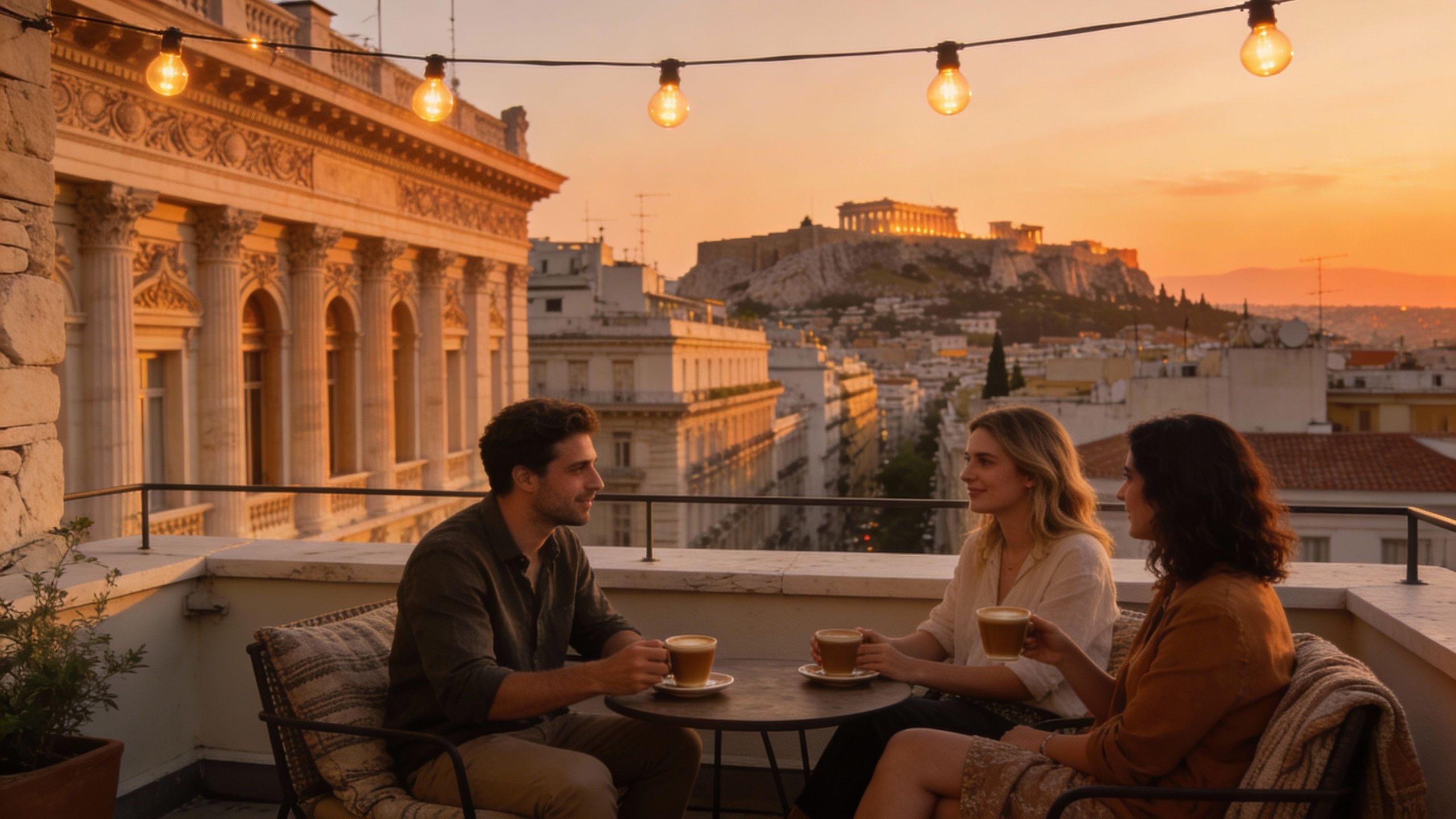
Imagine a late‑afternoon espresso in Kolonaki, a fisherman’s braise on the terrace in Chania and children racing kites along the sand in Naxos. Greece rewards the small rituals — slow coffee, ceremonial markets, seaside promenades — yet beneath that pleasant tempo a sharper economic reality shapes where you can live well and where the price tag feels indisputable. This piece shows the Greece you taste and the Greece you buy into, using market data to reveal where the “expensive” myth holds and where value quietly endures.
Living the Greece Life
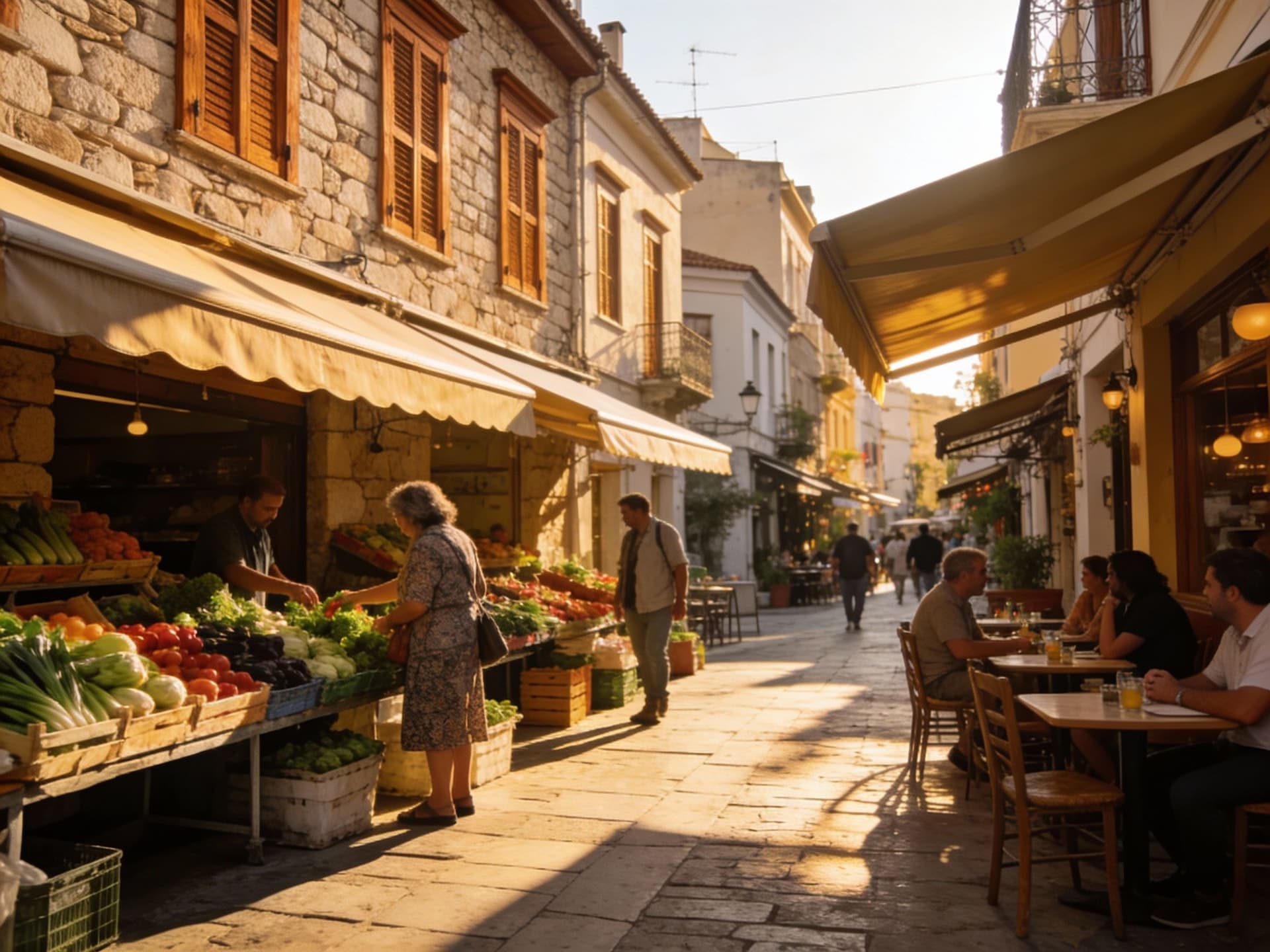
Begin with the rhythms: mornings open with bakeries filling the streets of Plaka and small plates at Koukaki’s tavernas give way to long, shaded siestas in island villages. In Athens, city life flows between neoclassical boulevards and discrete roof‑top gardens; on the islands, days are scored by the light, wind and sea. These textures — limestone courtyards, shuttered windows, municipal markets — determine both desirability and the kind of property that suits a life here.
Athens neighbourhoods: Kolonaki, Koukaki, Metaxourgeio
Kolonaki carries the quiet confidence of well‑crafted living: art galleries, discreet tailoring and cafés that close the loop between social life and work. Koukaki is livelier, with pedestrian streets and small restaurants that make evenings effortless. Metaxourgeio offers rawer fabric — lofts, emerging galleries and lower square‑metre prices where careful restoration yields significant upside. Each quarter offers a different living cost equation: prestige and service in Kolonaki, convivial everyday life in Koukaki, speculative value in Metaxourgeio.
Island contrasts: Mykonos, Crete, the Lesser‑Known Cyclades
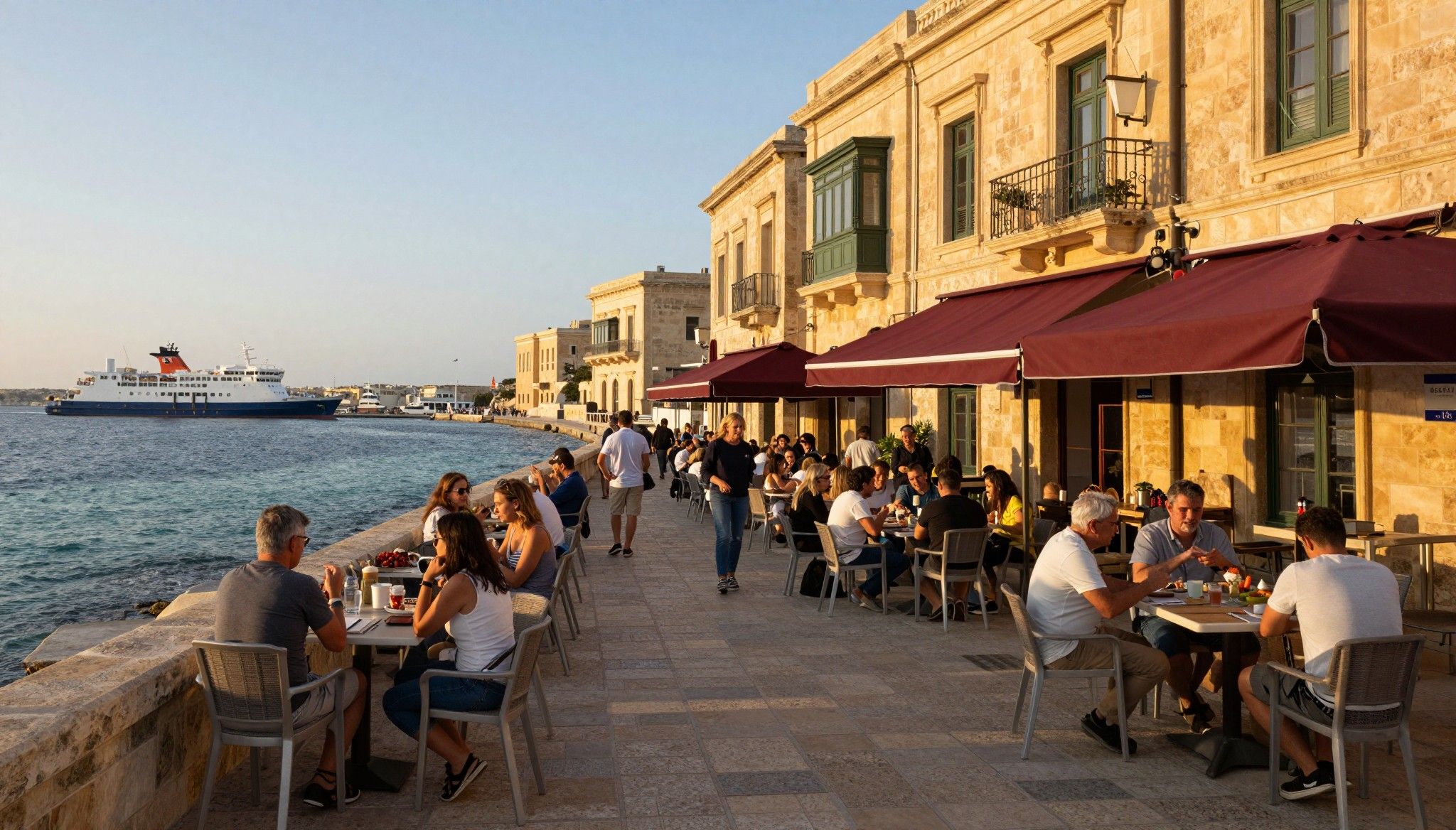
Mykonos and Santorini occupy a different ledger: premium scarcity and international demand push prices high, while large parts of Crete and secondary Cycladic islands retain homes with lower purchase prices and more generous living space. The feel of a place — wind‑tamed courtyards, fishing harbours, village squares — maps directly onto everyday costs: restaurants, local produce, transport and depending on the island, heating or cooling needs across seasons.
- Lifestyle highlights worth budgeting for
- Morning espresso at Da Capo in Koukaki; weekend markets at Varvakios in Athens; seafood plates at Chania’s Halepa district; late‑summer village feasts on Naxos; winter walks and cafés in Thessaloniki’s Ladadika.
Making the Move: Practical Considerations
Romance and practicality must coexist. Recent indices show price growth but slowing momentum: nationwide sale prices rose notably in 2024 though the quarterly pace decelerated by year‑end, a pattern that matters for timing and negotiation. Understanding where supply is constrained — prime islands, central Athens — helps you prioritise trade‑offs between lifestyle and cost.
Property types and how they shape living costs
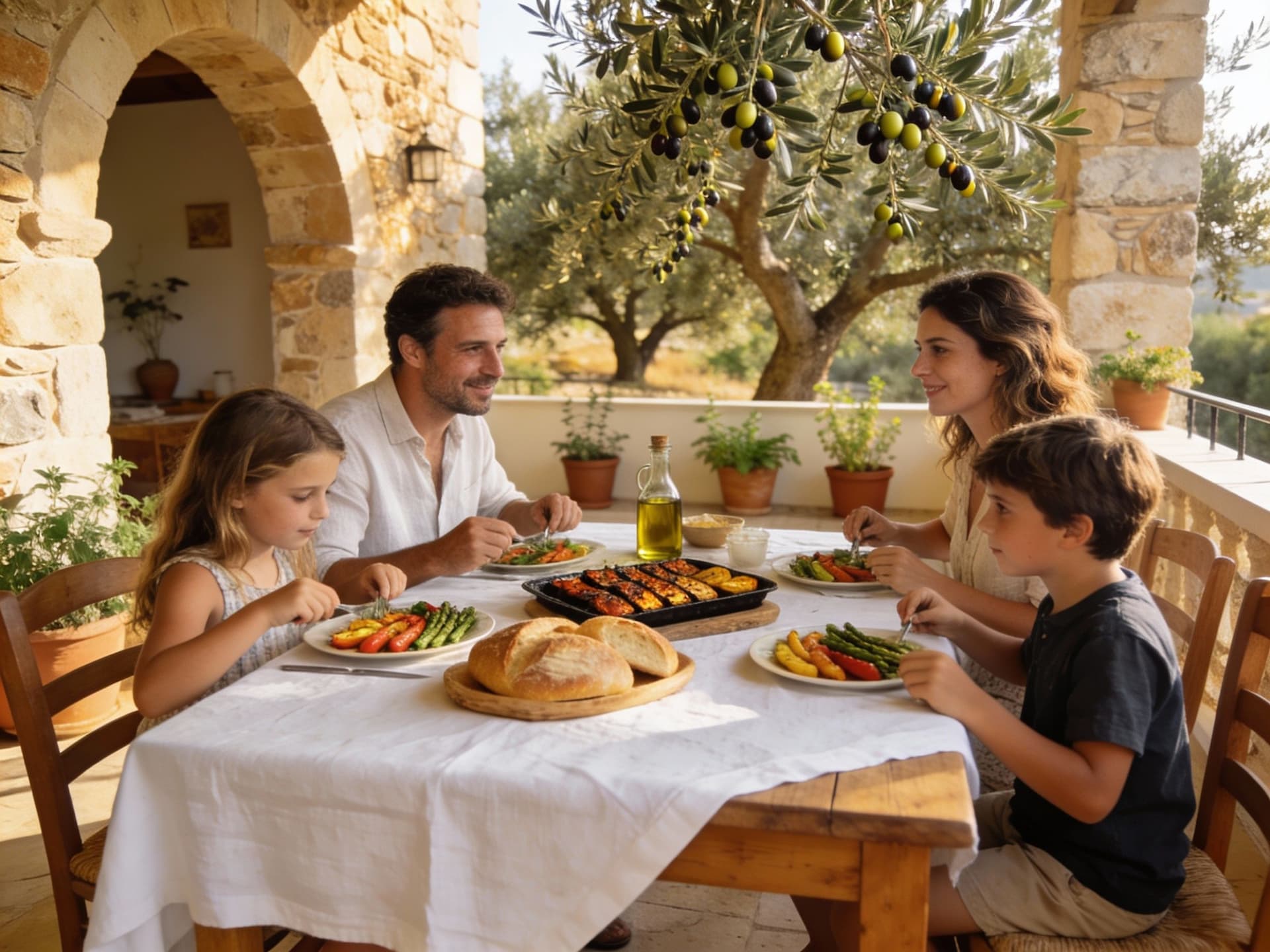
New‑build apartments in Attica have commanded higher per‑square‑metre prices than older stock, but older stone houses in the Peloponnese or Crete often offer more internal space and lower running costs if insulated and upgraded correctly. For those seeking authentic materials and low‑energy living, restored masonry cottages present better long‑term value than flashy new seafront developments where maintenance and service charges escalate living costs.
Working with local experts who understand lifestyle trade‑offs
- 1. Commission a local architect to survey orientation, thermal performance and water supply — these shape running costs more than a view. 2. Ask agents for recent owner‑run utility records and municipal tax receipts to compare real monthly spend across properties. 3. Prioritise agencies with proven work in the specific neighbourhood — island markets are local and relationship‑driven. 4. Build a renovation contingency: sympathetic restoration in stone homes often costs less per year in maintenance than non‑native new construction.
Insider Knowledge: What Expats Wish They’d Known
Expat experience often compresses into three lessons: seasonality shifts costs and community; local customs influence daily spending more than headline prices; and the sections of Greece that feel expensive are often those exporting hospitality to visitors. Data from 2024 shows robust demand yet easing growth into 2025 — a buyer can use that moderation to negotiate, especially outside peak tourist enclaves.
Cultural integration, language and social economy
Learning a few phrases and participating in local markets rewires cost expectations: cooking from Varvakios market or the Chania municipal market lowers food spend and deepens community ties. Many expats note that investing time in local relationships yields both practical benefits — access to trusted craftsmen, better prices — and a more authentic, less costly life.
Long‑term thinking: stewardship over speculation
View purchases as custodianship: properties with provenance, sound fabric and local materials typically require less intrusive upkeep and better preserve value. In practice, this means favouring properties with documented restorations, original stonework, and well‑kept roofs — factors that reduce surprise costs and align with both lifestyle quality and investment resilience.
- Red flags and hidden costs to watch
- Unclear water rights on remote plots; high seasonal transport costs to islands; expensive condominium fees in tourist hotspots; insufficient insulation that raises heating/cooling bills; undocumented “improvements” lacking building permits.
A short, practical plan to test the market
- 1. Spend two weeks living in your target neighbourhood (not a hotel) to observe markets, services and utility patterns. 2. Request recent bills and service contracts from sellers or managing agents to model monthly costs. 3. Commission a targeted technical survey focused on structural soundness and energy performance. 4. Compare out‑of‑season running costs (winter electricity, water, heating) with peak season hospitality expenses before making offers.
Greece is both a sensual place and a practical market. Prices have risen, particularly in tourism‑facing areas, but data from national indices and industry reports show a slowing in growth — an opportunity for buyers who pair a clear lifestyle brief with diligent local inquiry. Start with the life you want: the neighbourhood cafes, the market trips, the walks at dusk. Then ask the precise questions that reveal the true cost of living there. An experienced, discreet local agency will translate those lifestyle desires into properties that deliver both pleasure and sound stewardship.
Villa CuratedRelocating from London to Mallorca in 2014, I guide UK buyers through cross-border investment and tax considerations. I specialise in provenance, design integrity, and long-term value.
Related Articles
More insights that might interest you
 Villa Curated
 Villa Curated
 The Yieldist


