Greece’s Rhythms: Lifestyle Truths and Market Checks
Fall into Greece’s rhythms—markets, terraces and olive groves—while using up-to-date HPI and policy data to choose homes that support seasonal, sustainable living.
 Moss & Hearth
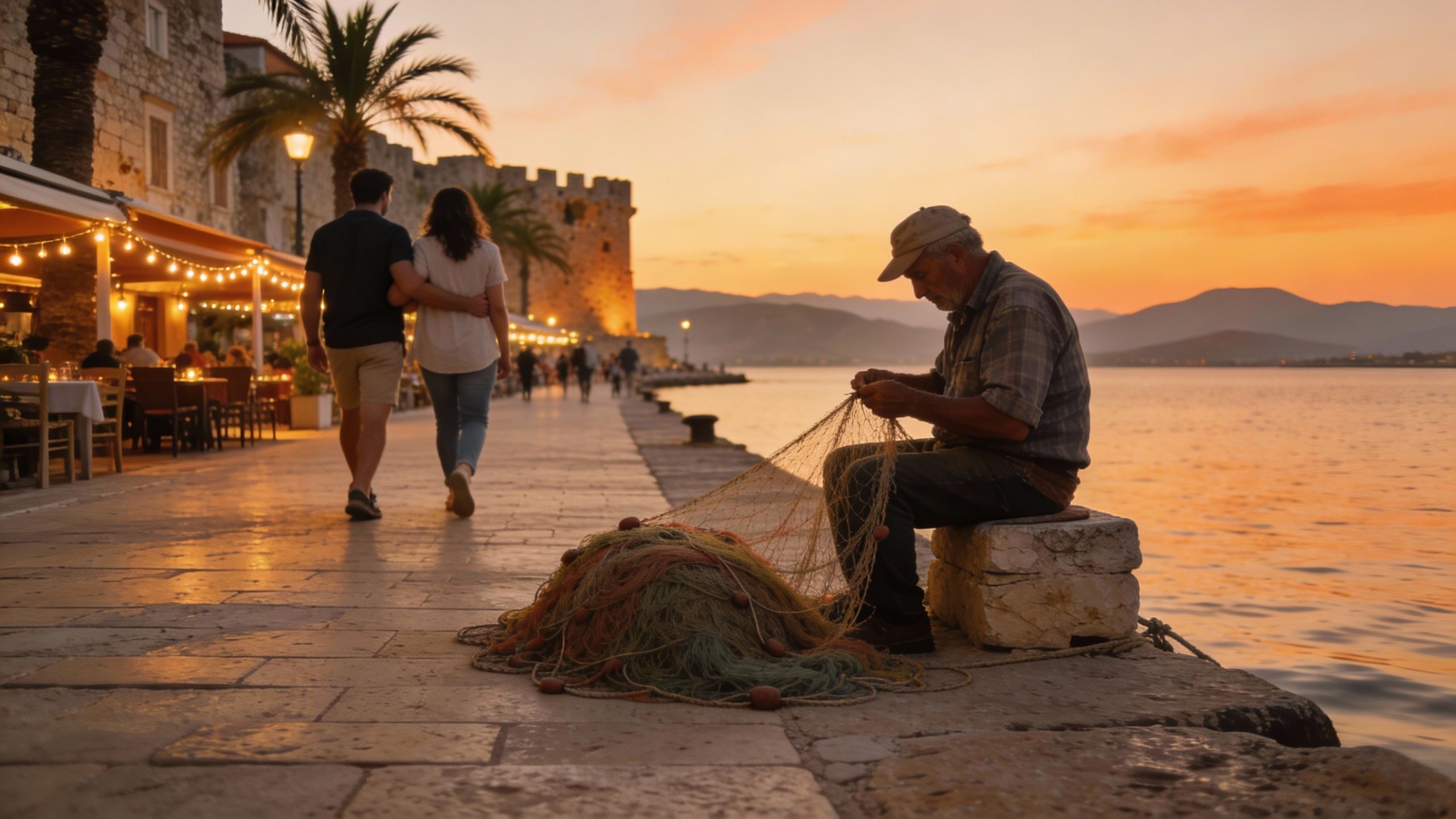
Imagine waking to the smell of strong espresso and salt air, walking past a taverna with climbing bougainvillea, then ending the day on a terrace watching the Aegean soften into gold. Greece moves at that unhurried, sensorial rhythm—markets at dawn, late dinners, olive groves humming with cicadas—and those rhythms shape how you live, and what you need from a home. This piece marries that lived-in lifestyle with research-backed, practical advice so you can choose a property that feels like a rooted life, not just a pretty postcard. According to recent market analysis, Greek property markets have seen steady price growth and shifting demand patterns that every international buyer should know before they fall in love for real.
Living Greece: the everyday that steals people’s hearts
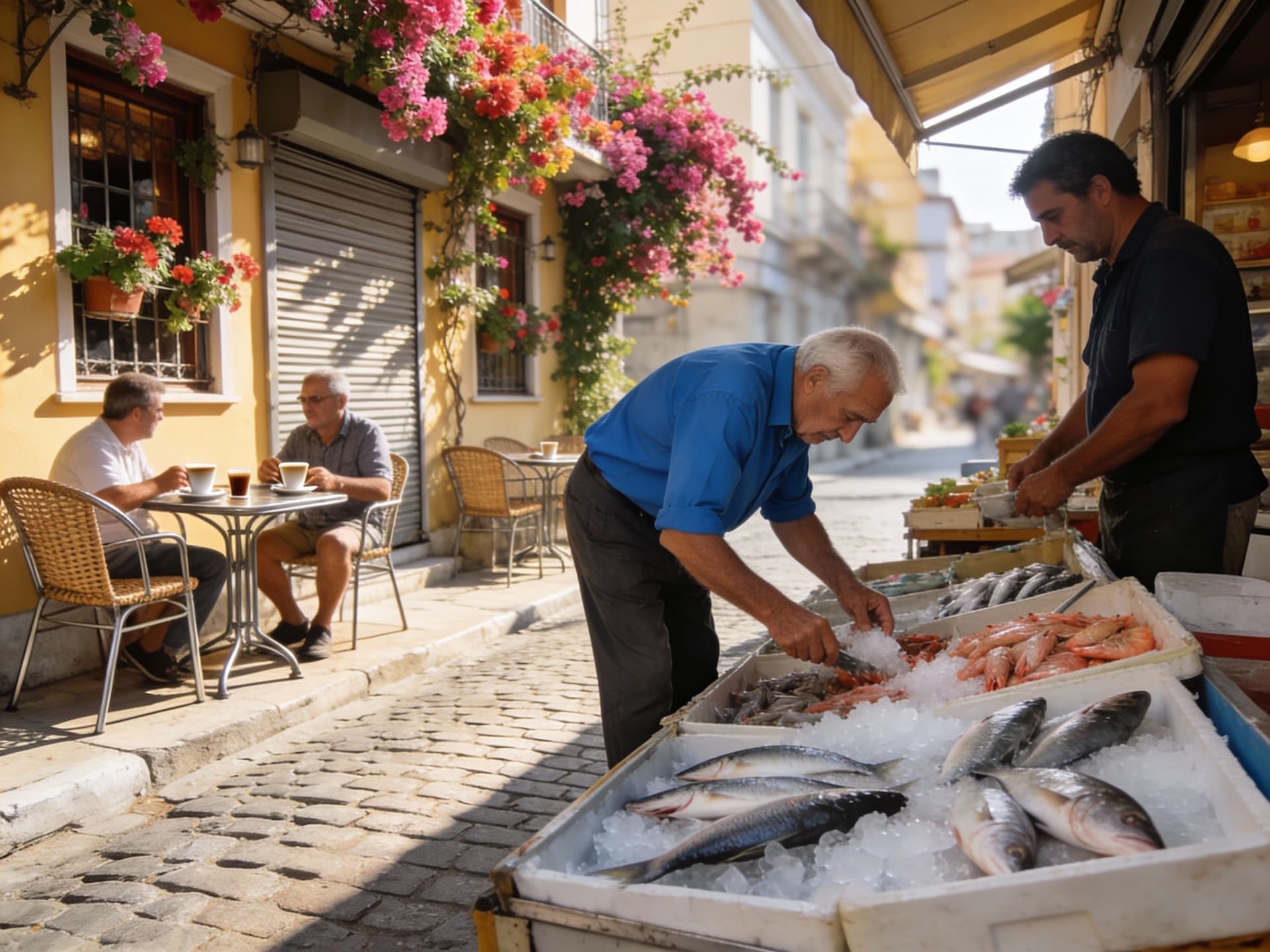
Mornings in Greece are small rituals: a cheiro (short coffee) in Koukaki, a market run in Chania, or a walk along Glyfada’s beachfront before the sun gets hot. Streets are layered with history—stone alleys, Byzantine churches, cedar-shaded squares—yet life feels terraced toward the outdoors. For buyers, these everyday patterns matter because they determine how a home is used: balconies become living rooms, rooftops seed herb gardens, and shaded courtyards are lifelong meeting points. Sense of place is not decorative here; it dictates layout, orientation, and which sustainable features (rainwater capture, cross-ventilation) actually improve daily life.
Neighborhoods that define the rhythm
Athens offers a surprising intimacy in neighborhoods like Koukaki and Pangrati—quiet mornings, lively kafeneia, and easier access to local services—while Plaka and Monastiraki deliver history at every doorstep but face heavy tourism pressure. On the islands, Naxos feels agricultural and grounded with family-run tavernas, while Hydra and Mykonos tilt toward social seasons and design-led homes. Coastal towns like Nafplio blend Venetian stone and seaside promenades; Crete’s villages are about year-round community and farm-to-table living. These differences shape what you’ll actually use in a house: a chestnut tree and storage room for preserves in Crete, or insulation and shutters for windy Cycladic climates.
Food, markets and the social architecture of place
Weekends in Greece revolve around food landscapes: morning markets—Varvakios in Athens, Chania market on Saturdays—where you buy fish, herbs and cheeses that anchor seasonal living. Dinner is communal and late, so kitchens are social hubs; outdoor terraces become dining rooms half the year. For property seekers, proximity to markets and a kitchen worthy of convivial cooking are higher-value lifestyle features than a pool in some contexts. Local artisans—stonemasons on Tinos, carpenters in Epirus—value traditional materials, meaning restored stone houses often feel more authentic and sustainable than glitzy new builds.
- Lifestyle highlights to scout in person
• Morning coffee spots: Kafeneio Phaus (Koukaki), To Omorfo Tavernaki (Naxos town) • Markets & provisions: Varvakios Central Market (Athens), Chania Municipal Market • Quiet seaside promenades: Varkiza boardwalk, Nafplio’s Peloponnese waterfront • Traditional craft hubs: Tinos marble ateliers, Zagori stonework villages • Green-leaning communities: areas with active farmers’ markets and community gardens
Making the move: practical choices with lifestyle in mind
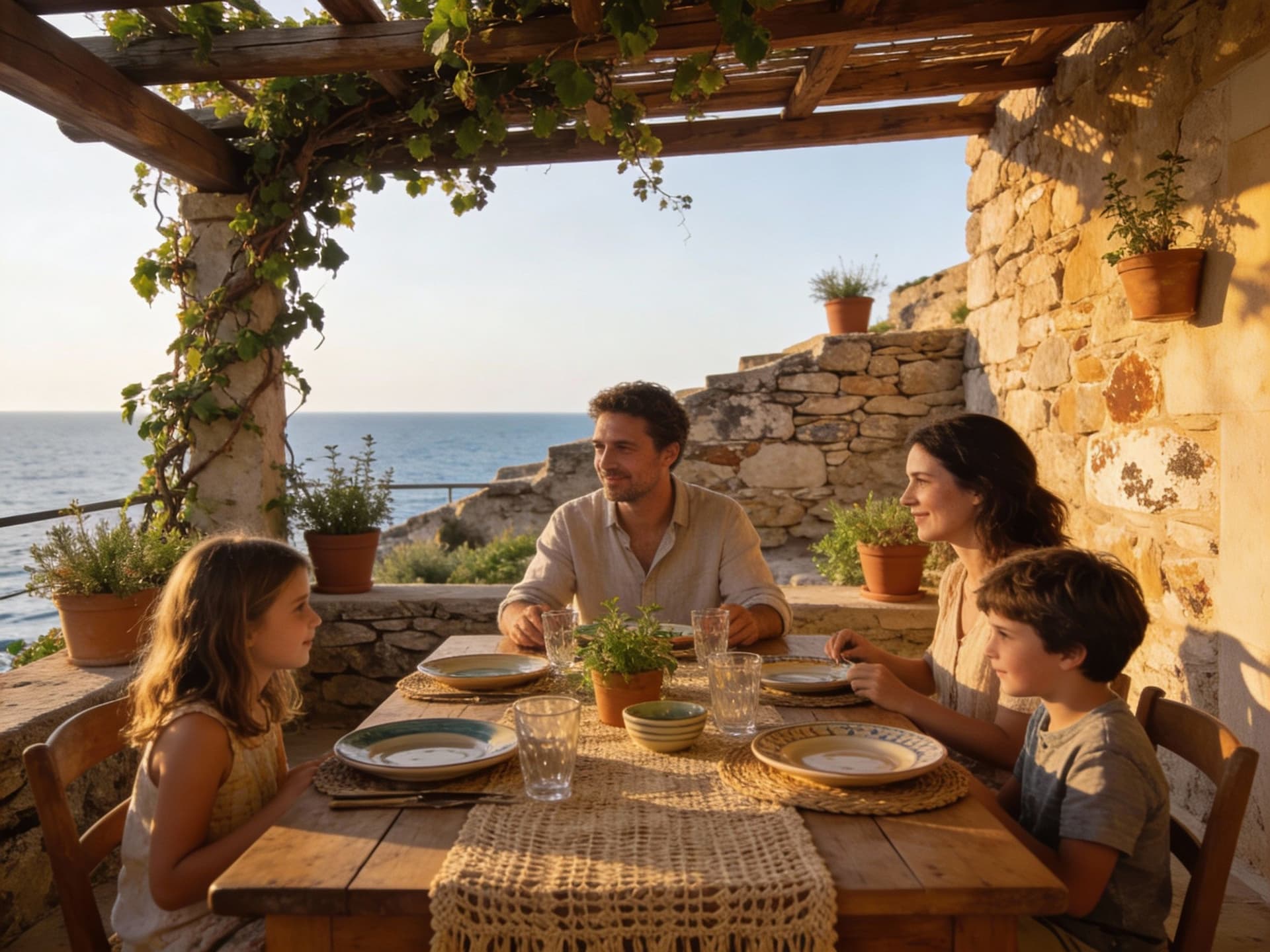
Dreams meet the market at the moment you sign an offer. Greece’s house price indices and real residential price growth show steady gains in recent years, which means buying is as much about timing and location as it is about charm. Use official indices to test whether a neighborhood’s price trajectory matches your intentions—long-term living versus short-term rental income. Consulting up-to-date HPI figures from central sources helps you avoid emotional overbidding and aligns lifestyle wants with realistic expectations.
Property styles that match how you’ll live
Stone village homes in the Peloponnese or Zagori suit buyers seeking connection to land and seasonal rhythms; thick walls, small windows and deep porches keep interiors cool in summer and cozy in winter. Cycladic whitewashed houses favor outdoor terraces, pergolas and cross-breezes—perfect if your days are beach-led. In Athens, neoclassical apartments bring high ceilings and balcony life; look for buildings with solar-ready roofs and communal gardens if sustainability matters. Match form to function: choose thermal mass and passive cooling for islands, and insulation plus double glazing for winter-prone mainland areas.
Working with experts who honour place
1. Hire a local agent who can read lifestyle cues—not just price: they’ll show you which streets are mornings-only markets and which become ghostly off-season. 2. Vet architects or restorers experienced in traditional materials; ask for past projects that preserved stone and timber detail while adding discreet insulation. 3. Check utility and renewable options: roof orientation for solar, water storage potential, and local recycling arrangements. 4. Visit in two seasons to test wind, heat and community life—summer calm on an island can mask winter isolation. 5. Prioritise agencies that can introduce you to local craftsmen and community groups; stewardship is local work.
Insider knowledge: the truths expats wish someone told them
Buyers often romanticise historic quarters and seaside hotspots, but locals will tell you that popularity brings tradeoffs—noise, stricter preservation rules, and political action to limit short-term lets. Plaka, for example, is under renewed scrutiny to protect resident life from tourist conversion, which can affect rental income prospects and renovation permissions. That’s why I recommend blending emotional appeal with cold verification: confirm zoning, talk to neighbours, and test a street for a week. Sensible stewardship means choosing places where you can both belong and leave a positive footprint.
Cultural integration: small rituals that build belonging
Learn a handful of phrases—greeting an elderly neighbour with “kalimera”, asking a market vendor about the catch of the day—and you’ll be received as someone who cares. Join local initiatives: olive harvests, church feast-days, or community garden afternoons; these are where lasting relationships form. Expect bureaucracy to be patient and slow; patience is part of the social contract here. The more you invest socially, the more a place opens up practical help for renovations, permits and local recommendations.
Long-term lifestyle realities to budget for
• Expect steady price appreciation in central Athens and favored islands; use official HPI data to verify projections. • Factor in maintenance for traditional materials—stone and timber need local craftsmanship, which commands premium time and care. • Seasonal service costs (heating, water pumping, ferry logistics) can alter annual budgets significantly. • If you plan rental income, watch evolving regulation on short-term lets and the Golden Visa framework; policy shifts change yield math.
In Greece, the life you imagine—late evening walks, neighborhood cafes, community olive-press afternoons—is real and reachable, but it sits beside rules, market forces, and seasonal realities. Start by living a few weeks in your target neighbourhood across different seasons, consult HPI and official data, and build relationships with local agents and artisans who share stewardship values. When you pair poetic imagination with due diligence, you won’t just buy property—you’ll inherit a rhythm of life and a community to care for. If you’re ready to explore options that match both your ecological standards and your daily desires, a local, stewardship-minded agency can show you not just houses, but the life that grows around them.
Moss & HearthBritish expat who traded Manchester for Mallorca in 2017. Specializes in guiding UK buyers to luxury Spanish estates with clear navigation of visas and tax.
Related Articles
More insights that might interest you
 Villa Curated
 Villa Curated
 The Yieldist

