Why Summer House‑Hunting in Italy Misleads Buyers
Summer seduction in Italy can hide year‑round realities: tourism, short‑term rentals and staged listings inflate summer impressions—visit off‑season and use data.
 Moss & Hearth
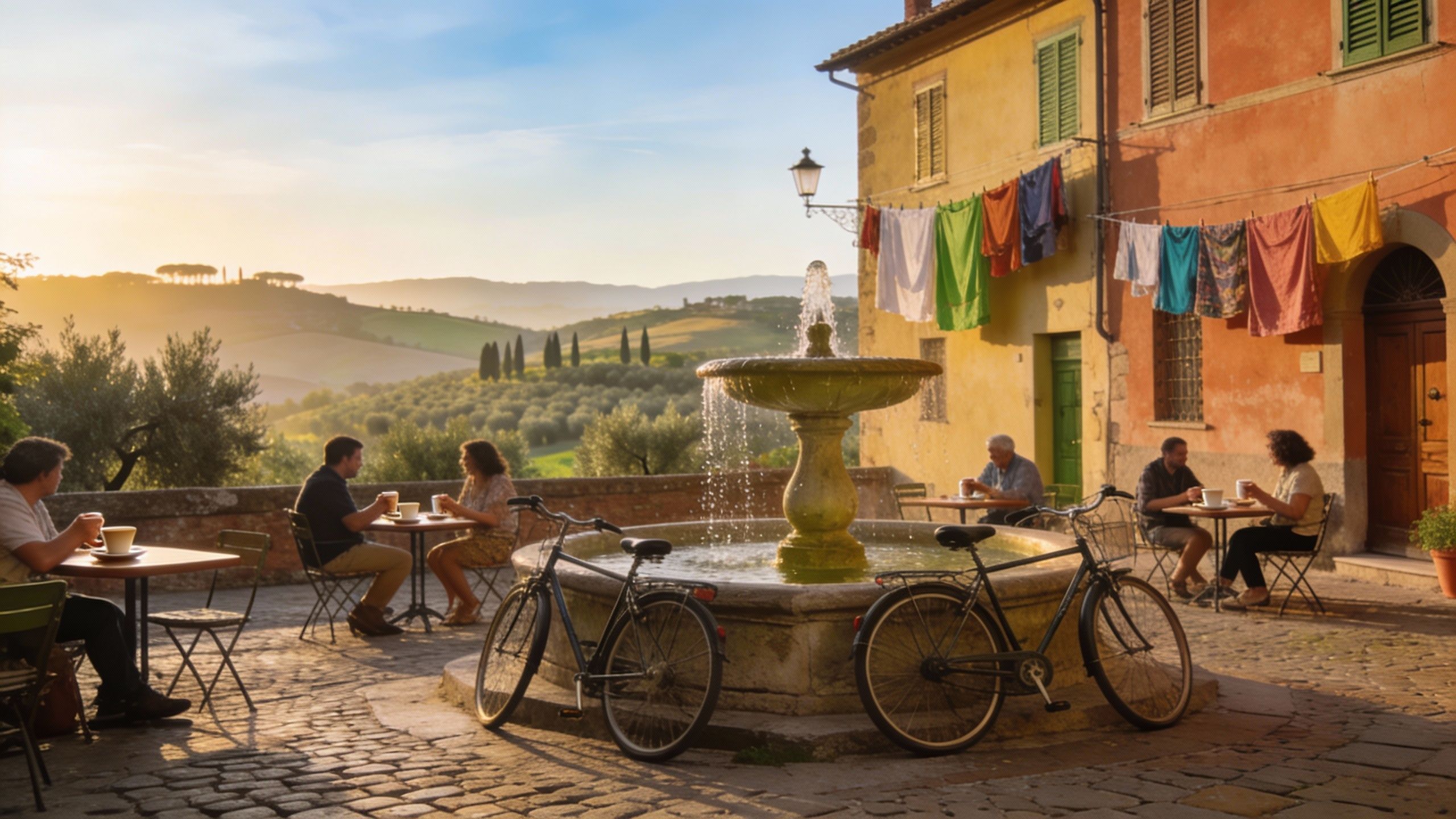
Imagine morning light over a small piazza in Tuscany, the smell of baking bread, and a neighbour calling "Buongiorno" as you carry coffee across a cobbled street. That sunlit clarity makes summer feel like the perfect time to fall in love with an Italian house. But what you see in August—crowded markets, inflated asking prices, and staged visits—can be misleading. This piece explains why summer house‑hunting in Italy often tells the wrong story, and how a season‑aware strategy will help you find a home that fits both the life you crave and the long game of stewardship.
Living the Italian Rhythm — what summer conceals
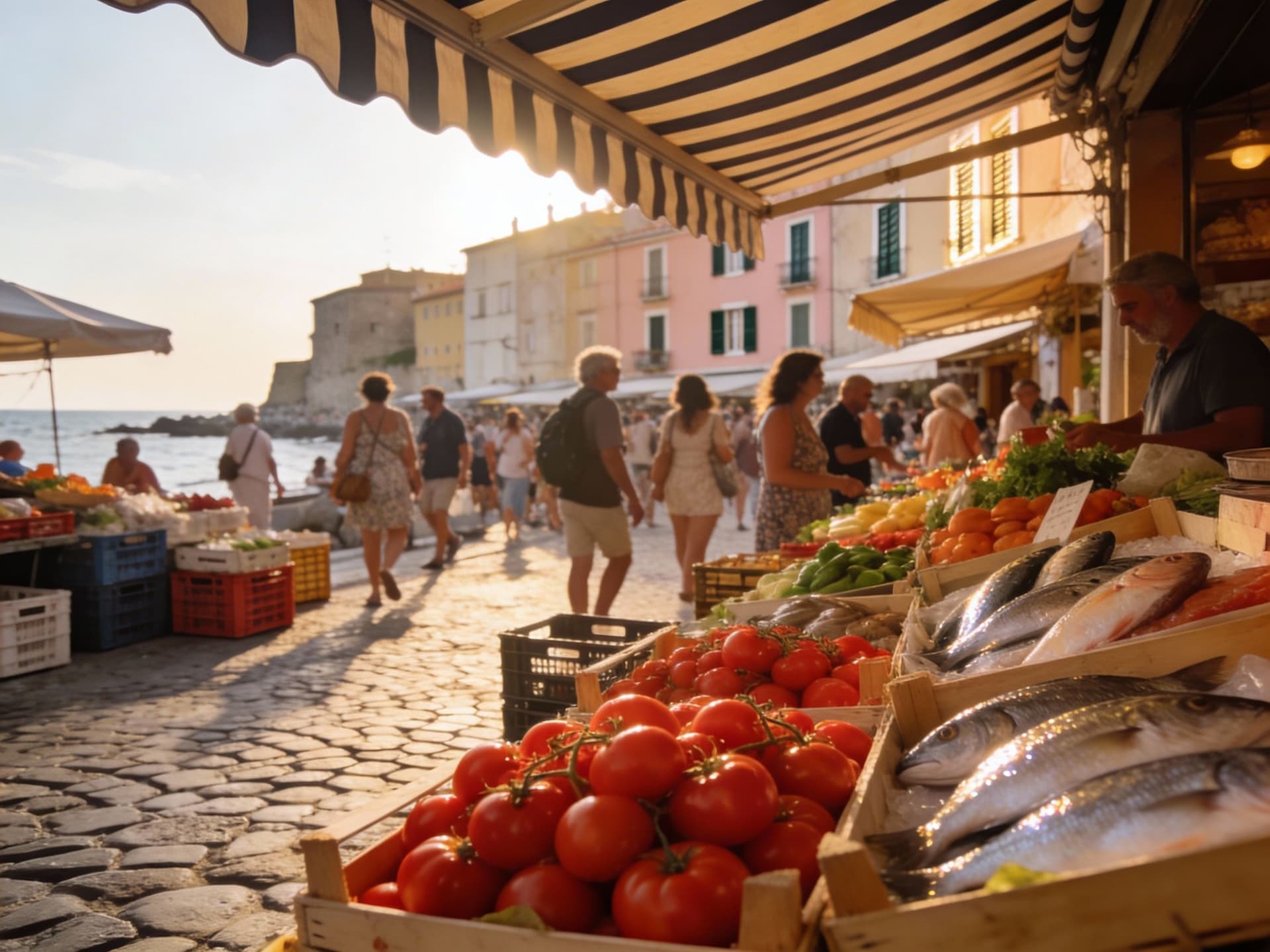
Italy in summer is alive in a way few countries are: festivals spring up across villages, markets bloom with tomatoes and peaches, and coastal towns become animated stages of local life. Those scenes are real—but they are also seasonal. National statistics show huge summer peaks in tourist presence, especially June through August, which temporarily alter neighbourhood rhythms and the profile of available properties. For a buyer seeking a sustainable, rooted life rather than a holiday snapshot, understanding that seasonal mask is essential.
When piazzas feel like stages: city and coast during peak months
In Rome and Venice the streets fill with visitors who pay top asking prices for short‑term stays, and along the Amalfi Coast or Cinque Terre private owners often prioritise tourist rentals over long‑term neighbours. That means the properties you view in summer may be staged and rented out for peak rates, giving sellers less incentive to negotiate and obscuring the true ownership mix of a street. Buying with a summer-only impression risks joining a market that behaves very differently from September to May.
A countryside mirage: restored farmhouses and seasonal gardens
A sunflower field and a restored stone farmhouse look irresistible in July, but that lushness can hide year‑round realities: winter damp, heating needs, and the upkeep of land that thrived on summer irrigation and seasonal help. Farms and rural homes require a different relationship to the seasons—one that only becomes clear after a full annual cycle. If you fall in love in summer, build a checklist that tests a property across all seasons before committing.
Making the move: practical seasonal realities for buyers
Summer can disguise market mechanics. Reduced inventory in hot areas, high short‑term rental demand and staged showings can push asking prices and make negotiation feel futile. Market data from recognised portals shows how stock and price trends shift through the year: some towns display fewer listings in summer because owners convert homes to holiday rentals, while asking prices in popular months can be firmer than in shoulder seasons. For an international buyer, timing your decision with data—rather than the instant romantic pull of a July afternoon—protects both wallet and lifestyle dreams.
Property types and how seasonality alters value
Seaside apartments, hilltop villas and restored farmhouses all respond differently to peak seasons. Coastal flats often command premium summer rents and see more short‑term offers; urban apartments in art cities may be more stable year‑round but can be affected by tourist overcrowding; rural homes show their maintenance needs most clearly in winter. Think about how you want to live—quiet off‑season months or lively summer months—and let that preference guide which property type you prioritise.
Steps to test a property across seasons
1. Visit in at least two seasons (summer and winter) to judge noise, heating, and access. 2. Ask the owner or agent for utility bills and past winter photos to check damp and insulation. 3. Speak with neighbours and a local caretaker about road access and services year‑round. 4. Work with an agent who monitors off‑season listings and can arrange behind‑the‑scenes visits. 5. Compare asking prices with historical monthly listing data to spot seasonal premiums.
Insider knowledge: what expats wish they'd known
Expats often tell the same story: they fell for a summer setting, only later to discover nightlife, services, or weather made daily living different from the holiday ideal. Language quirks, local opening hours (many shops close in August afternoons) and the cadence of village life shape how you inhabit a place. Those small cultural rhythms matter as much as roof tiles and solar panels when you want a home that supports ecological living and community integration.
Integration, language and community life
Learning a few phrases, joining a local volunteer group or attending the patronal festa are practical ways to root yourself. In many towns, local life pauses in August for holidays—the so‑called "Ferragosto" lull—so you may miss key introductions if you only arrive then. Plan visits around local calendars and ask agents about community life beyond tourist seasons to find neighbourhoods where you can truly belong.
Practical checks that reveal year‑round suitability
• Check public transport schedules off‑season; many regional buses reduce frequency in winter. • Request recent utility and condominium bills to understand heating and service costs. • Visit the local mercato on a weekday to see how resident life operates. • Ask whether the area has reliable broadband—essential if remote work is part of your plan. • Confirm property access in bad weather (unsealed roads, seasonal ferries, and snow can change mobility).
Conclusion: Fall in love—but verify with seasons. Let summer ignite your imagination, but structure a buying path that brings you back in a quiet month, leans on local data and experienced agencies, and tests the property across at least two seasons. An agent who knows both the summer sparkle and the winter rub will help you steward a home that lives beautifully year‑round—ecologically, socially and economically.
Moss & HearthNorwegian market analyst who relocated from Oslo to Provence; guides investors with rigorous portfolio strategy and regional ecological value.
Related Articles
More insights that might interest you
 Villa Curated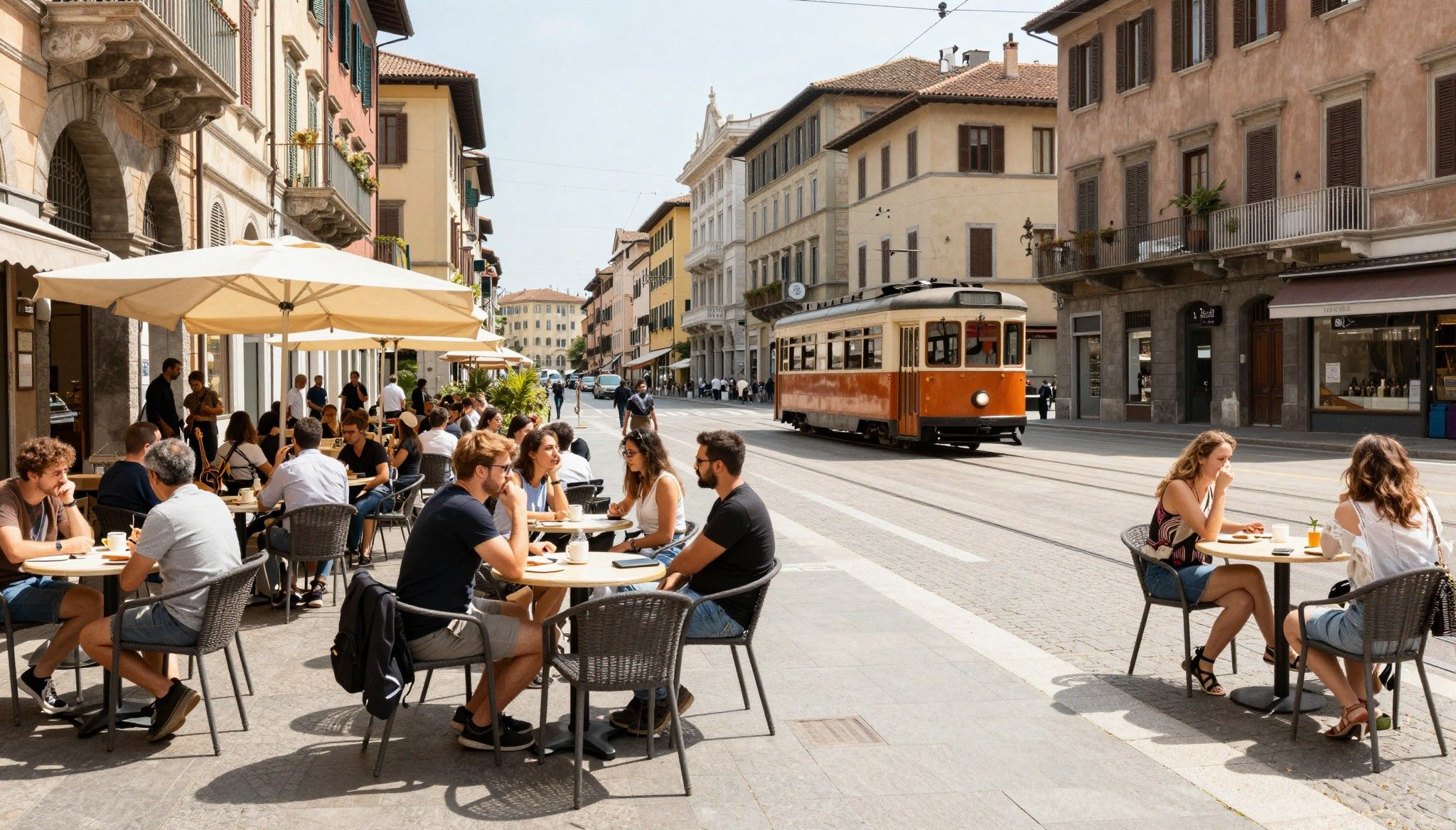
 The Yieldist
 The Yieldist

