Italy: Fall for Life, Then Read the File
Italy sells a life, not just houses—choose places that match daily routines, test seasonality, and pair lifestyle priorities with local experts and up-to-date market data.
 Ashworth & Drake
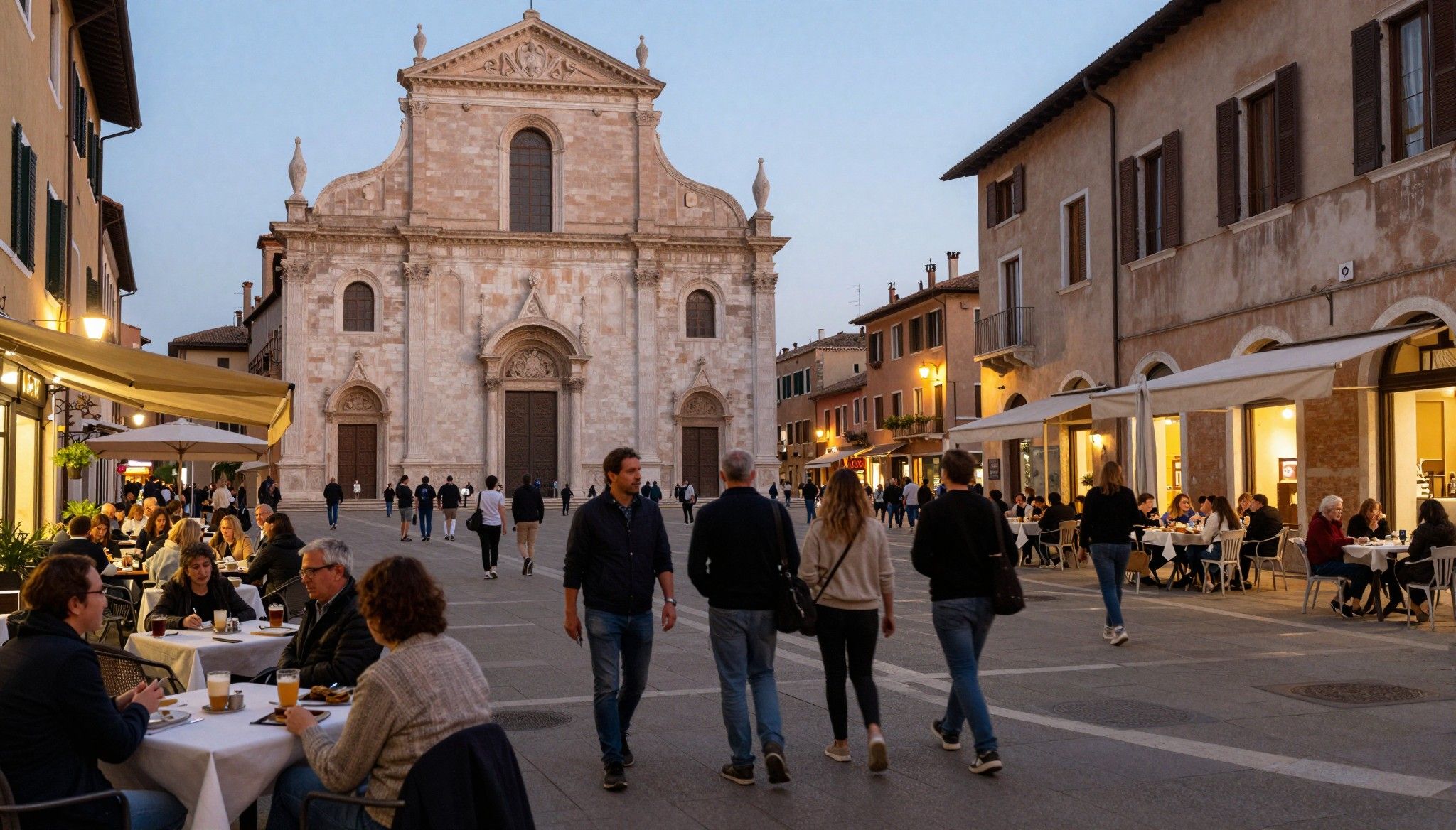
Imagine sipping morning espresso on a sun-warmed palazzo step in Lucca, then driving an hour to a rocky Mediterranean cove for an afternoon swim. Italy lives in contrasts — marble and mortar, slow piazza time and kinetic city life — and those contrasts shape what you buy and how you live.
Living the Italian lifestyle — what draws people here
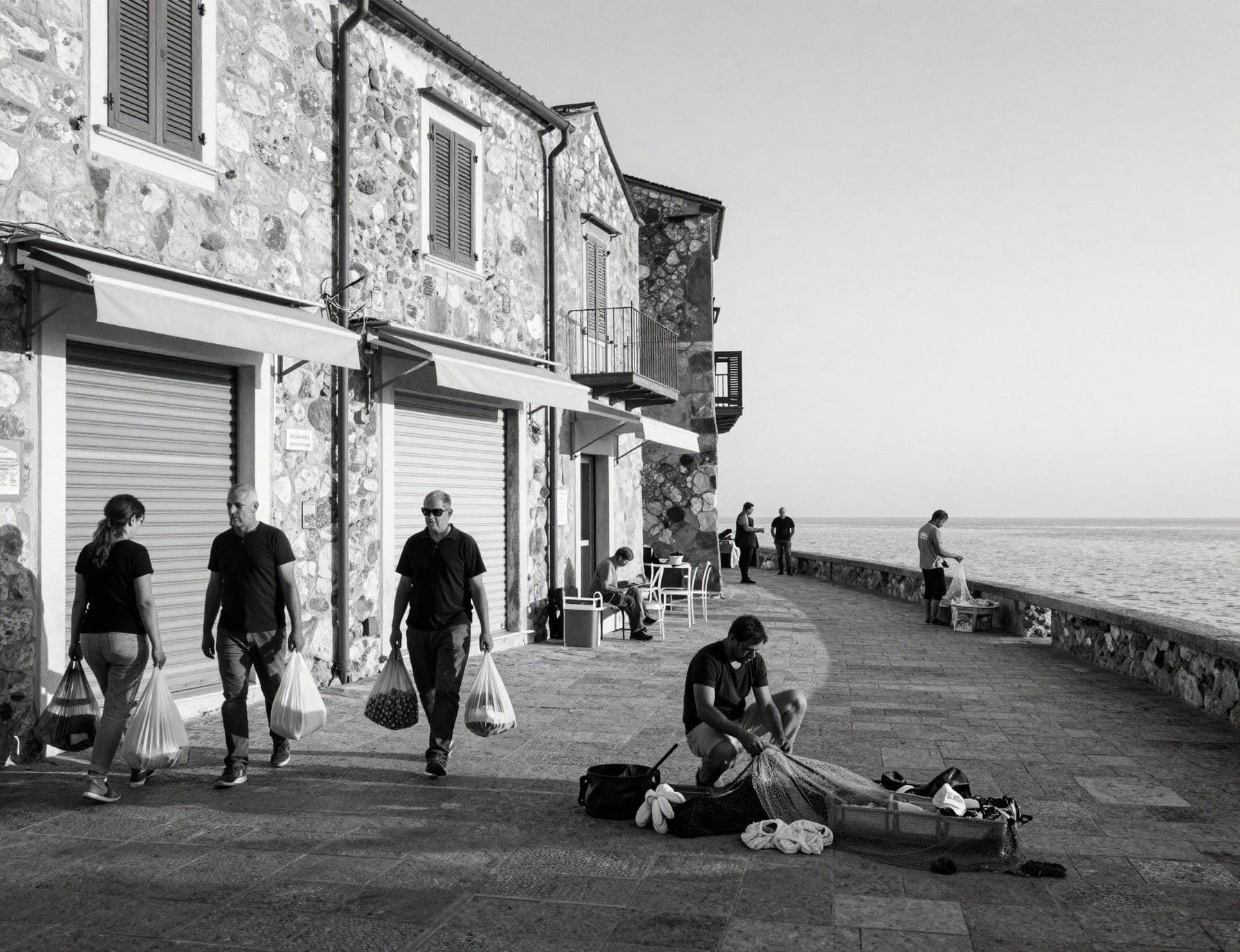
Life in Italy is tactile: the smell of fresh bread in a narrow street, the rude kindness of a barista in Trastevere, late dinners that stretch into the blue. These daily rituals matter for buyers because they define neighbourhoods and, ultimately, property value — not just square metres but how you feel in a place. Recent national data shows gentle price growth and steady foreign interest, a backdrop that makes lifestyle choices central to purchase decisions.
City cores: Rome, Milan, Florence — history that lives
If you want the pulse — narrow streets, espresso bars at 7am, museums on your doorstep — aim for central Rome (Trastevere, Monti), Florence (Oltrarno), or Milan (Brera, Navigli). Apartments here are often in historic buildings with high ceilings and small terraces. Expect quirky layouts and great walkability; maintenance and renovation budgets follow the charm.
Coastlines and islands: Liguria, Amalfi, Sardinia — sea as a lifestyle
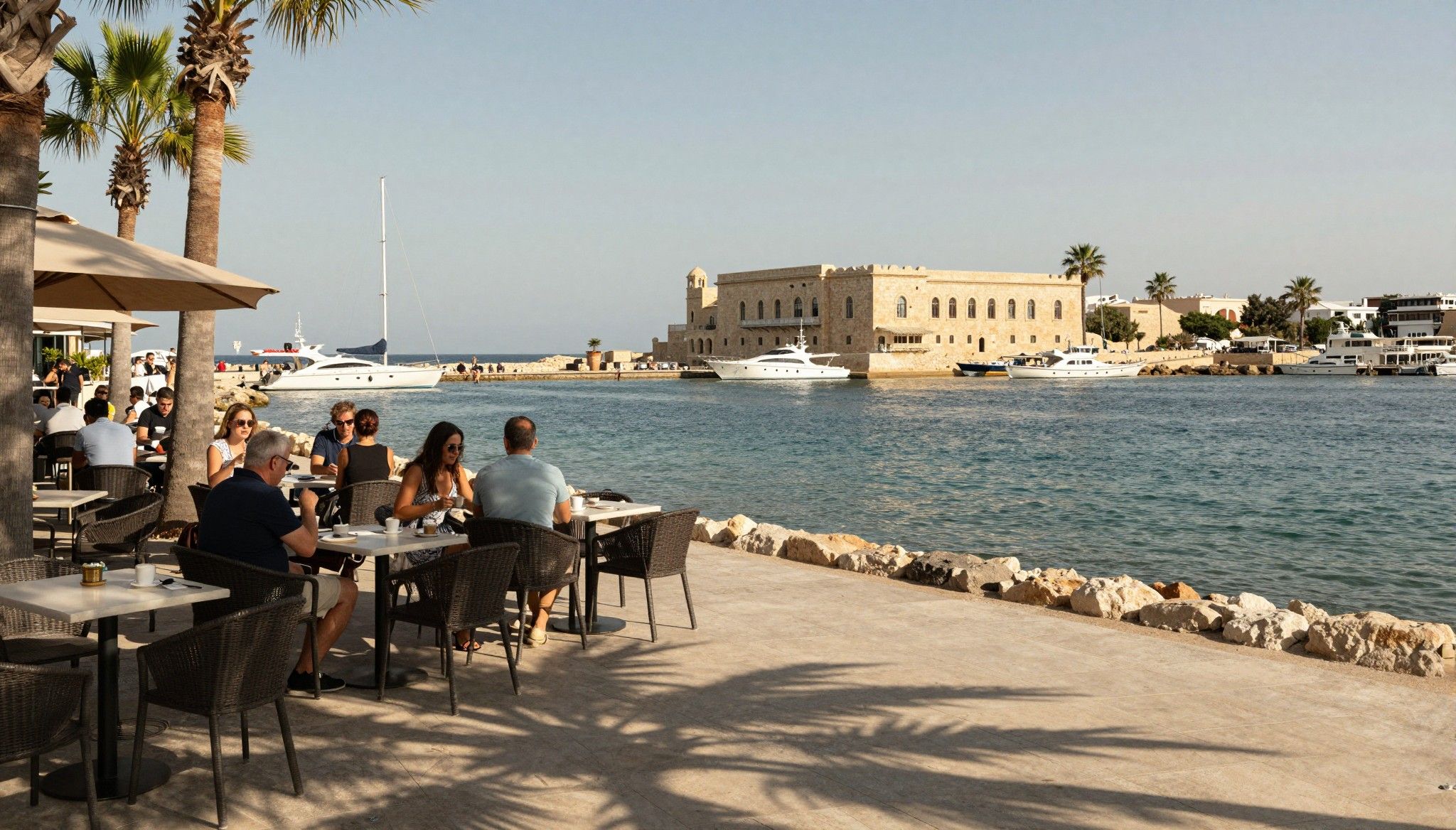
The Italian coast rewrites your calendar: mornings on a rocky beach near the Cinque Terre, aperitivo watching the light change on Positano, or quiet winter walks on Sardinia’s south coast. Coastal homes trade on views and outdoor space; many international buyers choose summer-ready terraces and small gardens over larger indoor footprints.
- Lifestyle highlights to picture before you buy: • Morning espresso at Bar Pasticceria Neri (Lucca) or a walk along Lungarno in Florence • Mercado trips to Mercato Centrale (Florence) and Campo de' Fiori (Rome) • Sunset aperitivo along the Amalfi Coast or Ligurian promenades in Santa Margherita • Seasonal festivals: palio races, local sagre, and truffle fairs that shape community life
Making the move: practical considerations that match the lifestyle
Lifestyle vision should drive the search, but the paperwork decides whether it becomes real. Taxes, residency status and regional quirks matter. For example, buying a countryside farmhouse means permits and renovation timelines; a central apartment requires attention to building consortia rules and historic-preservation restrictions. We lean on concrete documents and local agents who understand both life and legal nuance.
Property types and how they shape daily life
Want morning bustle? Choose a palazzo flat with a tiny balcony and quick access to cafés. Want slow summers? Look for a stone villa with a courtyard in Tuscany or Puglia. New-build coastal condos give maintenance and amenities but can feel generic; historic homes offer soul and quirks — and the repair list that goes with them.
Working with local experts who know where life happens
A bilingual agent who lives the neighbourhood will find the cafés, the noisy street on market days, and the off-season rhythms that listings rarely mention. They also negotiate community rules and renovation timelines. Choose someone with local seller relationships and a clear track record of helping internationals settle in.
- Practical steps that blend lifestyle and logistics: 1. List the three lifestyle must-haves (cafe, sea access, green space) and prioritise them before price. 2. Ask agents for an off-season visit or a week-long stay to test rhythms. 3. Check building covenants and renovation permissions with a notary early. 4. Get a written estimate for recurring costs (condominium fees, heating) and seasonal utilities. 5. Confirm emergency services, medical access and schooling if you plan longer stays.
Insider knowledge — what expats wish they'd known
Expat buyers often report the same surprises: seasonal life is real (many towns quiet dramatically between November and March), local bureaucracy moves at its own pace, and community acceptance matters as much as location. Small gestures — learning a few phrases, shopping locally — open doors faster than any price negotiation.
Cultural integration: language, community and daily rhythms
Italian towns reward patience: baristas remember names, neighbours share produce, and local councils hold seasonal events. If you want to be part of that, budget time for repeat visits and invest in local language basics. That social capital not only improves life — it protects value too.
Long-term considerations: seasons, maintenance and market signals
- Key long-term factors to check: • Seasonal occupancy risk — coastal towns can halve population outside summer months • Renovation restrictions in historic centres that add months to projects • Local taxation and annual municipal taxes (IMU, TARI) that affect carrying costs • Regional demand shifts — cities show steady foreign interest while some rural areas lag
Conclusion — fall in love, then read the file. Picture your life here first: the café, the market loop, the seaside afternoons. Then pair that vision with a local agent, a notary, and up-to-date market data. That combination — lifestyle clarity plus rigorous local advice — is how you move from dreaming to living in Italy.
Ashworth & DrakeNorwegian market analyst who serves Nordic buyers with transparent pricing and risk assessment. Specializes in residency rules and tax implications.
Related Articles
More insights that might interest you
 Villa Curated
 Villa Curated
 The Yieldist

