Italy: Fall for the Light — Then Stress‑Test the Yield
Italy sells lifestyle, but buyers who pair sensory discovery with ISTAT data and street‑level yield models capture both joy and return.
 The Yieldist
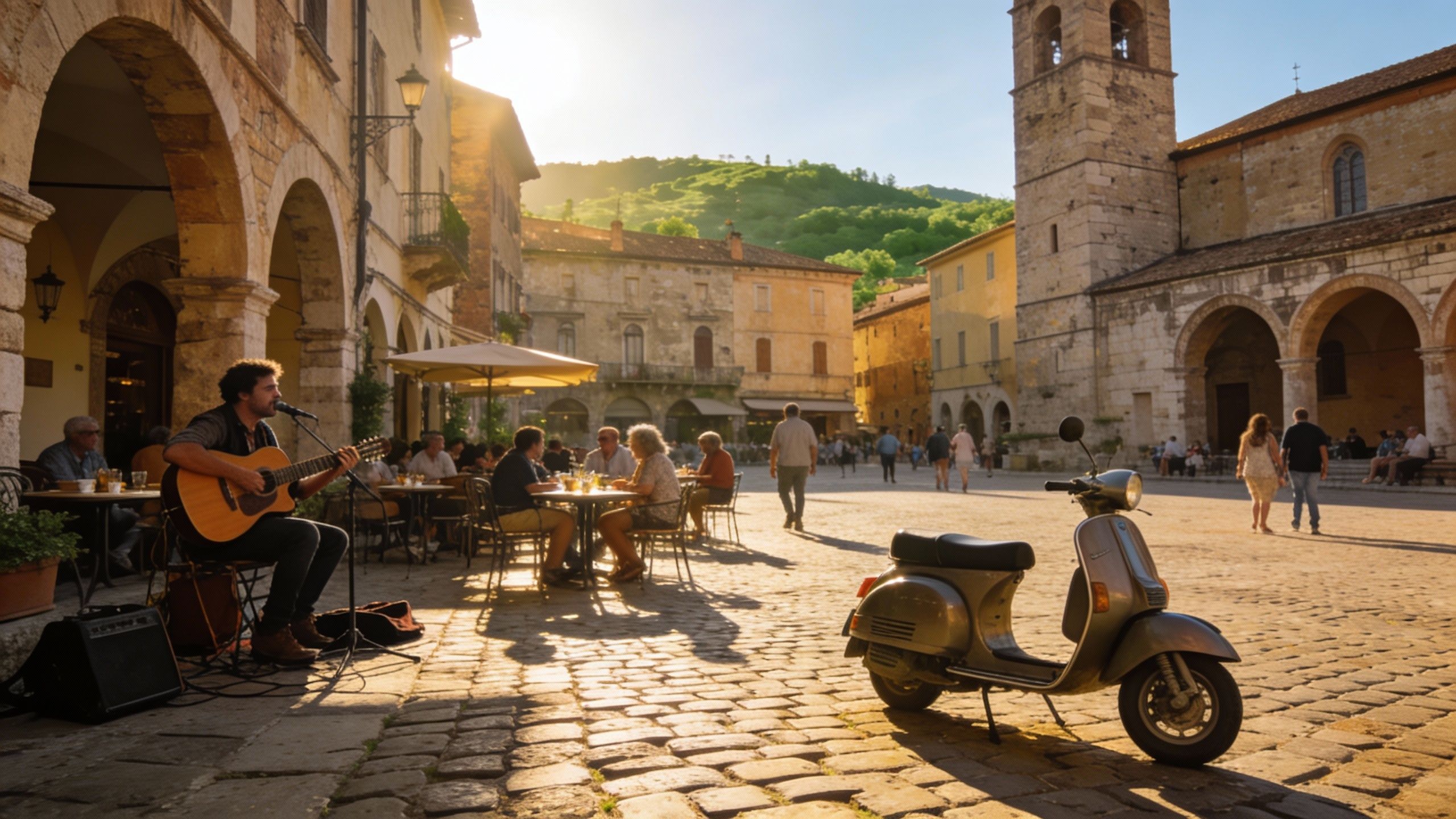
Imagine sipping a cortado at 9am on Via dei Coronari in Rome, stopping at an osteria for a late-afternoon glass of Verdicchio in Ancona, then cycling past terraced vineyards in Langhe at sunset. Italy’s cadence — markets, piazzas, seasonal festivals — shapes daily life in ways that directly affect where international buyers want to own. This piece begins with how Italy feels, then pivots to hard market signals you need before writing an offer.
Living the Italy lifestyle — sensory, local, specific

Italy is a collage of microcultures: coastal towns where the day opens and closes around the sea, medieval centres where courtyards and narrow lanes create year‑round tenancy demand, and alpine valleys that turn into active‑season second‑home hotspots. Living here is about place-specific rhythms: morning espresso rituals, weekly mercato bargains, and summers that push life outdoors onto terraces and squares.
Neighborhood snapshot: Trastevere (Rome) and the reality behind the postcard
Trastevere’s cobbled lanes and trattorie look like travel posters, but the area also has reliable year‑round rental demand from students and young professionals because of its proximity to universities and hospitals. That mix smooths seasonal volatility — useful if you plan to rent short‑term or long‑term.
Food, markets and micro‑economies: Palermo’s Ballarò to Emilia’s food halls
Weekend markets are not tourism props — they are livelihoods. In Palermo’s Ballarò you’ll meet long‑standing vendors whose stalls anchor neighbourhood life; in Bologna the archways and food halls draw professionals and students, keeping core central flats in demand for well‑priced rentals.
Lifestyle highlights (places to sample the lifestyle, and why they matter for property): • Trastevere, Rome — consistent tenancy from students and service workers. • Navigli, Milan — canals, nighttime economy, high short‑term demand. • Centro Storico, Florence — tourists plus year‑round artisans supporting mid‑term lets. • Langhe (Piedmont) — vineyard estates suited to seasonal hospitality and premium capital growth. • Amalfi Coast villages (Praiano, Minori) — high season demand but pronounced seasonality.
Making the move: practical considerations that preserve lifestyle and yield

You can fall for the light on a Tuscan hill, but price trajectories, rental yield profiles and demand seasonality decide the investment outcome. Italy’s national house price index showed modest annual rises in 2024–25, but trends vary widely by region and property type; rely on regional data, not national headlines. See ISTAT’s quarterly releases for the baseline HPI series when comparing locations.
Property types that match the life you want
Historic centre apartments are compact, with strong tourist appeal but higher maintenance and stricter heritage rules. Country villas offer outdoor space and rental potential for experience tourists but require management. New builds in Milan or Bologna deliver modern systems and easier landlord‑tenant logistics — attractive for yield‑first investors.
Work with local experts who translate lifestyle into numbers
A local agency should deliver neighbourhood comparables, expected net yields, and realistic occupancy assumptions. Average gross yields in Italy vary by city — sources such as Global Property Guide show multi‑city yield spreads — and a trusted local advisor converts those gross figures into net yields after taxes, management fees and seasonality adjustments.
Practical steps that blend lifestyle and investment (ordered): 1. Define use case: primary home, long‑term let, or seasonal short‑let. 2. Pull 12‑month occupancy and price comparables from at least three local sources. 3. Model net yield: rent, vacancies, 20% operating buffer, local taxes and management fees. 4. Inspect property in both high and low season to sense operational realities. 5. Negotiate with a timeline contingency for permits or renovations.
Insider knowledge: cultural and structural realities expats consistently underestimate
Expats often assume Italy’s charm will outweigh structural shifts. Demographic decline and internal migration are real forces for local demand; recent reporting highlights falling birth rates and youth emigration, which will concentrate demand in larger cities and desirable tourist corridors over the next decade. Factor demographics into long‑term yield projections.
Language, bureaucracy and renovation realities
Italian administrative procedures affect renovation timelines and costs: heritage restrictions can add months to approvals in historic centres, and energy‑efficiency incentives are generous but document‑heavy. Non‑Italian buyers should budget for a bilingual advisor and a 10–20% time contingency on renovation schedules.
Seasonality: when the best time to view is not during summer
Summer shows Italy at its most flattering — busy markets, full restaurants, vibrant squares. But seasonality masks long‑term operational frictions: ask to see properties in late autumn or winter to check heating, insulation and genuine year‑round occupancy; this simple habit avoids overpaying for a property that only performs in July–August.
Red flags and tactical checks before you buy: • Overly staged listings with no utility bills or local tenancy history. • Heritage‑listed façades with undocumented interior works. • Properties priced like prime cities but in low‑demand suburbs. • Limited transport links — rail connectivity materially affects demand. • Listings with high projected short‑let income but low winter occupancy.
How to stress‑test a projected yield (simple model): 1. Start with advertised gross annual rent. 2. Subtract 25–35% for taxes, management and operating costs (use local tax rules). 3. Apply a vacancy/seasonality buffer (10–30% depending on the area). 4. Divide adjusted net rent by the all‑in acquisition cost (price + closing + expected renovation).
On the data side, ISTAT’s HPI and quarterly sales volumes provide the macro backcloth; granular agency comparables and neighbourhood occupancy statistics provide the micro picture you actually transact on. Use both: macro to judge market cycle, micro to price the specific asset.
Local agency expertise: what to demand
Ask your agent for: • Three years of comparable rents and sales on the street or block. • Historical occupancy rates for short‑let listings in the building. • Copies of recent energy performance certificates and heritage constraints. • A net yield sensitivity table with three scenarios (pessimistic, base, optimistic).
The before/after: how life shifts when you buy well (and the opposite). Buy with data and you gain a neighbourhood life that matches expectations: morning markets, neighbours who are year‑round residents, and a rental stream that covers costs. Buy emotionally and you may end up with high maintenance, winter vacancies, or a home you can’t legally refurbish.
If Italy’s light drew you here, let it. But let the numbers lead the negotiation. Use ISTAT for national trend context, Local comparables for street‑level value, and a bilingual legal‑tax adviser to convert gross potential into realistic net yield. That pairing — romance grounded in analysis — is how international buyers protect lifestyle value and preserve returns.
Next steps: schedule winter and summer viewings, request three years of street‑level comps, and run a three‑scenario yield model before offering. An experienced local agency will not sell the fantasy — they will price the reality so you can buy the lifestyle without sacrificing returns.
The YieldistBritish expat who moved to the Algarve in 2014. Specializes in portfolio-focused analysis, yields, and tax planning for UK buyers investing abroad.
Related Articles
More insights that might interest you

 Villa Curated
 Villa Curated
 The Yieldist


