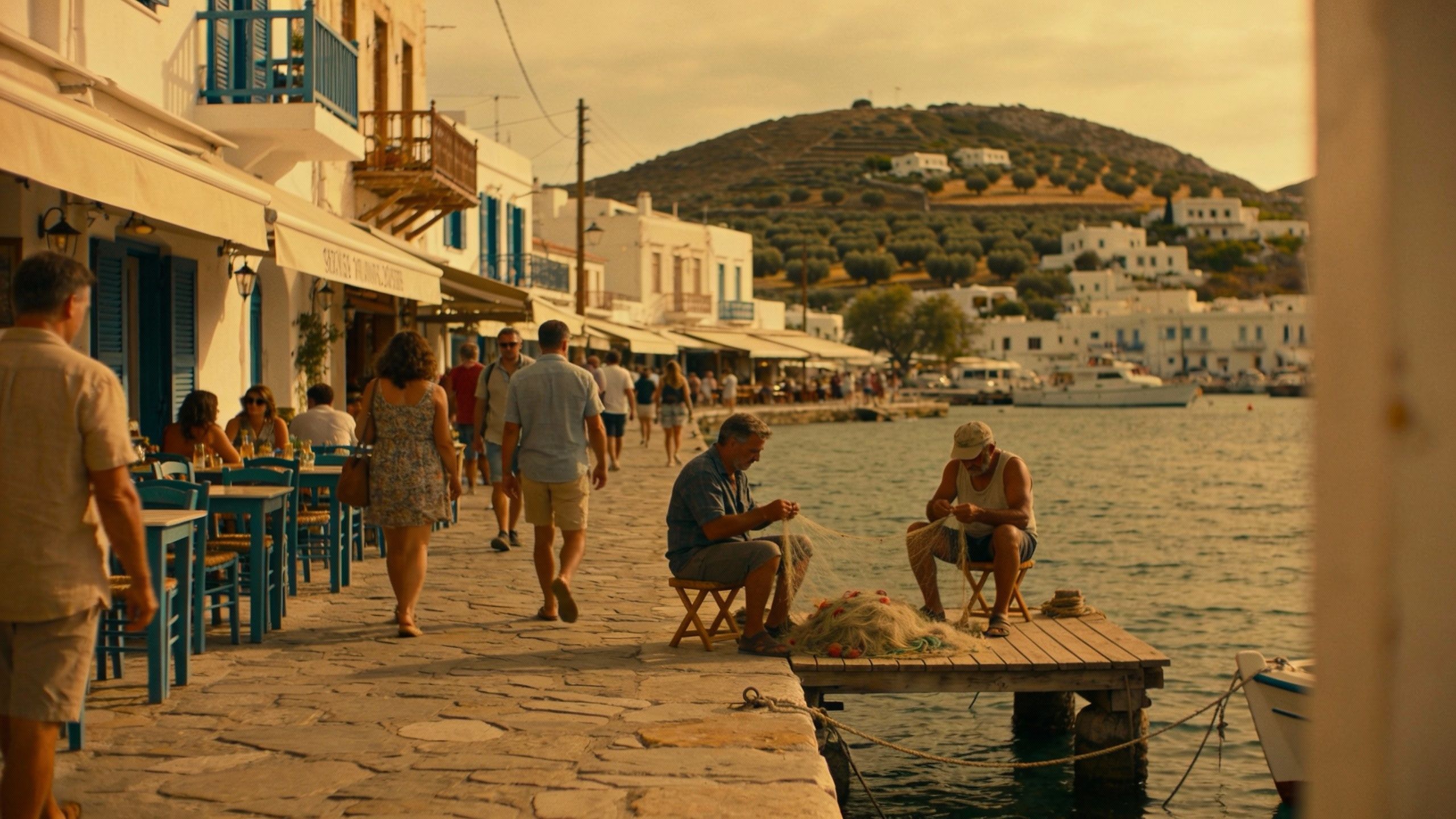
Greece: Neighbourhood Rhythms, Market Reality
Fall for Greece’s rhythms — markets, plateias and island light — while aligning lifestyle choice with legal and market realities shaped by recent Golden Visa reforms and price trends.
 Villa Curated
Imagine a late‑afternoon espresso on a narrow Athenian street, hands warmed by the cup, while a tram bell and the scent of baking bread form the background score. That ease — a neighbourhood that feels known rather than staged — is what draws many buyers to Greece. But desire and due diligence are different muscles: the life you buy here is shaped by seasons, zoning, and recent legal shifts that matter as much as a harbour view.
Living the Greece lifestyle
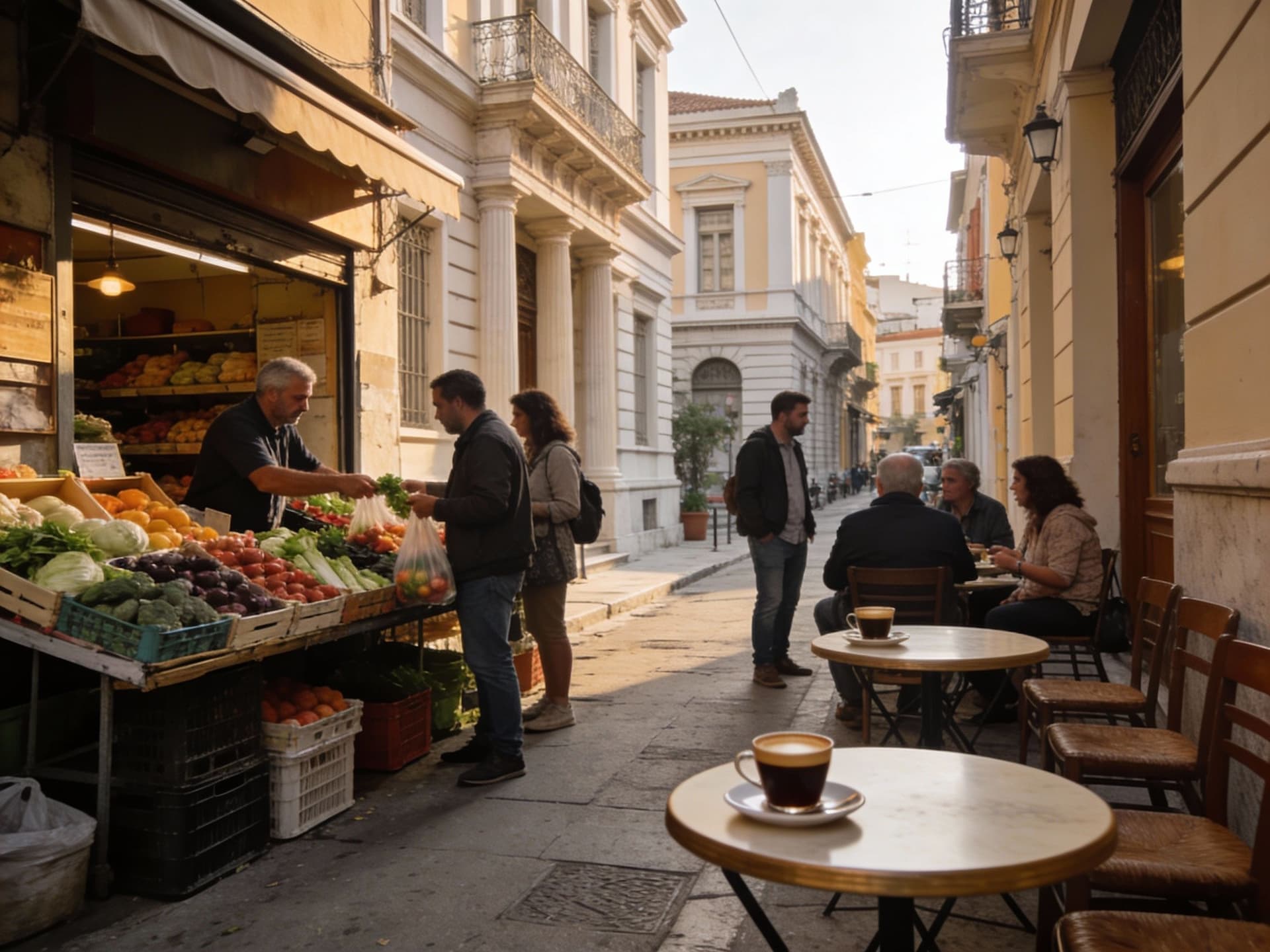
Greece is lived in layers: sunlit terraces in the Cyclades, shaded plateias in Peloponnese villages, and apartment blocks in Athens that offer both convenience and civic texture. Daily life is measured by market hours, café rituals and the rhythm of ferries rather than by strict timetables. Prices follow that texture — coastal islands and Athenian central districts command premiums, while smaller mainland towns trade on authenticity and lower square‑metre costs.
Athens: neighborhoods that balance city life and provenance
Walk from Kolonaki to Pangrati in an afternoon and you sense the subtle gradations of Athens: Kolonaki’s refined cafés, pastry shops and neoclassical facades; Pangrati’s convivial squares, Greek tavernas and quieter period apartment blocks. Each quarter answers a different desire: proximity to museums and private schools, or a smaller pied‑à‑terre where mornings are for markets and evenings for music.
Islands: the islander’s economy of time and light
On islands such as Mykonos or Santorini the day is sculpted by light: alfresco breakfasts, siesta hours in shaded courtyards and nights by lanterns near the caldera. Recent legal adjustments to residency‑by‑investment have redefined the market for many of these islands, concentrating demand and elevating entry thresholds in high‑demand zones. That intensifies competition for restored Cycladic houses but also clarifies where institutional interest is focused.
- Lifestyle highlights to look for
- Morning market in Koukaki (Athens) — fresh fish, bougatsa and neighbours who know each other.
- Sunset aperitif in Oia with caldera light and narrow pedestrian lanes ideal for strolls.
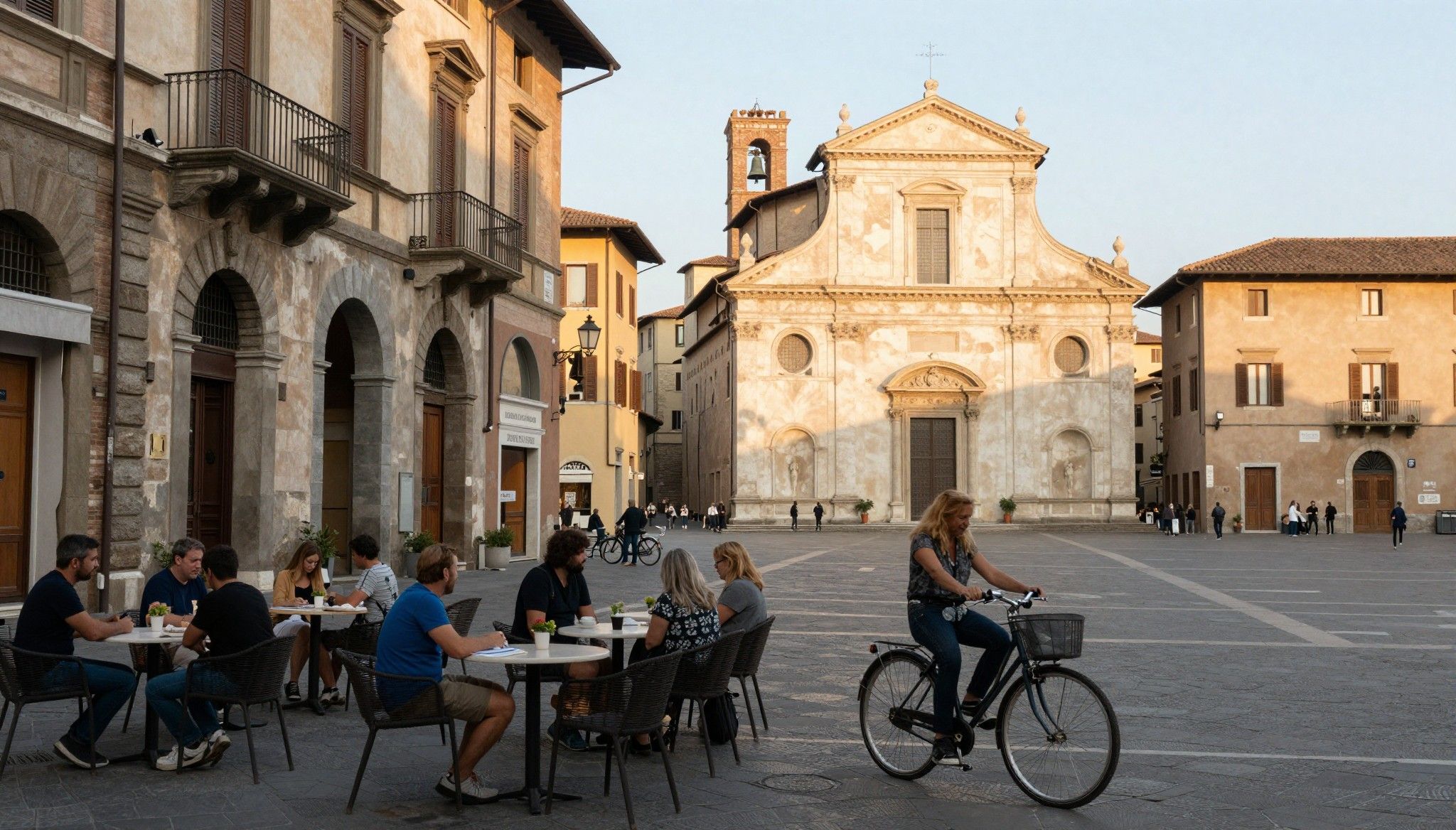
- Village plateia in Nafplio — a late afternoon coffee that stretches into conversation.
- Seafront promenades in Corfu with cafés that stay busy through the long summer evenings.
Making the move: practical considerations
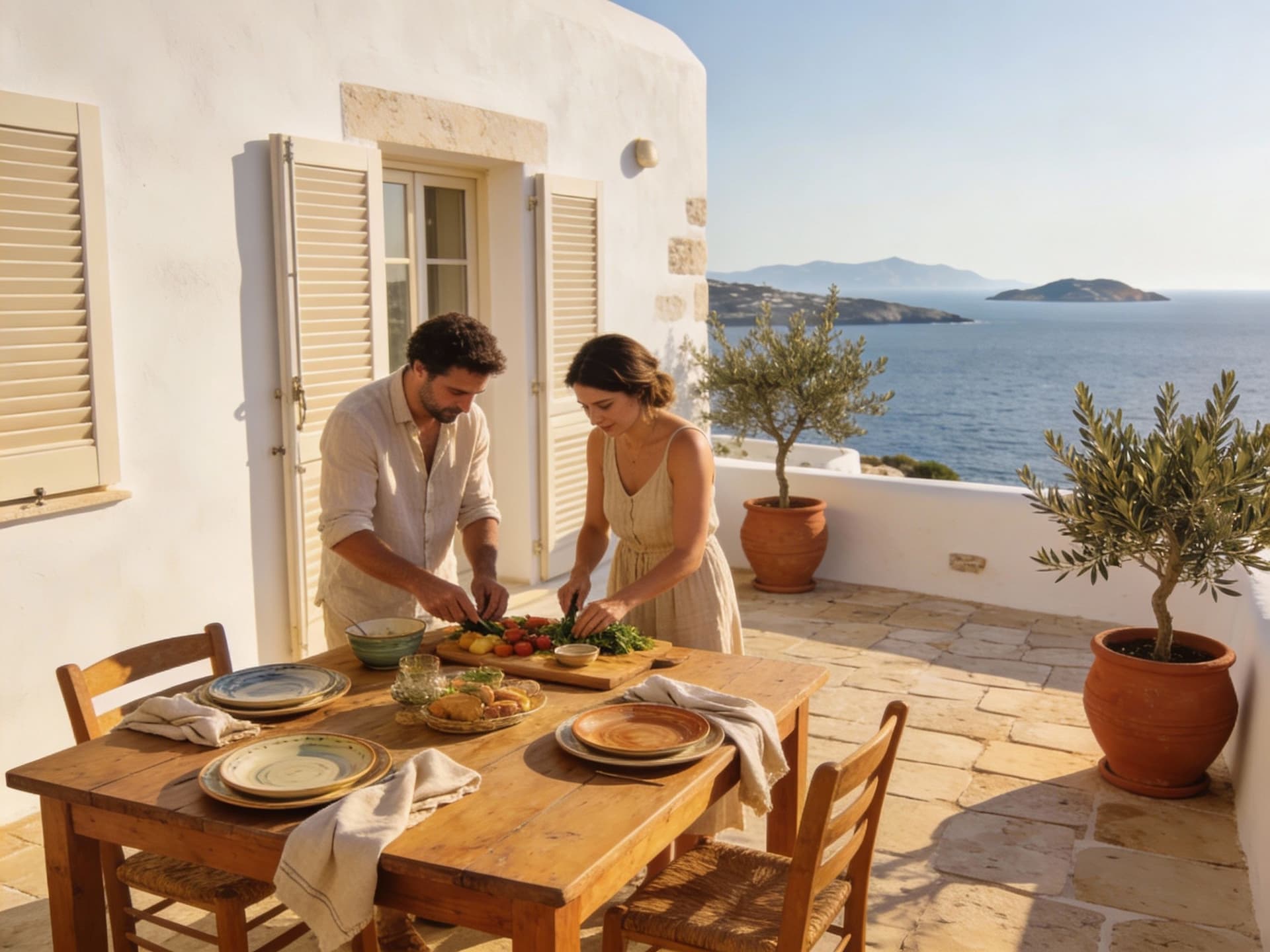
The romance of place must be paired with a clear sense of market direction. Greece’s house price index has risen in recent years, although growth is uneven between Athens, high‑tourism islands and smaller mainland towns. That split creates both opportunity and risk: well‑chosen, restored properties in quieter regions can offer long‑term value while headline‑coastal markets now price in both tourism and residency dynamics.
Property styles and how they shape living
A restored neoclassical maisonette in Plaka offers formal proportions, tall windows and marble staircases; a renovated Cycladic stone house trades on terraces, shuttered windows and restrained finishes; a modern Athenian apartment emphasizes connectivity and efficient lines. Choose a type that fits daily life: entertaining on terraces, quiet study spaces, or easy access to cultural institutions.
Working with local experts who know the rhythm
A local agent is more than a finder; they translate municipal rules, neighbourhood nuance and renovation practice. Since recent legislation raised investment thresholds in Attica and key islands, an agent with island‑and‑city experience can advise on where a purchase still meets residency aims versus where price has become a speculative play.
- Steps to align lifestyle choice with practical buying (numbered)
- Visit neighbourhoods across seasons — morning markets, an August weekday and an off‑season Sunday reveal different truths.
- Request recent utility and maintenance records for older homes — a handsome façade often hides deferred repairs.
- Confirm planning permissions and permitted uses: islands may restrict conversions that affect Golden Visa eligibility.
- Engage a Greek solicitor early — title checks and cadastral confirmations shorten closing uncertainty.
Insider knowledge: what expats wish they'd known
The practicalities of life in Greece are a study in modest adaptations: learn the cadence of municipal offices, accept that renovation timelines expand, and let food markets guide your weekly ritual. Many expats under‑estimate community integration — the best neighbourhoods reward patience and curiosity rather than immediate spectacle.
Cultural integration and everyday rhythms
Language learns quickly when you spend mornings at the market and evenings at the plateia. Neighbours expect reciprocity: invitations, small help with local bureaucracy, and a visible interest in community life. For many international buyers, preserving a degree of local ritual — Sunday lunches, civic festivals, and seasonal harvests — is as central to satisfaction as architecture.
Long‑term lifestyle and stewardship
Think beyond the purchase: maintenance of stone houses, seismic retrofitting in some regions, and sensible landscaping for Mediterranean summers preserve value. Stewardship here is intergenerational; well‑executed restorations and careful garden management become part of a property’s provenance.
- Practical red flags to watch
- Missing building permits for extensions — common in older properties and often costly to regularise.
- Unclear cadastral records — always verify at the local land registry (Ktimatologio).
- Overreliance on Golden Visa pricing — thresholds changed in 2024 and altered demand in many zones.
If your aim includes residency via property investment, note that legislation (Law 5100/2024) raised minimum purchase values for Attica, Thessaloniki and several islands — a fact that has redirected some buyers toward the mainland and less touristed towns where value remains more accessible. Consult up‑to‑date legal guidance before making offers.
Conclusion: imagine arriving here with patience and preparation. Live the mornings at the market and the evenings at a small table beneath plane trees; choose a property that accommodates how you want to spend those hours. Work with agents who value provenance and neighbourhood nuance, retain local legal counsel early, and see buying in Greece as both a lifestyle choice and a responsibility of stewardship.
Villa CuratedRelocating from London to Mallorca in 2014, I guide UK buyers through cross-border investment and tax considerations. I specialise in provenance, design integrity, and long-term value.
Related Articles
More insights that might interest you
 Villa Curated
 Villa Curated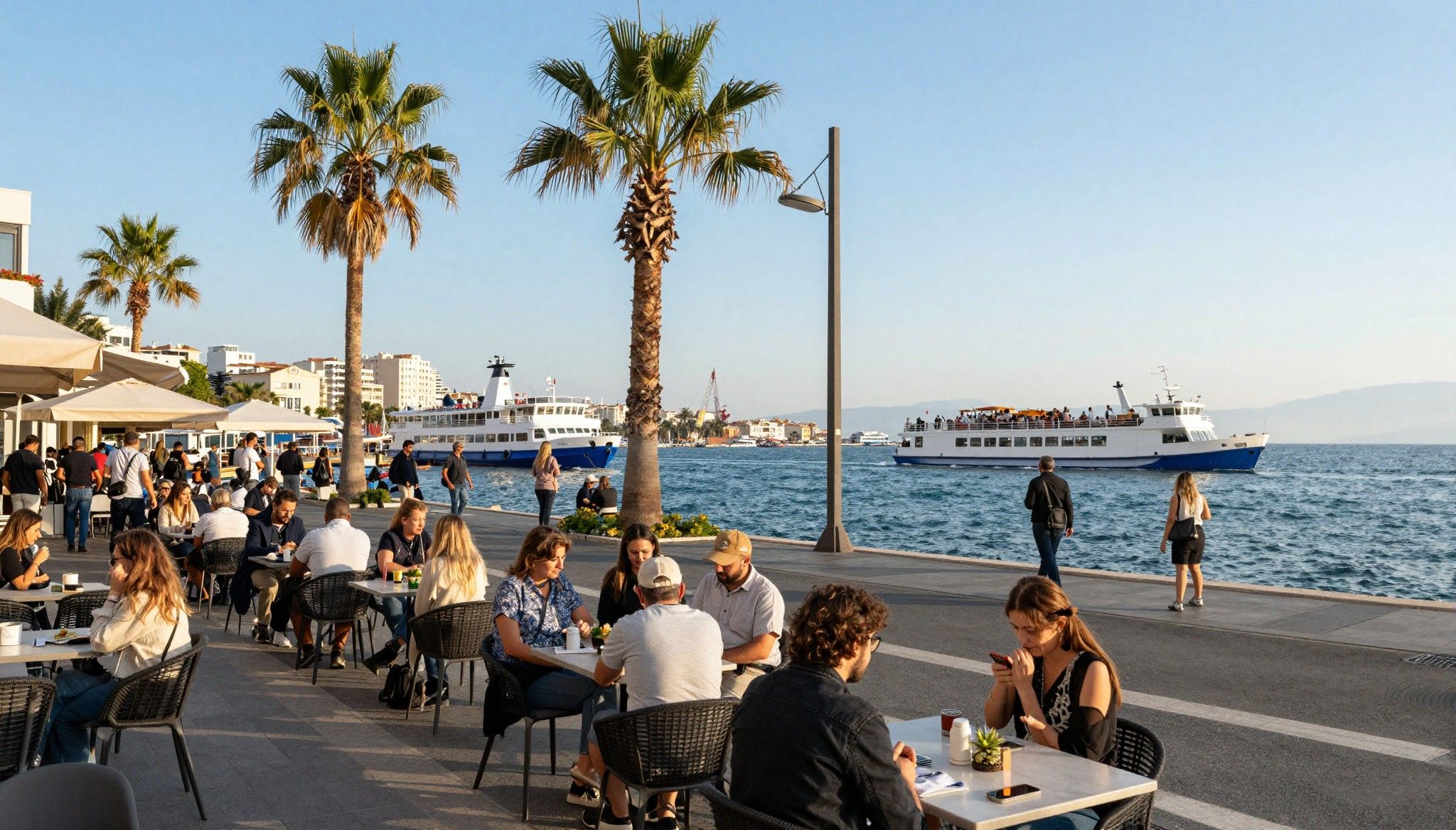
 The Yieldist


