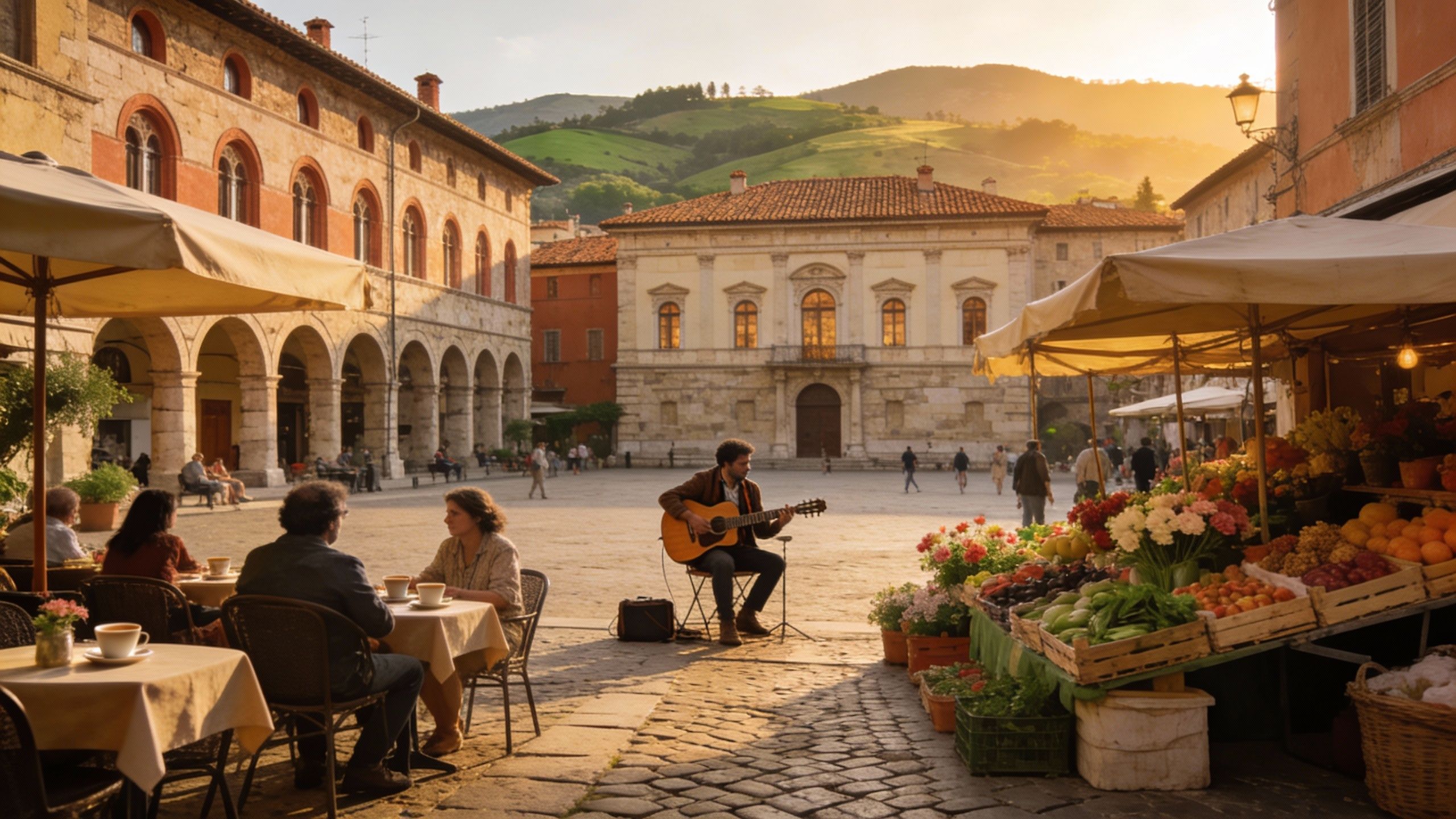
Neighbourhoods in Italy Foreign Buyers Often Overlook
Contrarian neighbourhood advice for Italy: seek lived-in streets, not headline locations — ISTAT and market data show modest national growth while local lifestyle premiums matter most.
 Villa Curated
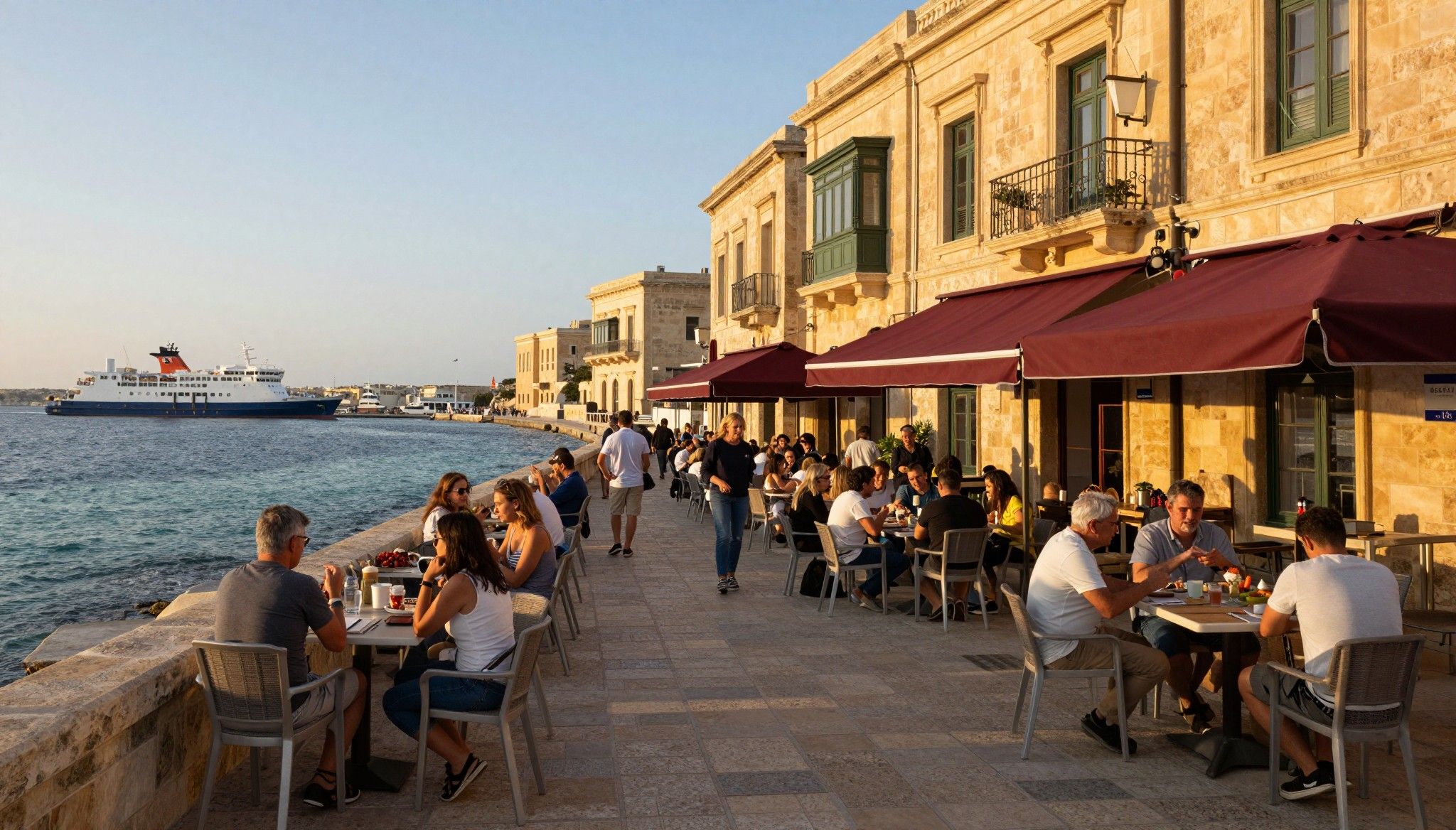
Imagine the terrace at dawn on Via Garibaldi in Genoa, espresso steaming, fishermen unloading crates at the port a few streets away, and a local baker who knows your order. Italy still offers these intimate neighbourhood rituals — a cadence of morning markets, slow lunches and late passeggiatas — that reshape how a house becomes a life.
Living the Italian lifestyle — how neighbourhoods shape days
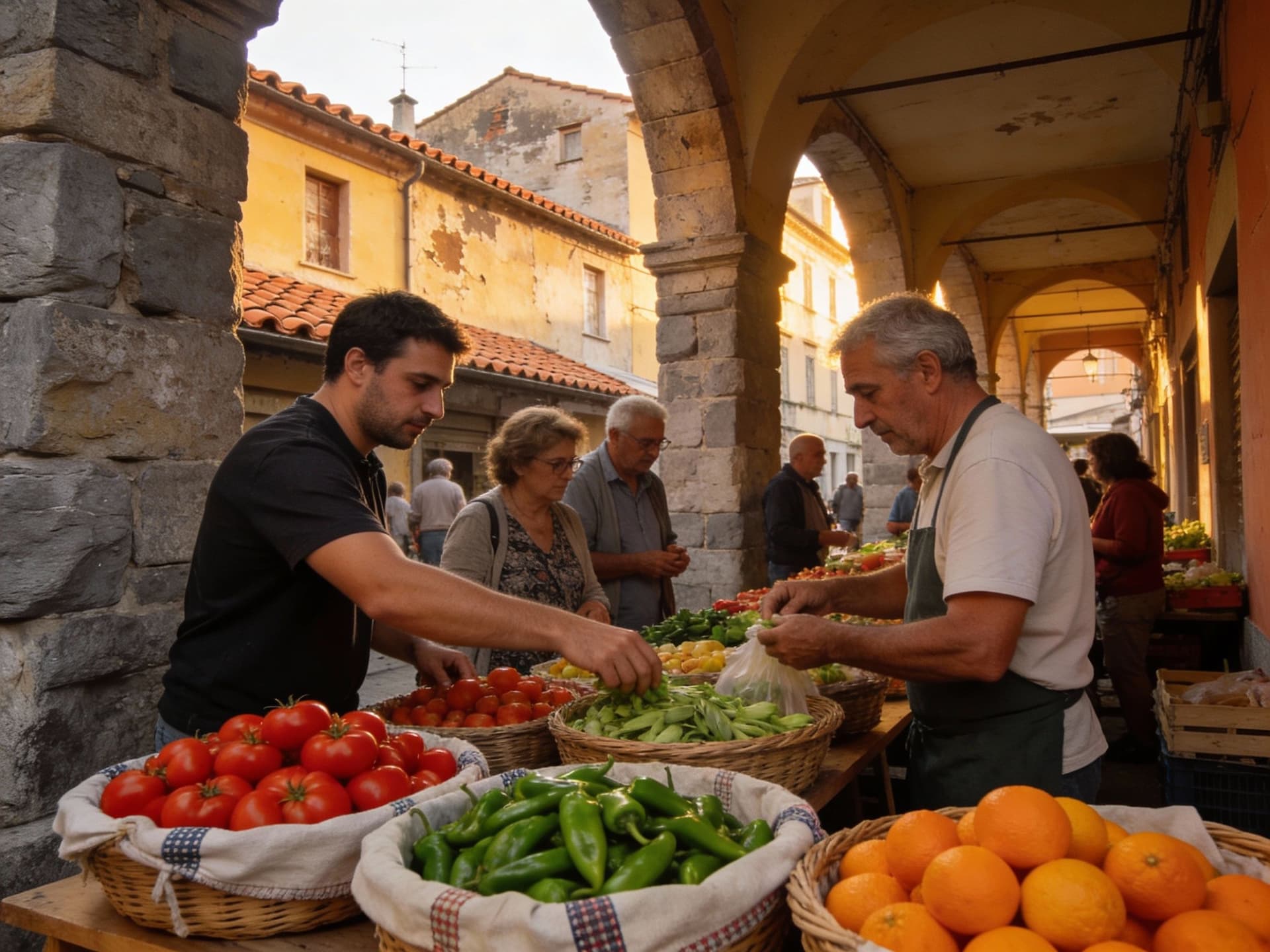
Italy's neighbourhoods are not interchangeable backdrops; they are active collaborators in daily life. The archways of Trastevere set a different rhythm to the wide boulevards of Milan’s Brera or the cliffside lanes of Amalfi. Taste, sound and pace — from morning markets to evening aperitivi — determine whether a property is merely usable or fully alive.
A neighbourhood spotlight: Genoa’s rediscovery
Walk Castelletto’s stepped streets and you meet restored liberty facades, small bars where retired captains discuss the tide, and civic projects turning docks into parks. A generation of locals who left for work are returning, and developers are refitting old palazzi with careful interventions rather than wholesale replacements — an atmosphere attractive to buyers who value provenance over novelty.
Food, ritual and place: Florence backstreets and markets
Beyond the Uffizi crowds, Oltrarno’s workshops and markets set a maker’s tempo: late breakfasts, artisanal presses, and neighbourhood trattorie where a chef knows which farms supply the vegetables. For many buyers this intimacy — having a daily sourdough seller or a market stall you consult weekly — becomes the deciding factor, more than square metre cost alone.
- Lifestyle highlights worth noting
- Piazza San Lorenzo’s early-morning leather market in Florence — buy produce and meet makers.
- Navigli, Milan — aperitivo culture that extends the evening and supports convivial street life.
- Boccadasse, Genoa — terraced lanes and sea air that change how you season dinner.
Making the move: practical considerations that keep the dream intact
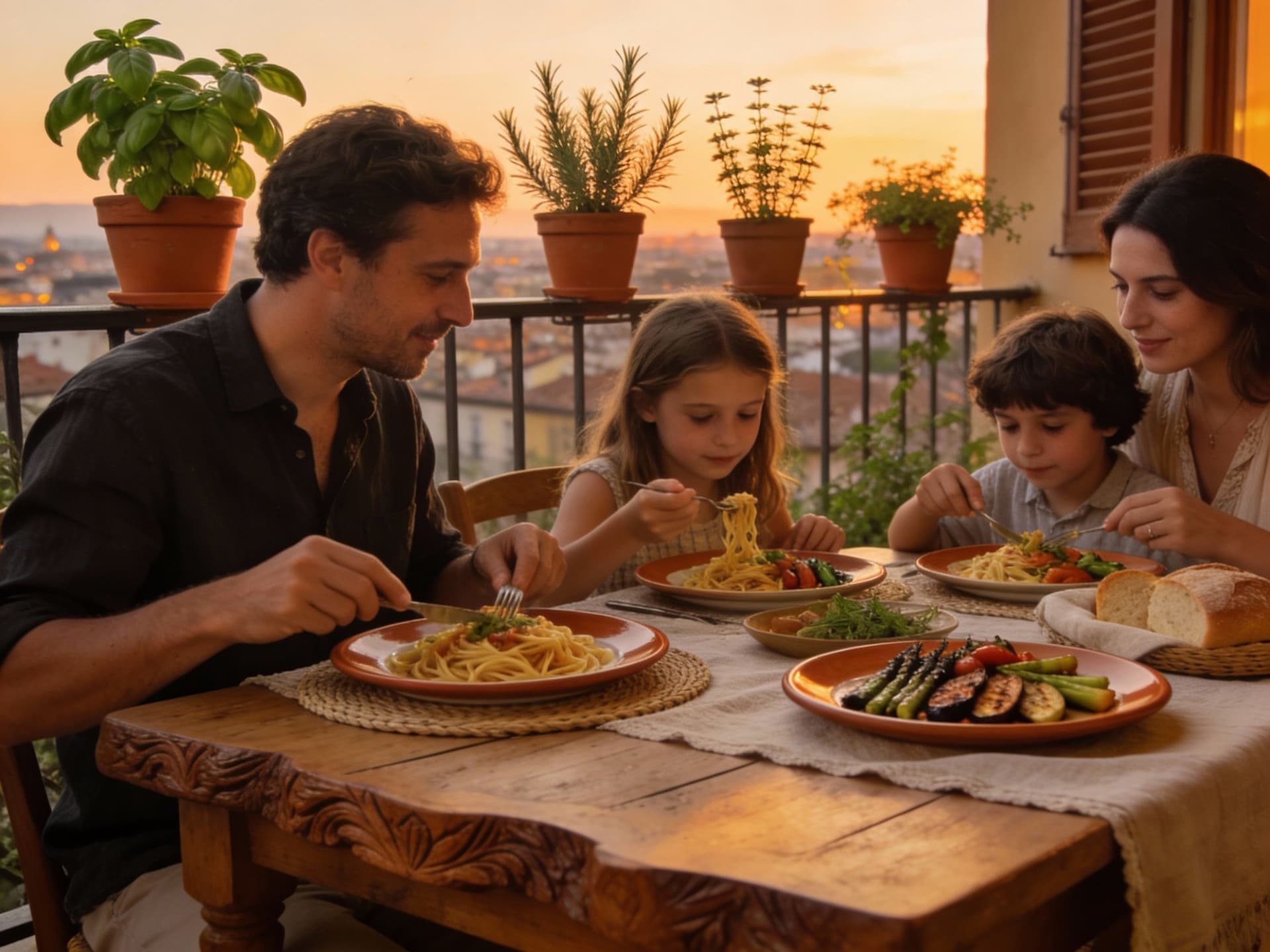
Lifestyle demands meet market realities. National data show prices rising in many city centres but with significant regional variation; ISTAT reports modest annual growth in house prices while listing sites note stronger demand in major cities. Translating a neighbourhood’s ambience into a sound purchase requires matching daily life needs with the right property type and an agent fluent in local nuance.
Property styles and how they shape living
An historic palazzo in central Turin offers lofty ceilings and formal reception rooms but demands heating upgrades and specialist restoration. A Ligurian terraced house trades interior space for sea views and outdoor steps; maintenance is different there. Choose by how you want to live: evening light on a terrace, a workshop on the ground floor, or quiet bed-sitting rooms for a seasonal pied-à-terre.
Working with local experts who know the life you seek
A refined purchase often depends less on marketing and more on a broker who understands which street contains that market stall or which block closes for a festa. Look for agents who can describe municipal projects, conservation restrictions, and the daily logistics — waste collection days, noise rhythms, and where deliveries occur — as these affect both living quality and long-term stewardship.
- Steps to marry lifestyle and investment
- List 1: Visit at different times — market morning, weekday evening and a festival weekend.
- List 2: Ask an agent for micro-neighbourhood data — vacancy, seasonal rentals and long-term demand.
- List 3: Commission a local technical survey focused on heritage fabric and probable maintenance costs.
- List 4: Negotiate with provenance in mind — documented restorations and conservation approvals add value.
Insider knowledge: what expats wish they’d known before moving
Practical surprises are rarely dramatic: more often they are textures — the slow bureaucracy, the rhythm of local shops, the seasonal lockdowns of small services in August. Expats tell us that mastering these rhythms, rather than fighting them, creates an authentic life; they also report that rental markets are tightening in cities, which can alter short-term income plans.
Language, community and belonging
Learning a few local phrases opens doors: the greengrocer will reserve the best produce, neighbours will advise on electricians, and convivial invitations arrive. Many districts have quietly international schools or clubs — but community forms first around place, not nationality. Choosing streets where locals still shop is the surest way to be accepted into the daily life.
How life changes after the purchase
In the first year you discover the small economies of place: the baker where you always queue, the municipal gardener who remembers your plants, the building concierge who knows the repairmen. These micro-connections increase a property’s experiential value in a way a price-per-square-metre cannot measure; national statistics show modest price growth, but the local lived premium is often invisible to index data.
- Red flags and refinements to watch for
- Unresolved heritage constraints that limit changes to facades and interiors.
- Seasonal vacancy in tourist traps — lively in July, deserted in November.
- Underpriced listings with missing documentation — insist on certificates of habitability and past restoration records.
A final thought: Italy rewards buyers who see neighbourhoods as living systems. If you buy for the light, the street life and the particular market stall you frequent, the house becomes a stewardship rather than a mere asset. Start by visiting, then by listening — a local agent who speaks in place‑terms rather than square metres will be your best ally.
Villa CuratedDutch former researcher who moved to Lisbon, specialising in investment strategy, heritage preservation, and cross-border portfolio stewardship.
Related Articles
More insights that might interest you
 Villa Curated
 Villa Curated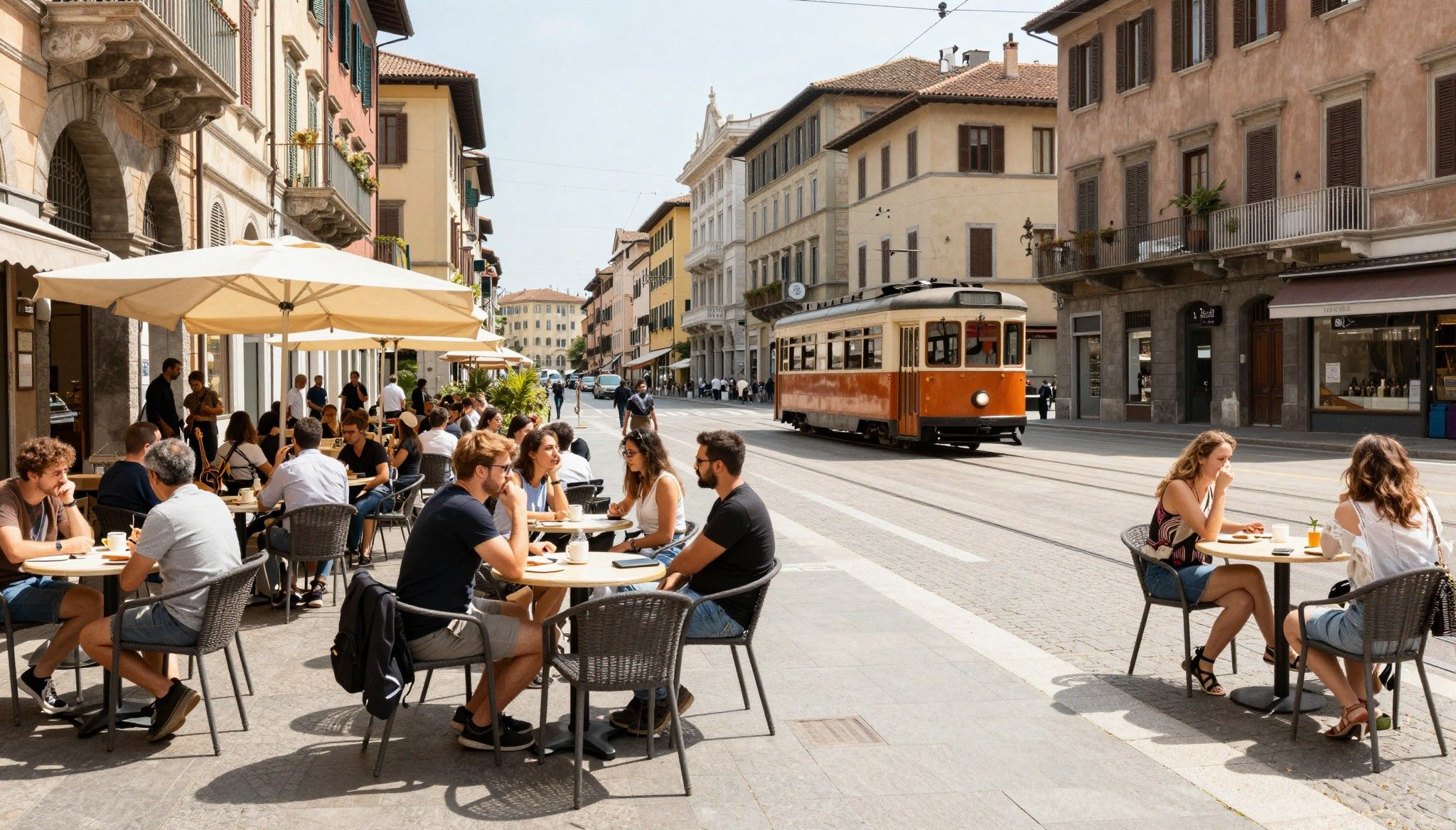
 The Yieldist


