The Neighbourhood Everyone Skips — and Why It Wins in Italy
Look beyond postcard addresses: overlooked Italian neighbourhoods—markets, courtyards and civic stewardship—often offer deeper daily life and steadier value, per ISTAT and Nomisma data.
 Villa Curated
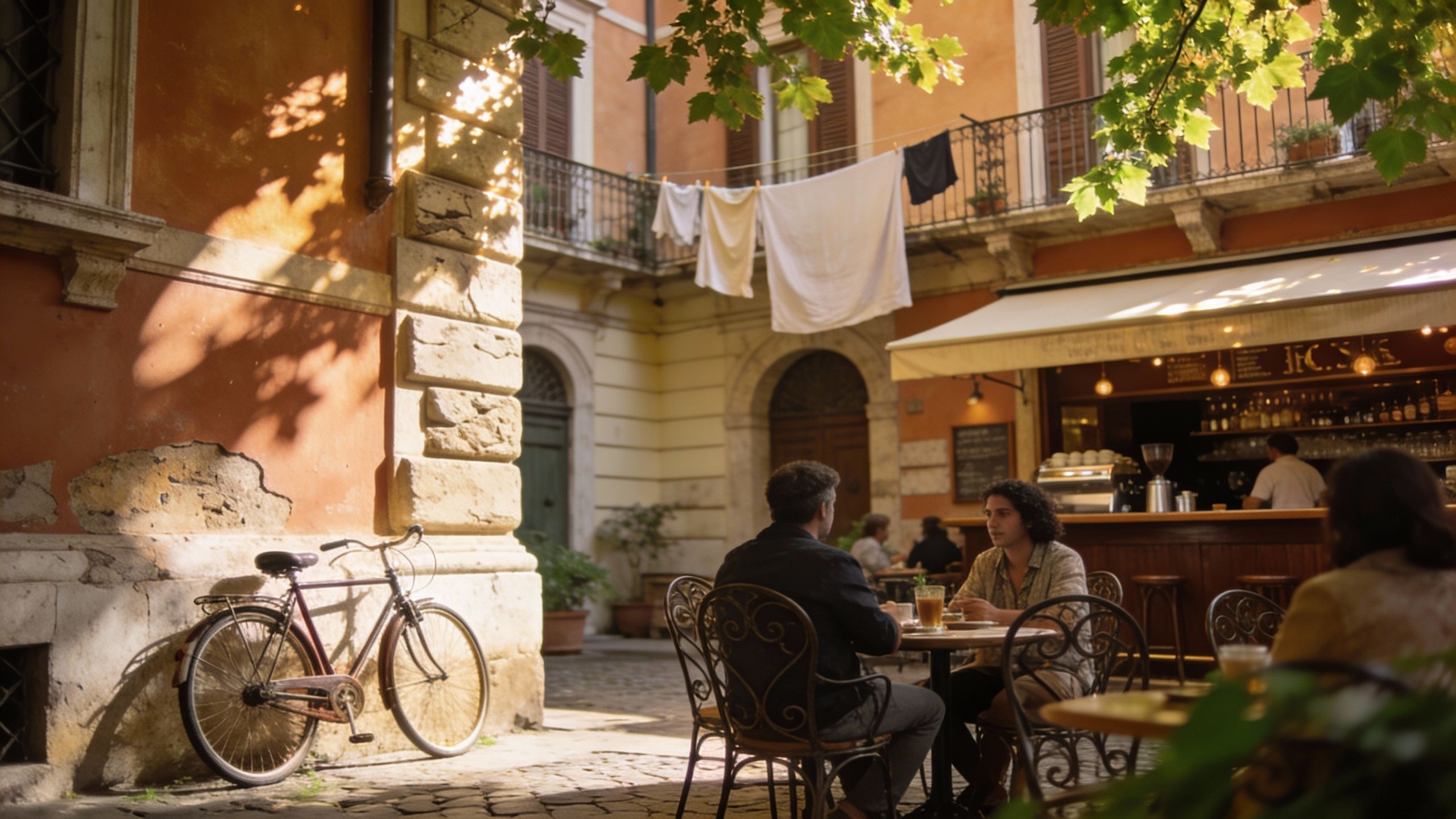
Imagine a late‑morning in a narrow Roman corte: shutters half open, a woman folding linen on a balcony above a bar where an espresso pulls slowly, and a delivery cyclist slips past an artisan bakery. This is the cadence many of us imagine when we say “Italy” — intimate streets, a measured social life and neighbourhoods whose character is felt rather than proclaimed. Yet that feeling often leads buyers to the same obvious streets and seafront addresses. The contrarian truth is that some of the neighbourhoods buyers actively avoid — faded, off‑axis, slightly unruly — can deliver the most genuine lifestyle and the soundest value. Market indicators show recovery and modest price growth across Italy, making an informed contrarian pick timely. ([ansa.it](https://www.ansa.it/english/news/2024/09/18/house-prices-in-q2-up-2.9-year-on-year-says-istat_7ba0aea3-4601-469e-8f27-f1525cc22156.html?utm_source=openai))
Living the Italian neighbourhood life
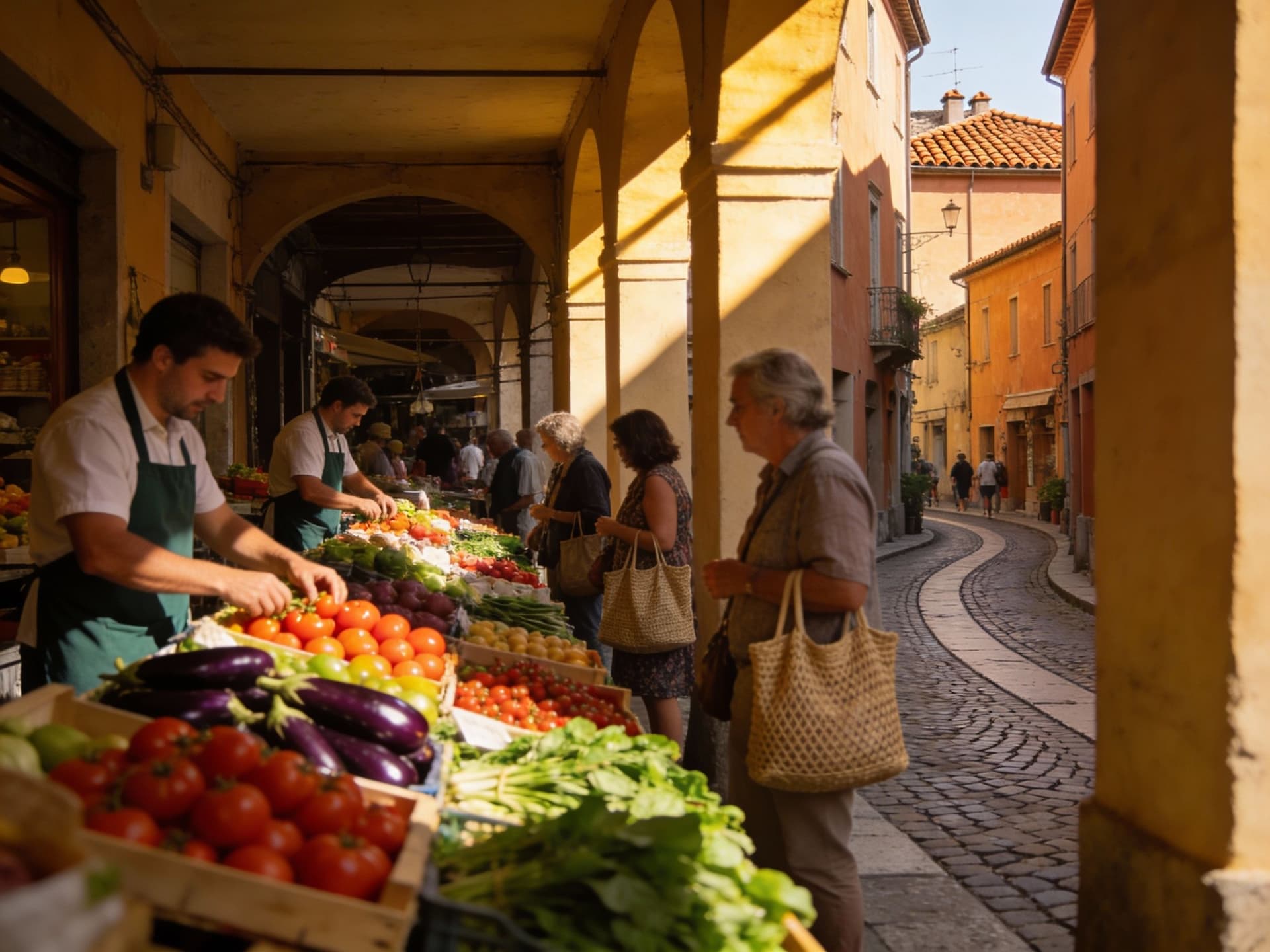
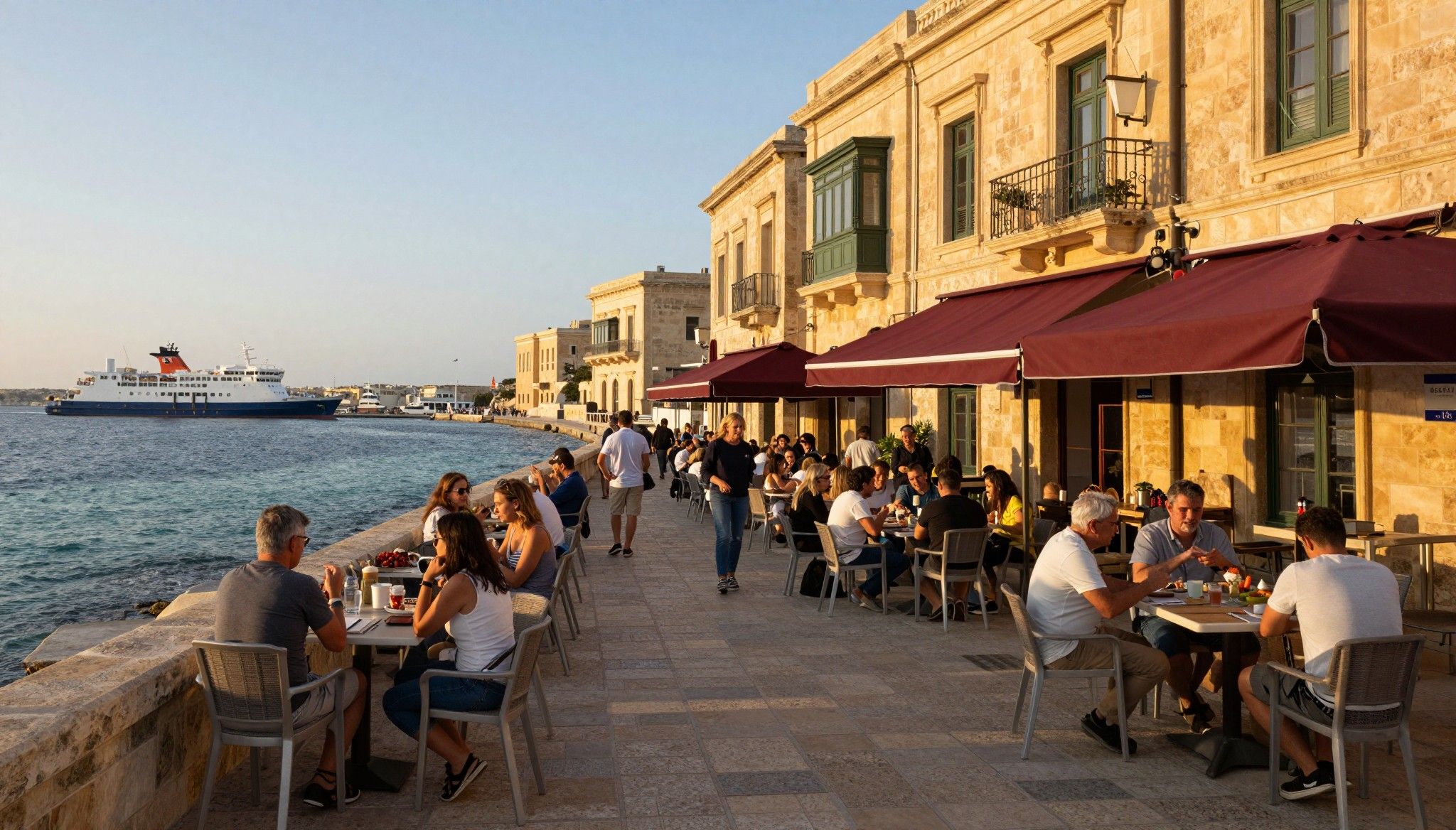
To live in Italy is to live in layers: the street market at dawn, the mid‑day passeggiata, evening apertivi that gather neighbours on benches. The most cherished locations are rarely measured only by views; they are measured by proximity to a market (Mercato di Testaccio, Mercato di Sant’Ambrogio), a striking piazza, a small trattoria with an evening queue, a gelateria that remembers your order. Many international buyers first see a postcard Rome or the Amalfi coast, but daily life thrives in quieter districts — an Oltrarno courtyard in Florence, a narrow lane near Naples’ Pignasecca market, or a Ligurian borgo positioned just above the tourist strip. These pockets reward curiosity: you trade immediate postcard perfection for authenticity, privacy and a stronger sense of belonging.
Spotlight: Rome — Trastevere’s edges and the overlooked Prati pockets
Trastevere is famed for its evenings and narrow lanes, but step north toward the river’s quieter edges and you find courtyards, restored palazzi and local markets that rarely make guidebooks. Likewise, Prati — often dismissed as purely administrative — hides airy, late‑19th‑century apartment blocks, family bakeries on Via Cola di Rienzo and classical facades that age beautifully. Properties here suit buyers who prize daily ritual — a morning cornetto, an evening mercato stop — more than a constant tourist audience.
Food, markets and the neighbourhood calendar
Seasonality in Italy is lived at the neighbourhood level: chestnut season rearranges market stalls in Umbria; summer evenings spill onto Ligurian passeggiate; harvest festivals in Piedmont turn village squares into communal tables. When choosing a district, observe the calendar: weekly markets, church feast days and seasonal street life indicate civic health. For many buyers the most resonant investment is proximity to places that sustain everyday life rather than momentary spectacle.
Making the move: practical considerations that preserve lifestyle
The market is showing modest recovery and steady demand: transaction volumes and mortgages recovered in early 2025 as interest rates softened, according to industry forecasts. That backdrop makes timing and neighbourhood choice a matter of nuance rather than urgency. Select areas where civic investment, transport links and heritage protection ensure long‑term desirability. Look for streets where maintenance is visible — restored cornices, active portoni, tidy communal courtyards — these are indicators of stewardship that protect value. ([idealista.it](https://www.idealista.it/en/news/property-for-sale-in-italy/2025/04/03/222159-nomisma-real-estate-outlook-for-italy-market-forecasts-until-2027?utm_source=openai))
Property types and lived experience
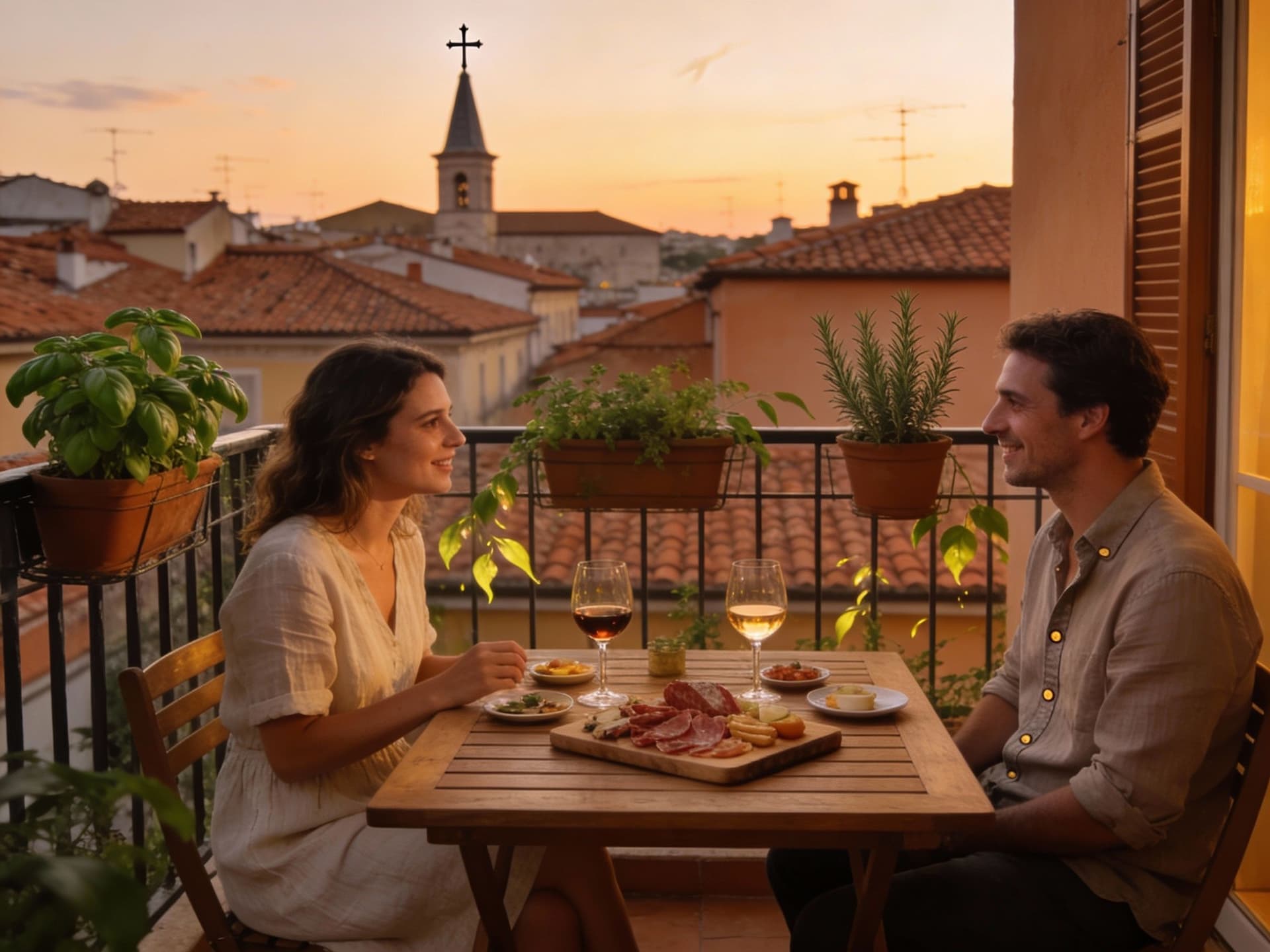
A narrow 18th‑century apartment in Genoa’s historic centro will feel different from a spacious post‑war flat in Bologna’s Santo Stefano quarter or a renovated farmhouse in Tuscany. Choose by how you intend to live: if daily community life matters, an apartment above a bakery or close to a covered market will deliver ritual and convenience; if privacy and landscape are paramount, a stone farmhouse with an olive grove offers another rhythm. Consider vertical living realities as well: lift access, stair widths for moving furniture, and insulation work that affects comfort and restoration budgets.
Steps to reconcile lifestyle with investment
Compile a short list of neighbourhoods (3–5) prioritising daily rituals: market proximity, bar culture, and municipal maintenance.
Visit at different times — weekday morning, Saturday market, weeknight — to sense actual life, not the tourist highlight reel.
Work with a local agent who can show off‑market options and explain local condominium rules, recent works and common restoration practices.
Insider knowledge: what expats often learn too late
Expats speak often of two surprises: first, the difference between neighbourhood romance and daily convenience; second, the hidden necessities of stewardship. Statistics from Italy’s national agency and market observers show house prices stabilized then edged higher in 2024 and 2025 — a signal that a well‑chosen, well‑maintained property in an overlooked district can appreciate while offering richer daily life than a headline address. Always verify municipal plans (piani regolatori) and recent condominium meeting minutes — they disclose upcoming works or charges that significantly affect running costs. ([ansa.it](https://www.ansa.it/english/news/2024/09/18/house-prices-in-q2-up-2.9-year-on-year-says-istat_7ba0aea3-4601-469e-8f27-f1525cc22156.html?utm_source=openai))
Cultural notes: how to belong in small ways
Learn the local rhythm: the barista’s name, the market vendors’ schedules, and where the neighbourhood meets after work. A modest effort — greeting the produce seller in Italian, attending a festa di paese — changes how neighbours see you and makes small services and local intelligence accessible. These social investments matter as much as legal ones: they preserve privacy, secure better care for a property, and cultivate goodwill when practical issues arise.
Longer view: stewardship and generational value
Italy rewards stewardship. Buildings with clear provenance, careful restoration and ongoing maintenance retain character and value. Whether in a provincial town or a city quarter, buying with an eye to repair quality — original stonework, artisan‑grade carpentry, historically sympathetic interventions — often outperforms speculative bets on trendier, flashier developments.
Practical checklist before making an offer: verify recent sales on the street, confirm condominium minutes, request energy performance certificate (APE), and inspect for prior seismic reinforcement works when outside major cities.
Conclusion: If the dream is an authentic Italian life, let habit and neighbourhood ritual guide investment choices as much as price per square metre. The neighbourhood many buyers skip — off the guidebook circuit but rich in markets, small artisans and municipal care — often yields the most satisfying daily life and the soundest long‑term value. Begin with a shortlist of such pockets, visit across times and seasons, and enlist local specialists who measure a street by its market stalls and its portone as much as by its view. When you buy in Italy, you are buying into a local life; choose the life you wish to live and steward it well.
Villa CuratedFormer Copenhagen architect who relocated to Provence, offering relocation services, market analysis, and a curator’s eye for authentic regional design.
Related Articles
More insights that might interest you
 Villa Curated
 Villa Curated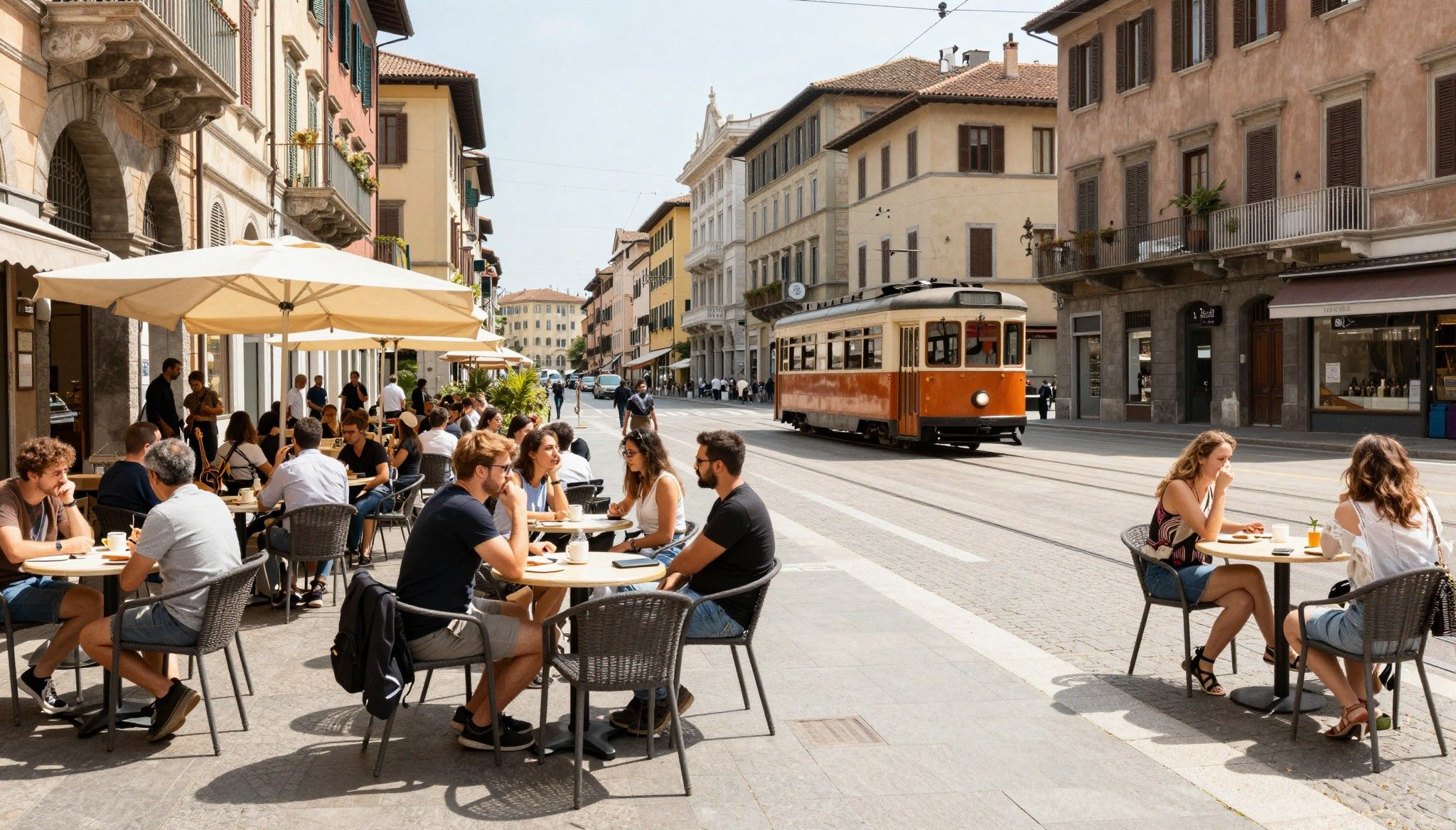
 The Yieldist


