Why Valletta’s Quiet Neighbourhoods Outperform Seafront Hype
Contrary to seafront lore, Malta’s historic neighbourhoods and quieter pockets often offer steadier value and a richer daily life—RPPI and local surveys back the case.
 Villa Curated
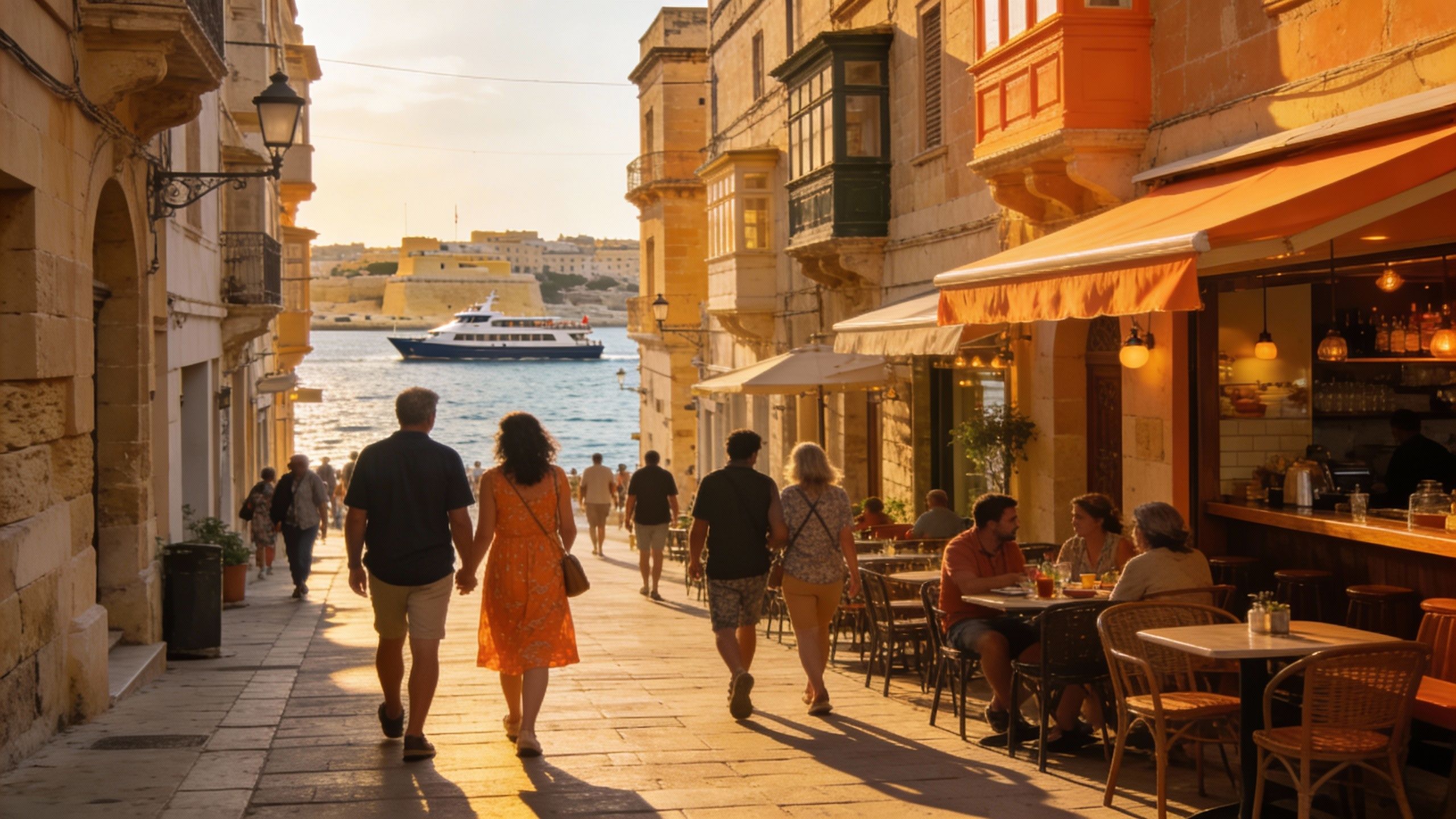
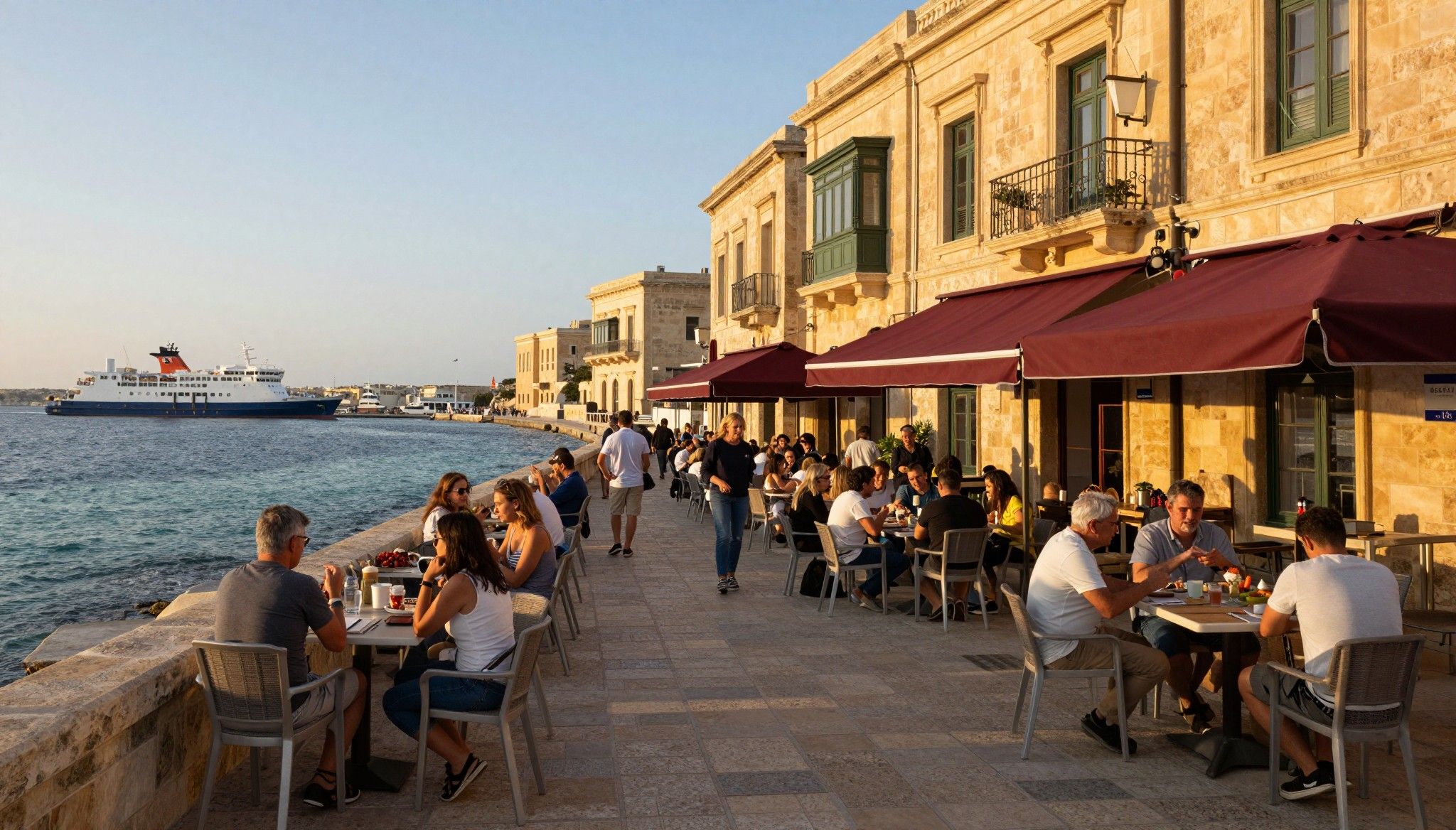
Imagine morning light on honeyed limestone, a café table on Strait Street, and the ferry bells from the Grand Harbour folding into conversation. Malta is compact enough that the rhythm of life — work, market, aperitivo, sea — happens within short walks and favoured routes. For an international buyer the question is rarely whether Malta is charming; it is where, within its compressed geography, you will build a life that feels settled rather than staged.
Living the Maltese Life: more than sea and sunshine
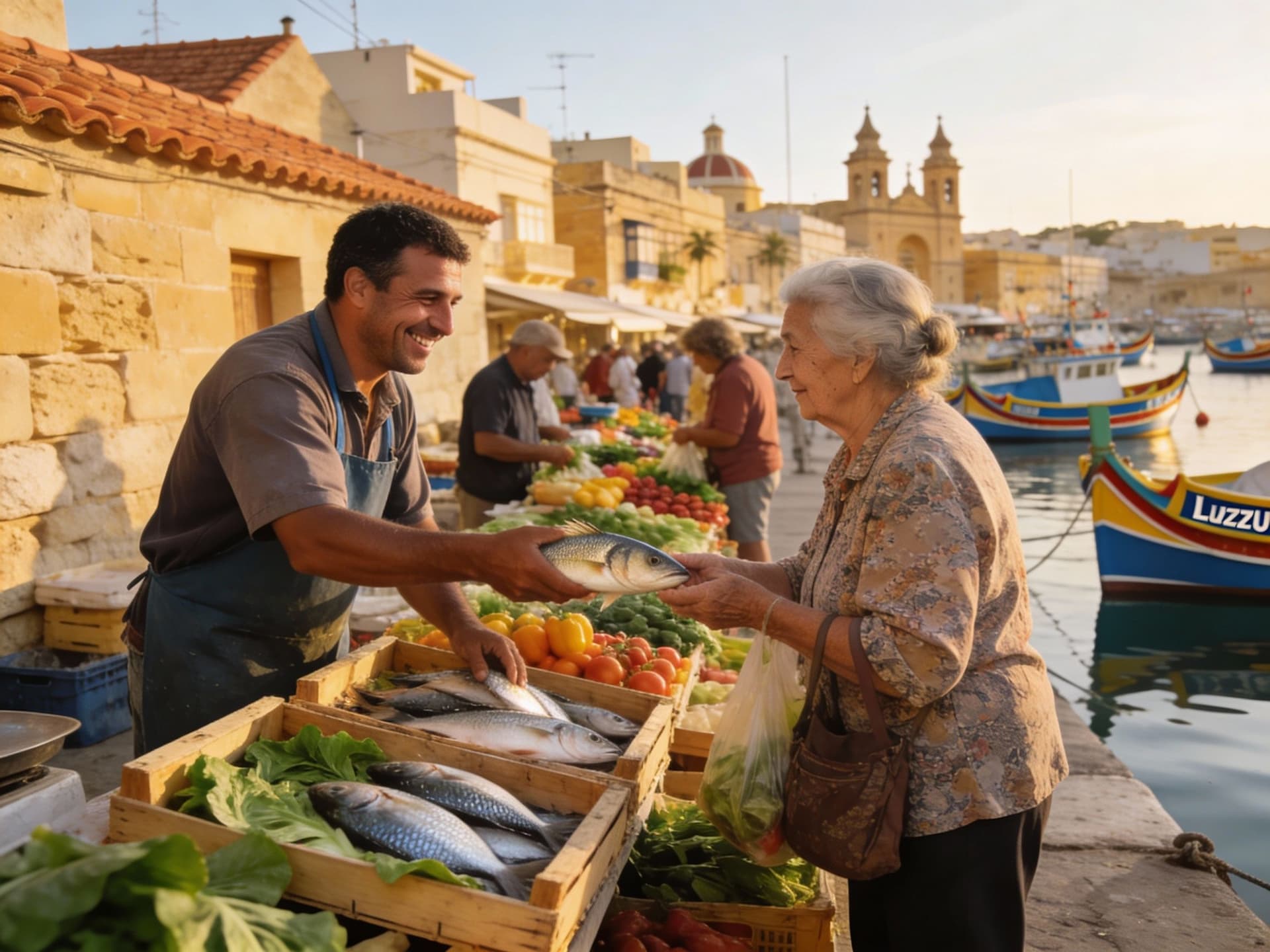
Days in Malta unfold around neighbourhood rituals: early markets in Marsaxlokk where fishermen lay out amber-caught fish, espresso and pastizzi in a Sliema bar, late evening passeggiata along the Sliema promenade. Valletta’s baroque streets concentrate museums, intimate restaurants and stately townhouses; Sliema and St Julian’s pulse with cafes, waterfront promenades and international services. These are not interchangeable scenes but different tempos: Valletta—compact, ceremonial; Sliema/St Julian’s—social, waterfront; quiet inland towns—domestic and community centred.
Valletta and the intimate historic core
Valletta gives you stonework, narrow sightlines, and a life measured in doorways and piazzas. Here, apartments and restored townhouses are prized for proportion, original joinery and views into the harbour. The market’s steady rise in apartment values underlines enduring local demand; ownership in historic cores often carries premium for provenance, not merely view. For someone who wants to live within the city’s cultural heartbeat, the trade is smaller private outdoor space for unparalleled civic intimacy.
Sliema, St Julian’s and the seafront life
Sliema and St Julian’s reward a modern, outward-facing life: promenades, terraces, and apartments with glazed balconies. They accommodate international schools, coworking spaces and restaurants that stay open late. For buyers seeking social ease — English-speaking services, nightlife, and short commutes — these neighbourhoods remain the obvious choice. Yet they are also where perception of ‘seafront premium’ concentrates, sometimes obscuring quieter pockets that deliver better long-term value.
- Lifestyle highlights to test in person: Valletta’s Upper Barrakka Gardens at dawn; Marsaxlokk fish market on Sunday; café terraces on Tower Road in Sliema; Swieqi’s quiet streets and family cafés; a sunset walk at Spinola Bay, St Julian’s.
Making the move: where lifestyle meets market reality
The romance of a neighbourhood must be tempered by market mechanics. Malta’s market is compact and liquid: recent surveys and official data show continued demand and modest annual price growth, with particular strength in apartments and maisonettes. That means choices made for lifestyle are also choices about liquidity, rental potential and refurbishment constraints. A well-located maisonette with a courtyard can outperform a flashy seafront apartment when measured over a decade of ownership.
Property types and how they shape daily life
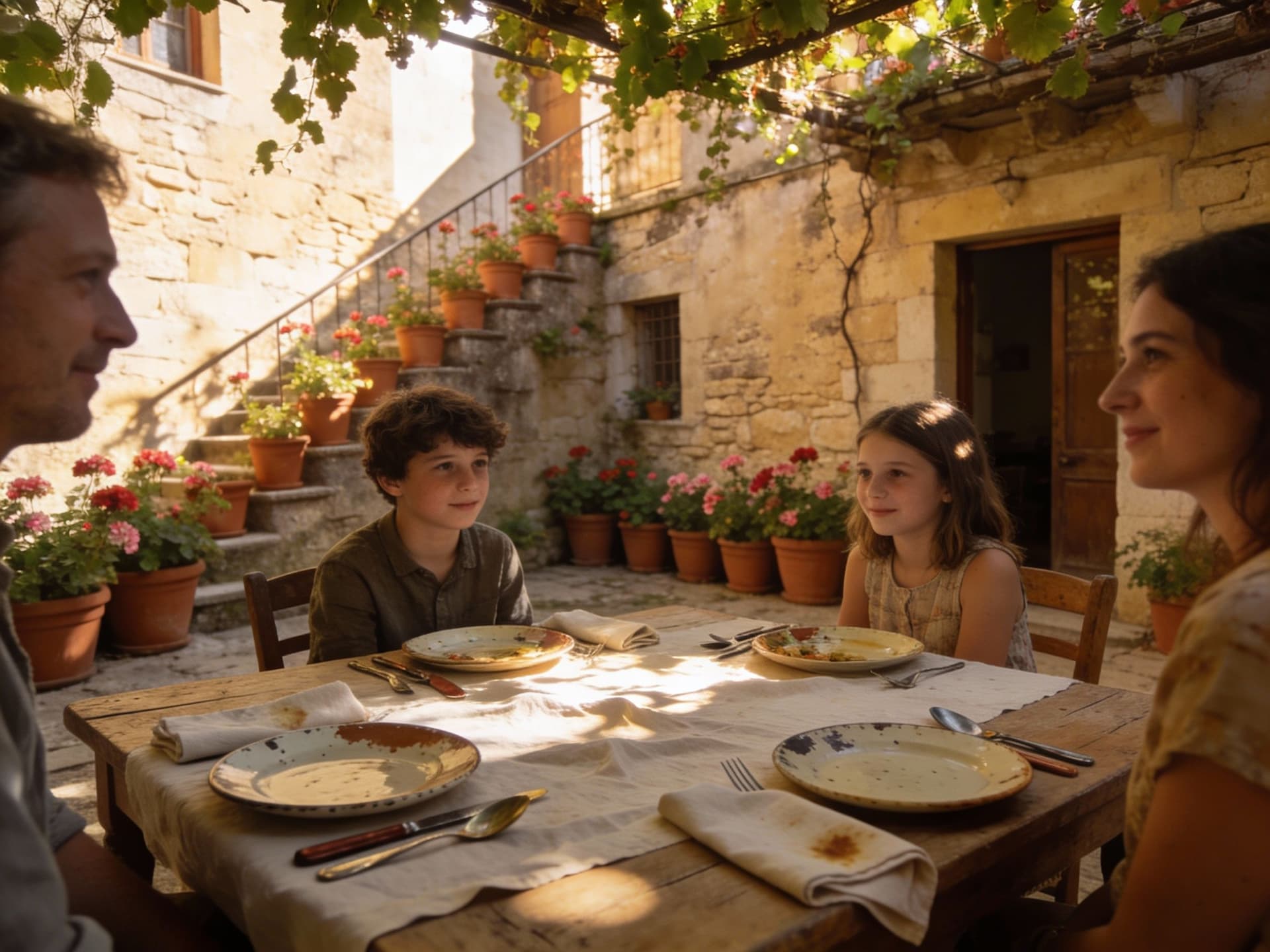
Stone-built townhouses offer layered living: high ceilings, internal courtyards and rooms that cool in summer. Apartments give convenience and views, but often require careful attention to insulation and balcony orientation to manage summer heat. Maisonettes merge indoor and outdoor living with street-level access. Consider how you intend to live — daily entertaining, gardening, remote work — and match that to floorplans, not just zip code.
Working with local experts who respect the life you want
- Steps an agency should take for you: 1) show neighbourhoods at different times (market morning, evening passeggiata); 2) provide comparable sales not just adverts; 3) advise on climatization upgrades and listed-building constraints; 4) run realistic rental scenarios if you intend to let; 5) introduce you to local craftsmen and property managers for stewardship planning.
Insider knowledge: what expats wish they’d known
Several small truths shape daily happiness in Malta. English is widely spoken but social life is anchored in family networks; festivals and festa processions animate streets unpredictably; and summer tourism can make narrow streets feel busy for short bursts. Buyers who imagine constant solitude often find the island’s sociability part of its appeal — but it also requires patience with communal rhythms and noise during high season.
Cultural integration, language and community
You will live in neighbourhoods where shopkeepers know names and Saturday markets set the week’s tone. Learning a few Maltese phrases, attending a festa, or buying from a local bakery accelerates belonging. For families, areas like Swieqi and Pembroke offer quieter streets and school choices; for those seeking social life, Sliema and St Julian’s provide a steady stream of events and international contacts.
Long-term stewardship and how lifestyle values translate to investment
Owners who approach Maltese property as stewardship tend to fare better. Prioritise craftsmanship in restorations, use materials appropriate to the climate, and budget for long-term maintenance. Market data suggests modest, steady growth rather than rapid flips; the most resilient purchases marry distinct lifestyle fit with durable construction and thoughtful siting.
- Red flags and quick checks before you make an offer: unclear title deeds; abnormally fast renovation estimates; ground-floor apartments without adequate drainage; properties near frequent festa routes if you value quiet; inconsistencies between advertised floor area and deeded airspace.
- Three practical next steps: 1) spend three different days in a shortlist neighbourhood (weekday, Saturday, festival day); 2) ask agencies for RPPI‑backed comparables and maintenance histories; 3) commission a local surveyor experienced with limestone buildings and coastal exposure.
Malta rewards those who buy for a life more than a headline. Choose a neighbourhood that aligns with your daily rhythms — whether that is the ritual closeness of Valletta, the seafront tempo of Sliema, or the repose of inland towns — and work with advisors who speak both the language of market statistics and the subtleties of local life. The result is a property that feels inevitable: the place where you live well.
Villa CuratedDutch former researcher who moved to Lisbon, specialising in investment strategy, heritage preservation, and cross-border portfolio stewardship.
Related Articles
More insights that might interest you
 Villa Curated
 Villa Curated
 The Yieldist


