Which Italian Neighbourhood Fits Your Nomad Life?
Fall in love with Italy’s everyday rituals — then buy where the rhythm fits your remote life. Practical steps and local data help nomads match lifestyle to property.
 MoveSettleGo
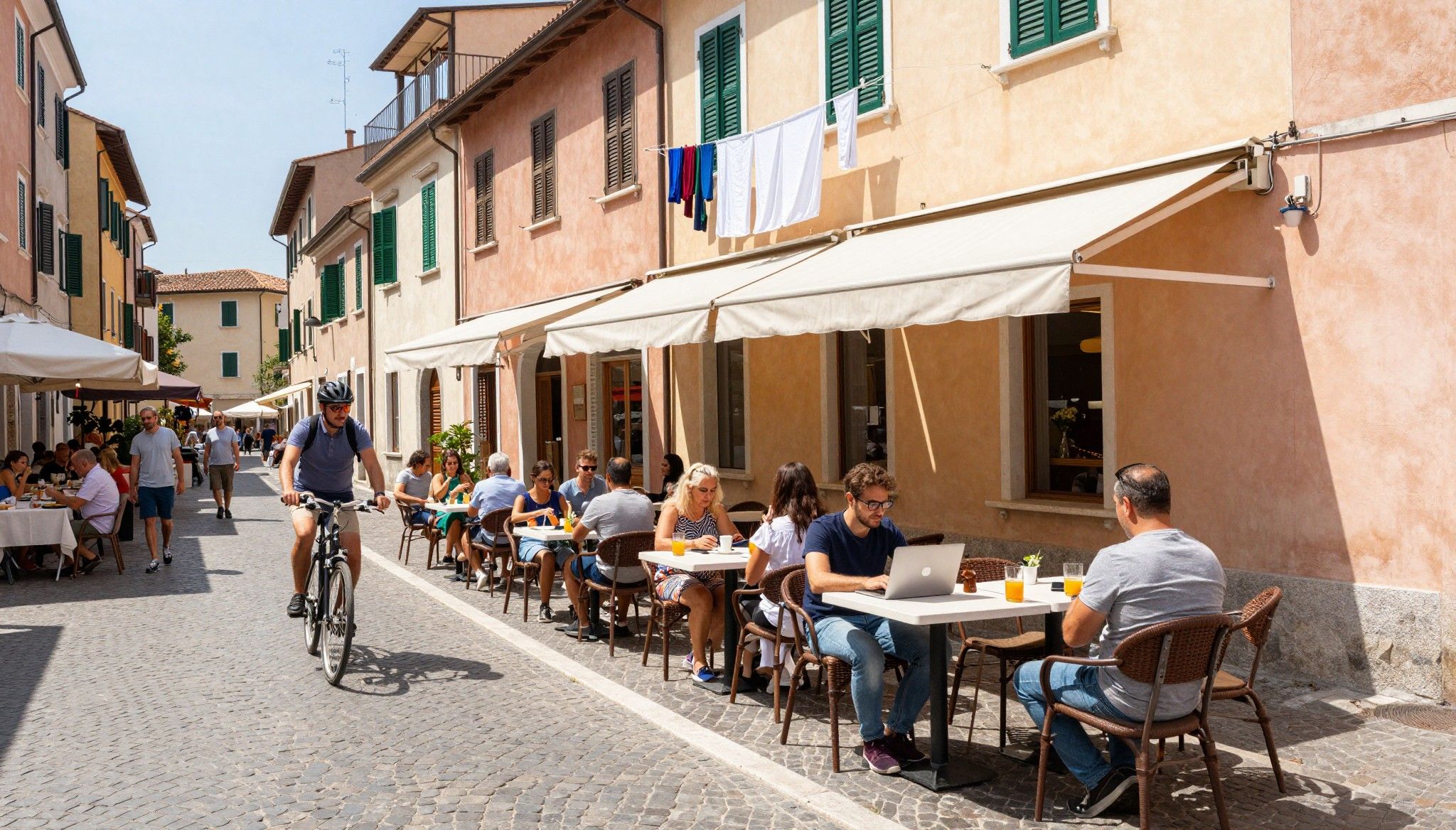
Imagine sipping an espresso at a tiny marble-topped bar on Via dei Coronari in Rome, then cycling past centuries-old palazzos to a sunlit coworking space. That instant—history, neighborhood rhythm, and a surprisingly productive workday—captures why so many nomads fall for Italy. But the dream has trade-offs: markets vary wildly between a buzzy Milan neighborhood and a sleepy Sicilian hill town. Understanding the micro-neighborhood vibes matters more than national headlines because where you live defines your daily life.
Living the Italy lifestyle: daily rhythms that sell the move
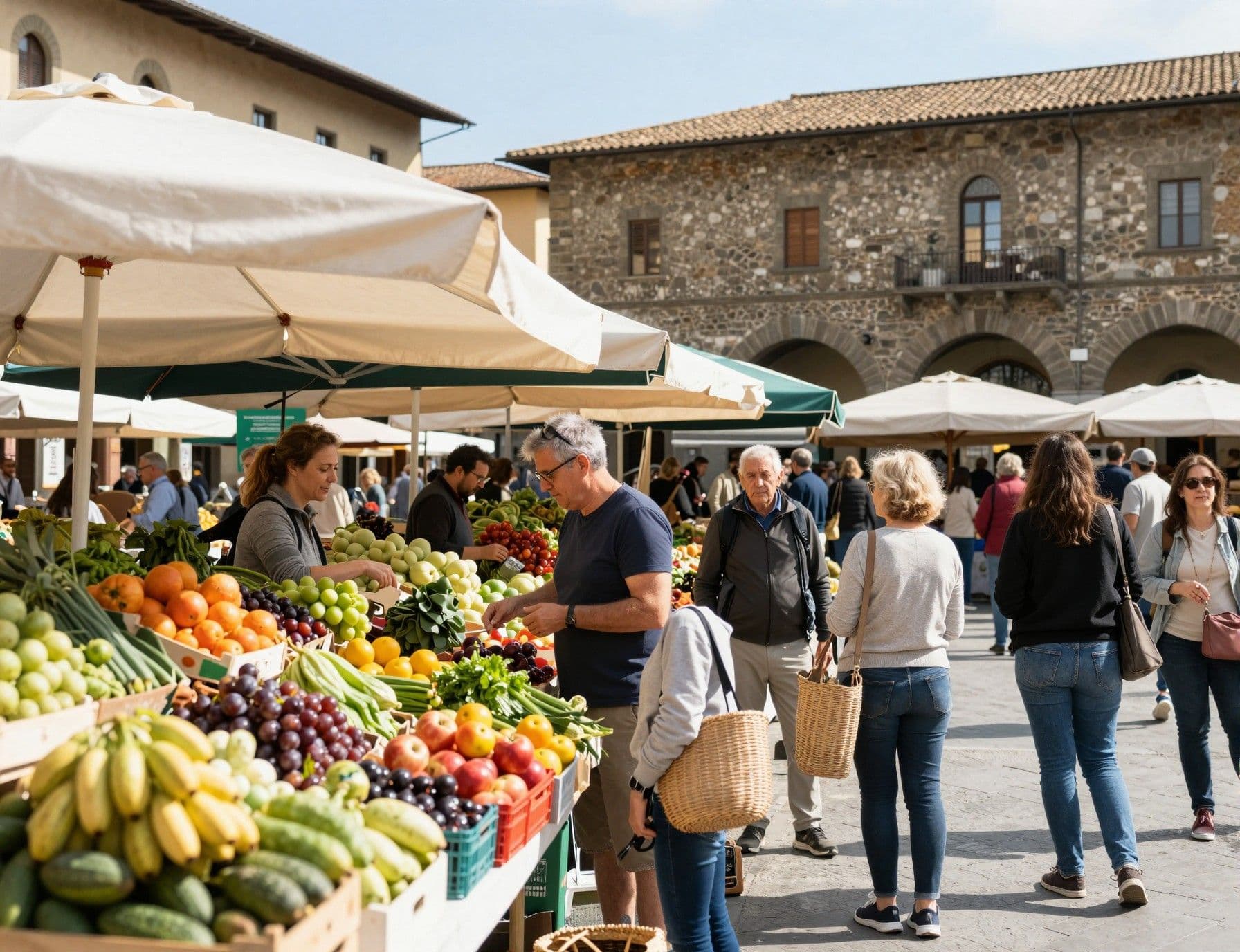
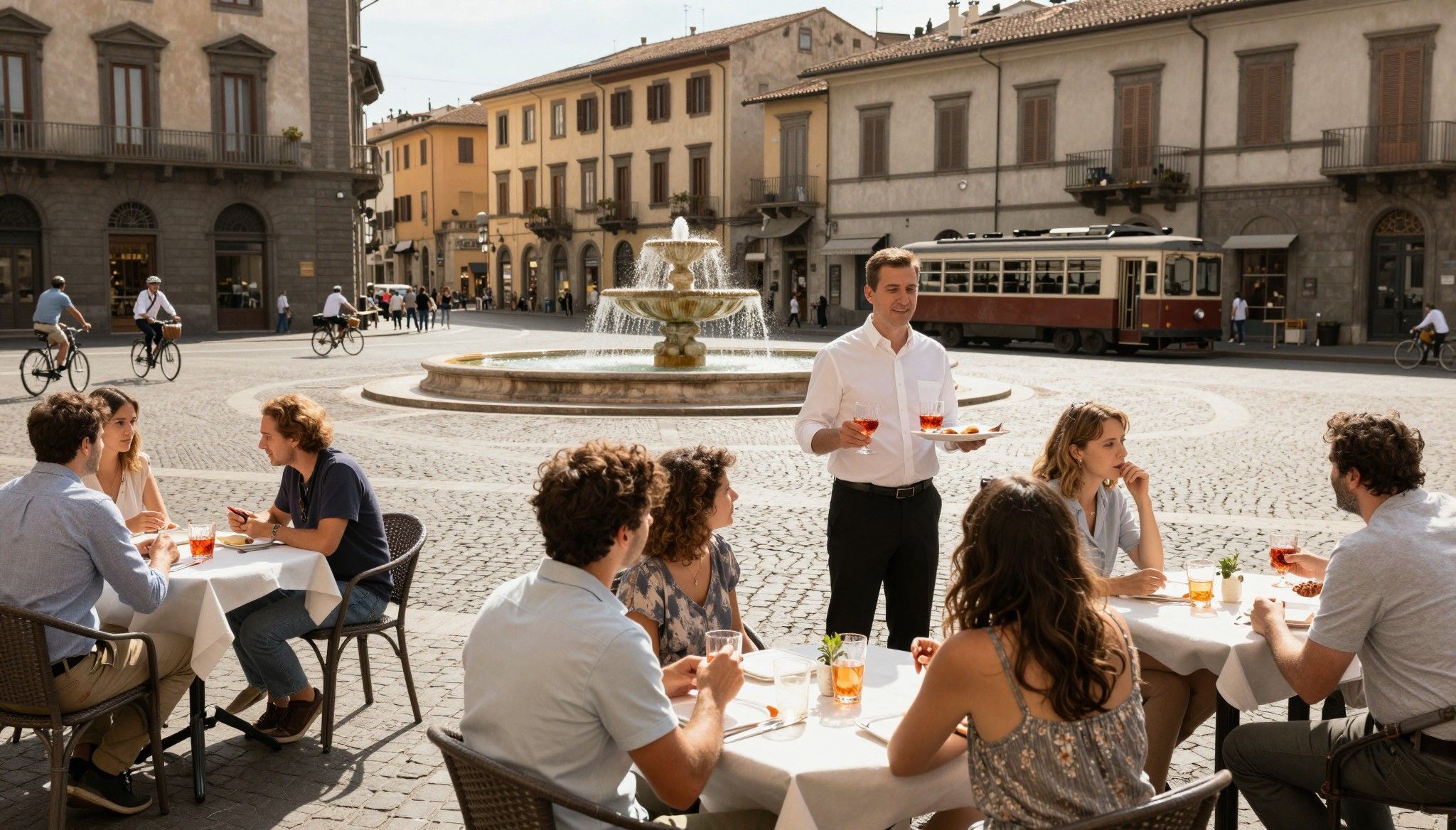
Italy isn’t one vibe — it’s dozens. Morning markets in Palermo, aperitivo rituals in Navigli (Milan), and slow Sunday lunches in Pienza set different paces. Streets matter: you’ll wake to church bells in Trastevere, traffic hum in San Lorenzo, or sea-salt breezes in Positano. These sensory details shape what property feels like a home: a hilltop terrace matters more than a square meter number in Tuscany, while a fast fibre connection can make-or-break a coastal rental for a remote worker.
Neighborhood spotlights: where locals actually live
In Rome, beyond the historic center, testaccio and Monteverde offer true Roman life — lively markets, trattorie, and shorter commutes than tourist-soaked Centro Storico. Milan’s Isola and Lambrate feel young and coworking-friendly, while Brera is more polished and pricier. On the coast, levante beaches near Genoa and the authentic fishing alleys of Cefalù in Sicily give very different daily routines; one is commuter-friendly, the other is slow and community-driven.
Food, markets and social life — how the calendar shapes your year
Seasonality changes everything: truffle season in Alba brings festivals and short-term demand; August sees towns empty as locals retreat to the coast; winter turns ski towns into lively hubs. Local markets are social institutions — you’ll build friendships over weekly produce runs. For the nomad, festivals and market rhythms are not tourism fluff; they’re the scaffolding of friendships, local services and short-term letting patterns if you want rental income on the side.
- Lifestyle highlights to map when choosing a neighborhood: 1) Morning espresso spots (e.g., Caffè Propaganda, Rome); 2) A weekday coworking within 10–20 minutes; 3) Weekly food market (Campo de' Fiori, Ballarò, Mercato Centrale); 4) Green spaces for weekend runs (Parco Sempione, Parco della Favorita); 5) A reliable, friendly osteria within walking distance; 6) Local transport node (train station or metro).
Making the move: practical considerations that keep the lifestyle real

Once you fall for a neighborhood, the search steers into logistics. Local market depth, average time-on-market, and agent connections to off-market listings can save months. National headlines show recovery and modest price growth, but local pockets—historic centers, university districts, or seaside towns—move at their own pace. For nomads, practical filters should include broadband reliability, flexible rental rules if you plan to sublet, and how easy it is to reach airports for quick trips.
Property styles and how they match your daily life
Historical apartments (high ceilings, shutters, small kitchens) suit those who want centrality and character but expect renovation time and costs. Modern builds outside city centers offer parking, elevators, and dedicated work nooks — ideal if you need a consistent home office. Country houses and villas give space and gardens, but consider heating, insulation, and year-round accessibility; many villas require investment to be comfortable in winter.
Working with local experts who get nomad life
- 1) Choose an agent experienced with international buyers and short-term rental rules; 2) Ask for fibre test results and local ISP options before making offers; 3) Request neighborhood noise and waste-collection schedules — small rhythms matter to remote work; 4) Get a builder or architect quote for common renovational fixes (damp, wiring, heating); 5) Verify rental permit rules if you plan Airbnb-style income; 6) Insist on an energy certificate (APE) and recent boiler inspection.
Insider knowledge: expat truths that change where you buy
Expats often underestimate the role of micro-communities: a friendly bakery owner or a piazza with regulars can make a place feel like home faster than glossy listings. Language matters less for services in big cities but hugely for bureaucracy in small towns. Practical surprises include staggered opening hours, the importance of local patronage for small repairs, and seasonal swings that affect services — plan for quieter Augusts and busier festival months.
Cultural fit: making friends and joining local life
Start with language basics and regular hangouts — a gym, a co-op market, or a weekly language exchange goes a long way. Join local meetups around food, cycling or tech; Milan and Bologna host vibrant digital-nomad meetups and coworking communities. Shelter in small rituals: learn the café order, volunteer at a market stall, or book a cooking class — these micro-commitments unlock invitations and local trust faster than formal networking.
Long-term lifestyle and resale thinking
Think 5–10 years ahead: central, walkable addresses in strong cultural hubs hold value and rent well, while outlying bargains can require patient renovation and local market education. Consider energy upgrades and insulation now — buyers increasingly prize efficiency and year-round comfort. If you plan to resell, documented renovations, clear paperwork, and strong connectivity (fibre, mobile signal) are among the fastest ways to preserve value.
- Red flags to watch for before you make an offer: 1) Missing APE (energy certificate) or unclear heating costs; 2) No documented cadastral/land registry history; 3) Lack of fibre or documented ISP options; 4) Unofficial occupancy (e.g., undocumented partitions); 5) Roof or damp problems not budgeted into an offer; 6) Complex condominium rules that restrict rentals or renovations.
Italy seduces with everyday pleasures — the piazza chats, the bakery at dawn, the seasonal festivals — but buy with a checklist. Work with agents who know local rhythms, insist on technical reports, and prioritise neighborhoods where you see yourself living daily, not just visiting. Ready to explore? Start by mapping 3 neighborhoods that match your work-life needs: a place to focus, a place to breathe, and a place to socialise — then ask local agents for off-market leads.
MoveSettleGoSwedish, relocated to Marbella in 2018 to chase sun and property freedom. Focus on legal navigation and tax for Nordic buyers.
Related Articles
More insights that might interest you
 Villa Curated
 The Yieldist
 The Yieldist

