Buy Where Italians Live: Neighbourhoods Nomads Love
Why neighbourhood choice matters more than the city in Italy: match lifestyle (markets, cafés, coworking) with practical checks like fibre and transport.
 MoveSettleGo
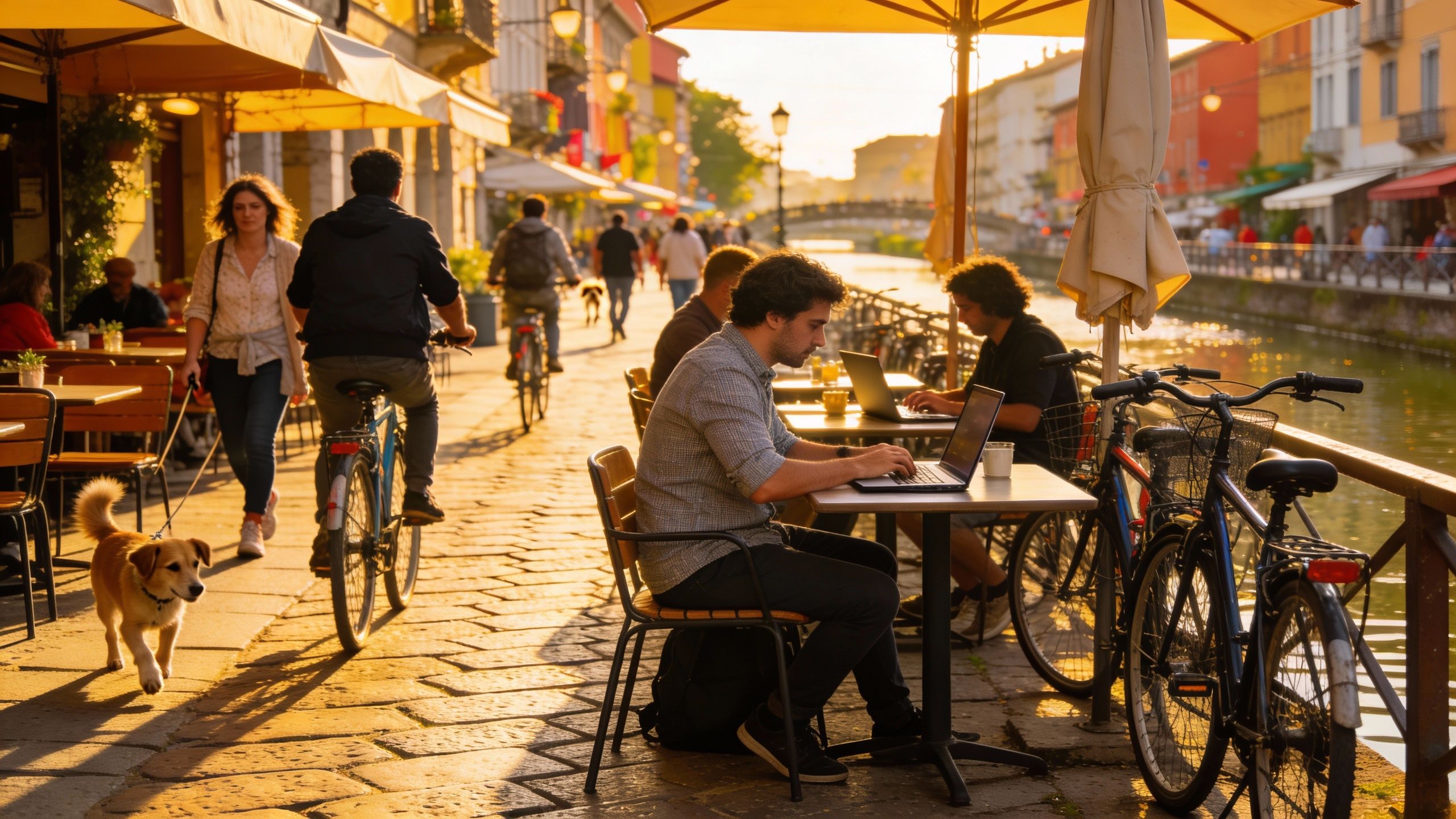
Imagine sipping a morning espresso on a narrow street in Bologna’s Santo Stefano, then walking five minutes to a bright coworking space where the Wi‑Fi actually works. Picture weekend swims on Liguria’s pebbled coast, late‑night aperitivo in Milan’s Navigli, and quiet olive‑grove life in Puglia. Italy isn’t one mood — it’s a playlist: historic centre, coastal slow days, and buzzing northern cities. For nomads thinking about a real move, the secret isn’t the headline city but the neighbourhoods that match how you want to live and work.
Living the Italian lifestyle: everyday scenes that steal hearts
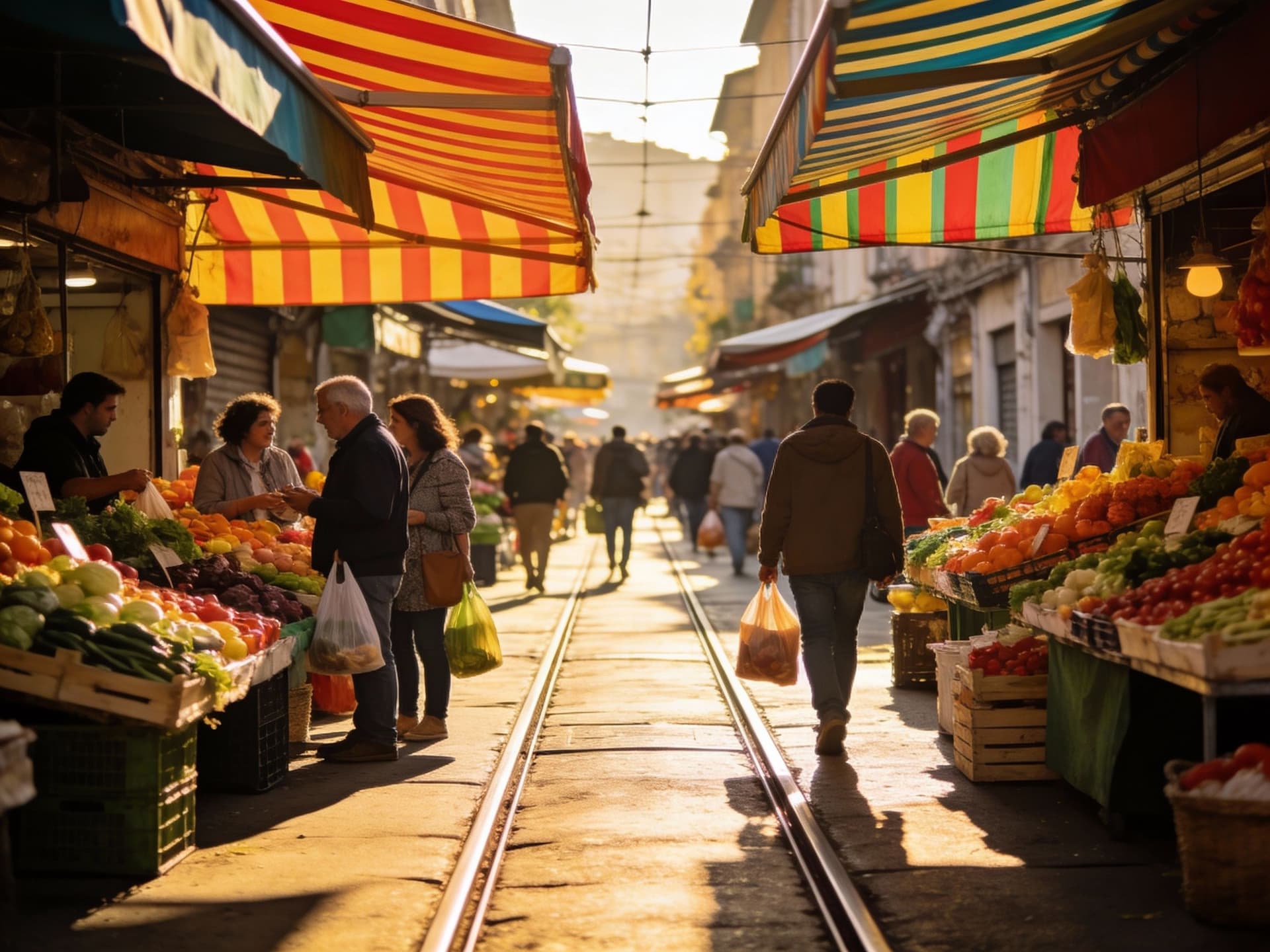
Italian days begin small and sensory: bakeries steaming with cornetti at 7am, markets that hum at 9, and piazzas that become living rooms by sunset. In the north, brisk bike commutes and design cafés set a productive tone; in central cities, life folds around historic streets and artisan workshops; in the south, mornings stretch longer, and food markets govern the week. For remote workers, that translates into choices: do you want a terrace where you can take calls with a sea view, or a compact flat two tram stops from a coworking hub? Your neighbourhood determines whether you’re embraced by local rhythm or only passing through as a visitor.
City pulse: Milan’s Navigli vs. Brera — canals, cafés, and late nights
Navigli buzzes with bar terraces and creative energy — great if you want after‑work social life steps from your door. Brera feels more museum‑close: quieter by day, romantic by night, with narrower streets and less bargain hunting. Milan remains pricier in its centre, but neighbourhoods like Navigli and Lambrate offer varied price bands and easy coworking access. According to recent market snapshots, Milan’s prime areas remain resilient even as buying power shifts slightly; that matters when you balance lifestyle against per‑square‑metre cost.
Historic heartbeat: Rome’s Trastevere and Prati — medieval lanes vs orderly boulevards
Trastevere is postcard‑perfect: ivy, narrow lanes, trattorie where chefs greet you like family. Prati sits near the Vatican with wider streets and calmer evenings — better for focused remote work. In Rome, expect tradeoffs: older buildings with character but noisier nights near bars, and more modern flats nearer diplomatic quarters. Market trends for 2024–25 show varying momentum across neighbourhoods, so match the vibe you want with realistic supply and pricing in each borough.
Lifestyle highlights nomads actually care about

If you work remotely, neighbourhood choice is about more than charm — it’s about fibre, cafés that welcome laptops, and coworking density. Italy’s coworking scene has been growing fast: in 2024 Milan alone hosted over a hundred spaces, and 60% of spaces sit in the north. That means pick a northern neighbourhood for choice and backup desks; pick central historic areas for lifestyle and be ready to check broadband before signing.
Food, markets and everyday life: how neighbourhoods taste
Markets are social infrastructure in Italy. Shop at Mercato Centrale in Florence for fresh produce and lunch exchanges, browse Mercato delle Erbe in Bologna for breakfast meetings, or wander Naples’ Pignasecca for cheap seafood and drama. These micro‑habits — where you buy bread, where you meet friends — shape whether a neighbourhood feels like home within months. Look for properties within walking distance to a daily market and a reliable café; it’ll define your routine faster than square metres.
Lifestyle highlights to check before you sign
Fast fibre options and a nearby coworking space
Daily market within a 10–15 minute walk
Evening vibe that matches your social energy (quiet vs buzzing)
Public transport links and train access for weekend escapes
Making the move: practical considerations that preserve the lifestyle
Dreaming is easy. Making it last needs planning. Italy’s overall market shows modest price growth in 2024–25 with strong local variation: prime centres rose but many provincial markets remain affordable. That means neighbourhood selection should be driven by real factors: resale supply, building condition, and whether the street will still have the vibe you love in five years. Work with local experts who know both the municipal quirks and the cafés where you’ll meet neighbours.
Property styles and how they fit nomad life
Historic apartments (centro storico) deliver charm and thick walls but often lack elevators, modern insulation, or consistent broadband. Newer builds or renovated palazzos give you fast fibre, air conditioning, and home office layouts. In coastal towns, terraces and outdoor space are gold for calls during golden hour. Prioritise a room that can be a dedicated office and confirm internet options before making an offer — you’ll be thankful when deadlines loom.
Working with local experts who preserve the lifestyle
Good agents do more than show listings — they introduce you to local cafés, point out morning markets, and flag noise after 10pm. Choose an agency that demonstrates local lifestyle knowledge: can they name the nearest reliable coworking space, a trustworthy cleaner, or which building has fast fibre installed? Those are the details that turn a pretty property into a liveable home.
Steps to balance lifestyle and practicality when buying in Italy
Visit the neighbourhood at different times (weekday morning, weekday evening, weekend).
Test internet speed in the exact flat and confirm providers for the building.
Ask the agent about neighbours, building maintenance plans, and recent renovations.
Check public transport links and weekend escape connections by train or ferry.
Insider knowledge: what expats wish someone told them
Expats quickly learn that local rhythm beats big promises: shops may close for riposo, bureaucracy takes time, and neighbourhood life often centers on long‑standing social networks. Italy’s demographics are shifting — many towns face ageing populations while cities attract younger professionals — which affects services and rental demand. Knowing who lives where helps you decide if you want a neighbourhood in transition or one already humming with your kind of community.
Cultural cues that change where you buy
Italians prize local ties: knowing your butcher or barista goes a long way. Buildings often lack modern conveniences but are full of character — learn to read facades for maintenance issues. Also, festivals and seasonal tourism can transform your street for weeks; decide whether you love the yearly rush or prefer steadier rhythms. Small social customs — greeting shop owners, understanding smoking norms in cafés, and embracing late dinners — shape how easily you integrate.
Long‑term lifestyle and growth signals
Look for municipal investment, coworking growth, and transport upgrades as signs a neighbourhood will improve. Idealista and local registries show pockets where prices are rising due to renovation incentives and travel‑friendly infrastructure. If you want to rent while you’re away, towns with active tourist seasons plus local demand (like Bologna, Florence, or coastal Liguria) balance income potential with everyday liveability.
Conclusion: fall for the life, then secure the details. Italy seduces easily — its piazzas, markets, and slow Sundays are why many of us arrive with hearts already half‑moved in. Match that feeling with pragmatic checks: fibre, a workspace, transport links, and a local agent who knows the street, not just the square metre. When lifestyle and logistics align, you don’t just buy property in Italy — you buy a life that fits.
MoveSettleGoDanish investor and relocation advisor focusing on Portugal and the Algarve; loves coworking culture and expat networks.
Related Articles
More insights that might interest you
 Villa Curated
 Villa Curated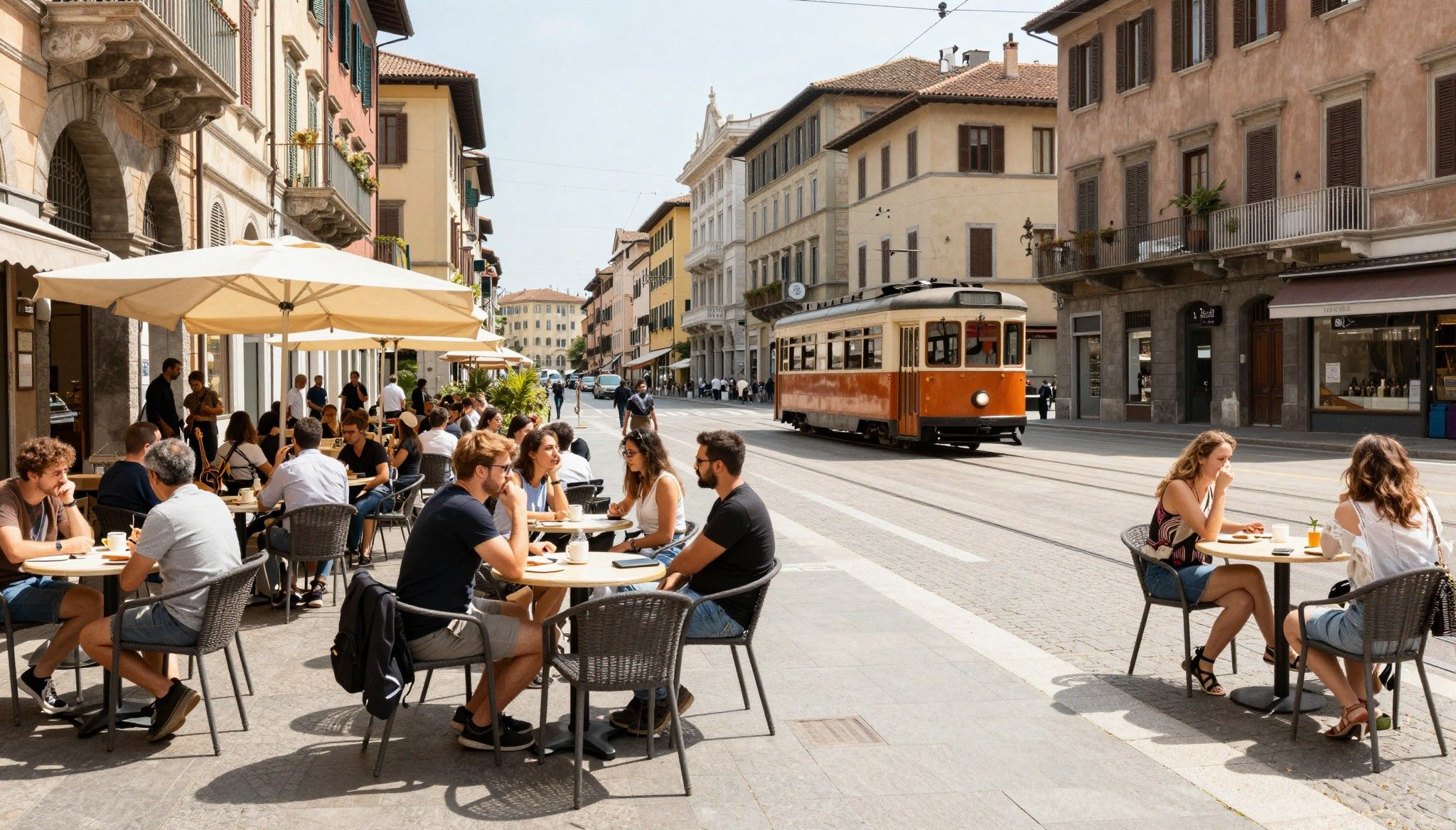
 The Yieldist

