Malta: Streets, Stewardship and Where to Invest Now
Malta’s compact, historic neighbourhoods offer a distinctive daily life; pairing that lifestyle with careful local due diligence is essential as prices and land scarcity push premiums.
 Villa Curated
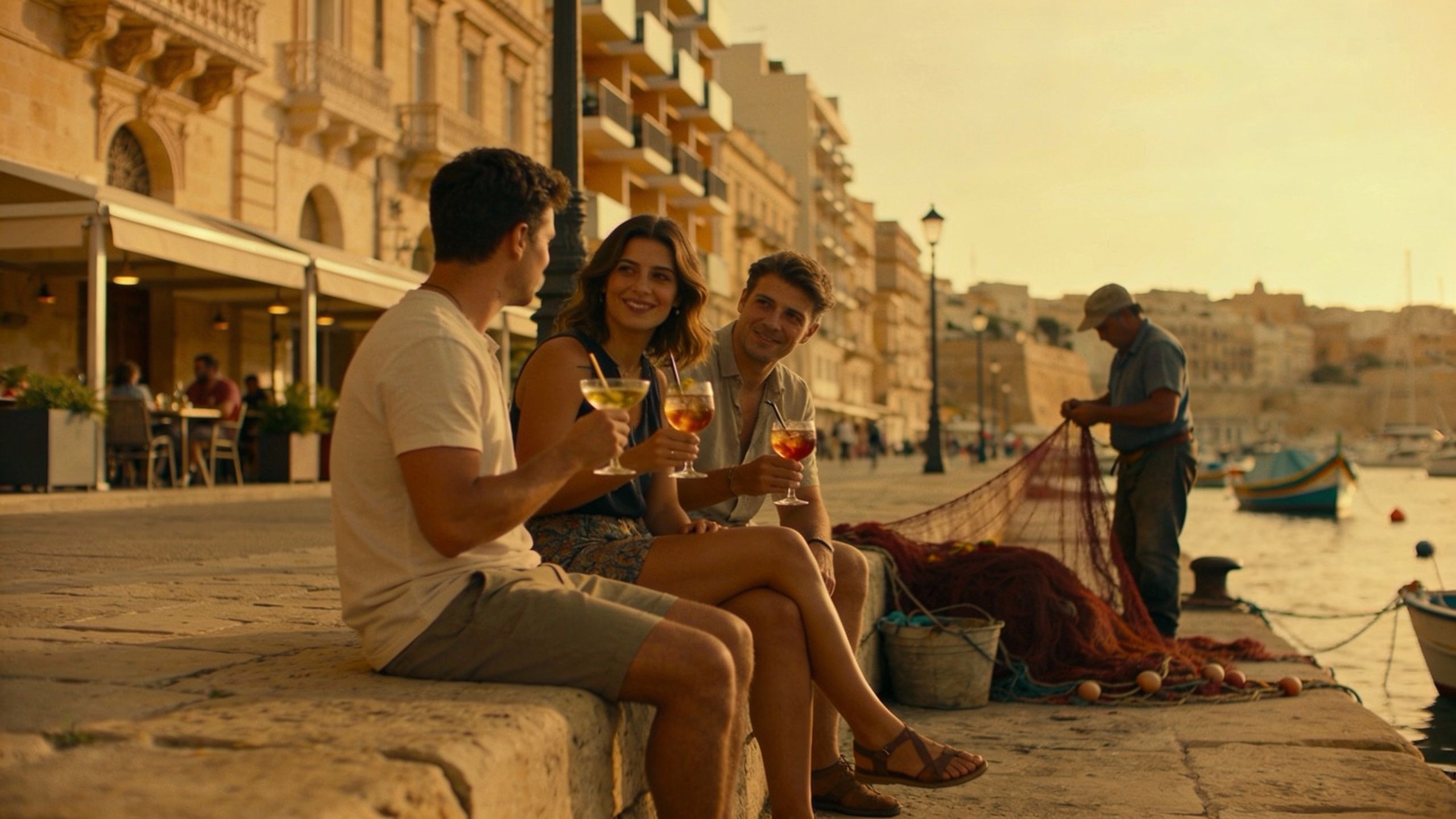
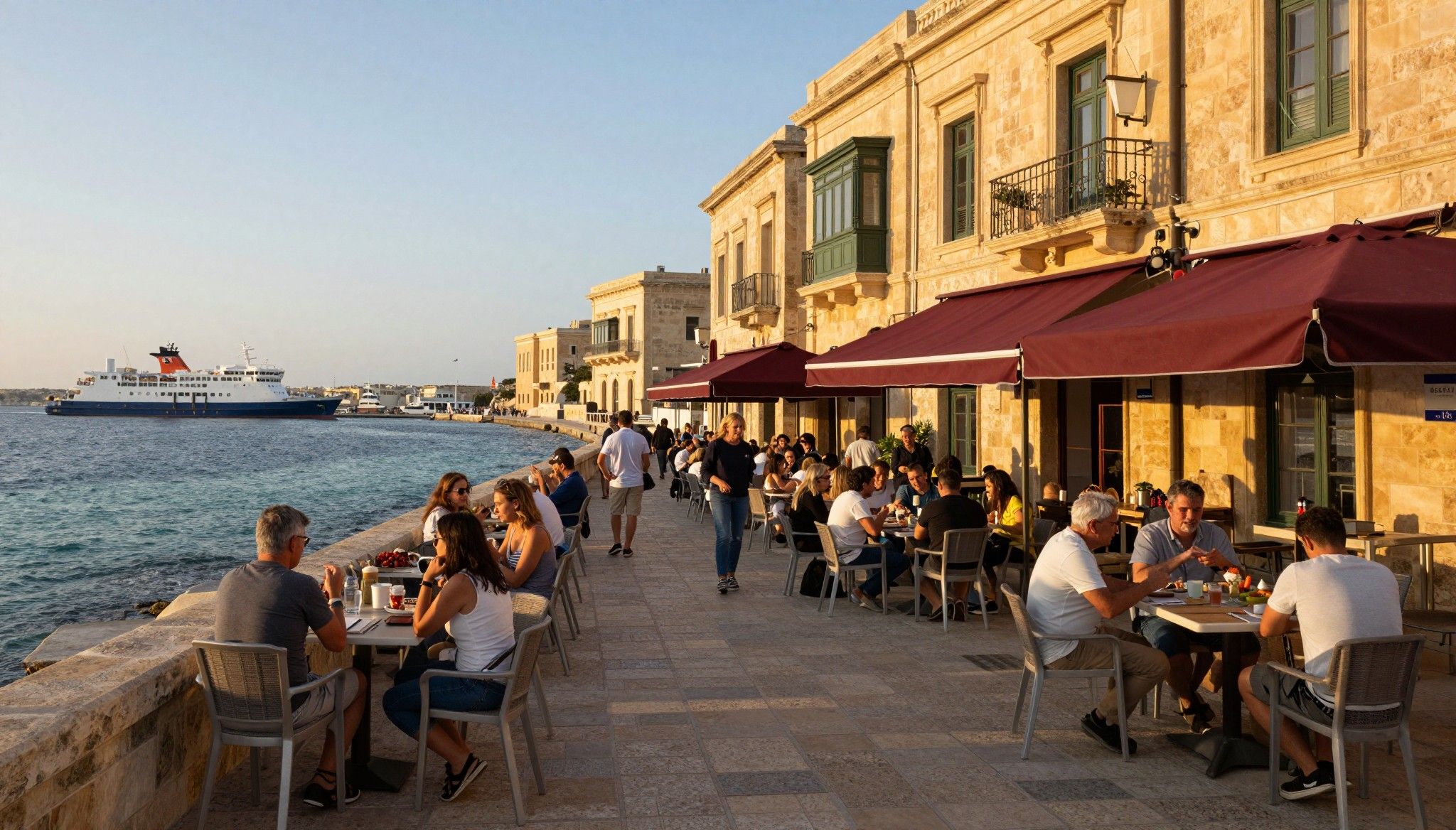
Imagine an afternoon in Sliema: espresso on a shaded terrace, limestone façades warming in late light, fishermen unloading lines at Marsamxett harbour and a stroll through narrow streets where a patisserie shares space with a restored baroque townhouse. Malta lives in close focus — compact distances, layered history, and neighbourhood rhythms that change every few streets. That intimacy is what draws many international buyers: not simply sea and sun, but a lived-in architectural texture and neighbourhood life that becomes personal. Yet that desire meets a market that has tightened in the last decade, so the choice of street and building now matters as much as the floor plan.
Living the Maltese Life
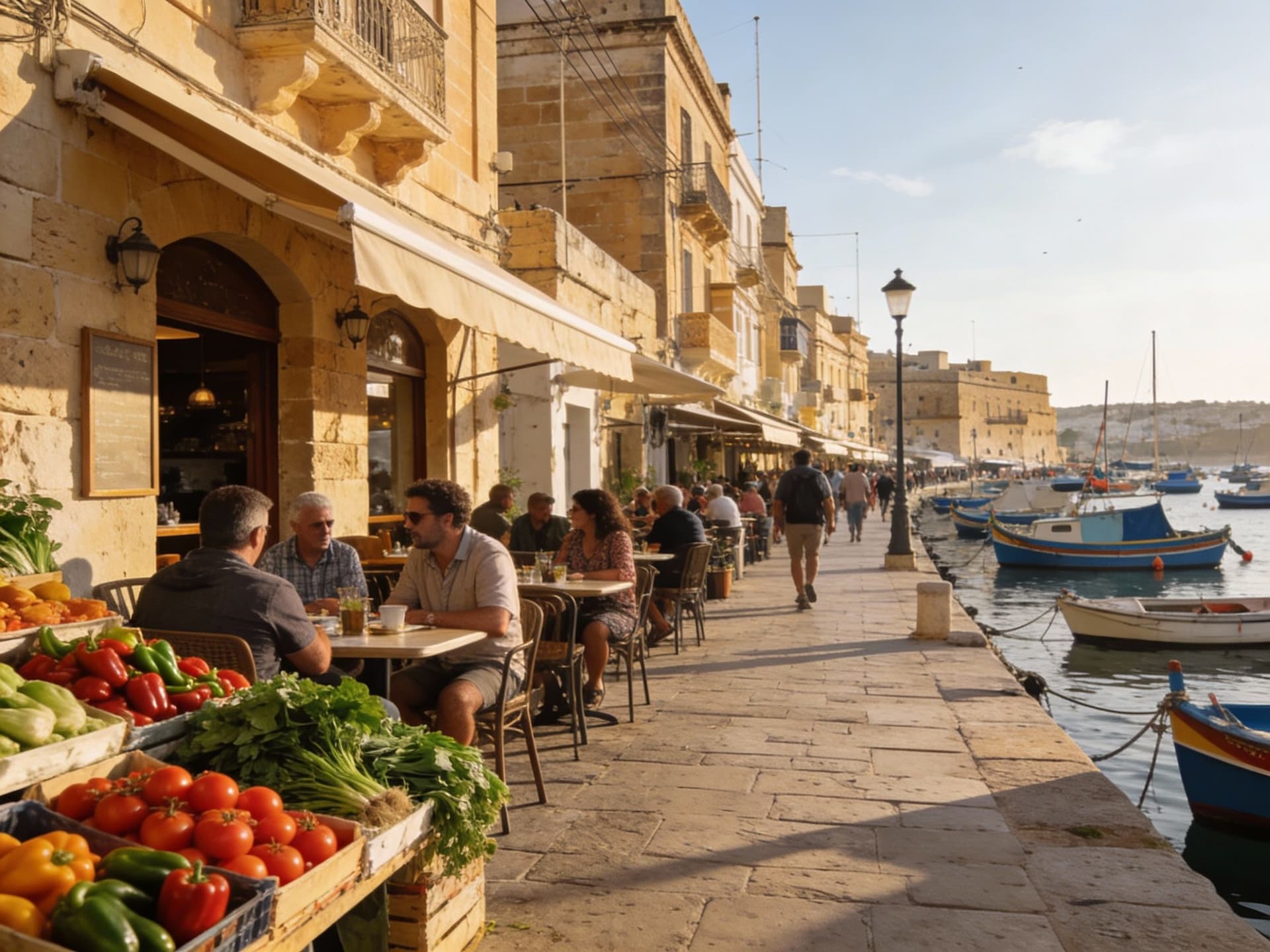
Malta’s day is measured in market hours, passeggiatas and harbour light. Mornings belong to cafés in St Julian’s and Sliema, where expatriates and local professionals overlap; midweeks bring local markets in Marsaxlokk and the quieter lanes of Rabat; evenings settle around family dinners of lampuki pie or rabbit stew. The island’s size turns errands into walks and neighbours into acquaintances fast — for buyers this means a property is not merely a building but an entry into a community. When you picture moving here, picture small rituals: buying bread at Pjazza San Ġorġ, a swim at Ghadira Bay at dawn, or Sunday prosecco on a Mdina balcony as the town wakes slowly.
Sliema, St Julian’s and Balluta: active coastal living
Sliema and St Julian’s sit across from Valletta’s formal presence and are Malta’s liveliest urban margins: cafes on Bisazza Street, waterside promenades, contemporary apartments with generous terraces and harbour views. Balluta Bay offers quieter residential streets and a handful of early 20th‑century villas; close by, Paceville supplies the nightlife, while quieter pockets retain family-oriented rhythm. These areas suit those who seek walkability, international services and ready rental demand — qualities that influence resale and yield for part-time owners.
Mdina and Rabat: tranquilly historic
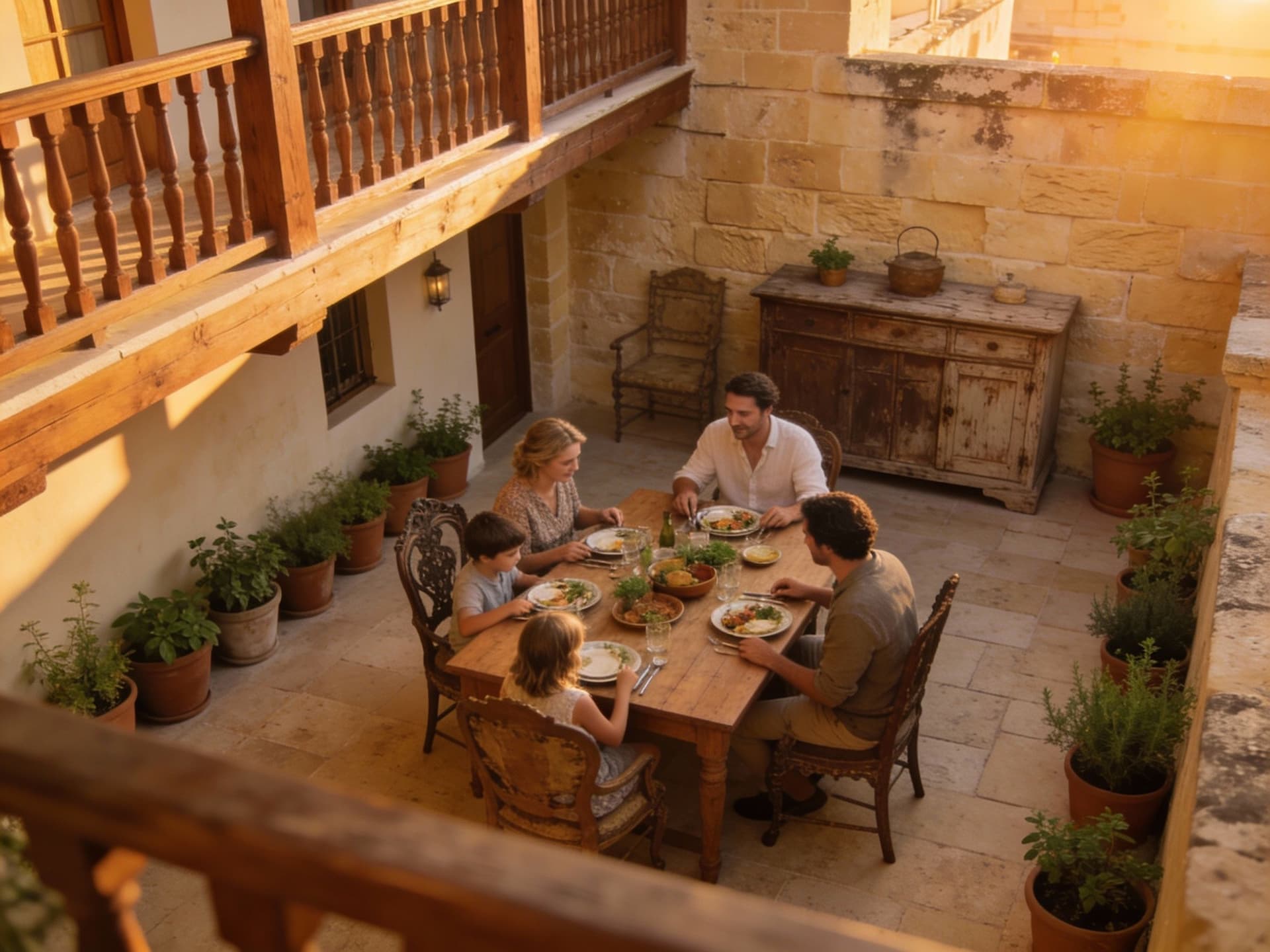
Move inland and the island’s medieval inheritance takes over: Mdina’s narrow lanes, palazzos and internal courtyards offer a quieter, more formal pace. Rabat and neighbouring Għargħur present restored townhouses and converted farmhouses — properties prized for original stonework, vaulted rooms and private courtyards. For families and collectors seeking architectural provenance, these neighbourhoods provide an intimacy that seafront apartments cannot replicate, but expect smaller resale pools and longer marketing horizons.
- Lifestyle highlights
- Morning espresso on Sliema’s Strand; evening aperitifs at Balluta Bay; weekend fish market in Marsaxlokk; dawn swims at Ghadira Bay; Sunday lunches in Mdina’s bastion restaurants; promenades from Valletta’s Upper Barrakka to the Three Cities.
Making the Move: Lifestyle Meets Practical Reality
The romance of small-street living meets a market that has appreciated materially: the National Statistics Office recorded a 5 per cent rise in the Residential Property Price Index between 2023 and 2024, and more recent quarterly data indicate continued upward pressure. That combination — beloved neighbourhoods with constrained land supply — means decisions about which street, which elevation and which orientation you choose will materially affect value retention. Practical choices should therefore be informed by both the life you want and the market dynamics that determine liquidity.
Property types and how they shape daily life
Apartments and penthouses deliver immediate seafront convenience and ease of management; maisonettes and townhouses offer private outdoor space and original Maltese features such as timber closed balconies and limestone arches. Converted farmhouses and palazzos demand stewardship but repay it with character and long-term provenance. Match type to routine: if morning swims and cafes matter, choose a sea-facing flat; if gardening, privacy and calm matter, look inland to terraced houses or rural conversions.
Working with the right local experts
An agency with local craftsmanship knowledge and bilingual staff is invaluable. Agents who understand Maltese building traditions — from rubble‑stone repair to the obligations of listed facades — will spot maintenance risks and hidden value. For international buyers, estate lawyers experienced with Malta’s conveyancing and residency advisers fluent in recent regulatory changes reduce friction. Treat agencies as curators of lifestyle as much as vendors of stock: the right firm will steer you toward streets where the daily life you imagine actually exists.
- Practical steps that marry lifestyle with due diligence
- Walk the street at different times (mornings, market days, evenings) to assess noise and community rhythm.
- Ask for a detailed maintenance history for older buildings and a schedule of façade or roof works.
- Confirm utility capacities and internet connectivity (essential for remote work) — not all older properties have modern cabling.
- Compare comparable rental demand if you plan part-time letting — central harbourfront locations typically outperform inland restorations for short-term bookings.
Insider Knowledge: What Expats Wish They’d Known
Many expatriates arrive enchanted and then discover that Malta’s small scale intensifies both pleasures and frictions. Parking, building permissions, and seasonal tourist flux matter. Land scarcity has driven the rise in value and concentration of worth in central neighbourhoods, so an apparently modest premium for a seaside terrace can reflect long-term scarcity rather than transient taste. Aware buyers treat those premiums as deliberate choices about daily life, not merely price differentials.
Language, community and integration
English is an official language and widely used in business, which eases many transitions; yet Maltese social life retains its own cadence. Joining local clubs — the neighbourhood band clubs, voluntary parish events or marina communities — accelerates belonging. Expect cordial formality: neighbours will inquire about renovations and family dinners, and reciprocity matters. For many buyers, learning a few Maltese phrases unlocks goodwill and practical help with builders and local tradespeople.
Long-term considerations: stewardship over speculation
Recent political shifts — including the EU’s scrutiny of citizenship-for-investment schemes — have altered some demand dynamics and policy certainty. For a buyer focused on lasting value, the priority is buildings with verifiable provenance, quality restoration and durable materials rather than speculative new builds that trade on temporary policy advantages. Think like a steward: choose properties whose architectural qualities and location will remain desirable irrespective of short-term incentives.
- Red flags and quiet opportunities
- Red flags: absent maintenance records, unclear façade or rooftop rights, overly aggressive permitted floor‑area claims.
- Quiet opportunities: streets just inland from Valletta and the Three Cities where family homes trade at a premium to tourists but offer strong long-term demand from locals and returning Maltese.
If the lifestyle is your primary aim, work backwards from it to practical criteria: what time of day you want light in the kitchen, whether you require beach access, whether a communal garden is non-negotiable. Then align those preferences with market data and local counsel. A villa with provenance near Mdina will deliver quiet dignity; a seawall flat in Sliema will deliver immediacy and rental flexibility. Both can be right — but they require different stewardship.
Conclusion: imagine the life, then secure it. Walk the streets you hope to live on, talk to neighbours, request maintenance histories and engage a lawyer who understands Maltese conveyancing. Use local agencies not as sales intermediaries but as cultural guides who know where the daily pleasures of Malta still persist. When lifestyle and due diligence proceed together, a Maltese property becomes not only a sound asset but the setting for a life that feels authentically lived.
Villa CuratedFormer Copenhagen architect who relocated to Provence, offering relocation services, market analysis, and a curator’s eye for authentic regional design.
Related Articles
More insights that might interest you
 Villa Curated
 Villa Curated
 The Yieldist


