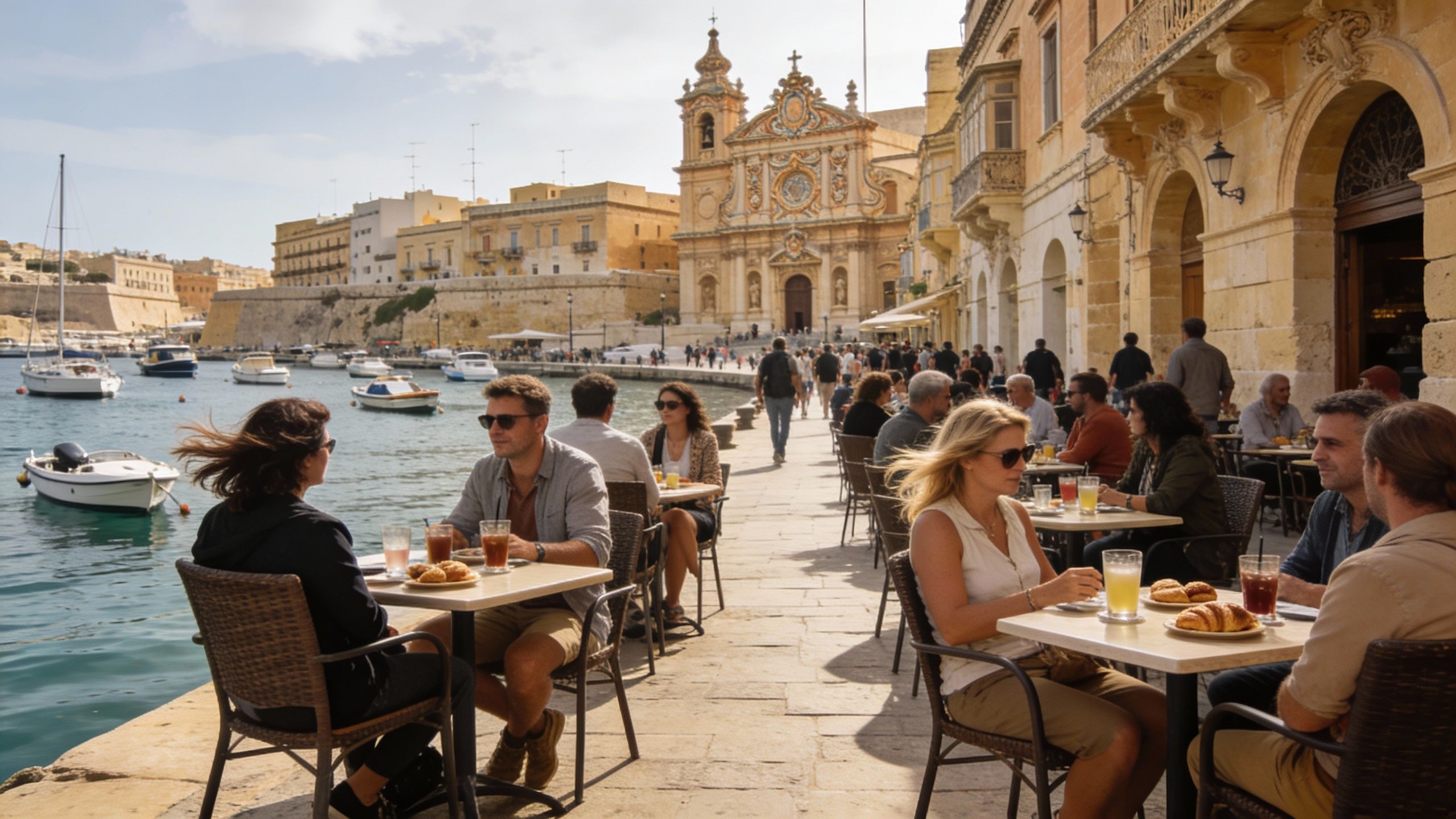
After the Passport: Malta’s Neighbourhood Shifts
Malta’s post‑passport market and 2024 tourism surge spotlight neighbourhoods where everyday life, not headline glamour, creates long‑term value.
 Blueprintera
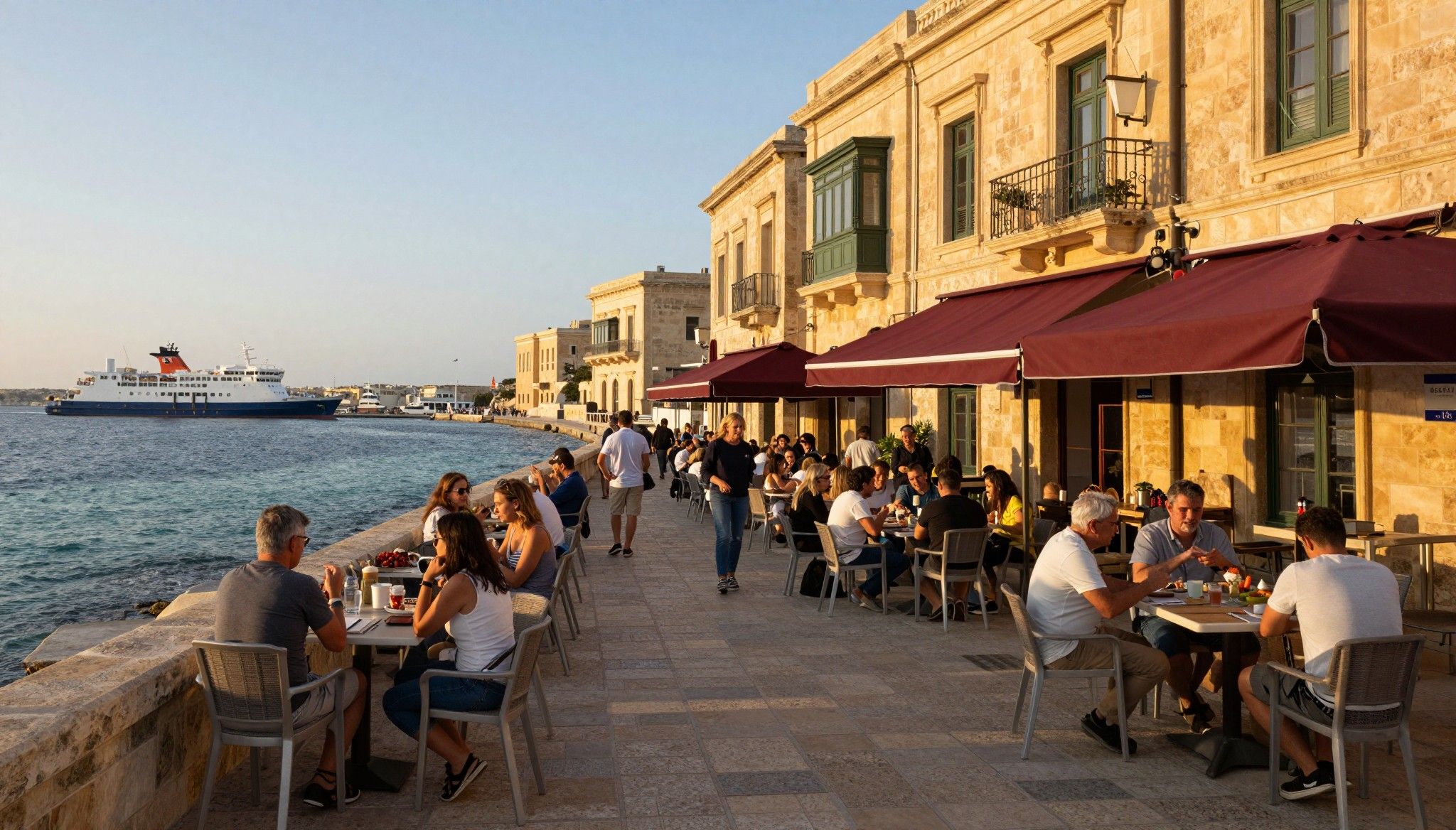
Imagine sipping espresso at a tiny café on Strait Street, then walking ten minutes to a late‑afternoon swim off Pietà’s rocky shelf—this compact island makes that possible. But the Malta you fall for at first glance—harbours, baroque facades, and busy waterfronts—doesn't always match where steady buyers should put their money. Recent policy shocks and rising tourism numbers are reshaping demand; the result is new neighbourhood winners that feel lived‑in rather than staged.
Living Malta: everyday life, neighborhood rhythm
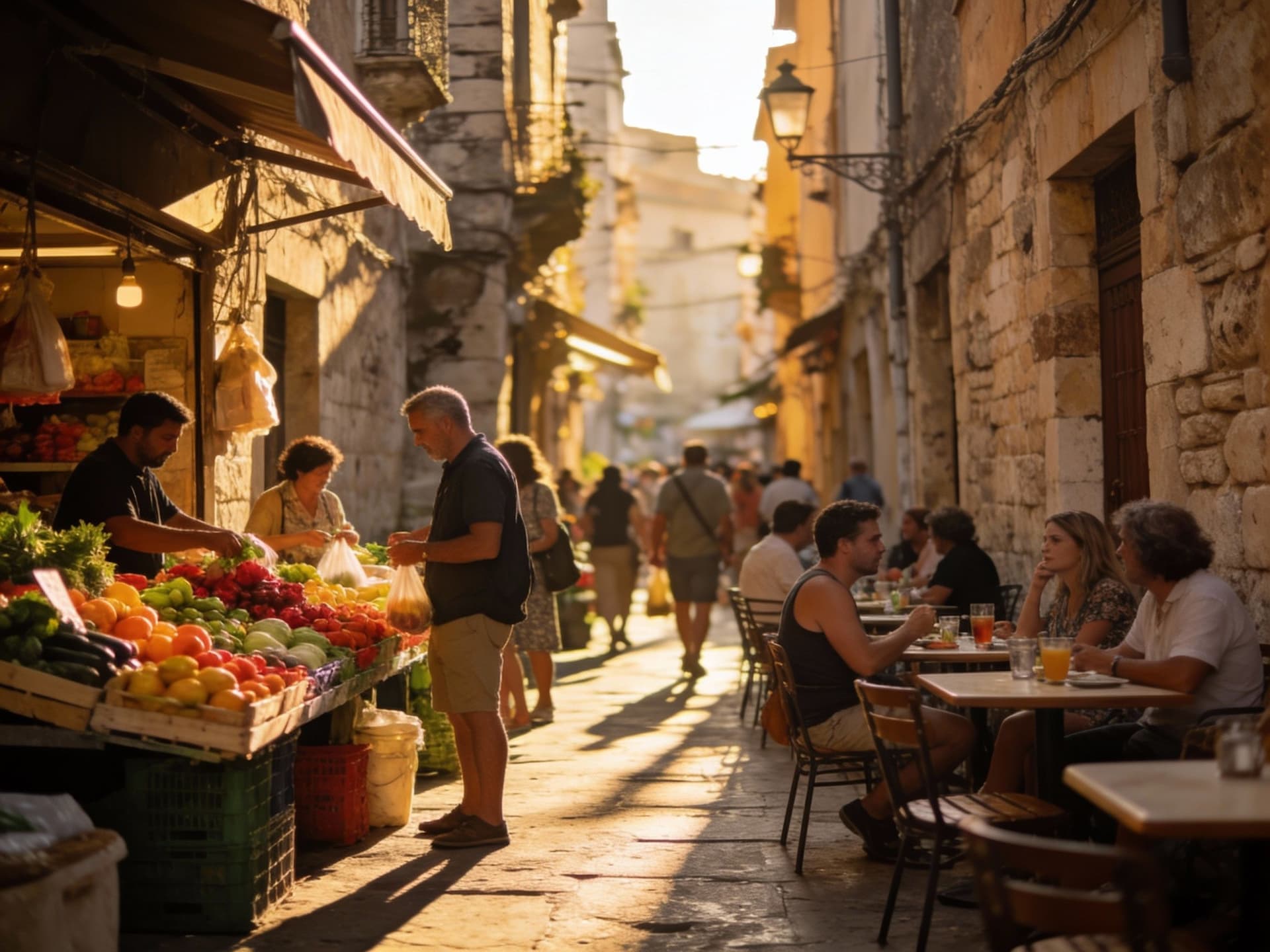
Daylight in Malta is social: morning coffee, a midday market run, kids off to school, and late meals under bougainvillea. Valletta’s theatrical stonework and Sliema’s seafront promenades host tourists and after‑work crowds; quieter life happens in areas like Żabbar, Attard and the Northern Harbour inner streets where you’ll find corner bakeries, small grocers and regulars who know your order. That contrast—destination glamour versus neighbourhood routine—matters when you choose a home you’ll actually live in year‑round.
Valletta & the Three Cities: theatre and tourists
Valletta and the Three Cities pulse with daytime cultural life and evening dining. They also attract the bulk of short‑stay visitors—Malta received over 3.5 million tourists in 2024—so expect lively summers and quieter off‑seasons. If you want a front‑row cultural life, these areas deliver; if you want slow Sunday mornings, look one tram or ferry away to quieter wards.
Sliema, St Julian’s & Ta’ Xbiex: seaside services and expat hubs
These coastal towns combine cafés, yacht marinas and apartment living favored by professionals and families. Expect cafés open late, co‑working spaces, gyms and international schools within short drives. For buyers wanting rental yield or immediate community, these areas remain reliable—but they come with higher asking prices and competition for turn‑key apartments.
Local pockets the guidebooks miss
Marsaskala’s waterfront cafés (Seaview Cafe, Da Marina); Attard’s quiet square and Sunday market; the narrow lanes off Triq il-Merkanti in Valletta for evening passeggiata; Għajn Tuffieħa sunsets and small coastal coves.
Practical reality: what the market is telling us now
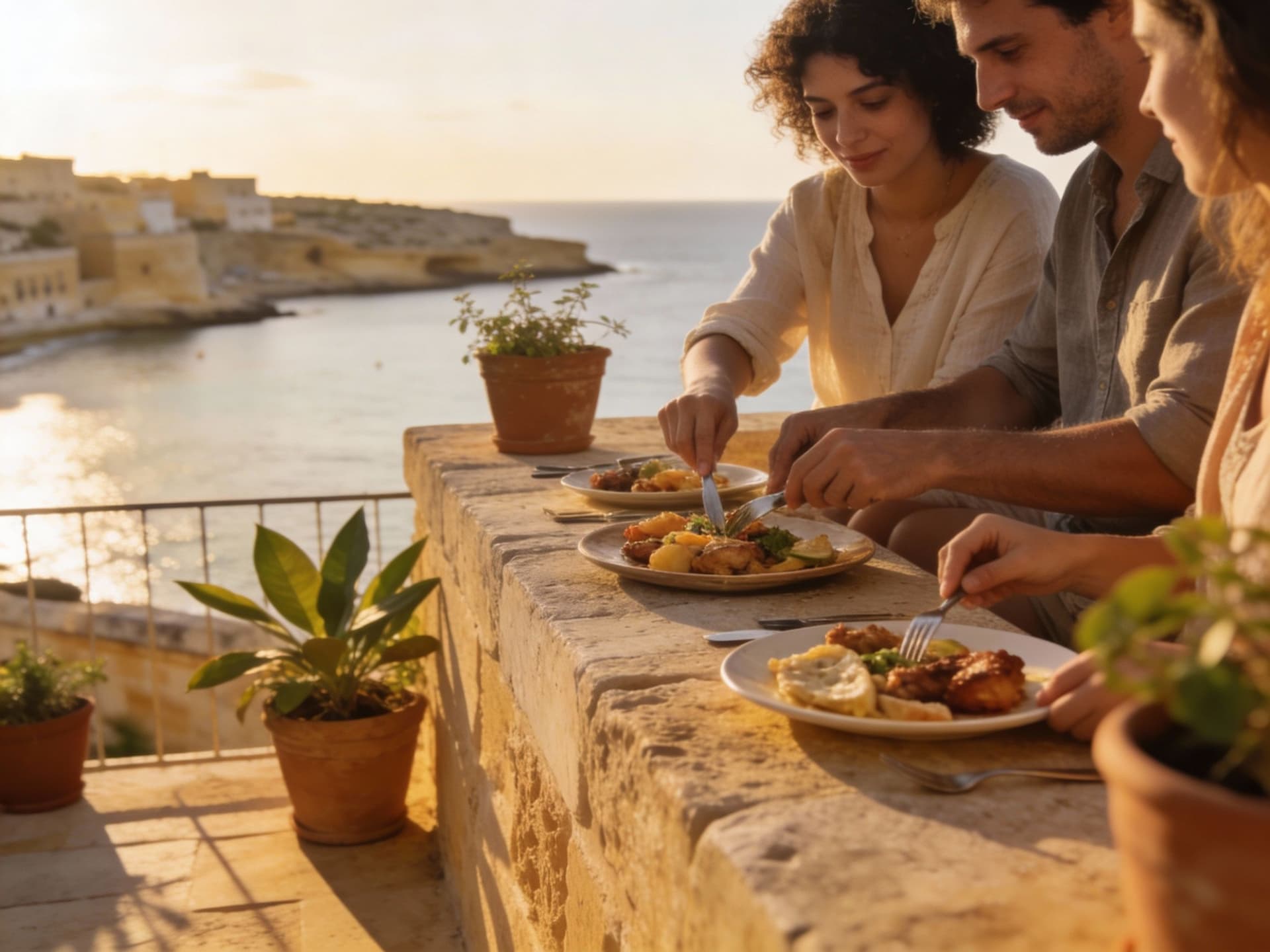
Behind the postcards, the data is clear: residential prices rose about 5% year‑on‑year through 2024, and many districts are recording steady demand as tourism rebounds. That combination means buyers who prize lifestyle need to balance the places they love with price momentum and rental dynamics. In short: love the life, but read the index.
Property types and how they shape daily life
Apartments dominate Malta’s market—compact floorplans, terraces, and shared staircases suit Mediterranean living. Maisonettes and terraced houses give more outdoor privacy and are common in older villages, while converted townhouses in Valletta offer character but often require renovation. Choose by how you want to live: terrace dinners and street life (apartment), private courtyard gardening (maisonette), or restoration projects with classic Maltese stonework (townhouse).
Working with local agents: the lifestyle matchmaker
A local agent should do more than show listings: 1) map daily routes (school, market, ferry), 2) introduce you to community fixtures (cafés, parish groups), 3) explain renovation norms for Maltese stone, 4) present real rental comparables if you plan to lease. These steps prevent buying a postcard rather than a life.
Insider knowledge: what expats learn after a year
Many expats tell the same story: the first six months are romance; months 7–18 teach you tradeoffs. Policy changes—such as the European Court’s 2025 ruling on citizenship‑for‑investment—shift buyer profiles and where demand concentrates. Areas previously favoured mainly for fast investors have softened; buyers seeking community and long‑term living now benefit from steadier pockets off the main tourist tracks.
Cultural cues that change where you live
English is an official language, which flattens the integration curve, but social life still revolves around parish feasts, local clubs and the bar‑and‑café culture. Respect for midday quiet and neighbourly norms affects renovation timing, terrace use and where families prefer to settle. Live like a local and your property will feel like home faster—this is also a common request you should make to your agent.
Hidden practical points expats often miss
1) Stone maintenance: traditional Maltese balconies and stonework need specialist care; 2) Seasonal rental peaks: summer yields are strong but seasonality affects long‑term returns; 3) Parking and narrow lanes: many older streets have limited space; 4) Short‑term rental rules: local rules can change quickly—plan for compliance and tax reporting.
From dream to decision: practical next steps
If Malta feels right, approach it like a lifestyle investment rather than a brochure purchase. Start with neighbourhood visits—spend mornings in cafés, afternoons on local beaches, and at least one evening at a parish festa or small concert. Use those visits to validate how you want to live, then layer in data: recent RPPI movements, local rental comparables and a renovation estimate.
A short, actionable checklist
1) Visit target neighbourhood at different times of day; 2) Ask agents for recent sale prices and RPPI trends; 3) Arrange a local architect or surveyor for renovation quotes; 4) Check local planning rules if you want outdoor terraces or extensions; 5) Discuss long‑term service needs (stonework, pest control, property management).
How agencies add lifestyle value
Good Maltese agents do more than show listings: they introduce you to neighbourhood contacts, advise on daily living costs and recommend trusted local contractors. Ask prospective agencies for a shortlist of three recent clients who moved from abroad and for examples of how they matched lifestyle requirements to specific streets or blocks.
Conclusion: Live first, buy second. Malta rewards buyers who prioritise the life they want—weekday markets, evening passeggiate, weekend harbour lunches—while also reading the data. Use neighbourhood time, local agents and the RPPI to choose a property that gives you both a life you adore and a sound, long‑term investment.
BlueprinteraSwedish strategist who relocated to Marbella in 2018. Specializes in legal navigation and tax planning for Scandinavian buyers.
Related Articles
More insights that might interest you
 Villa Curated
 Villa Curated
 The Yieldist

