Italy: Lifestyle Trade‑offs — Coast, City or Countryside?
Italy is a patchwork of lifestyles — city pulse, coastal slow life, and rural projects — and recent market data shows pockets of coastal growth and southward interest buyers should match vision with local reality.
 Blueprintera
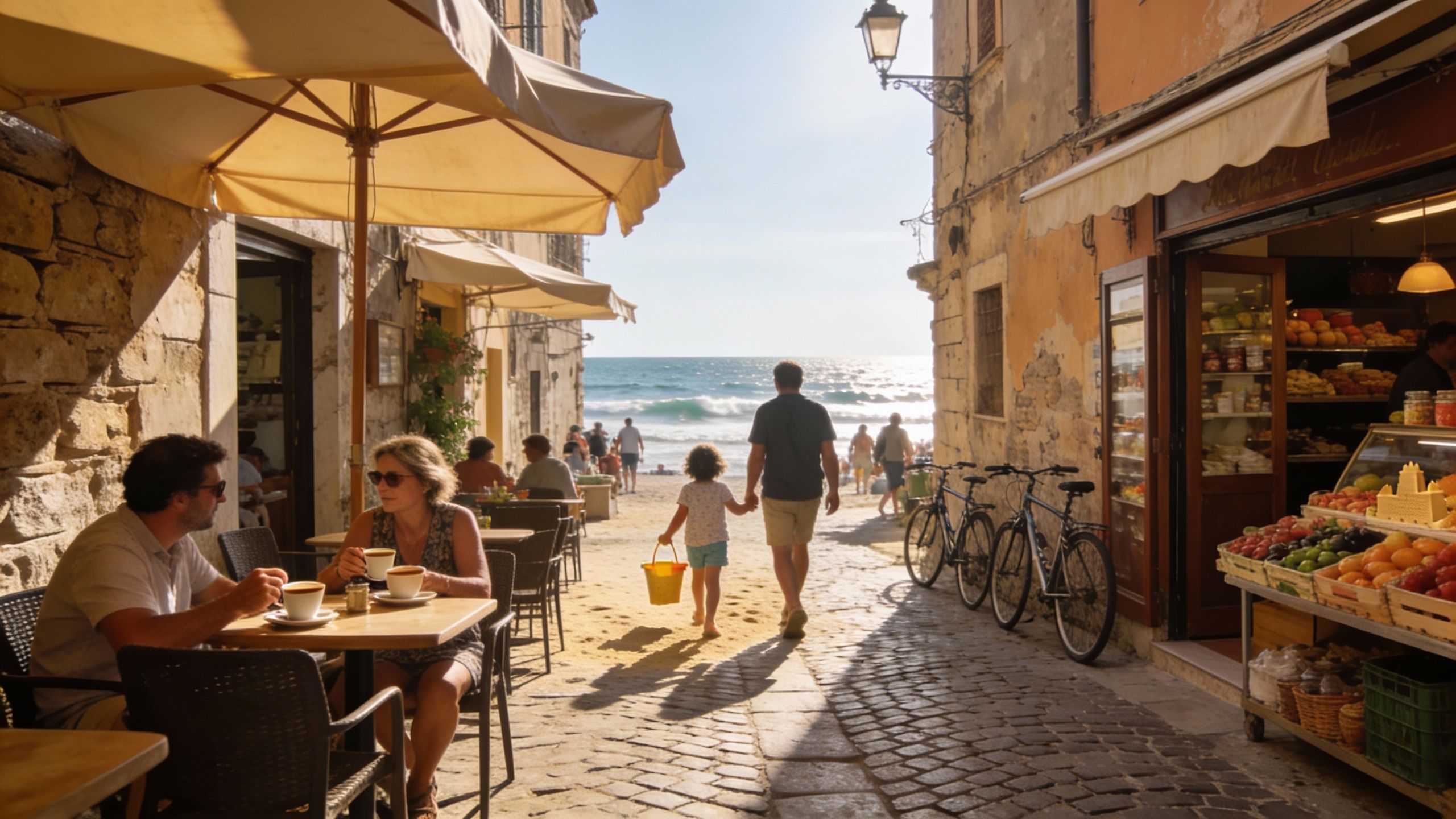
Imagine sipping an espresso on Via dei Coronari in Rome at 09:00, then trading that afternoon for a swim off a quiet Ligurian cove — Italy lets you live in layered days. For international buyers the choice isn’t just city versus coast; it’s choosing rhythms: piazza mornings, market Saturdays, and slow dinners that shape how a property will be used and valued.
Living the Italy lifestyle — what you actually wake up to
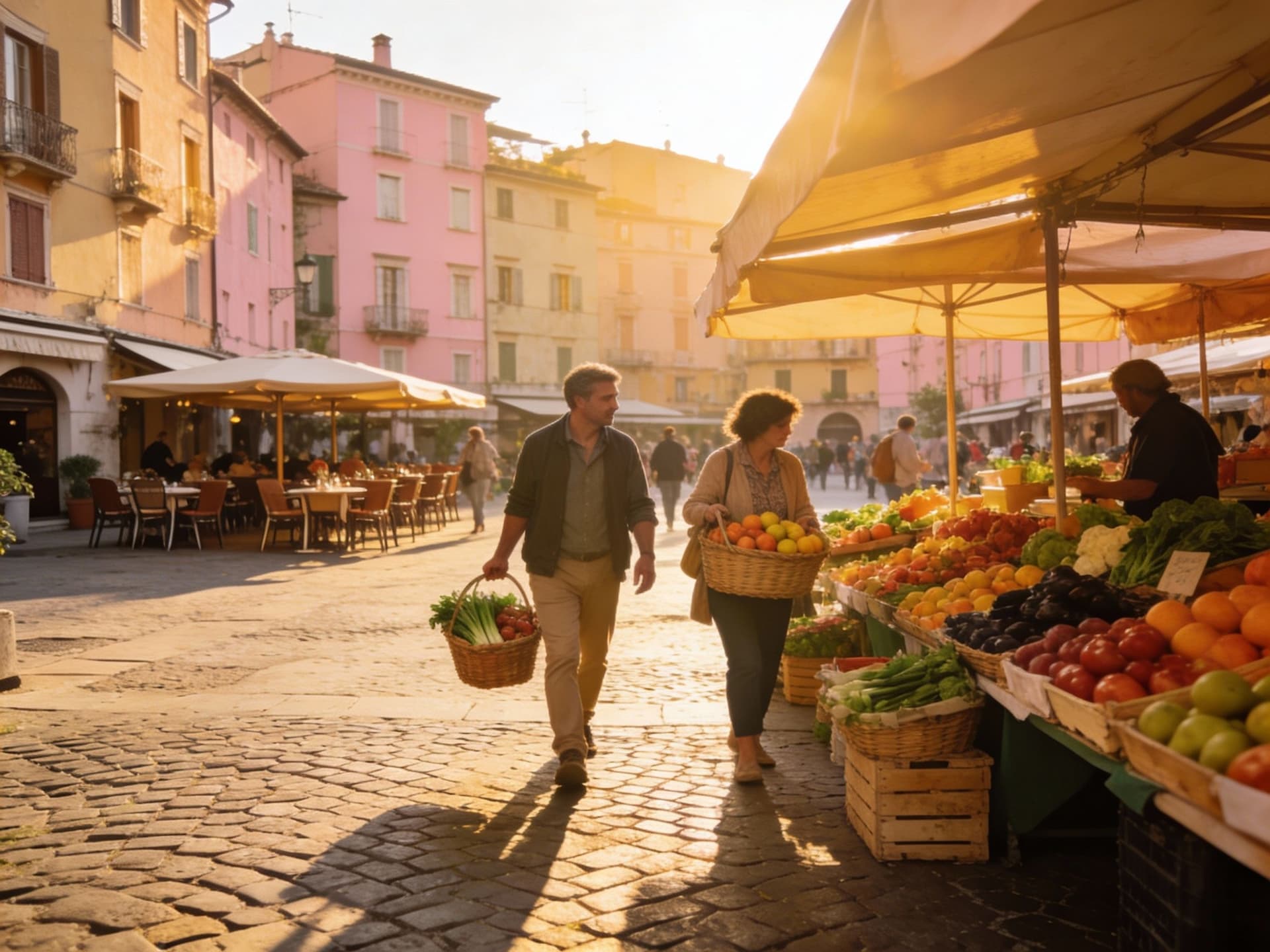
Italy is not one mood but many: alpine mornings in Trentino, salted air in Liguria and Puglia, and the timeless bustle of Naples or Palermo. Those differences matter — an ageing population and low birth rate are shifting urban demand, while international interest is driving pockets of coastal growth. You’ll feel this in cafes, school queues, and the size of local services near a property.
Rome, Milan and the compact-city pulse
If you want museums, late-night aperitivo and fast business links, central Rome or Milan delivers. Expect narrow, historic streets lined with neighbourhood bakeries and small grocery shops; daily life is spatially compact. Properties here are often older and characterful, with smaller terraces and higher price-per-square-metre than regional towns.
Coast and countryside: Liguria, Puglia and Sicily
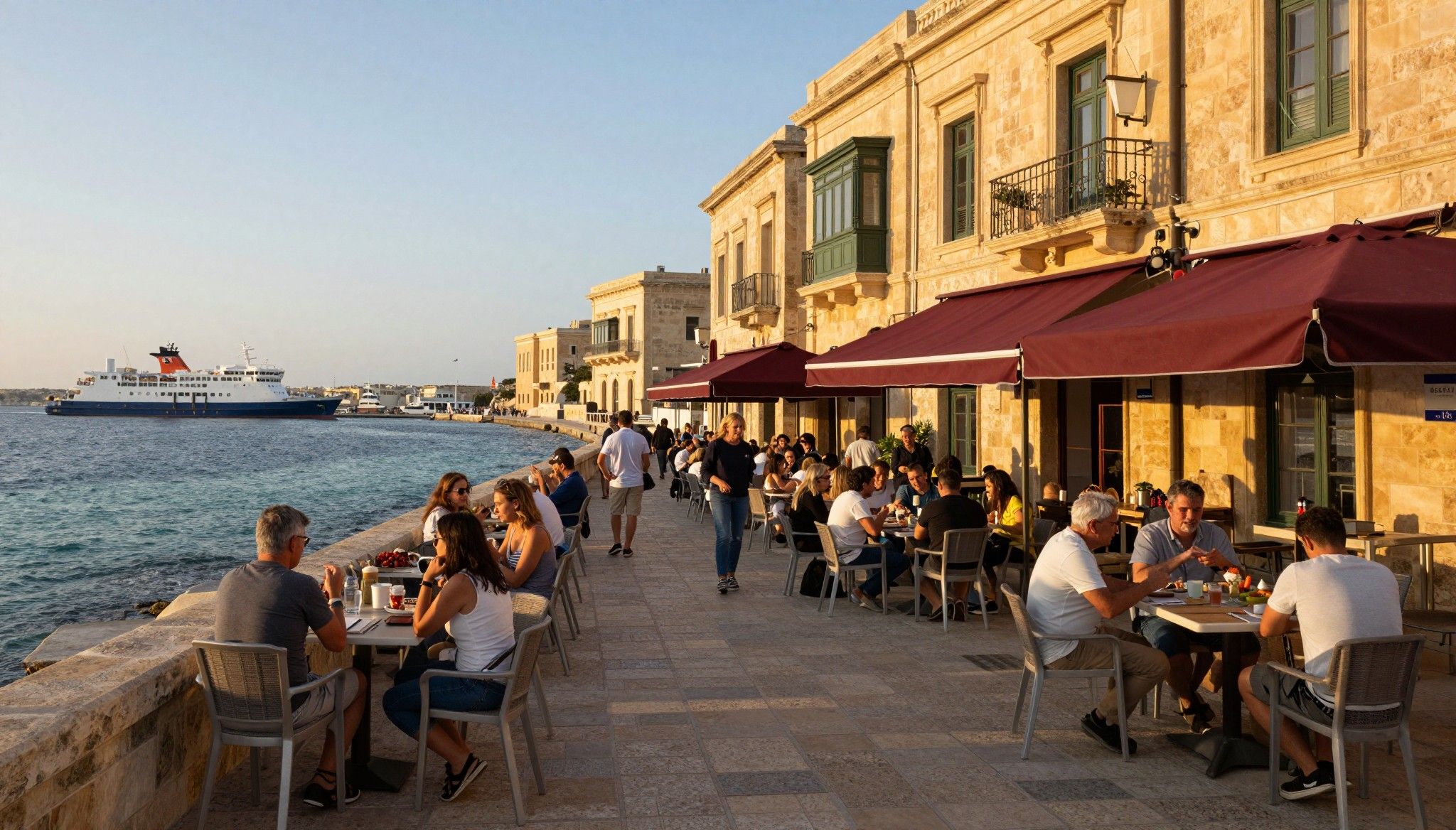
Coastal life is slower and seasonal — morning markets on Piazza del Popolo, long lunches, and days that move with the tide. Puglia’s olive groves and Sicilian hill towns offer lower entry prices and renovation upside. Liguria blends beach and town living, but expect steeper hills and smaller plots. Seasonal tourism can lift rental income but changes the year-round neighbourhood feel.
- Market-tested lifestyle highlights: • Morning espresso at Caffè Greco, Rome; historic centre apartments within walking distance. • Sunset walks on Viareggio promenade; modernised seafront flats with terraces. • Trulli-renovations in Alberobello, Puglia — rural charm, strong short‑let demand. • Genoa’s Boccadasse for village-by-the-sea life with city connections. • Taormina’s narrow streets and boutique market scene — tourist season tradeoffs.
Making the move: practical considerations that match the life
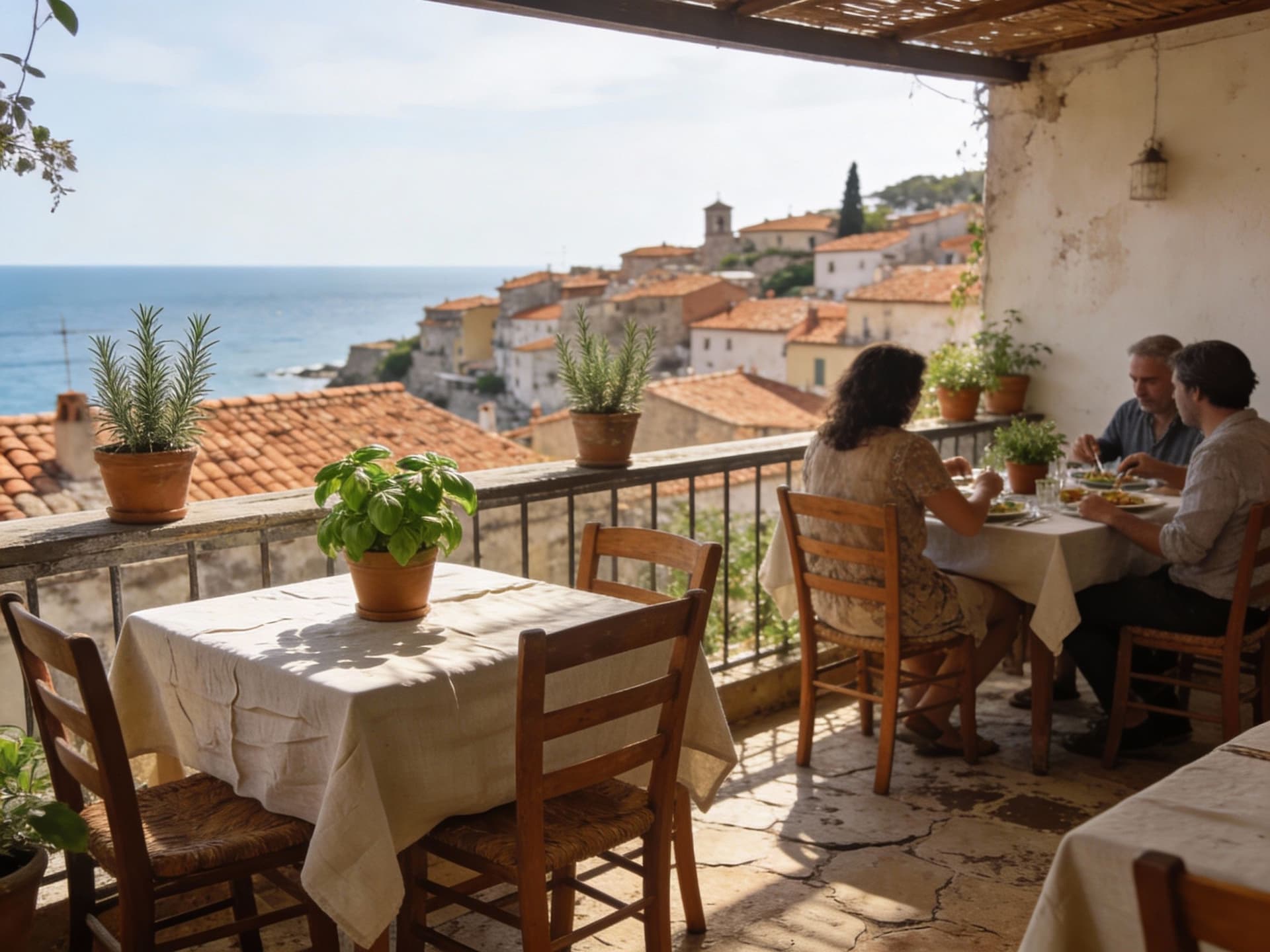
Dream days are easy to picture; matching a property to that lifestyle requires local data. Prices vary wildly — Milan and Venice sit at the top, smaller southern towns can be a fraction of city prices. Recent reports show stabilisation in city markets and growing international queries in southern coastal towns, so align timing and purpose (holiday home vs permanent move) with local market cycles.
Property styles and how they'll shape your life
A historic apartment in Florence gives immediate context — cobbled streets, smaller windows, thick walls — but often needs modernisation for long-term comfort. New-builds on city edges or renovated farmhouses in Puglia offer open-plan living and terraces suited to remote work. Choose by use: do you want an all-season primary home, a summer retreat, or a rental-first investment?
Working with local experts who know the life you want
- Steps local agents and advisors will help with: 1. Shortlist neighbourhoods by daily rhythms (market proximity, school access, commute). 2. Verify real-world running costs: energy efficiency, heating needs in alpine towns, water access in summer for coastal villas. 3. Check planning and historic‑building limits — critical in towns with protected centres. 4. Model seasonal rental income realistically, not by peak-month rates. 5. Arrange staged visits in different seasons to feel year‑round life.
Insider knowledge: expats’ regrets and local realities
Expats often fall for a postcard moment: a crowd-free beach or an empty hilltop piazza. Regret usually follows when practicalities—healthcare access, grocery variety, winter heating costs, or limited broadband—don’t match expectations. Italy’s demographic shifts mean some inland towns have shrinking services; check year-round life, not just peak-season charm.
Cultural integration: language, social rituals and neighbourliness
Learn a few practical phrases and invest time in the coffee bar — many relationships that ease bureaucratic and community life start at counters. Local custom matters: windows and shutters, recycling routines, and how municipal shops operate on holidays all shape convenience. Communities welcome newcomers who show respect for routines.
Long-term lifestyle considerations buyers overlook
- Look beyond the immediate charm: • Year-round transport: ferry timetables, regional train frequency, and winter road maintenance. • Healthcare proximity: clinic vs hospital distance matters for retirees. • Energy upgrades: older homes often need insulation and heating modernisation. • Planning restrictions: heritage protections limit extensions. • Community seasonality: villages can be lively in summer and near-empty in winter.
Bring your lifestyle vision to the table when meeting agents. A good local agent will test your assumptions — for example, if you imagine daily beach walks but choose a hilltop property with steep access, they’ll show realistic alternatives. Agents are the bridge between feeling and feasibility.
A few data-backed realities to anchor the romance
- Key figures every buyer should know: • Milan city averages are multiple times provincial prices — expect >€4,000/m² in prime pockets. • Southern towns and Sicily offer sub‑€1,000–€2,500/m² opportunities, but with renovation and services tradeoffs. • Coastal hotspots (Venice, Liguria) keep premiums; inland provincial towns often show slower, steadier markets. • Demographics: an ageing population affects long‑term demand for family-sized housing in smaller towns.
Quick red flags that need local verification
- A practical due-diligence checklist: 1. Confirm cadastral records and permitted uses with a notaio. 2. Check for historic‑building protections that block changes. 3. Validate utility connections and broadband speed tests. 4. Request year‑round running cost estimates (heating, water, waste). 5. Ask for recent council plans affecting access or tourism pressure.
Buy with the life you want in mind. If your dream is morning markets, dinner‑time piazzas and a short commute to weekend beaches, list those non‑negotiables and test them on visits in different seasons. Use local agents to subjectively curate locations and lawyers/notaio for objective checks.
If Italy feels irresistible, start small: shortlist three neighbourhoods that match your daily rhythms, visit off‑season, and ask an agent to model total costs and rental scenarios. That balance — romance anchored in data — is how your Italian life moves from dream to address.
BlueprinteraBritish investor turned advisor after buying in Costa del Sol since 2012. Specializes in cross-border compliance and data-driven investment strategies for UK buyers.
Related Articles
More insights that might interest you
 Villa Curated
 Villa Curated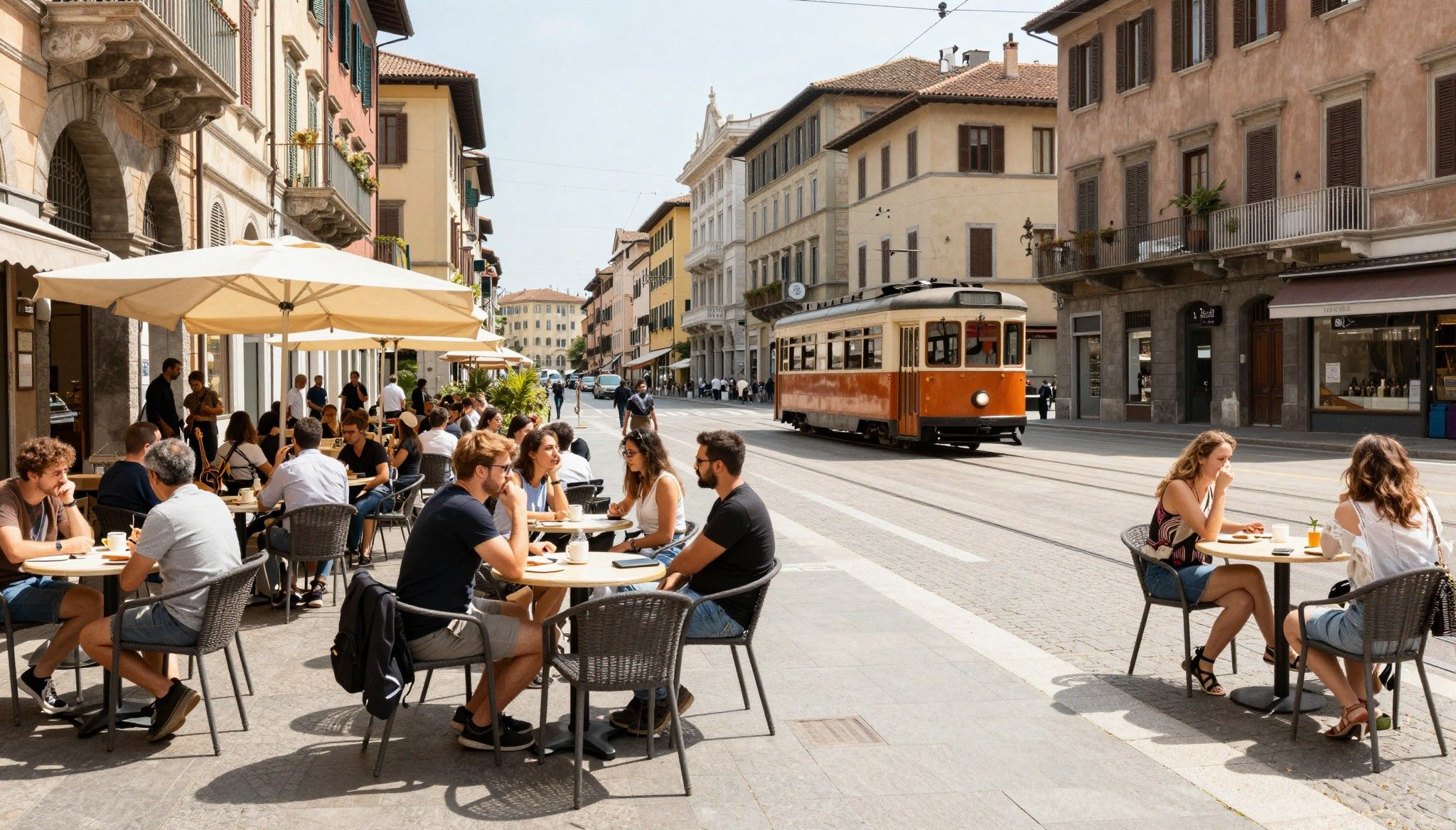
 The Yieldist

