
Greece’s Tax Windows and Seasonal Yield Opportunities
Greece’s tax swings and seasonal demand create hidden buying windows—confirm VAT vs transfer tax, budget for ENFIA and island logistics, and pair lifestyle choice with legal certainty.
 The Yieldist
Imagine mid-morning in Koukaki: a barista pulls an espresso, a courtyard taverna lets out the scent of grilled fish, and a renovated neoclassical apartment two streets back trades steadily between short-let tourists and long-term renters. That tension—sunlit lifestyle vs. disciplined return—defines buying in Greece today, and small regulatory shifts can swing a deal by tens of thousands of euros.
Living the Greece lifestyle

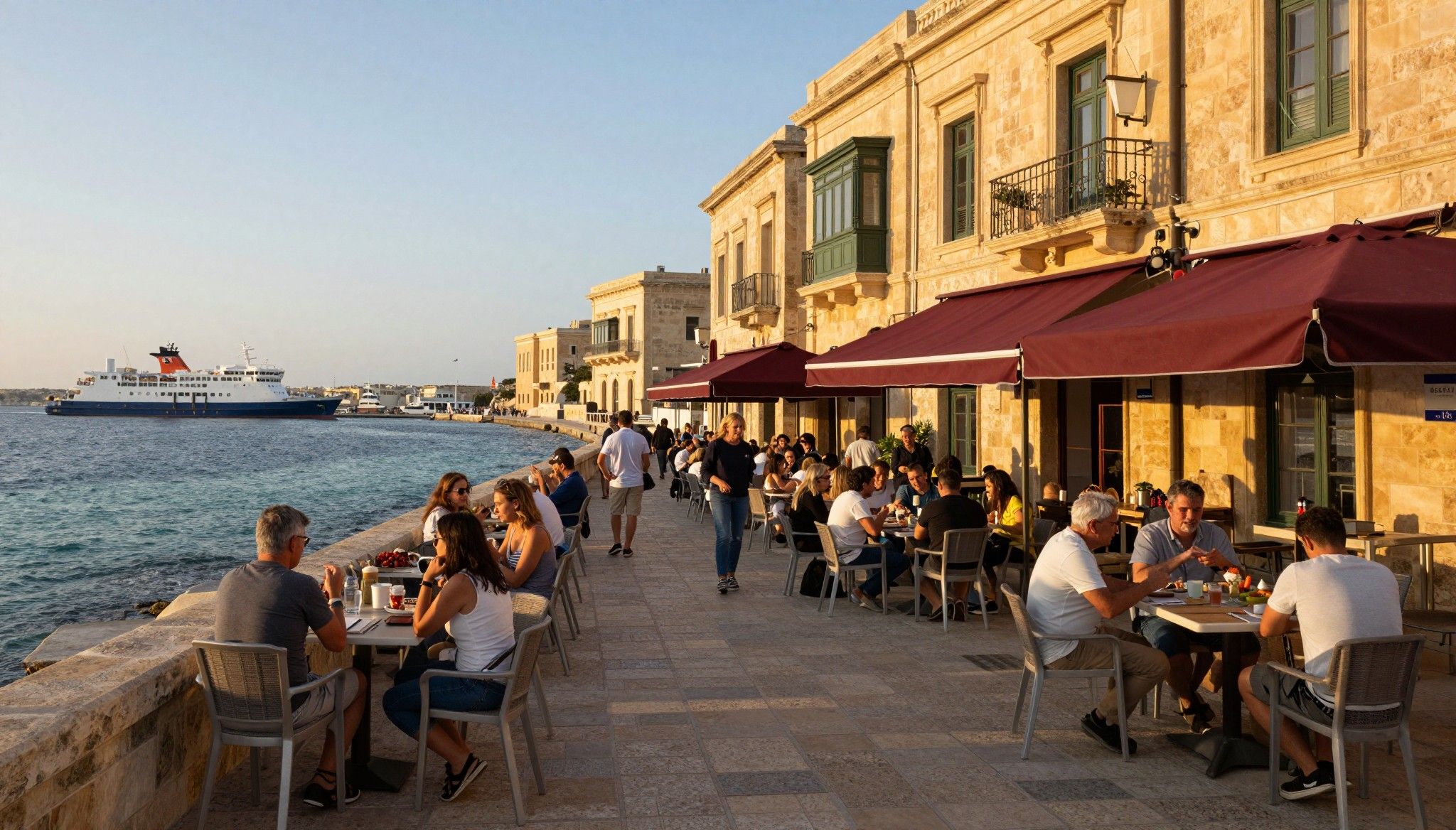
Greece moves at the rhythm of plaza life and seasonal waves. In Athens you’ll trade island silence for late-night plate-smashing bouzouki bars and weeknight markets; on the Cyclades you’ll balance quiet winters with explosive July demand. Daily life here privileges outdoor cafes, seafood markets and neighbourhood municipal squares where locals still trade news in person.
Neighborhood snapshots that matter
Koukaki and Petralona in Athens offer narrow streets, cafes, and walk-to-everything living—good for long-term rentals to young professionals. In Chalandri and Kifisia you find family-oriented streets with international schools. On the islands, Naxos and Syros present the quieter island-market tradeoff: lower purchase prices but steeper logistical costs for maintenance.
Food, rhythms and seasons (yes, they affect yield)
Picture buying bread at Varvakios market at 08:00, then checking rental enquires over lunch. Seasonal tourism drives short-let income: islands spike in July–August, Athens peaks around conferences and events. Average prices vary materially—Athens central can command €4,500–€8,000/m² while secondary islands often sit below €3,000/m²—so lifestyle choice directly alters capital and yield math.
- Lifestyle highlights: espresso at “Kafenio” on Kallikratis; sunset cocktails in Oia (Santorini); weekend farmers’ market at Monastiraki; morning swims at Agios Georgios (Naxos); late-night mezze in Psyrri.
Making the move: practical considerations that preserve yield

Lifestyle decisions create predictable costs: island logistics raise maintenance line items; historic central flats often require seismic or listed‑building works. On the regulatory side, Greece has recently toggled VAT and transfer-tax rules on new builds—these shifts can change transaction economics more than a neighborhood’s prestige.
Property types and how they match real life
A restored city apartment offers short‑let appeal and low land upkeep but often higher renovation costs and stricter heritage rules. A new build delivers modern finishes and fewer surprises but has historically been subject to VAT (24%), which governments have suspended periodically—so confirm tax treatment before contract signing.
How local experts protect both lifestyle and yield
Use a local attorney to confirm whether a sale will attract transfer tax (≈3%) or VAT (24%)—a single clause in a developer contract, or a government suspension, can flip your acquisition tax bill by tens of percent. Agencies with legal desks and accountants familiar with ENFIA (property tax) and local objective values save money long-term.
- 1. Verify new-build VAT status with seller and notary; 2. Ask for an ENFIA estimate (annual property tax) before bidding; 3. Budget 1–2% for notary and registration fees; 4. If buying on an island, add 3–5% for logistics and property management.
Insider knowledge: rules, red flags and tax opportunities
Expats often assume Greek taxes are simple. They aren’t. Expect progressive rental income tax (with rates historically reaching 45%), ENFIA property tax, plus transfer or VAT on purchase. Recent policy moves—VAT suspensions or one‑off reductions—create windows of advantage, but they’re temporary: treat them as timing opportunities, not permanents.
Cultural and practical red flags
Beware properties with unclear objective (tax) values—those are frequently reassessed at sale and can increase transfer taxes. Also be cautious with advertised 'fully legal' short-let potential: municipal permits and condominium rules often limit short-term rentals in historic cores.
Tax-smart strategies investors use
- Buy via a share deal for large holdings; document historic renovation expenses for ENFIA mitigation; examine REIC (Real Estate Investment Company) routes for preferential tax treatment; check non-dom flat-tax options for high earners.
- 1. Ask seller for recent tax clearance certificates; 2. Require a clear VAT vs transfer-tax clause in the reservation agreement; 3. Insist on a notary-approved final deed timeline; 4. Arrange local property management before closing to control maintenance costs.
What expats wish they'd known
Expats tell a common story: they fell for the light, bought fast, then learned municipal planning, neighbour agreements, or seismic work requirements eroded projected yields. The lesson: marry the lifestyle brief (where you want to live) to a spreadsheet of recurring costs and regulatory risk.
Integration, language and local norms
Learning basic Greek opens doors to local tradespeople and community trust; be prepared to accept slower bureaucracy and value face-to-face dealings—both affect timelines for renovations, permit approvals and rental onboarding. Local agents who speak Greek and English shorten those cycles materially.
Long-term lifestyle and portfolio fit
Greece can offer portfolio diversification: lower entry prices outside flagship islands, good seasonal rental upside, and tax regimes favourable for certain foreign residents. But treat Greek property like a blended asset: seasonal alpha from tourism and steady beta from long‑term local demand.
- Final practical checklist: - Confirm VAT vs transfer tax status in writing; - Get ENFIA and rental‑income tax estimates; - Factor island logistics and annualised occupancy into yield; - Use a Greek notary plus an accountant familiar with non-dom rules; - Line up local property management before completion.
Greece rewards buyers who combine lifestyle clarity with tax-savvy timing. If you want the light and the returns, start by locking the tax picture: a notary‑backed statement on VAT/transfer tax and an accountant’s rental‑income forecast turn romance into an investable asset.
Conclusion: fall in love on a walkable street, but sign with eyes open—use local legal expertise, confirm tax treatment early, and budget for the island‑to‑mainland differences. That way, your Greek home becomes both a place to live and a disciplined, yield‑oriented asset.
The YieldistNorwegian market analyst who relocated from Oslo to Mallorca in 2016, guiding Northern buyers through regulatory risk, currency hedging, and rentability.
Related Articles
More insights that might interest you

 Villa Curated
 Villa Curated
 The Yieldist


