Malta’s Local Rules That Reprice the Dream
Malta’s charm is immediate — but small‑island rules matter. AIP permits, SDA zones and transfer taxes reshape where and how international buyers should invest.
 The Yieldist
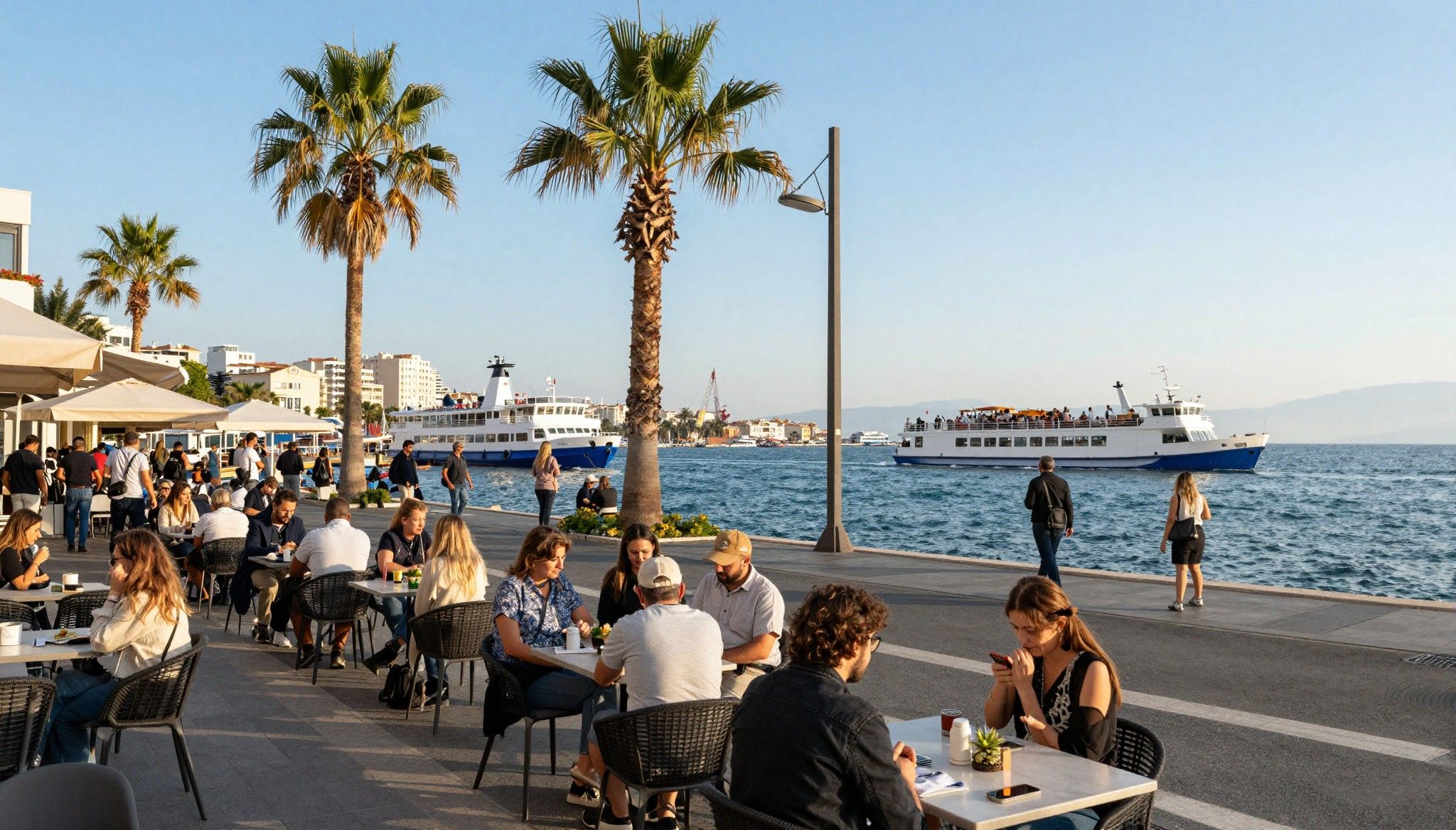
Imagine starting the day with a short walk down Strait Street to a café that pours a perfect espresso, then catching a ferry to Sliema for a lunch of lampuki fritters — all within a compact island where neighbourhood character arrives fast. Malta’s narrow streets, limestone façades and lively piazzas feel immediate: Valletta’s baroque hush, St Julian’s after-dark energy, and the village tempo of Mellieħa. That immediacy is what sells the dream — and what turns an otherwise simple legal step, like applying for an acquisition permit, into a decision that reshapes daily life.
Living the Malta lifestyle
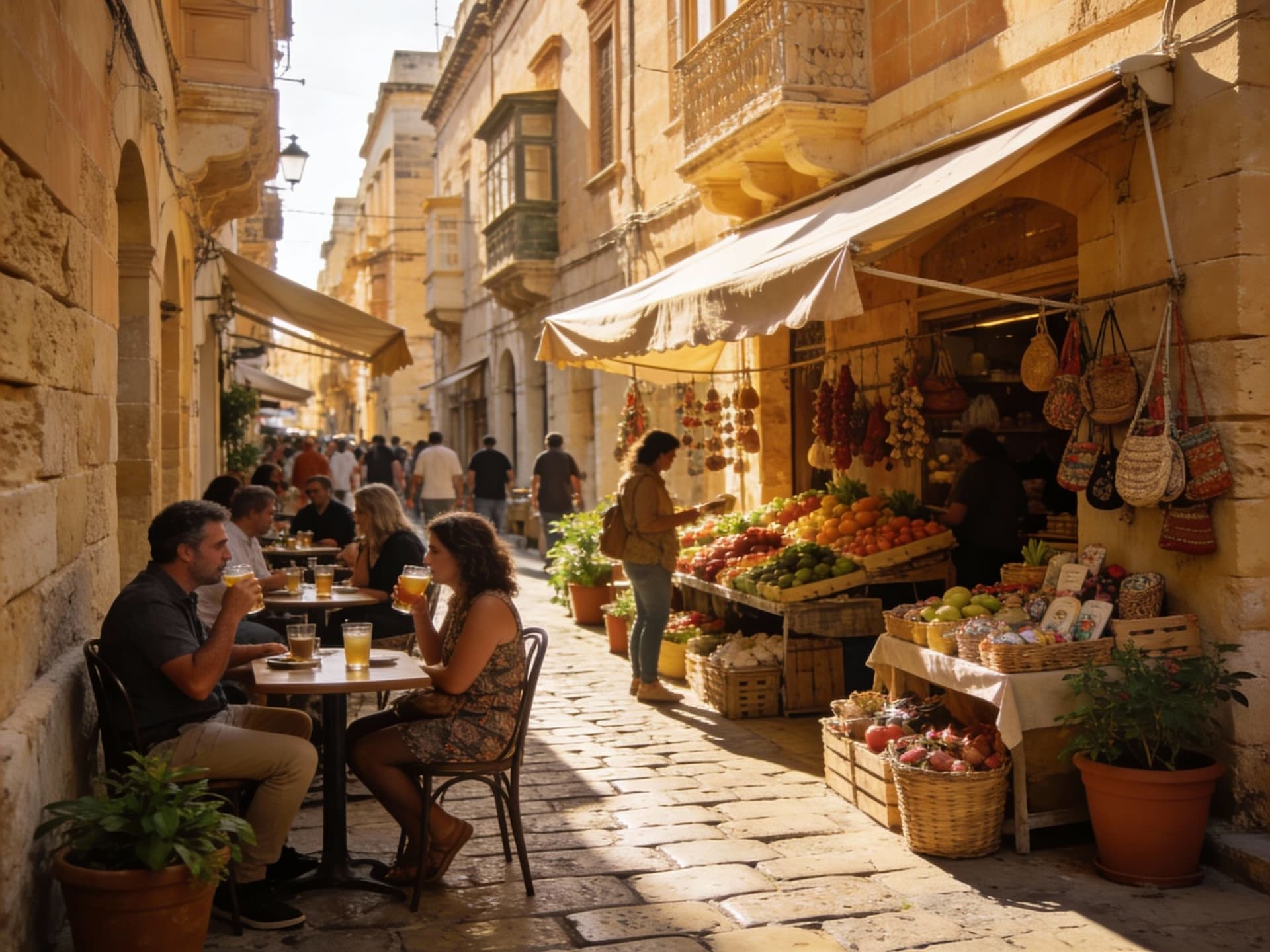
Malta compresses Mediterranean living into a postage-stamp geography. Mornings smell of bakery-fresh ftira, afternoons pull you to rocky coves and sandy bays, and weekends are market-driven rituals — Marsaxlokk’s fish market on Sunday, boutique galleries in Valletta on Saturday. For international buyers, the island’s English-language services, visible expat enclaves and year-round sunshine make immediate integration possible, but the tiny scale also amplifies regulatory and community effects: what you buy and where you buy matters more here than in a large city because neighbourhood supply turns over slowly and local rules bite quickly.
Neighbourhood spotlight: Valletta, Sliema, Mellieħa
Valletta offers a built-in audience for short-term lettings and cultural tenants — stone-built, high-ceiling apartments that rent to professionals and tourists when festivals pulse through the city. Sliema and St Julian’s are the practical heart: promenades, offices, and modern apartments that attract long-term tenants, remote workers and families. Mellieħa and the north shore trade views for space — villas and maisonettes where retirement and holiday lifestyles intersect. Each area maps to different rental demand, renovation cost profiles, and regulatory constraints, so choosing a lifestyle determines the investment mechanics.
Food, markets and small pleasures
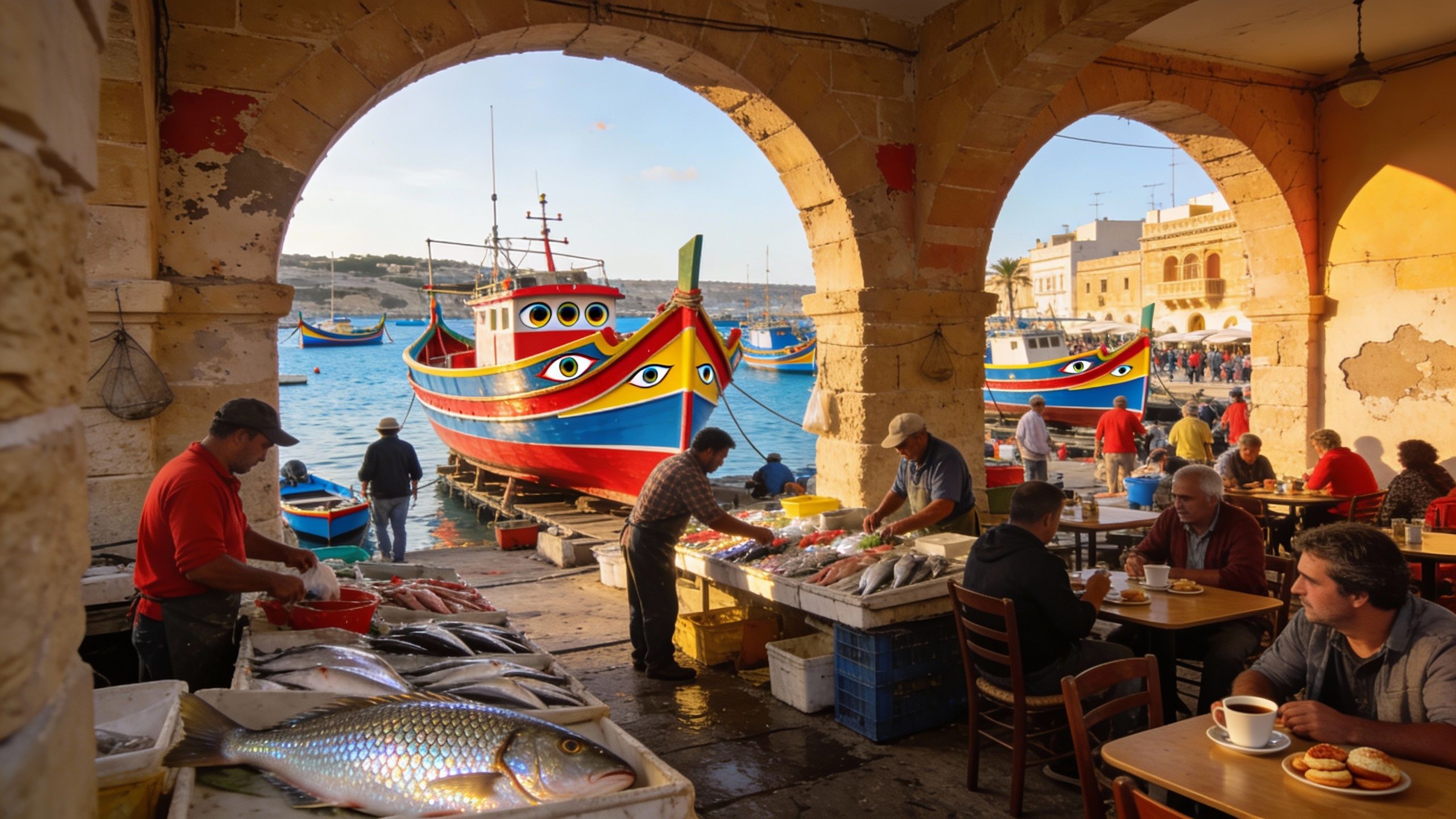
Your week will be measured in cucina popolare: morning pastries at Café Cordina in Valletta, seafood lunches in Marsaxlokk, evening aperitifs in Paceville when you want a livelier scene. The agricultural hinterland delivers seasonal produce to local markets, and the island’s compactness lets you swap neighbourhoods in an afternoon — which matters when assessing tenant profiles and short‑let seasonality for rental revenue.
- Lifestyle highlights and micro‑spots to know: • Café Cordina (Valletta) — shaded terrace and reliable foot traffic • Marsaxlokk fish market — Sunday draw for visitors and residents • Balluta Bay promenade (St Julian’s) — steady rental demand for studios • Ġnejna Bay (west) — quieter beaches and villa market • Strait Street (Valletta) — cultural pulse for boutique hospitality • Ta’ Qali crafts village — weekend local culture and events
Making the move: practical considerations
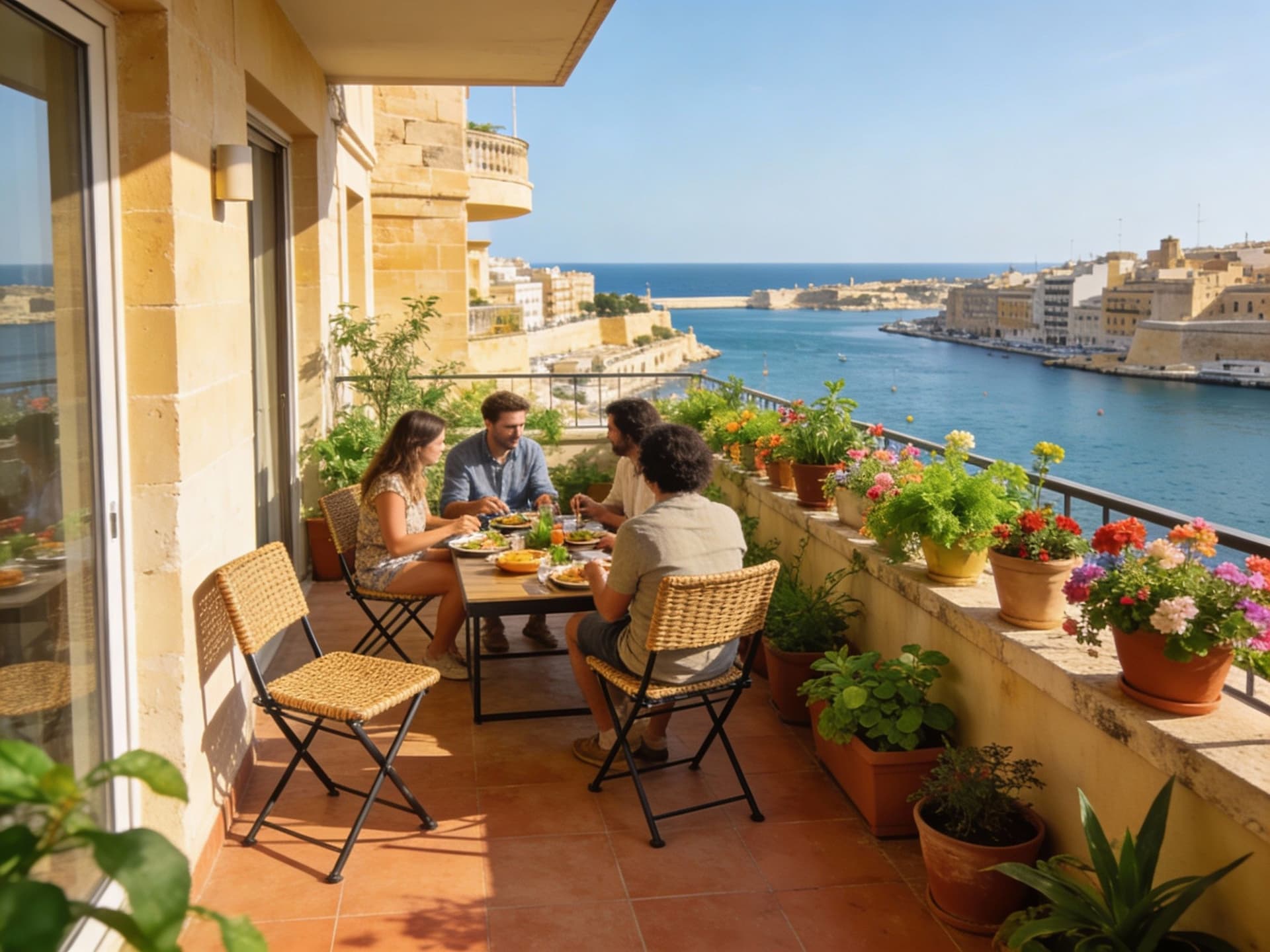
The lifestyle is immediate; the legal framework is not. Non‑EU buyers and EU citizens who haven’t lived in Malta for five continuous years must apply for an Acquisition of Immovable Property (AIP) permit. That process imposes minimum price thresholds, limits on multiple purchases outside Special Designated Areas, and conditions on use — for example, property bought under an AIP often cannot be rented out. These constraints should shift where you look: in many cases buying in an SDA (Special Designated Area) or restructuring through a local company (with correct legal advice) is the practical solution.
Property types and how they map to life
Stone apartments in Valletta offer character and tourist appeal but often need significant refurbishment for modern living; expect higher per‑square‑metre prices and preservation rules. Newer blocks in Sliema and Swieqi provide plug‑and‑play rental units with lower maintenance surprises. Villas in the north or countryside offer space and privacy but attract different tenant seasons. Match the property type to your intended use — primary residence, long‑let, or investment — because Malta’s small market magnifies mismatches between property features and demand.
Working with local experts
- 1. Get AIP clarity first: confirm whether the asset sits inside an SDA and whether you need an AIP permit; the MT government site details forms and fees. 2. Use a local notary and tax adviser: Maltese conveyancing, stamp duty and final withholding taxes on transfers differ from many jurisdictions. 3. Stress‑test rental use: if you plan to rent, validate permitted use under the AIP and check local council rules for short‑lets. 4. Include maintenance & conservancy in budgeting: older stone buildings have higher occasional repair bills. 5. Factor currency & tax residency effects: Malta’s tax treatment of residents vs non‑residents affects rental taxation and capital gains exposure.
Insider knowledge: what expats wish they'd known
Expats repeatedly tell the same story: they fell for neighbourhood charm and under‑priced the administrative friction. Two facts often surprise buyers: Malta’s property transfer system includes a final withholding mechanism that typically functions like an effective capital gains tax on transfer (commonly an 8% final tax in standard cases), and AIP permits carry minimum price thresholds that are adjusted annually. Verify the current figures before committing — government pages and international tax summaries are the right first stop.
Cultural and community realities
English is an official language and daily life accommodates internationals, but Malta’s social fabric is village-like: neighbours notice renovations, parking is contested, and local councils can enforce strict conservation rules. Joining a local club, volunteering at a festa or learning a few Maltese phrases accelerates social integration and can be the difference between a smooth tenancy and repeated local complaints.
Long-term lifestyle and value considerations
Malta’s limited land supply and steady tourism create durable demand for centrally located rental properties, but regulatory change and seasonal volatility matter. Treat Maltese property as part lifestyle, part regulated asset: plan for higher refurbishment costs in historic districts, account for occasional regulatory constraints on rental use, and price in conservative yield expectations — median gross yields in central locations typically run lower than in peripheral towns because of price premiums for location and quality.
- Key takeaways for buyers: • Confirm AIP status and SDA boundaries early; permit processing aims for ~35 days. • Budget for a final withholding/transfer tax (often 8% rules apply in common cases) and professional fees. • Match property type to intended use — Valletta for culture/tourism, Sliema/St Julian’s for stable lettings, north shore for space. • Work with a Maltese notary, tax adviser and locally experienced agent who understands AIP permutations and conservation rules.
If you can picture evening walks along the Valletta bastions, weekend swims at Għadira Bay and quick cross‑island commutes for work or school, Malta can deliver a life that feels immediate and manageable. But the purchase is not just about the view: acquire the regulatory clarity first, fold tax and transfer costs into your return calculations, and treat a Maltese purchase as a highly local decision. That approach preserves the lifestyle you came for and protects the yield you expect.
The YieldistSwedish financier who guided 150+ families to Spanish title deeds since relocating from Stockholm in 2012, focusing on legal and tax implications.
Related Articles
More insights that might interest you

 Villa Curated
 Villa Curated
 The Yieldist


