When Malta’s Residency Perks Meet Property Reality
Malta offers compact Mediterranean living and steady demand, but recent residency rulings and tight supply compress yields—model net returns, not just lifestyle premiums.
 The Yieldist
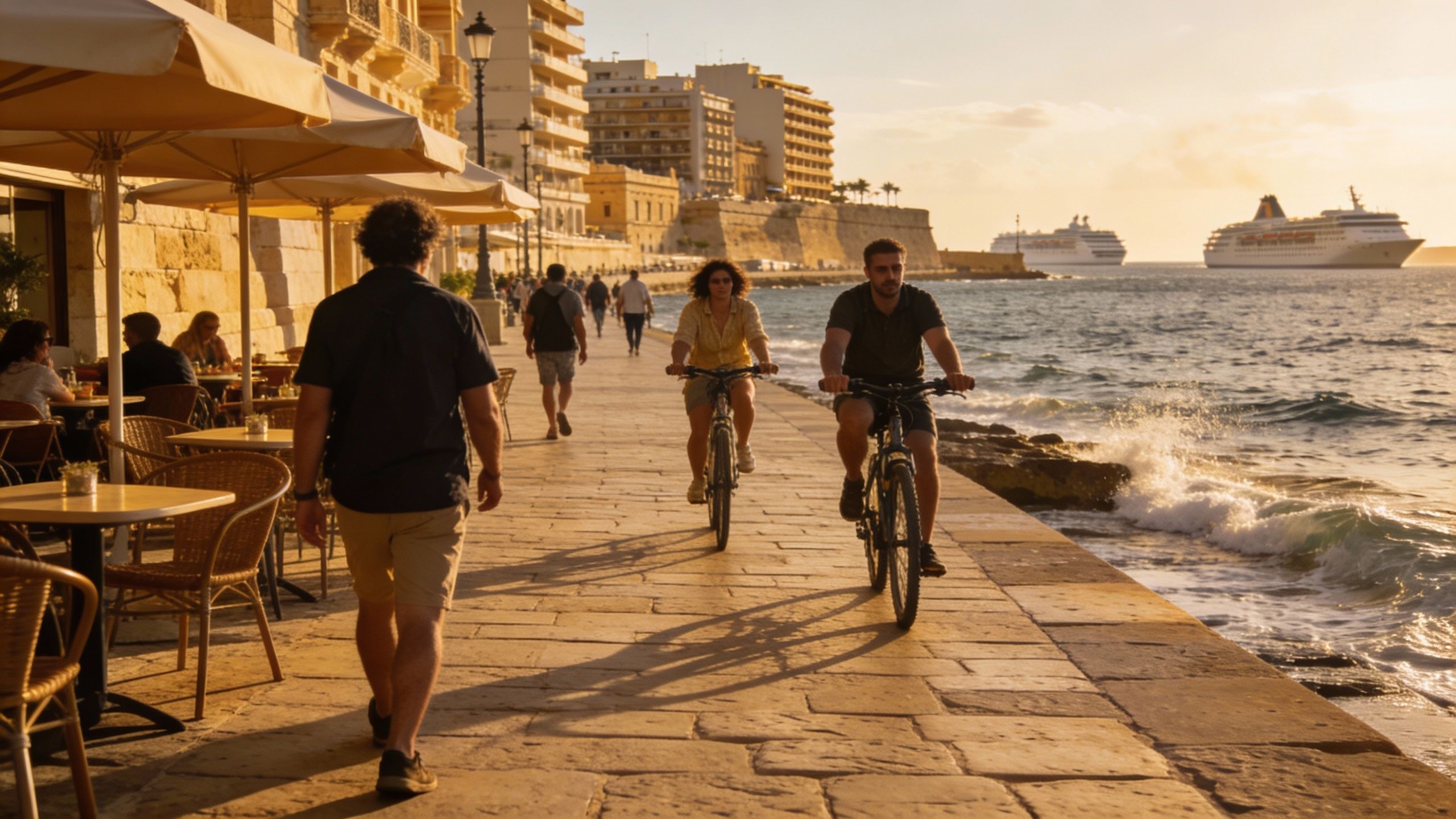
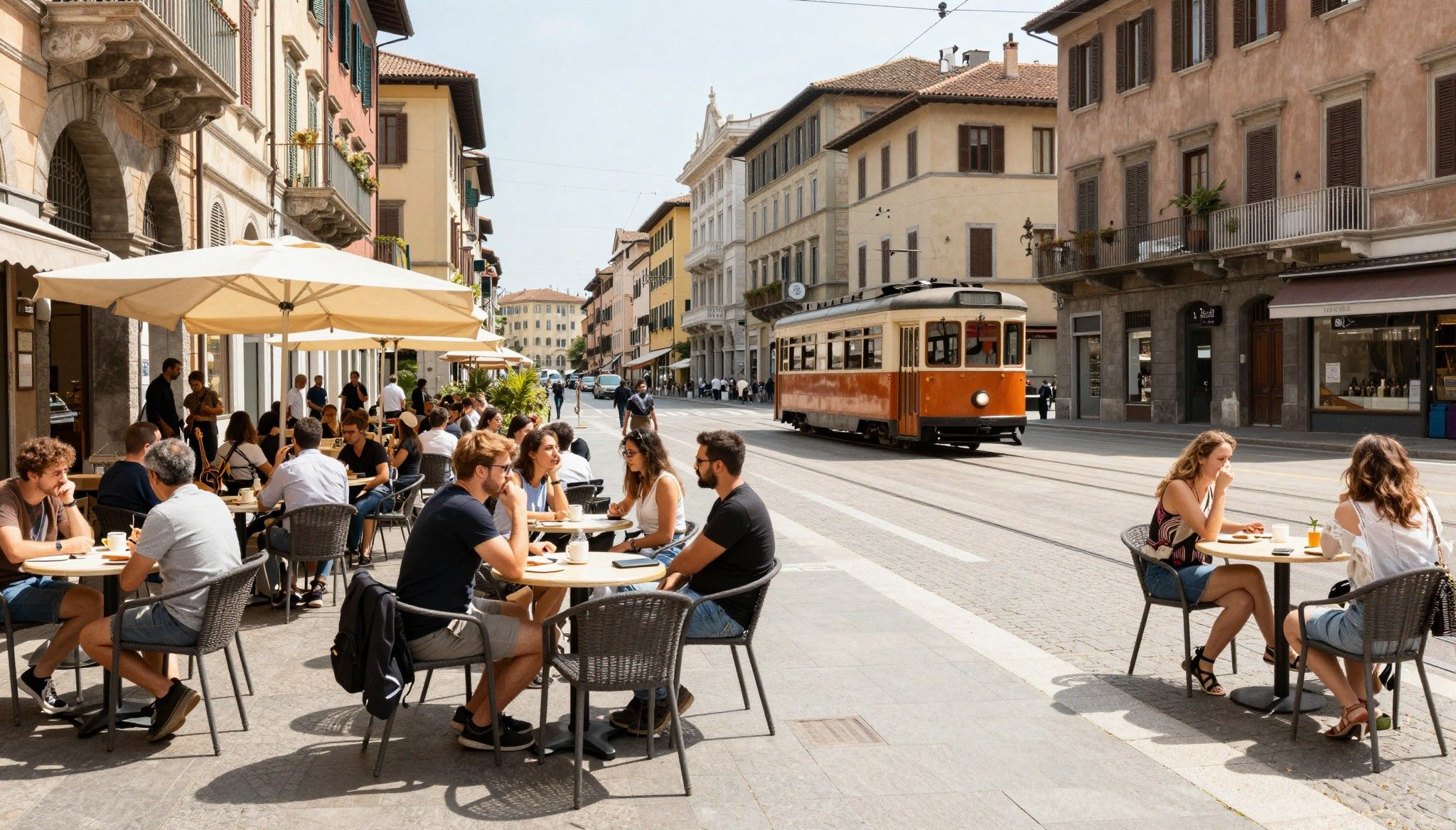
Imagine starting your morning with espresso at a sun-baked table on Strait Street in Valletta, then cycling past limestone façades to a working day that ends with a swim at Gżira’s rocky cove. Malta feels compact — everything is a short drive or ferry away — and that closeness is central to its charm. But the same scarcity that gives Malta its neighbourhood intimacy also compresses its property market: narrow supply, fast price moves, and a regulatory backdrop that has recently shifted the calculus for international buyers.
Living the Malta life
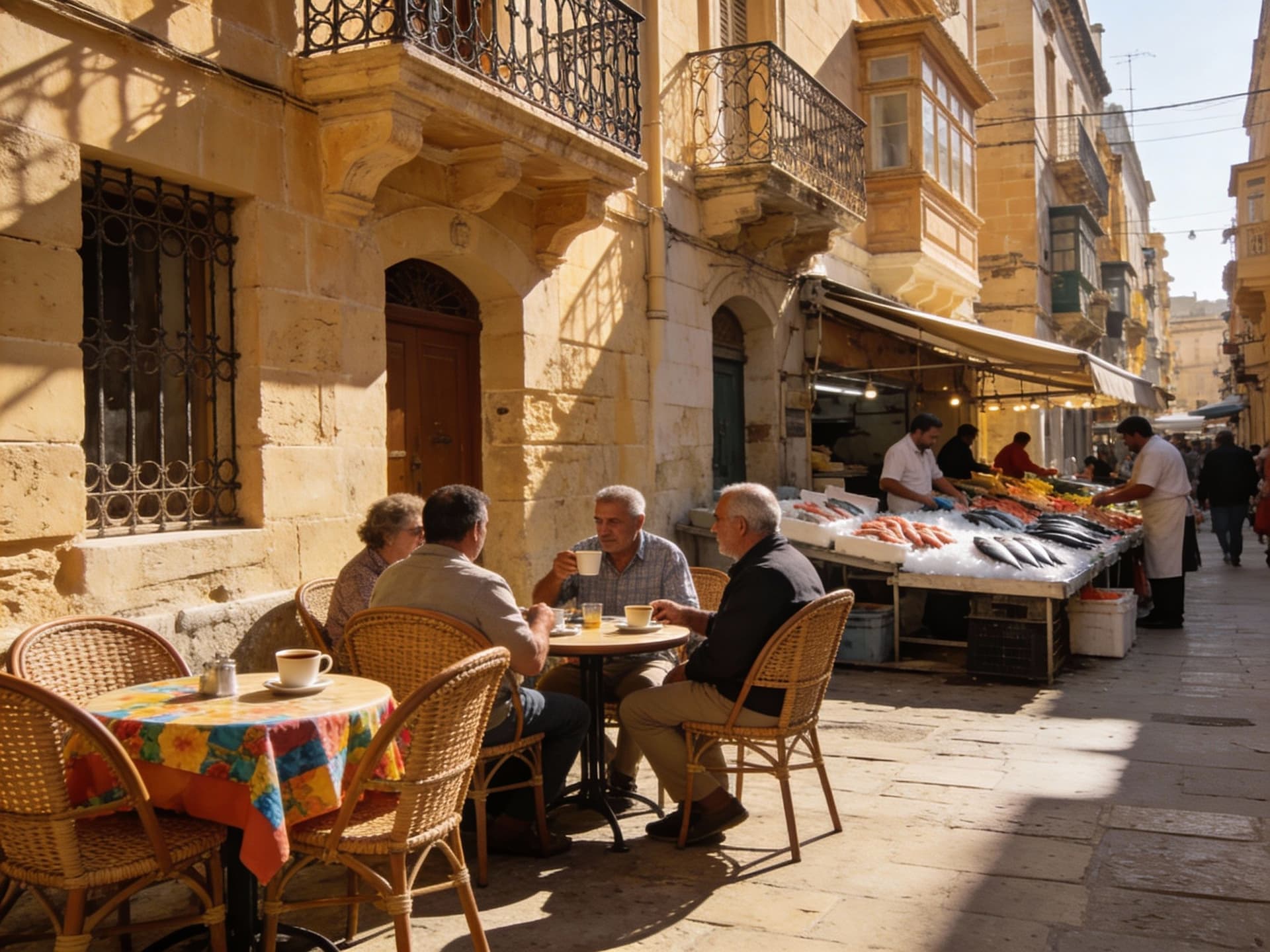
Malta’s daily rhythms are Mediterranean and municipal at once: morning markets in Marsaxlokk, mid-afternoon shutters down for a siesta in rural Żebbuġ, and evenings alive with al fresco dinners in Sliema’s seafront cafés. These lifestyle textures matter because buyers don’t just purchase square metres — they buy proximity to a type of life. Note the context: prices rose 5% year-on-year in late 2024, a reminder that lifestyle premiums are priced into the market. cite
Valletta & the Three Cities: history meets short-let demand
Picture narrow streets, baroque balconies, and a year-round tourism pulse. Valletta and the Three Cities attract premium short-stay income but also tight conservation rules that limit structural changes. For investors, that means excellent headline rents for tourism-friendly apartments but higher renovation complexity and sometimes restrictive planning consent.
Sliema, St Julian’s & Gżira: convenience and rental churn
These areas are the island’s commercial and expatriate hubs—cafés, coworking spots, and easy ferry links to Valletta. They deliver predictable long‑let demand from professionals and digital nomads but also higher purchase prices and more competition for tenant-ready stock.
- Lifestyle highlights: morning coffee at Café Jubilee (Valletta), Sunday fish market in Marsaxlokk, sunset promenade from Sliema to St Julian’s, secluded swimming at Għajn Tuffieħa, and weekends at local festa celebrations.
Making the move: practical considerations

The romance of Maltese residency and citizenship programmes has driven international interest for years. Recent rulings and regulatory adjustments, however, change how value flows from residency perks into property demand. The European Court of Justice ruled against Malta’s citizenship‑for‑investment scheme in 2025, forcing policy recalibration that affects institutional appetite and individual incentives. Understand the new rules before you bid. citeturn0news13turn0news14
Property types: traditional limestone vs new build
Restored townhouses in Mdina or Valletta feel authentic and command premiums; conversion projects offer character but can have hidden structural costs. New builds in Smart City‑adjacent pockets or in waterfront developments offer modern systems and lower ongoing maintenance yet often trade off centrality. Match the asset type to tenant profile: short‑stay travellers favour character in historic cores; long‑let professionals prefer modern conveniences near transport and coworking.
Working with agents who understand regulation and residency incentives
- Choose advisors who combine local market knowledge with legal and tax familiarity: 1) an agent experienced in conservation areas and short‑let rules; 2) a lawyer versed in Maltese conveyancing and cross‑border ownership structures; 3) a tax adviser who can model net yields under Maltese withholding and residency profiles.
- Practical checklist for buyers: secure an NSO price index view, confirm permitted use (short vs long lets), model total cost of ownership including stamp duty and transfer taxes, and verify residency programme changes that may influence demand. Start with published RPPI data and a residency‑policy review. cite
Insider knowledge: what expats wish they'd known
Expats often arrive chasing residency headlines and the lifestyle — then discover a dense patchwork of planning rules, high utilities for certain historic buildings, and a surprisingly seasonal tenant demand in some coastal areas. Expect straightforward social integration thanks to English as an official language, but budget extra time for bureaucracy and notarised paperwork when purchasing.
Cultural integration and daily life
Malta’s social life orbits around cafés, village festas, and the sea. Learning a few Maltese phrases and attending local events accelerates acceptance. For investors, this cultural literacy translates into better property stewardship: local contractors, tenant relations, and quicker resolution of communal building issues.
Long-term considerations: supply limits and price pressure
Malta’s land constraint creates structural upward pressure on prices — the BIS data series shows a multi‑year appreciation trend. That supports capital gains potential but compresses initial yields; realistic investors model returns with conservative rent growth and higher transaction costs. cite
- Red flags to watch: planning restrictions on historic façades, short‑let regulation changes, utility upgrade costs in older stock, and reliance on residency schemes for buyer demand.
- Step-by-step purchase blueprint for international buyers: 1) obtain up‑to‑date RPPI and local comparables; 2) engage Maltese lawyer for title search and permitted use checks; 3) confirm tax treatment for non‑resident rental income and capital gains; 4) model net yield including stamp duty and agency fees; 5) structure ownership (personal vs corporate) with tax adviser; 6) secure property insurance and vetted local property manager.
Two recent policy shifts matter particularly: the EU court’s 2025 judgment on citizenship‑for‑investment and evolving Permanent Residence Programme rules — both affect the pool of international buyers and the premium attached to residency‑linked purchases. Factor policy risk into pricing, especially if your investment thesis relies on residency incentives. citeturn0news13
Conclusion — the tradeoff you’re buying: Malta sells a compact, sunlit way of life and reliable demand drivers, but that comes with compressed supply, regulatory complexity, and recent residency-policy headwinds. If you prioritise lifestyle and are prepared to price in planning and regulatory diligence, Malta can be a resilient allocation in a diversified portfolio. Start by pairing a local agent who understands neighbourhood rhythms with a lawyer and tax specialist who can model net yields under current rules.
The YieldistNorwegian market analyst who relocated from Oslo to Mallorca in 2016, guiding Northern buyers through regulatory risk, currency hedging, and rentability.
Related Articles
More insights that might interest you
 Villa Curated
 Villa Curated
 The Yieldist


