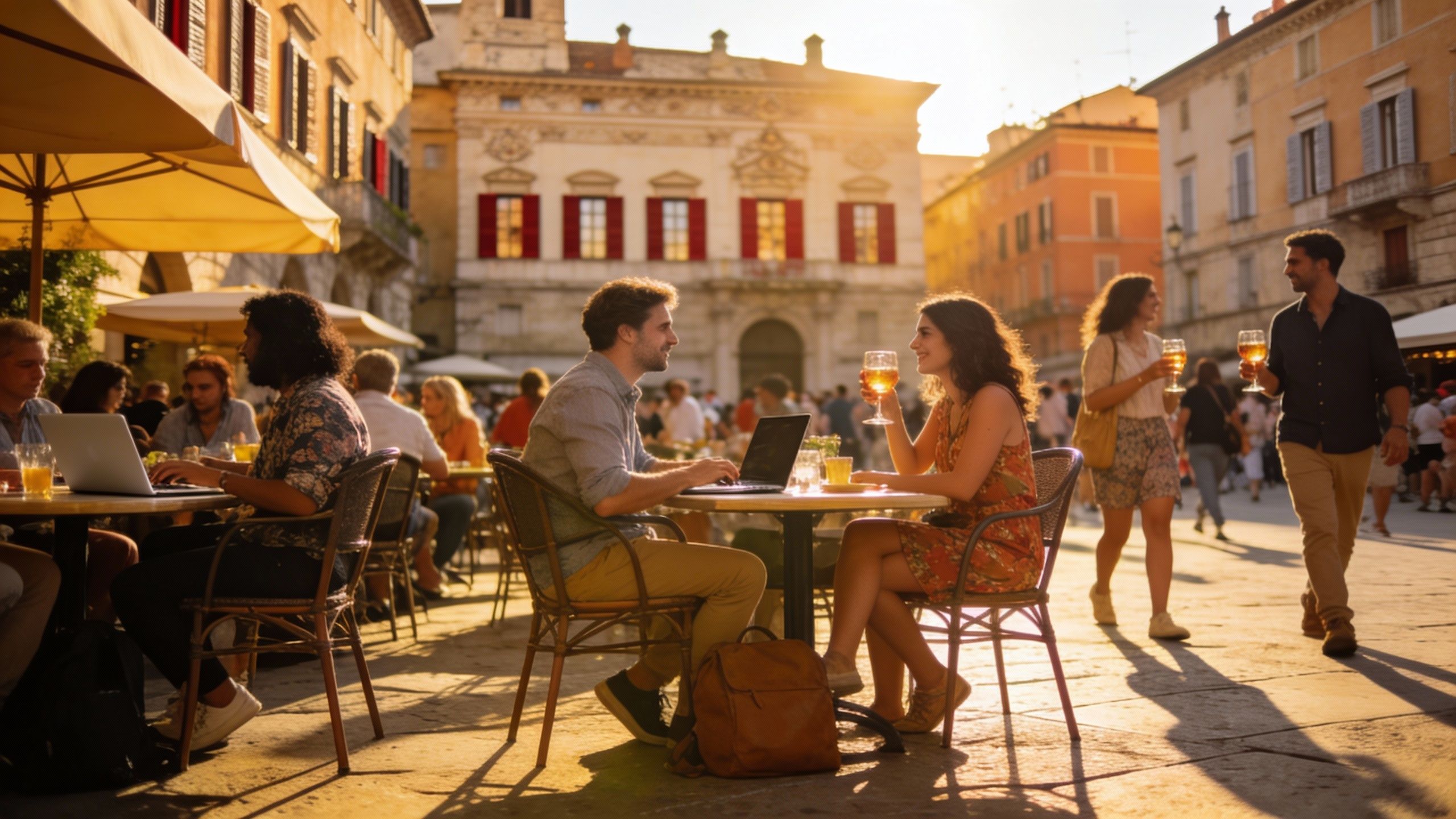
Italy: Fall in Love — Then Check the Fibre
Fall for Italy’s daily rhythms — espresso, markets, and piazzas — but match romance with data: local house‑price trends, fibre checks and permit due diligence shape smart buys.
 MoveSettleGo
Imagine stepping out for a morning espresso on Via dei Coronari in Rome, dodging Vespa riders, then logging on from a sunlit apartment with olive‑green shutters. That mix — slow meals, high‑speed hotspots, centuries in the background — is Italy. For nomads craving history, food and cafe workdays, Italy is intoxicatingly liveable. But the property market isn’t just romance: prices, local incentives and seasonal rhythms change where you should look and when you should move. We’ll show you the lifestyle first, then the smart steps that make a buy actually work.
Living the Italy life
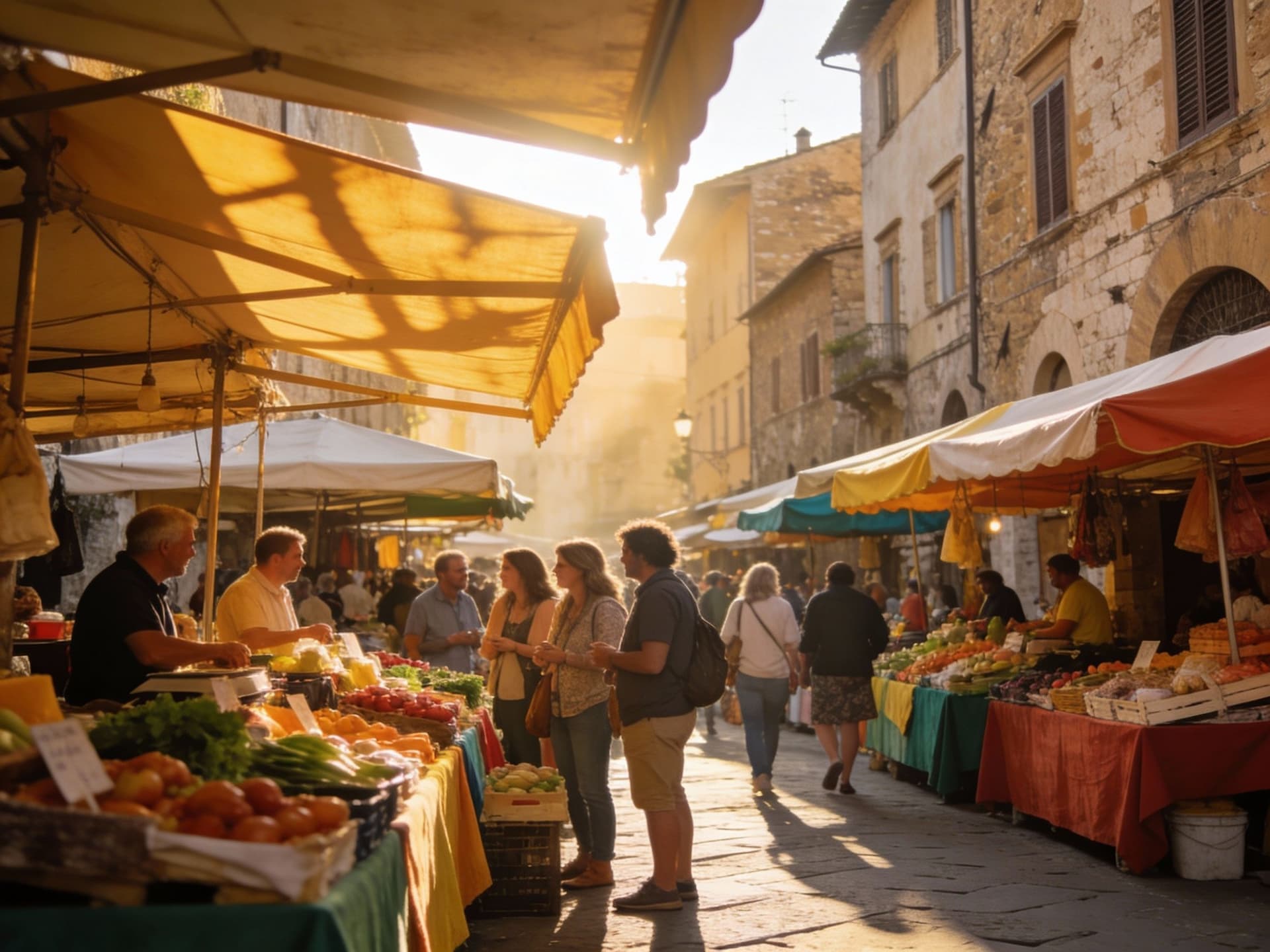
Italy feels like neighborhoods stitched from postcards. In cities you’ll find cobbled streets and aperitivo crowds; in hill towns, terraces bursting with bougainvillea; on the coast, harbourside cafés that serve as co‑working spots at sunrise. Prime pockets — Milan, Florence, Lake Como — are drawing global attention and price momentum, but everyday magic often hides in smaller towns, markets and streets where life hums all year. Think of living here as a series of rituals: morning espresso, midday market run, evening passeggiata.
Rome: layers of life (not just monuments)
Picture Trastevere’s winding alleys for late‑night dining, Testaccio for food markets and San Lorenzo for student energy. Apartments with high ceilings and shuttered windows are common; terraces are gold. For a nomad, Rome gives endless cafe corners to work, a dense social calendar and international schools for longer stays. But central convenience comes with tourist season traffic and higher rents — pick a neighborhood by daily rhythm, not just sights.
Coast & islands: Amalfi, Puglia, Sicily
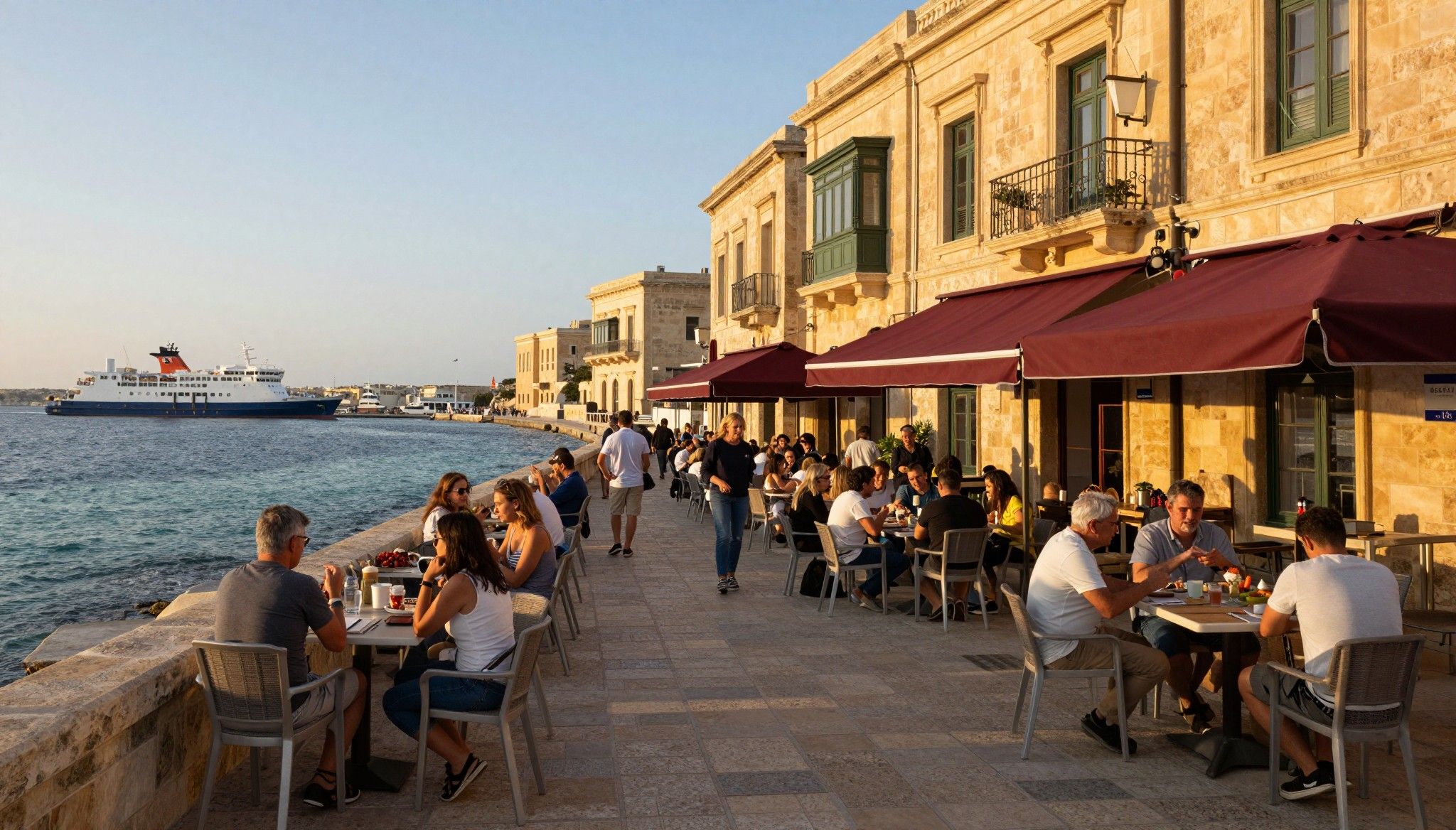
From Puglia’s whitewashed towns to Amalfi’s cliffside charm and Sicily’s markets, coastal Italy rewards slow seasons with spectacular light and seasonal food rituals. Summer can be touristy — but off‑season, you’ll have beaches, trattorias and fast internet at a fraction of peak rents. Cities like Genoa are also reinventing themselves with new parks and ports, offering smart buyers alternative coastal living with better value than the headline hotspots.
- Lifestyle highlights to chase (real places)
- Morning espresso at Caffè Propaganda (near the Colosseum) then a walk through Via dei Coronari.
- Coworking mornings at Copernico in Milan, followed by aperitivo in Navigli canals.
- Weekend truffle fairs in Alba or harvest markets in Tuscany during autumn.
- Sea‑front breakfasts in Polignano a Mare and evening passeggiata along the lungomare.
Making the move: where lifestyle meets the market
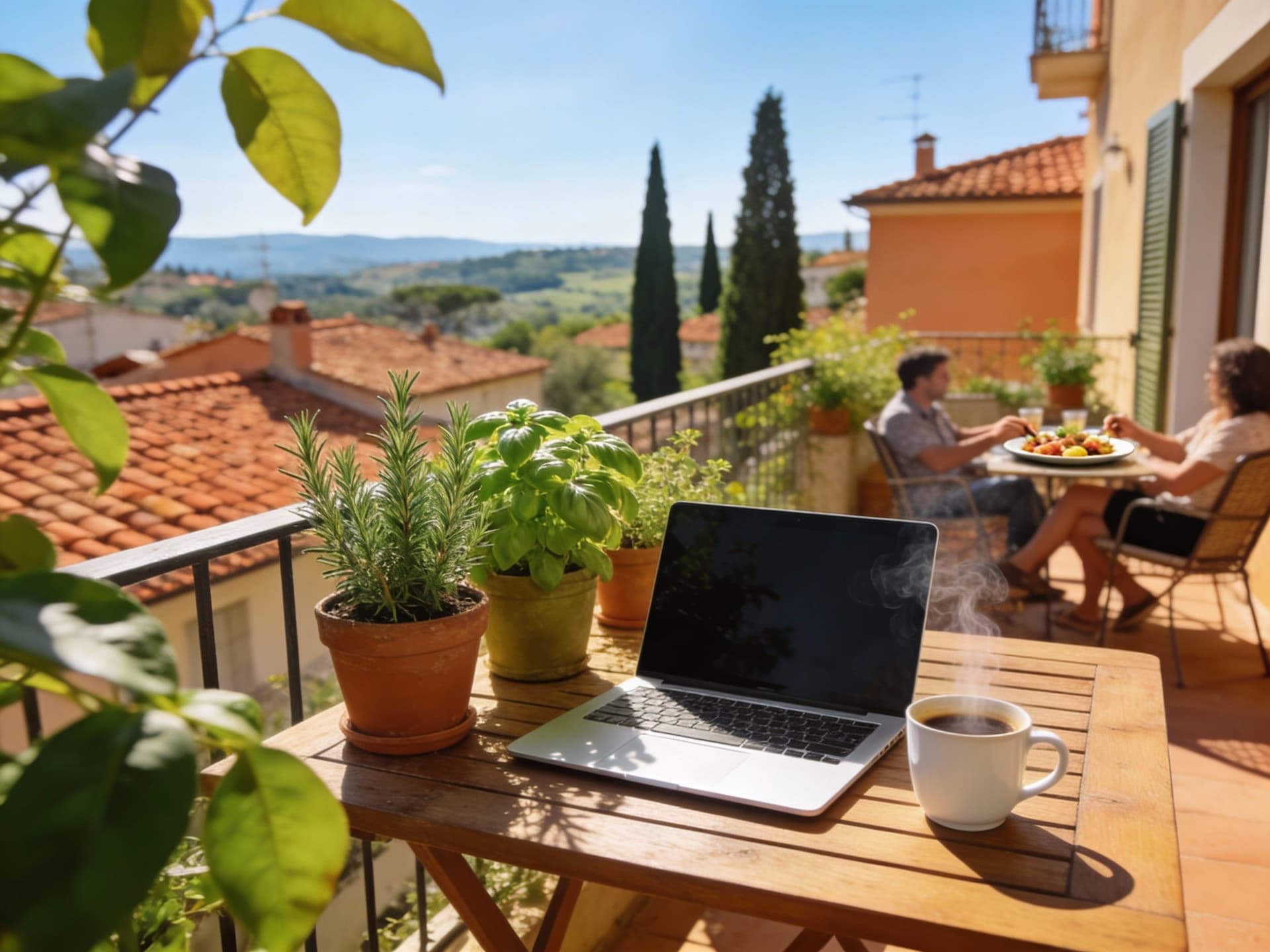
Romance aside, Italy’s housing numbers matter. National data show house prices rose year‑on‑year in recent quarters while sales volumes recovered — a market where pockets move differently. That means timing and neighbourhood selection beat blanket advice: a seaside villa can be cheaper in off‑season towns, while Milan and Florence push prime values. Use national indicators to spot trends, then zoom into municipal data and local listings for the real picture.
Property styles that match nomad life
Choose form by function. A renovated centro storico flat gives walkability and cafes at your doorstep but may need noise‑proofing and updated wiring for reliable internet. A seaside townhouse offers outdoor living and seasonal rental potential but factor in maintenance. Newer apartments near transport hubs give consistent fibre and coworking access — perfect for remote work. Think: balcony over square footage, fibre over marble, terrace over parking if community life matters.
Working with local experts who get nomads
Local agents do more than list properties. They translate neighborhood rhythms (market days, building quiet hours), advise on seasonal demand for short lets, and connect you with notaries and renovators who understand historic fabric. Seek agencies that specialise in expat relocations and digital nomads — they’ll prioritise fast internet, coworking proximity, and paperwork nuances that matter for remote work visa options or long stays.
- Steps to marry lifestyle and purchase (practical + soulful)
- 1) Spend 7–14 days living like a local in neighborhoods you love before making offers.
- 2) Confirm fibre availability and mobile coverage at the exact address (essential for remote work).
- 3) Ask agents about seasonal rental demand if you plan to short‑let — coastal towns spike in summer, inland hill towns have autumn appeal.
Insider knowledge: what expats wish they’d known
Real talk: Italy’s charms come with local quirks. There are tax incentives and residency routes that can alter your cost calculus, but they vary by region and by who you are. Some cities offer flat tax schemes to attract wealthy new residents — handy if you plan a long stay, but don’t assume it’s universal. Also: renovation rules in historic centers can be strict and slow; expect bureaucracy and plan timelines into your buy.
Cultural cues that change where you buy
Neighborhood life matters. In Italy, piazzas and markets are social infrastructure. If a square hosts daily markets and evening gatherings, you’ll meet neighbors and integrate faster. Conversely, living near a major market street can mean noise and delivery trucks — wonderful for life, annoying for deep work. Match your rhythm: choose lively centers for social life, quieter peripheries for work sprints.
Longer‑term practicalities to watch
Expect regional divergence: national statistics show modest price growth overall, but prime urban pockets and tourist heavy coastal towns lead gains while many inland areas offer value. If you want rental income, target cities with year‑round demand (Milan, Rome, Bologna) or tourist towns where renovation + management can deliver strong summer returns. Always sanity‑check national trends against local listings and recent sales.
- Red flags local agents will point out
- Unregistered renovations or missing building permits (especially in countryside properties).
- Poor or non‑existent fibre despite marketing claims — always test on site.
- Seasonal access issues: narrow mountain roads or summer traffic that affect livability and rental appeal.
Conclusion: fall in love, then confirm the facts. Live the neighborhood first, prioritise fibre and walkability, and use local agents who understand nomad life. Italy rewards patience: a small research upfront — a week living the rhythm, a fibre test, a permit check — can turn an impulsive dream into a sustainable home or income property. Ready to pick a neighbourhood? Talk to an agency that treats lifestyle as part of the brief, not an afterthought.
MoveSettleGoDutch investment strategist guiding buyers to Greece and Spain; practical financing, tax, and portfolio diversification.
Related Articles
More insights that might interest you
 Villa Curated
 Villa Curated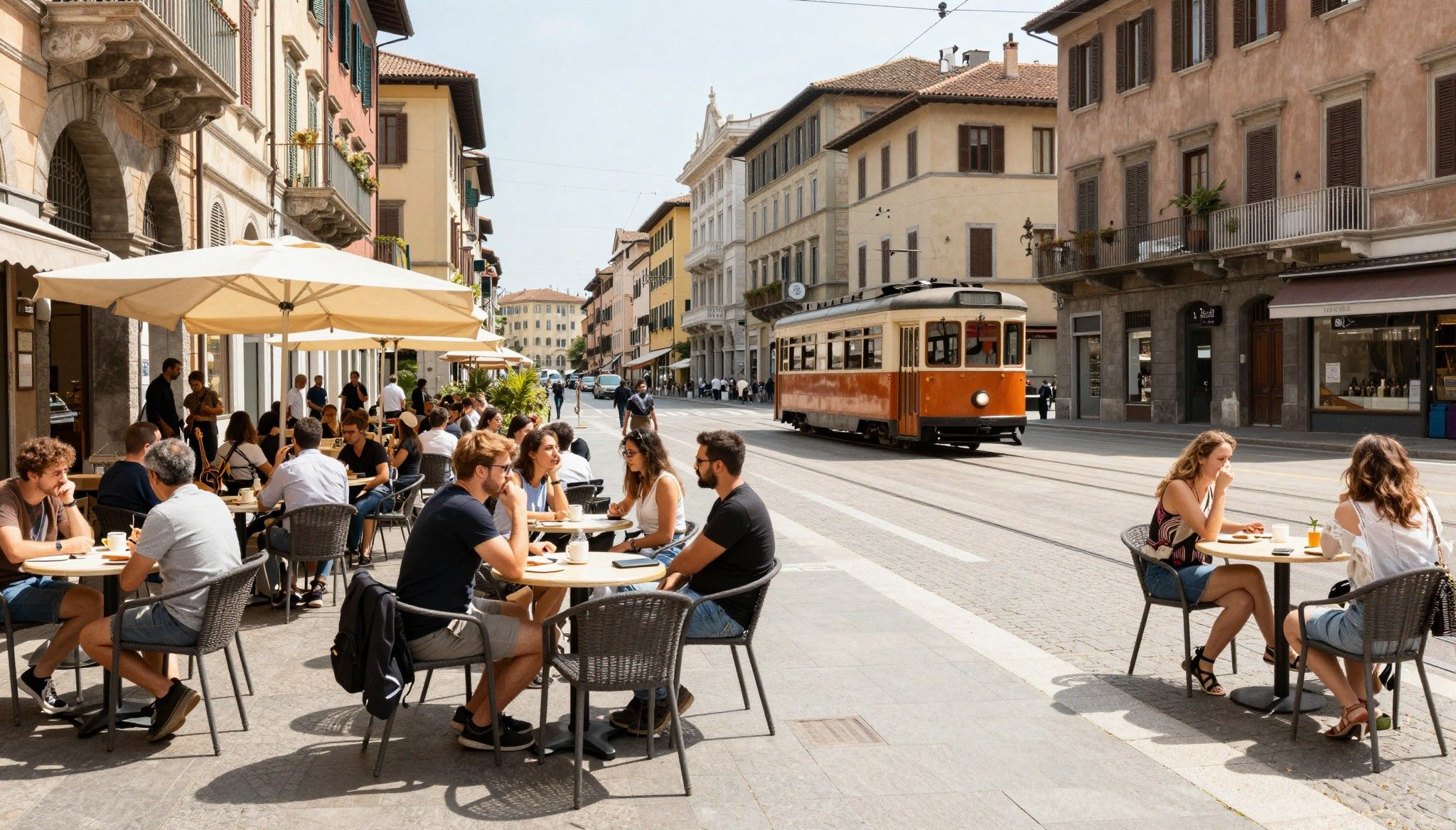
 The Yieldist

