
Malta: Daylife, Neighbourhood Truths & Practical Checks
Malta blends Mediterranean ritual with fast digital life — test neighbourhood rhythms, broadband and planning rules before you buy to match lifestyle with value.
 MoveSettleGo
Imagine starting your day with espresso on a limestone balcony in Sliema, then strolling to a coworking space with reliable fibre and a sea view. Malta feels small — in the best way: everything is within a 30‑minute loop of work, friends and weekends. For nomads, that compactness is magic; for buyers, it means neighbourhood choice changes your daily life dramatically. But the island’s reputation — as a sunny tax haven, a golden‑passport market or an overcrowded tourist hub — misses the real story beneath the headlines.
Living the Malta life: sun, streets and workspace rhythms
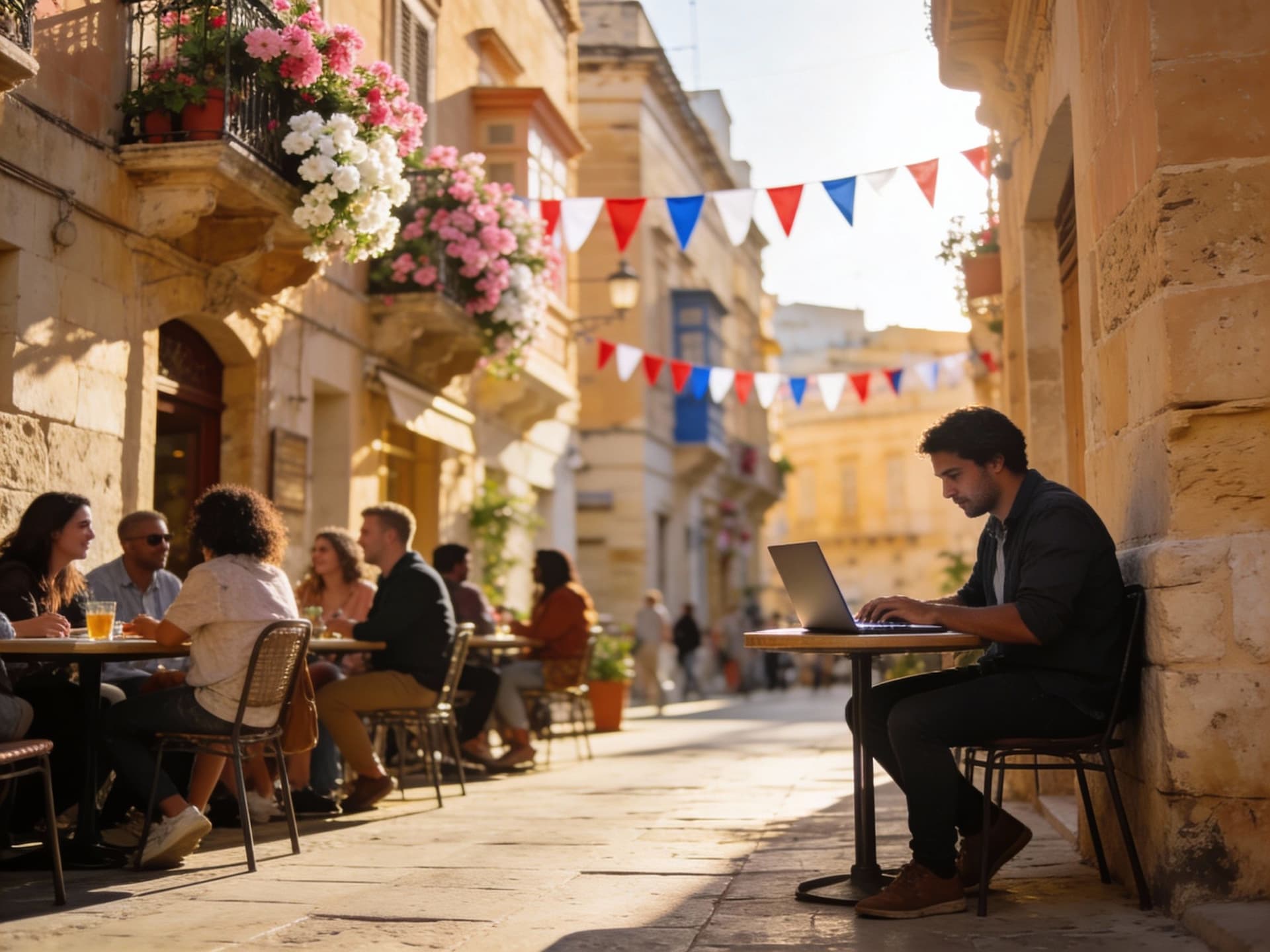
Picture late‑mornings at Valletta’s cafes where contractors, students and remote designers cross paths under baroque facades. Days here blend Mediterranean rituals — fresh bread from Is‑Suk (the local markets) and seafood dinners — with modern routines: fast internet, video calls from terraces and meetups at the big coworking hubs in Sliema and St Julian’s. Life moves at a friendly pace: loud festival nights and quiet midweek mornings balance each other, and English being an official language makes integration surprisingly smooth for many expats. That mix — old stone streets and modern digital life — is Malta’s everyday charm.
Neighbourhood snapshot: Valletta, Sliema, St Julian’s and Gozo
Valletta is theatrical: tiny squares, UNESCO masonry and rooftop bars that make city‑living feel historic and intimate. Sliema gives you promenade runs, cafes with dependable Wi‑Fi and an expat social scene that’s great for networking. St Julian’s (especially Paceville-adjacent pockets) is where nightlife and serviced apartments meet short‑stay rental demand. And then there’s Gozo — slower, greener, ideal if you want island tranquillity and larger outdoor spaces. Each area shifts the way you work, socialise and spend weekends, so your choice is a lifestyle decision as much as a property one.
Food, festivals and the coffee circuit: where locals actually go
Weekends in Malta mean a mix of traditional festas (neighbourhood saint festivals), fish suppers by Marsaxlokk harbour, and modern brunches in Ta’ Xbiex. Try a ftira from a local bakery or a late‑afternoon aperitivo along Balluta Bay; these micro‑moments define social life. Seasonal events — Valletta Film Festival, village festas in summer and quieter winters with street markets — affect rental demand and the feel of neighbourhoods. For buyers, that means your property won’t just be ‘a place’ but your ticket to a local calendar of experiences.
- Lifestyle highlights (real places to check in person): Valletta’s Strait Street nightlife; Sliema promenade runs and cafes on Tower Road; Balluta Bay for morning swims; Marsaxlokk market on Sundays; Gozo’s Xlendi Bay for weekend escapes; coworking hubs in Ta’ Xbiex and St Julian’s.
Making the move: property styles, agencies and practical tradeoffs
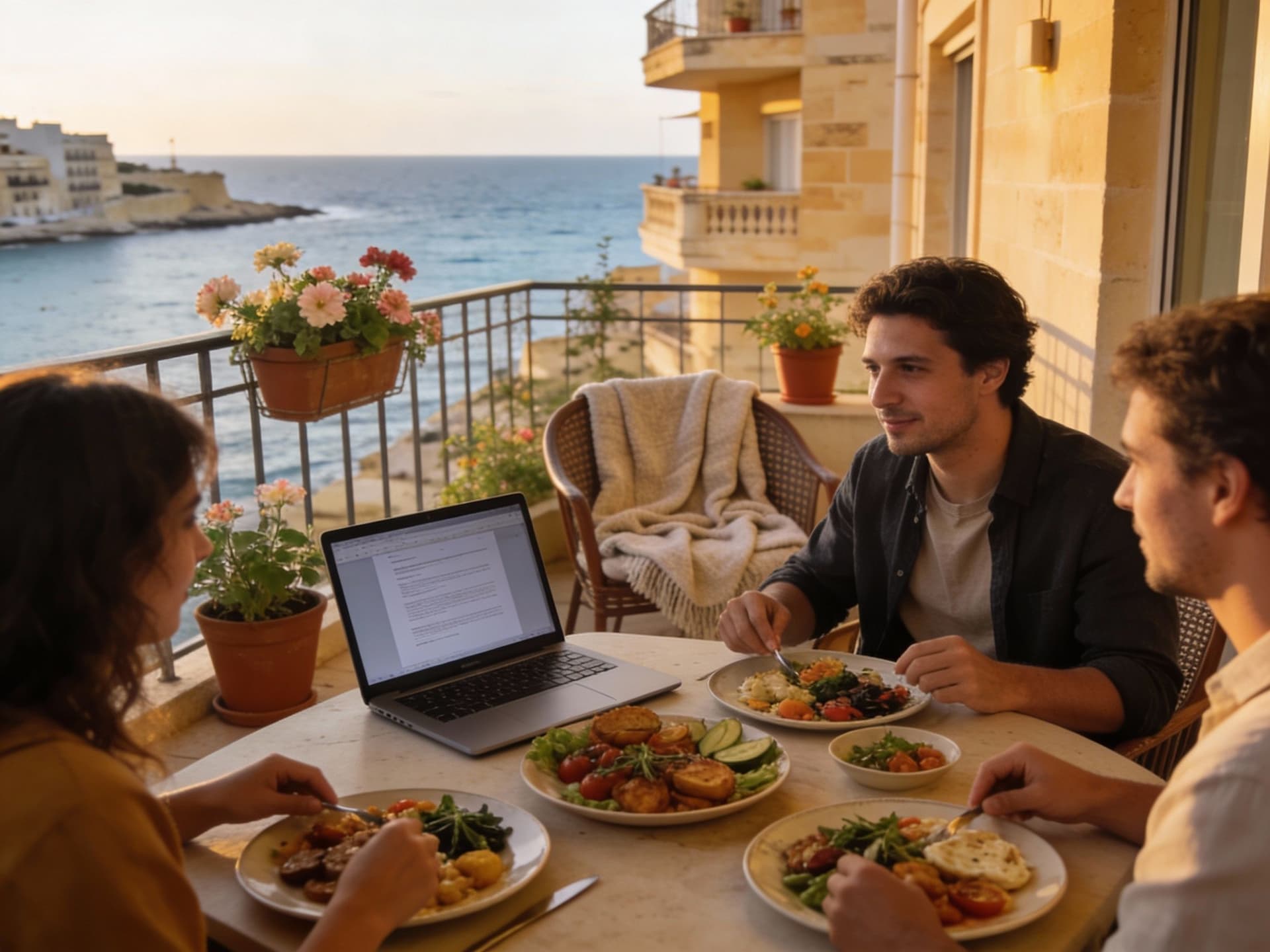
Before you fall for a terrace or a palazzo, check the small things that shape daily life: fixed‑line broadband speeds, breeze exposure in summer, lift access in Georgian buildings, and whether the ground floor floods during storms. Malta punches above expectations on digital connectivity — median fixed speeds are strong — so remote work is realistic in most urban pockets; official ICT releases and digital surveys back that up. But the island’s tiny geography also means supply is limited: a desirable sea‑view apartment can command a premium, while inland villages sometimes hide better value and quieter streets.
Property styles: modern conversions, traditional townhouses, and new builds
Townhouses in Mdina or Valletta feel cinematic — high ceilings, Maltese balconies and stone‑walled courtyards — but often need retrofitting for modern heating, insulation and workspaces. Newer apartments in Sliema and St Julian’s offer comfort, lifts, terraces and built‑in fibre, which suits nomads who want plug‑and‑play living. In Gozo, stone houses with gardens are common and give you outdoor room for the price of a small flat on the main island. Each property type affects renovation needs, utility bills and how you’ll actually live day‑to‑day.
Working with local experts who know the island life
Find an agent who knows the micro‑markets — not just prices but where neighbours gather for coffee, which streets are noisy in summer, and which buildings have reliable lifts and fibre. Local lawyers familiar with Maltese conveyancing and the planning permits process will save you time; transparency on things like usufruct, PA (Planning Authority) permits and titles is crucial. Think of agencies as lifestyle translators: they’ll tell you whether a rooftop will actually get the sunset you saw in photos or if it's blocked by the next‑door build.
- Practical checklist for lifestyle buyers: 1. Test broadband at different times to confirm real upload/download speeds. 2. Visit neighbourhoods on a weekday and a festival weekend. 3. Ask sellers about absentee ownership and short‑stay rentals in the block. 4. Confirm planning restrictions if you want to add a home office or terrace glazing. 5. Meet a local property lawyer and request practical references from previous clients.
Insider knowledge: what expats wish they'd known (and the myths worth busting)
Here’s real talk: the ‘golden passport’ headlines changed how some people view Malta, but day‑to‑day life for most residents is unaffected — what did change is scrutiny and regulation around investment routes, which affects buyer profiles and where money flows in the market. Expats often assume everyone speaks Maltese; while Maltese matters culturally, English is omnipresent in business, schools and government. Another surprise: many buyers expect constant summer crowds — but Malta has a quiet off‑season rhythm where prices and rental demand can feel very different.
Cultural fit: language, festivals and local etiquette
Malta expects sociability: neighbours chat, festas fill the calendar and local clubs (boċċi, fishing clubs) anchor communities. Learning a few Maltese phrases opens doors, but you’ll get by with English while you build friendships. Pace your integration: weekends at village festas, volunteering at market stalls, and joining coworking meetups accelerate your social network and help you feel rooted quickly. For buyers, being visible in the community reduces the 'absentee owner' stigma and often improves long‑term enjoyment of your property.
Longer view: when Malta’s lifestyle and a property investment align
If you want weekend beach swims, short city runs and cafés full of conversation, Malta rewards you every day; if you want space and quiet, Gozo or inland villages deliver more value for outdoor living. Consider how your life will change: do you need a dedicated workspace, a terrace for calls, or proximity to an international school? Balance those lifestyle priorities with market realities: resale is easier in central, connected areas where demand from tenants and buyers stays consistent.
Conclusion — fall in love, then check the facts. Spend a month living in a neighbourhood, test broadband speeds, meet local agents and a lawyer, and ask about festival seasons and planning restrictions before you sign. Agencies are your shortcut to the life you want: they find the streets where mornings feel like home and handle the paperwork that lets you actually live there. Ready to picture your first espresso on a Maltese balcony? Take the dream seriously, and let local expertise stitch it into a practical plan.
MoveSettleGoSwedish, relocated to Marbella in 2018 to chase sun and property freedom. Focus on legal navigation and tax for Nordic buyers.
Related Articles
More insights that might interest you
 Villa Curated
 Villa Curated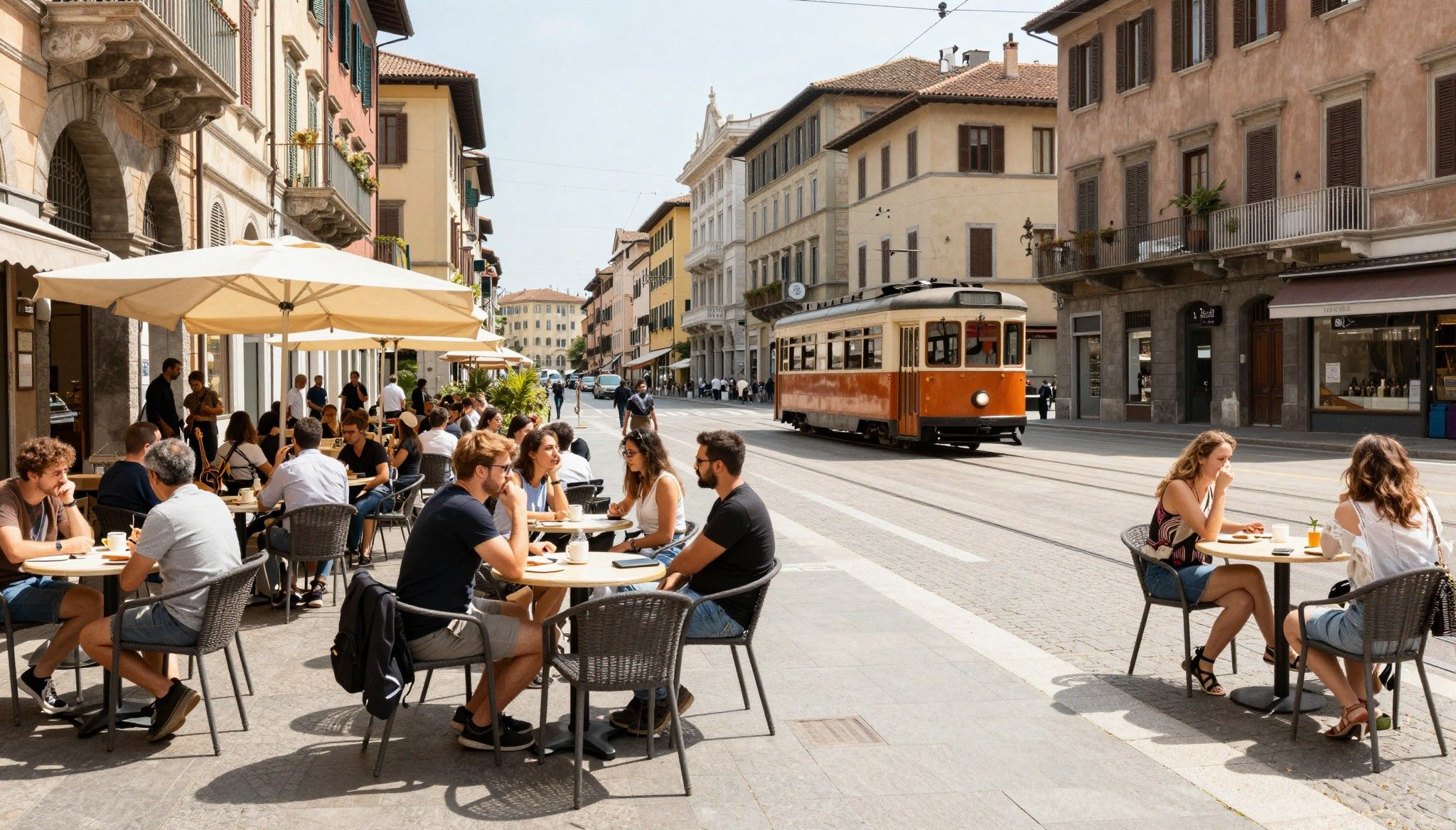
 The Yieldist

