
Why Malta's 'Too Expensive' Reputation Misleads
Malta isn’t uniformly ‘too expensive’—compact villages, offbeat pockets and renovated flats offer lifestyle-rich value; policy and RPPI trends guide timing.
 MoveSettleGo
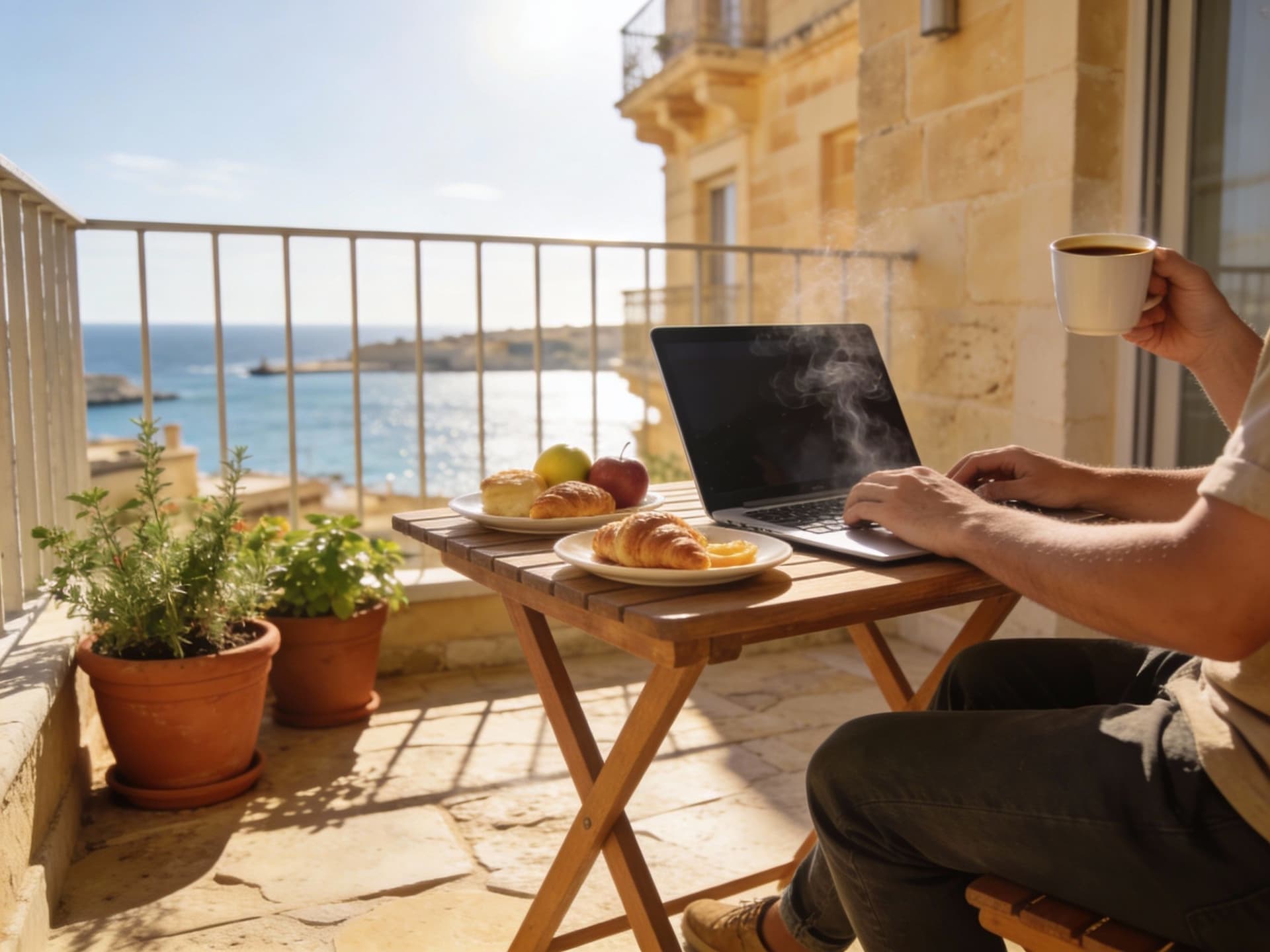
Imagine stepping out at dawn to get a strong espresso on Strait Street in Valletta, then working for a few hours from a sunlit bay-window apartment while ferries slip by. That image — coffee, sea, short commutes, neighborhood life — is the Malta most nomads fall for. But alongside the postcard scenes is a persistent myth: Malta is uniformly too expensive for international buyers. It’s time to poke that myth and show the pockets of real value where lifestyle and smart buying meet.
Living the Malta lifestyle
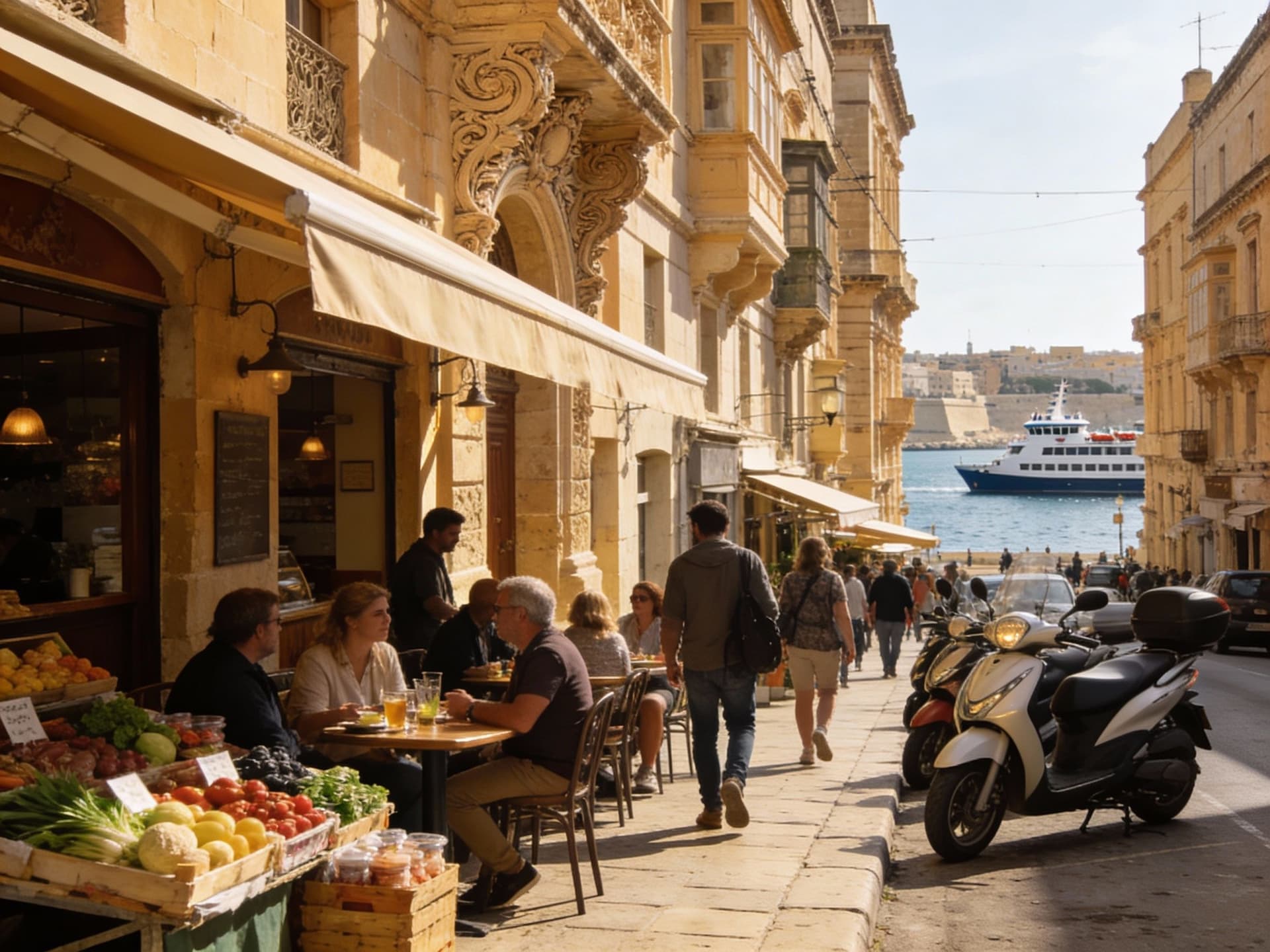
Malta is compact, loud with history, and shockingly walkable. You’ll swap long commutes for 20-minute walks between cafés, coworking spaces and the sea. English is an official language, timing for meetups is flexible, and neighborhood bonds form quickly in places like St Julian’s or Marsaxlokk. At the same time, residency schemes link property thresholds to lifestyle choices — buy or rent at specific price points to qualify — so property hunting is inevitably tied to immigration strategy for many buyers.
Neighborhood snapshots: where different days begin
Valletta is dramatic and theatrical — baroque facades, rooftop bars and a heartbeat of cultural events. Sliema and St Julian’s pulse with cafés, fast ferries and coworking hubs — ideal if you want a high-energy, social nomad life. On the quieter end, Rabat and Mellieħa give you village mornings, wide beaches, and slower weekends. And Gozo? Think island calm, terraces, and a small-but-true expat community who know where to find the freshest gbejna (cheeselets).
Food, coffee and ritual: how Maltese days taste
Days in Malta revolve around flavour. Mornings mean ftira sandwiches and strong coffee at local bars. Weekends are for the farmers' market in Ta' Qali or fresh fish in Marsaxlokk’s waterfront restaurants. Evenings are breezy — rooftop aperitifs in Valletta or shared platters in a family-run pastizzeria. These rituals shape where you’ll want to live: near markets if food matters, near the promenade if evening walks close your day.
- Lifestyle highlights to scout while house-hunting:
- Catch a sunrise coffee on the Valletta bastions then walk to the office.
- Find a terrace apartment in Sliema with fibre installed and a sea view for sunset downtime.
- Choose a village flat in Żebbuġ or Gozo for lower prices and a tight-knit community.
Making the move: lifestyle meets market reality
Here’s the practical truth: prices aren’t static. Malta’s Residential Property Price Index rose ~5% year-on-year at the end of 2024, reflecting steady demand and limited land supply. That doesn’t mean every street is overpriced. Policy shifts — like tighter rules around citizenship-by-investment after EU scrutiny — change demand patterns and open up new opportunities in less obvious areas.
Property types and how they fit your day-to-day
Apartments with balconies are the nomad sweet spot: compact, affordable, and great for remote work with a coffee table desk. Maisonettes and townhouses give you outdoor space — ideal if you want weekend barbecues or a home office with sunlight. Renovated historic flats in Valletta deliver character and centrality but expect higher per-square-metre prices; villages like Dingli or Xgħajra trade cost for calm and local rhythm.
Working with local experts who get nomads
- How agents and local teams save you time and risk:
- Map lifestyle needs to neighbourhoods: agents can show evenings, cafés, and daytime internet tests rather than just square metres.
- Arrange off-market viewings: many value properties never appear publicly, especially renovated maisonettes in quieter towns.
- Coordinate checks: a good agency will test fibre speeds, confirm planning permissions, and explain local renovation norms.
Insider knowledge: what expats wish they’d known
Real talk from people who've made Malta home: location beats size for happiness here. A smaller flat with a terrace and a lively street view will outperform a larger inland unit for quality of life. Also, government policy — like the cessation of citizenship-for-investment — can shift buyer profiles quickly. That matters for long-term resale and rental prospects, so keep an eye on policy news while you plan.
Cultural integration and daily routines
Make friends at language cafés, local volunteer groups, or dive clubs; Maltese people are conversational and curious about newcomers. Learn a few Maltese phrases and you’ll open doors — but English will get you 90% of the way. Weekends are for festas (village feasts), seaside lunches and family-run bakeries; showing up to those rituals builds connection faster than perfect paperwork.
Long-term lifestyle and investment sense
If you plan to rent out when you’re away, choose highly walkable spots near transport and coworking hubs. If your goal is retirement or slow living, village properties in Gozo or southern Malta give lower prices and strong community ties. Always test internet speeds during viewings and ask sellers about electricity costs and insulation — Malta’s old stock varies widely.
- Practical red flags to watch for when buying in Malta:
- Missing planning permission for extensions or rooftop terraces.
- Unclear service-charge commitments on converted historic buildings.
- No proof of consistent fibre broadband at the apartment level.
- A quick 4-step plan to move from dream to deposit:
- 1) Spend a week living like a local in a neighbourhood before you bid — rent short-term and test mornings, coworking, and grocery runs.
- 2) Get a local agent who understands both lifestyle fit and title checks; ask them for recent RPPI data and comparable sales.
- 3) Verify planning permissions, fibre availability, and any shared ownership deeds before making an offer.
- 4) Keep policy watch: immigration and residency rules change property demand — factor that into timing and resale plans.
Conclusion: Malta rewards buyers who prioritise life over headline prices. With a clear sense of the neighbourhood you want, a local expert who tests internet and permissions, and patience to look beyond obvious hotspots, you can capture the Mediterranean lifestyle without paying only for a postcard. If you want a hand mapping neighbourhoods to your work rhythm, we can connect you to vetted local agents who treat lifestyle as the primary search filter.
MoveSettleGoDanish investor and relocation advisor focusing on Portugal and the Algarve; loves coworking culture and expat networks.
Related Articles
More insights that might interest you
 Villa Curated
 Villa Curated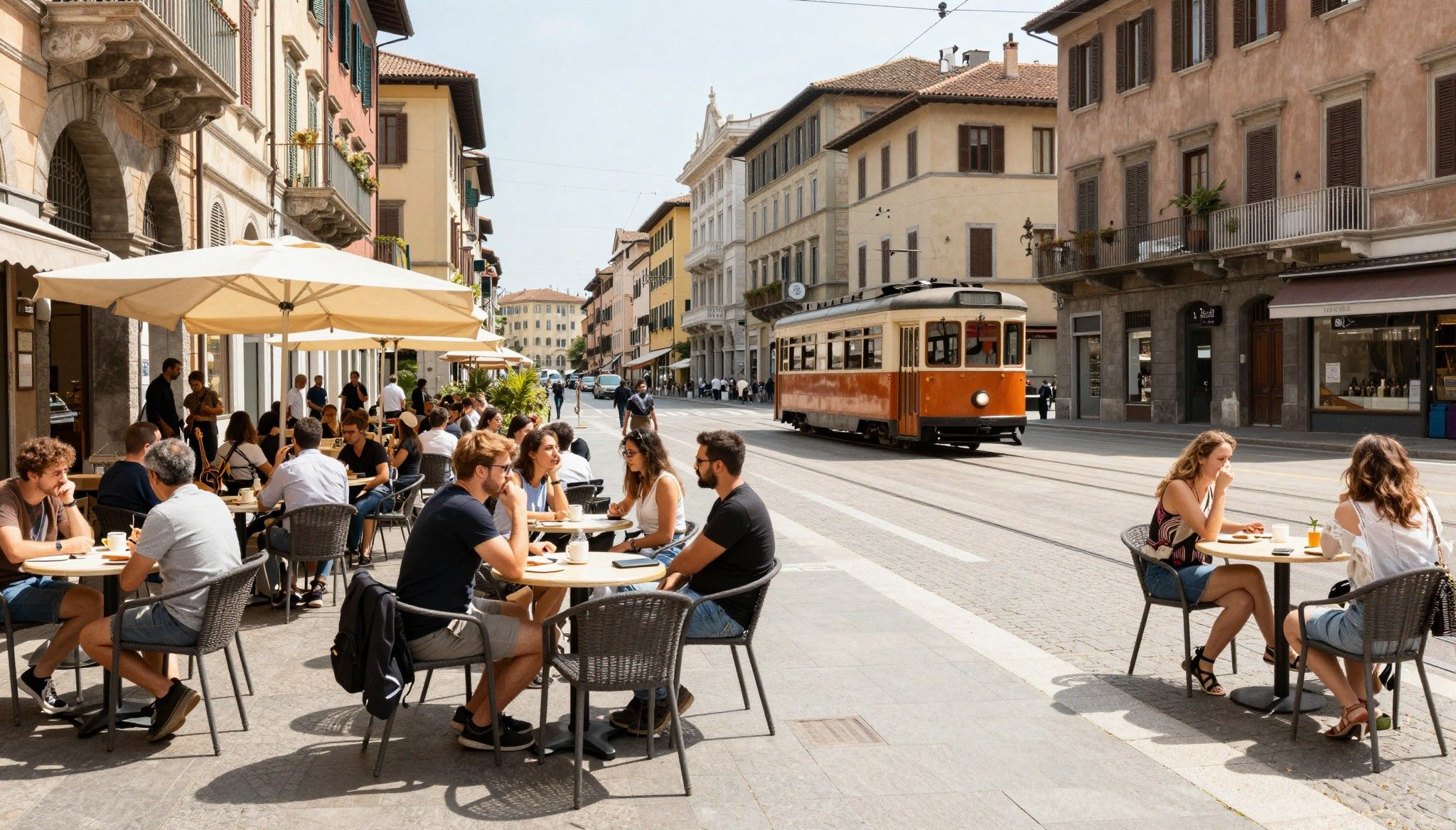
 The Yieldist

