
Why Italy’s ‘City Premium’ Is Often Misleading
Italy’s city premiums hide lifestyle value and local bargains. Live the neighbourhood first, then use up‑to‑date data and local experts to turn that life into a prudent purchase.
 Ashworth & Drake
Imagine a morning in Milan: a cappuccino on Via Solferino, tram bells, a narrow fruit market on a side street. By evening you’re in Navigli, canals and aperitivo plates. That contrast — high design and everyday life — is what draws international buyers to Italy’s urban hubs. But the headlines you read about "expensive" cities miss important local trade-offs and opportunities.
Living the Italian urban life: more than a price tag
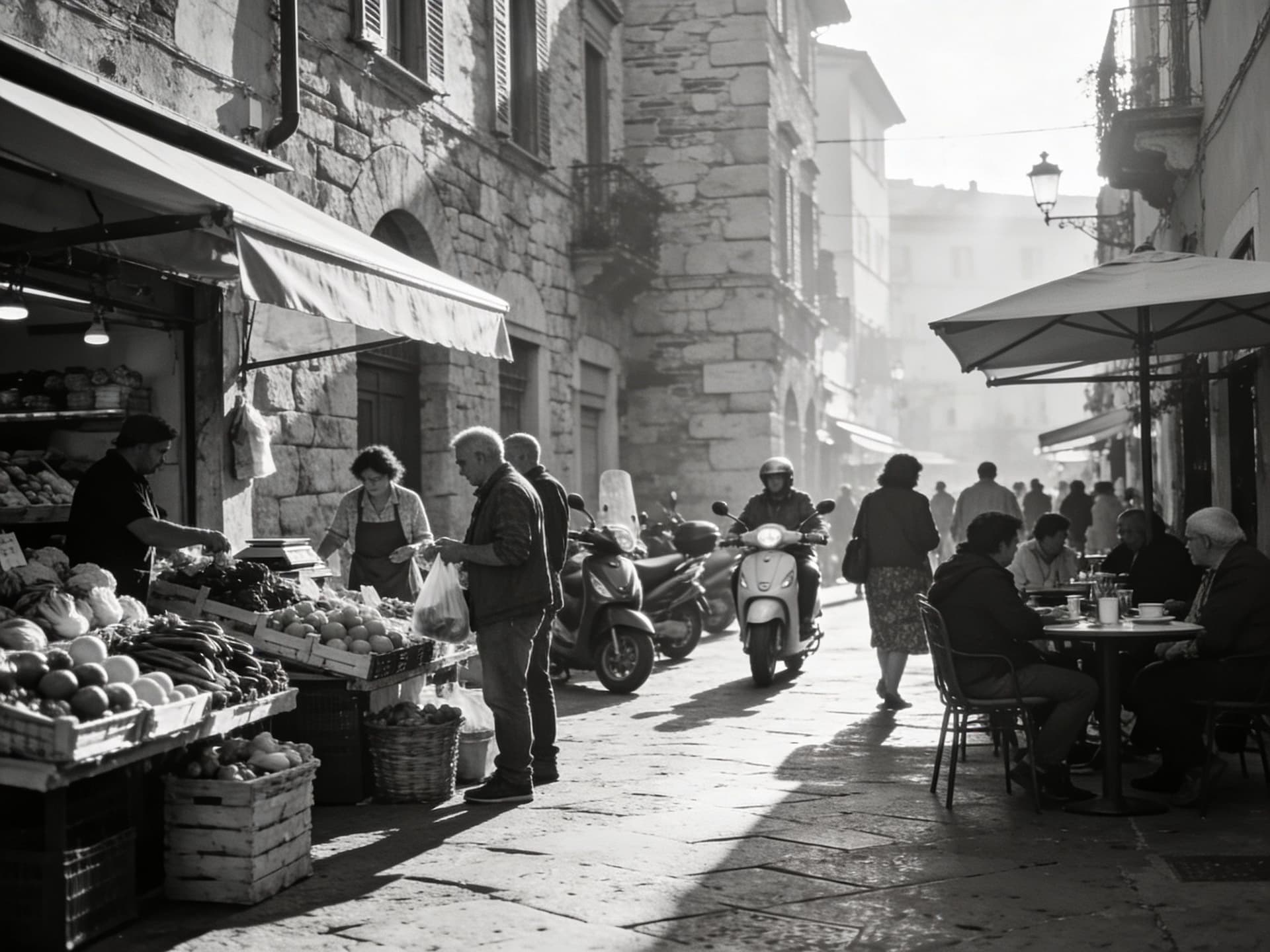
Italy’s major cities mix dense history, walkable neighbourhoods and strong local institutions. The population is ageing and shrinking overall, but city centres remain magnets for work, culture and international residents — a dynamic that sustains demand even when national demographics soften. For buyers, that means purchasing power and lifestyle value can diverge sharply within the same city. See national context from Istat for 2024 trends.
Milan: compact intensity and design-led life
Milan is an operational city: late meetings, strong coworking, and neighbourhoods that change every few blocks. Brera and Porta Romana offer galleries and intimate piazzas; Isola and Tortona skew younger and creative. The city commands the highest prices — but the premium buys connectivity: fast trains, corporate headquarters, and a deep rental market. Data from market reports show Milan’s per‑m² peak versus suburban alternatives.
Rome and Naples: history, waterways and layered lives
Rome’s Trastevere or Monti feel like neighbourhoods you could belong to in a weekend. Naples — Chiaia and Vomero — offers seaside life with intense street culture. Both cities show pockets where lifestyle value outperforms headline pricing, especially when you prioritise daily habits (markets, schools, transport) over status addresses.
- Lifestyle highlights: neighbourhood details that matter
- Walkable morning routines: covered markets (Mercato Centrale in Florence, Mercato di Porta Romana in Milan), small bakeries and corner bars
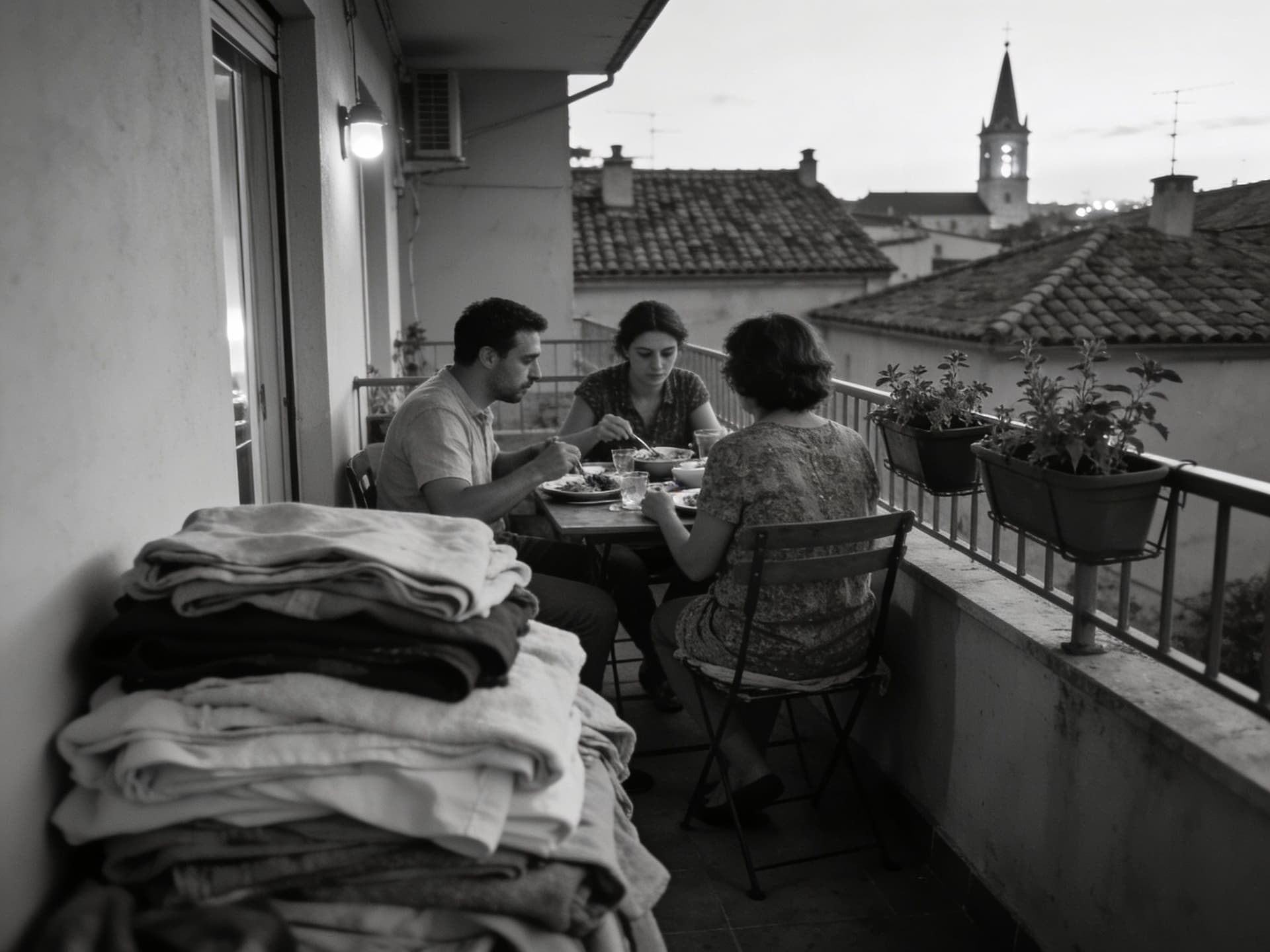
- After‑work social life: aperitivo canals (Navigli), intimate piazzas (Campo de' Fiori), and late cultural programming at theatres and galleries
Making the move: practical considerations married to lifestyle
If lifestyle is the magnet, process and timing are the compass. Italy’s second‑hand market has been a driver of recent price rises in major cities, but trends vary by neighbourhood and by property type. Use up‑to‑date market data to challenge assumptions that city = overpriced. Urban centre premiums often reflect scarcity of modern stock, not universal overvaluation.
Property types and how they translate to daily life
Historic apartments buy you location — small courtyards, high ceilings, and proximity to services — but often need technical due diligence (lift, wiring, damp). Newer conversions offer convenience: sound insulation, efficient heating, private terraces. Match the type to how you want to live: host dinners, commute by bike, or run a small B&B.
Work with experts who understand neighbourhood life
Local agents, a technical surveyor (geometra or ingegnere), and an attorney make the difference between a property and a lifestyle home. Look for agencies with street-level knowledge — the cafés they mention and the morning markets they know are the ones that truly understand how a neighbourhood functions for residents, not tourists.
- Steps to marry lifestyle and practical due diligence
- Spend 48–72 hours living like a local: shop, eat, take public transport and note noise, sunlight and access
- Order a technical inspection before signing and ask for a breakdown of condominium charges and pending works
- Confirm rental demand if buying to let — proximity to universities, hospitals or business districts matters more than city-centre prestige
Insider knowledge: what expats learn after six months
Expats often arrive enchanted by the postcard. After six months they notice smaller realities: shop opening hours, condominium politics, seasonal noise, winter heating, and municipal waste schedules. Those daily rules shape satisfaction more than one-off events. Italy’s demographic profile also affects services and schooling in different neighbourhoods.
Language, community and everyday integration
You do not need perfect Italian to live well, but learning enough to read notices, ask about works and negotiate with a local builder reduces friction. Small gestures — regular greetings at the bar, using local produce markets — accelerate acceptance and practical support from neighbours.
Long‑term lifestyle trade‑offs
Cities evolve. Genoa’s recent regeneration shows how investment can change lifestyle value in unexpected places. Expect neighbourhoods to shift over five to ten years. Choose areas where infrastructure projects match the lifestyle improvements you want — parks, transit links and cultural investment tend to alter daily life faster than price charts.
- Red flags that harm lifestyle, not just price
- Long‑term noisy commercial zoning near night venues or delivery hubs
- Pending condominium renovation with undetermined special assessments
- Poor natural light or awkward layouts that make day-to-day living constrained
Conclusion: buy the life, then justify with data. Spend time living in the neighbourhood, triangulate prices with reliable data sources and choose agents who can translate street-level life into purchase terms. If the address supports your daily habits — school runs, evening social life, market mornings — the numbers will follow. When ready, a local agency becomes the practical bridge from desire to ownership.
Ashworth & DrakeBritish expat who relocated to Marbella in 2012. Specializes in rigorous due diligence and cross-border investment strategies for UK and international buyers.
Related Articles
More insights that might interest you
 Villa Curated
 Villa Curated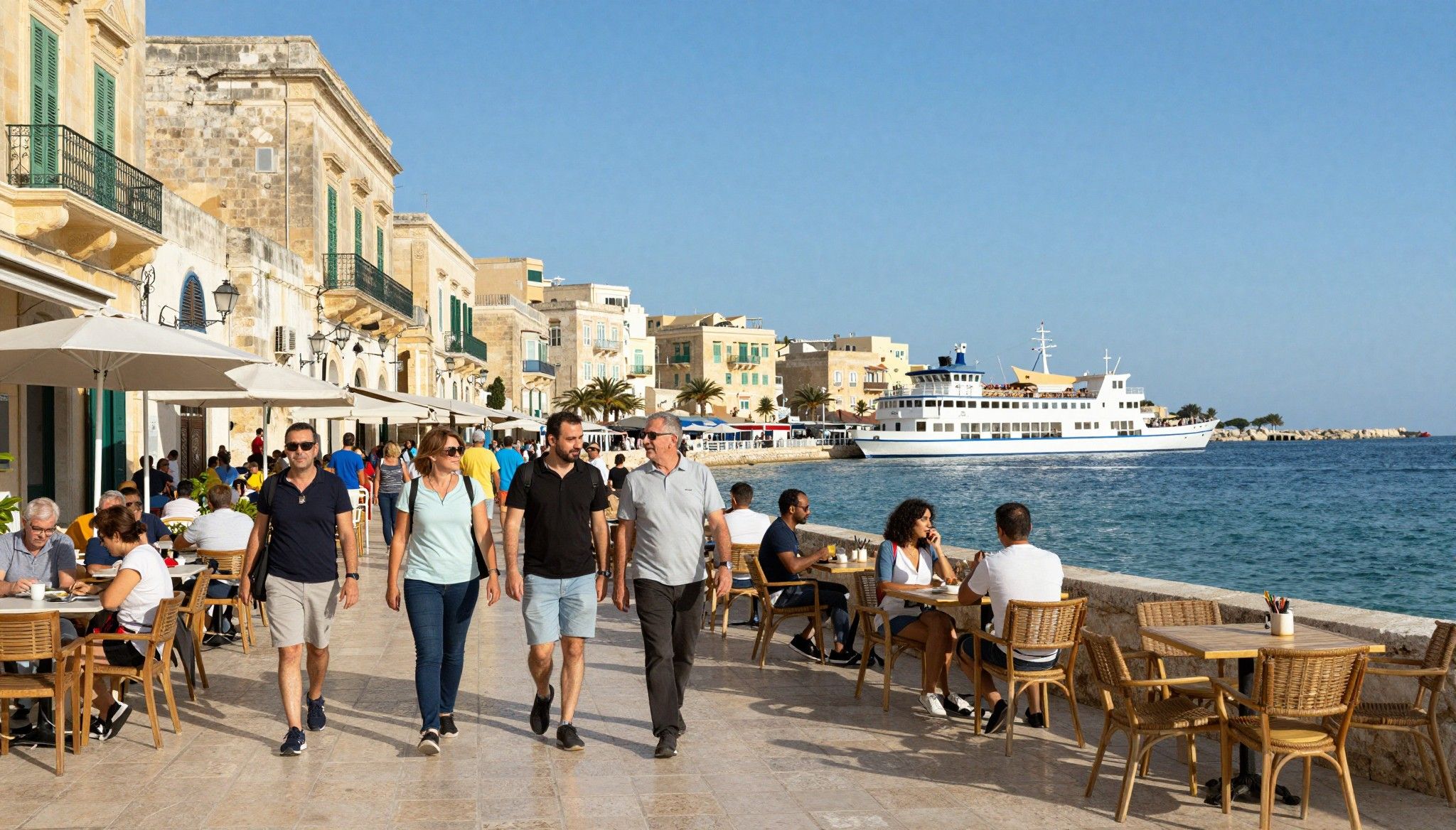
 The Yieldist

