Italy’s Verdant Coasts and Forest Life: Buy with Rhythm
Fall for Italy’s wild coasts and forested hinterlands — practical, research-backed steps to buy sustainably and live seasonally in verdant regions.
 Moss & Hearth
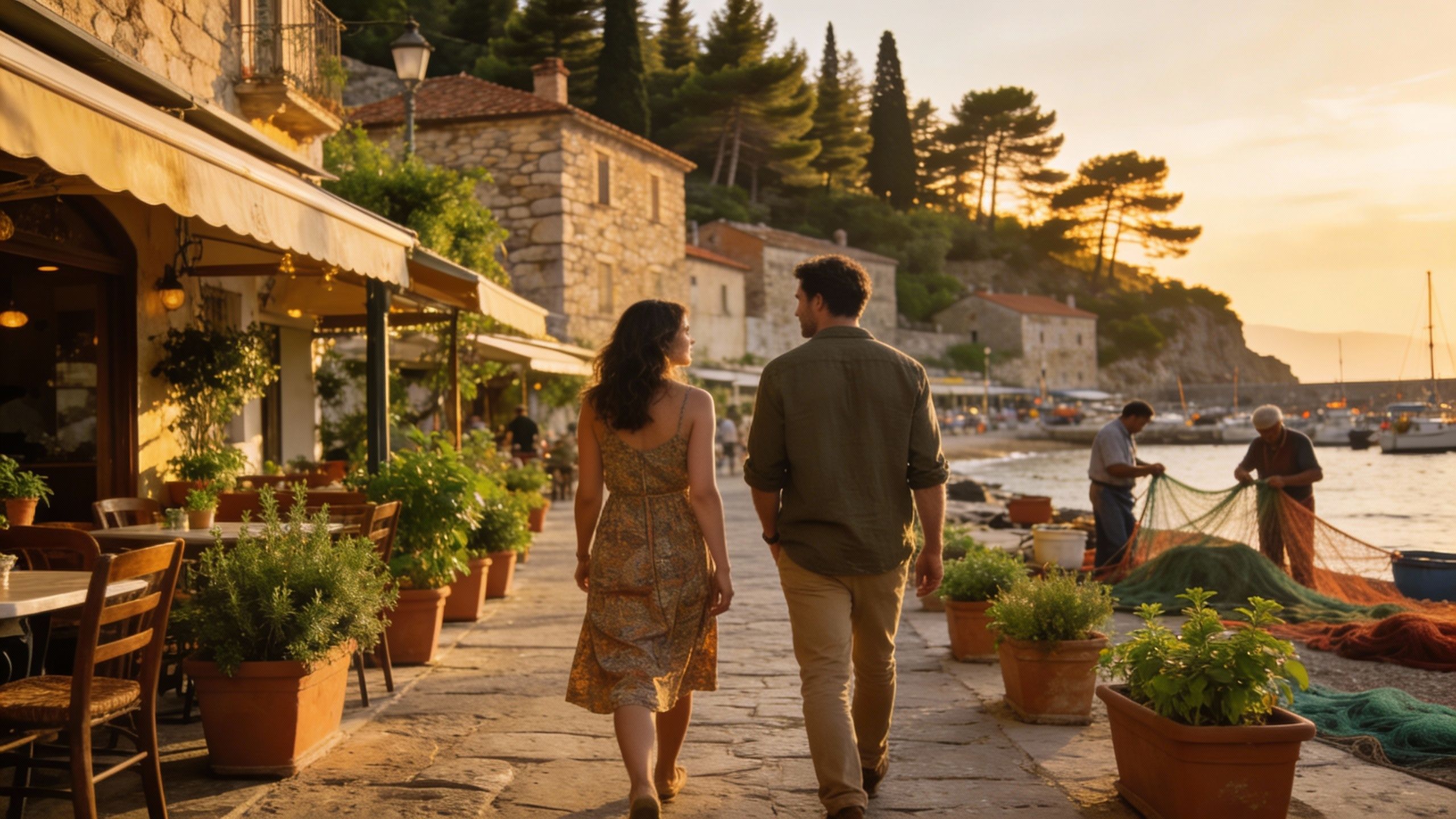
Imagine waking to the briny scent of a pine‑lined coast, then walking twenty minutes inland through cork oaks to a village where the baker knows your name. In Italy those small rituals shape a life — a measured day that stitches market squares to olive groves and coastal trails. For international buyers drawn to rugged coasts, forested hills, and green-living, the real question isn’t only which property to buy but which rhythm of Italy you want to join.
Living the Italy of Wild Coasts and Quiet Forests
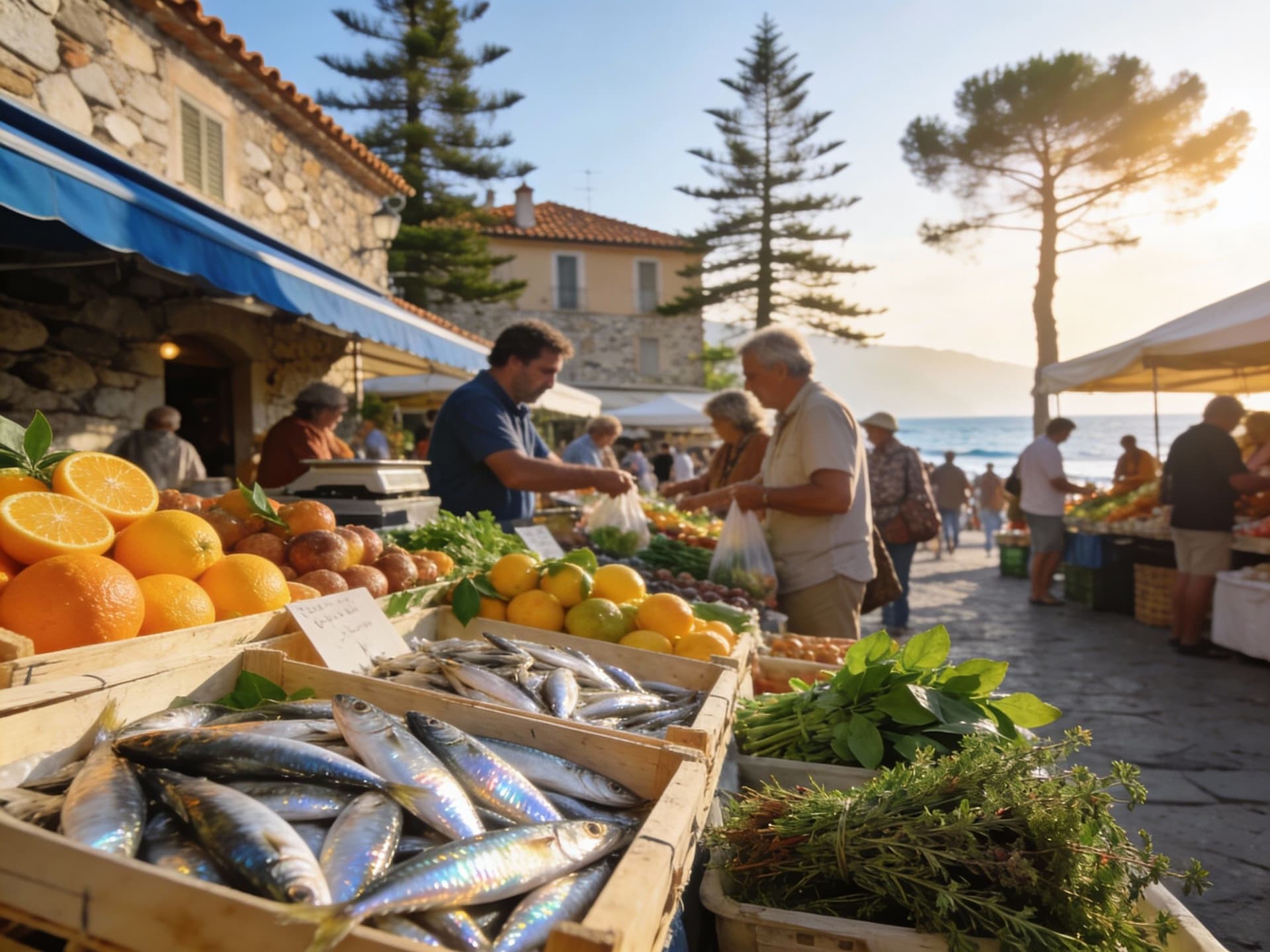
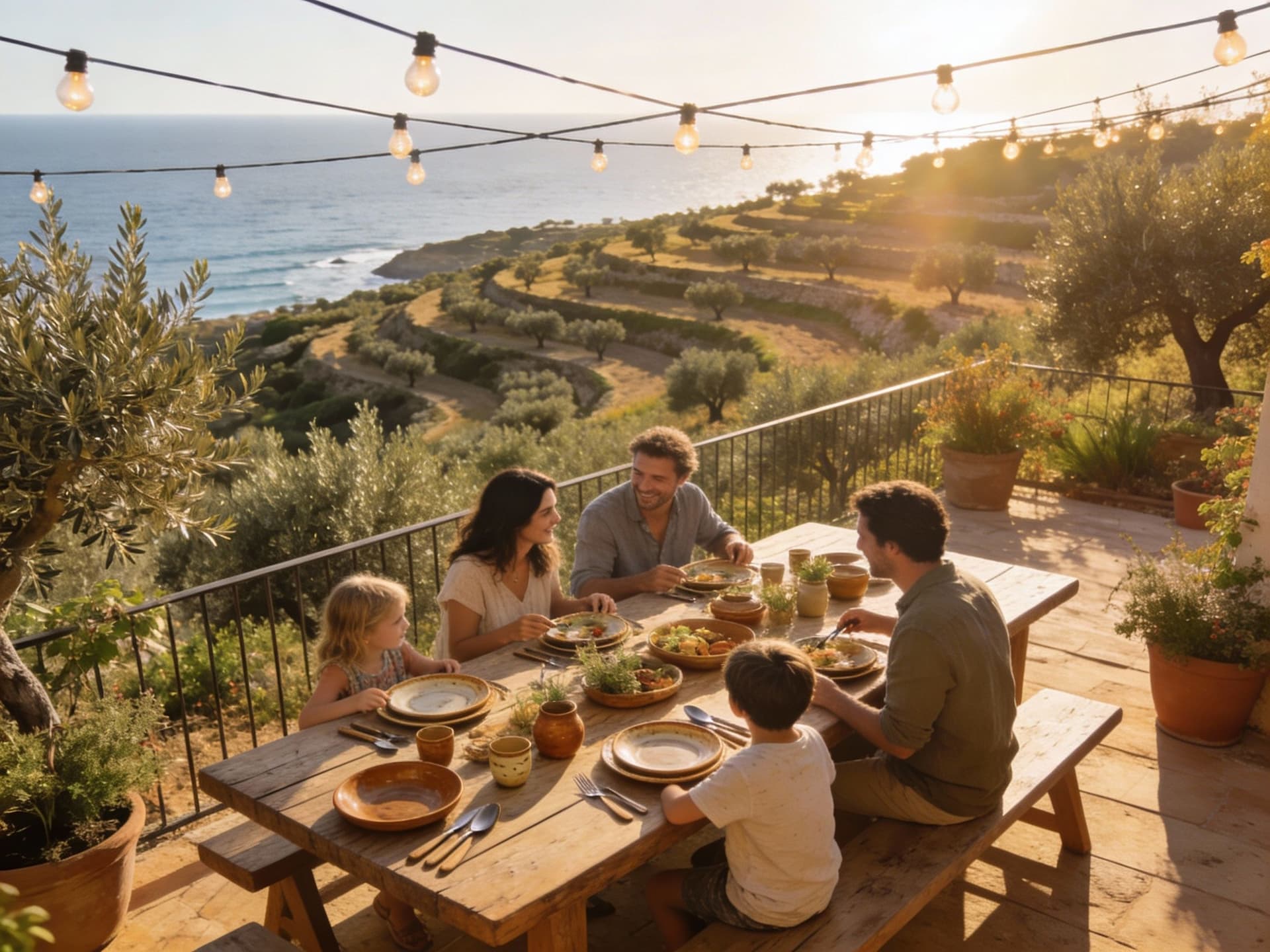
Life here is sensory in small, daily ways: an early espresso under an awning, the creak of shutters at midday, late light spilling across stone terraces where figs ripen. Verdant coastal regions — think the dramatic Ligurian shorelines, the cypress-dotted slopes of parts of Tuscany, and pockets of Calabria and Puglia where limestone meets scrub — pair wild sea air with dense woodland. These landscapes shape how houses are used: pergolas become rooms in summer, cellars become pantries, and roof terraces are the stage for long dinners. Recent national data shows modest, steady price movement across Italy, suggesting markets in many of these regions remain accessible to well‑prepared buyers. (See ISTAT quarterly HPI for context.)
Neighborhood spotlight: Liguria’s Golfo Paradiso and hinterland
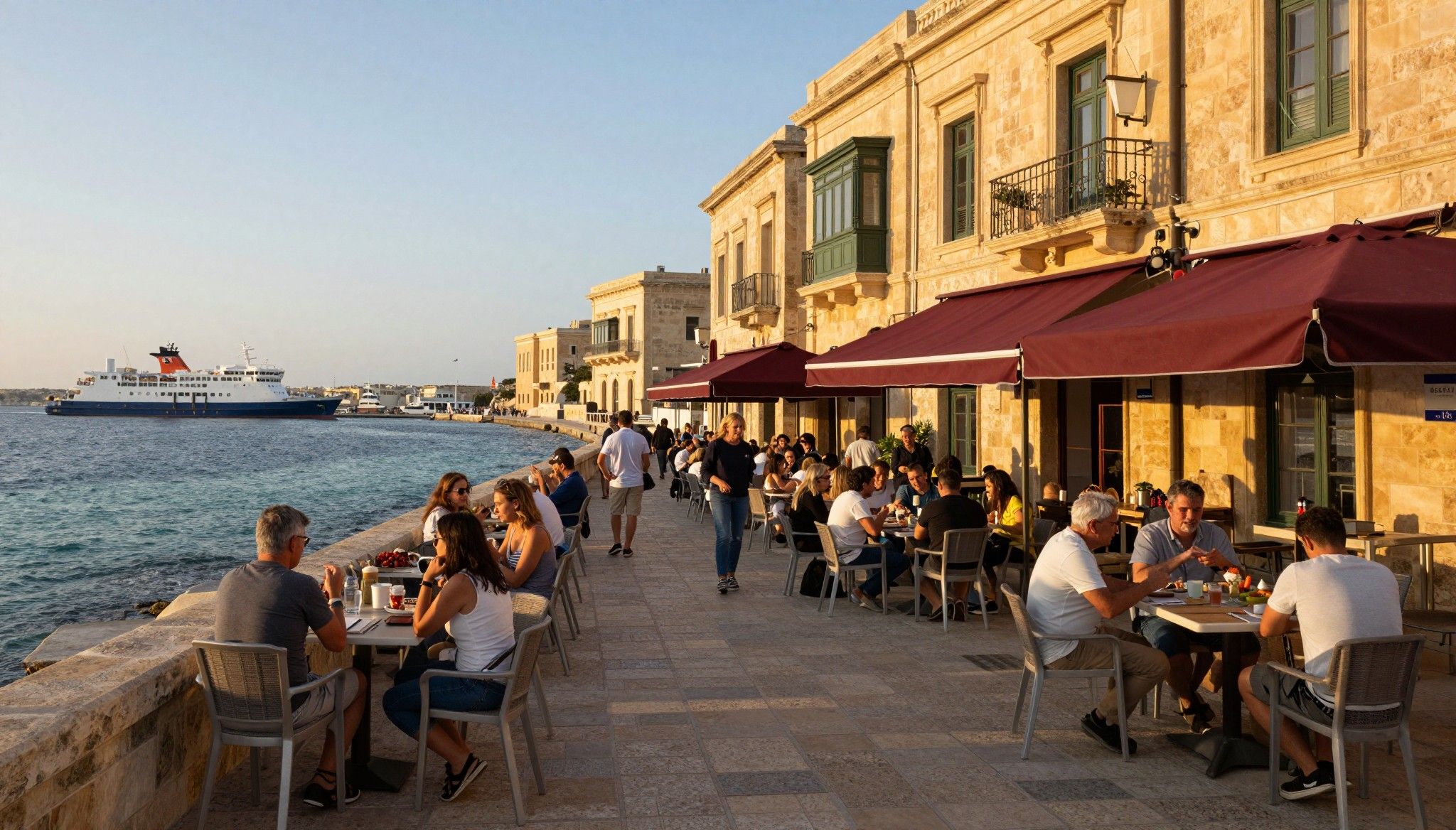
Walk the seafront in Camogli, then drive ten minutes uphill and you’ll find olive groves, wild rosemary and shepherd trails that feel unchanged. The Golfo Paradiso — smaller towns between Santa Margherita and Sestri Levante — offers a rare mix: fishing harbours, cliffside footpaths, and vernacular stone houses with thick walls that stay cool in summer. Locals buy fresh anchovies at dawn, and afternoons are for slow walks through fragrant maquis. For buyers craving both a strong coastal social life and access to wild green tracts, these micro-regions are quietly magnetic.
Food, market life and seasonal rhythms
Markets pulse with seasonal abundance: coastal towns sell anchovies, sea fennel and citrus in winter, while inland stalls offer mushrooms, chestnuts and pecorino come autumn. Feast days — truffle festivals in Piedmont or chestnut fairs in Tuscany — reorder the calendar and are also when locals barter property gossip. If you plan to live seasonally, know that each season offers a different version of community: summers hum with visitors and open‑air concerts, winters close rounds to neighborhood life and kitchen gardens.
- Markets, beaches and green rituals to know • Camogli fish market and morning anchovy stalls • Monterosso and hidden coves along the Cinque Terre trails • Pisan countryside chestnut festivals in October • Local agriturismi offering seasonal farm‑to‑table experiences • Coastal pine‑forest walks at dawn where you’ll meet resident mushroom pickers
Making the Move: Practical Considerations
Romance meets paperwork: you can fall in love with a stone farmhouse on Tuesday and discover on Thursday that its heating is antique and the access road is seasonal. That’s where local knowledge and market context matter. National forecasts anticipate steady, modest gains and improving mortgage conditions over the coming years — a useful backdrop for timing a purchase. But regionally, values and demand diverge sharply: tourist magnets behave differently from quiet forested towns. Use broad market data as a guide and hyperlocal checks to decide whether that coastal cottage is a holiday fling or a long‑term home.
Property styles that suit this life
Stone cottages with thick walls are forgiving and low‑tech; they suit slow living and passive cooling but often need insulation upgrades to meet modern comfort and sustainability aims. Mid‑century villas on terraces can be retrofitted with photovoltaic panels, rainwater harvesting and natural pools to blend comfort with stewardship. New-build eco‑homes are rarer here — when they appear they often prioritise local materials, green roofs and heat pumps. Match the building type to how you want to live: a restored stone house for seasonal immersion, a retrofit villa for year‑round comfort, or a modest modern build for low maintenance.
- How local experts translate lifestyle into a shortlist 1. Ask an agent for energy performance certificates (APE) and a retrofit cost estimate so lifestyle choices and running costs align. 2. Request recent aerial or cadastral maps to confirm woodland boundaries and private access — essential in forested hinterlands. 3. Check local water access and septic permits; rustic charm sometimes arrives with seasonal wells or shared systems. 4. Ask for recent neighbour testimonials or short‑term rental histories to understand seasonal noise and occupancy. 5. Insist on a local surveyor who knows traditional masonry and hill‑slope foundations.
Insider Knowledge: What Expats Wish They’d Known
Expat life here often feels like joining a long conversation already in progress — you bring a different accent, but the rhythms are local. Many newcomers underestimate the slow season: November through March is when real community ties form, when gardens are pruned and repair work happens, and when you’ll see the real neighbours. Market numbers show steady but regionalized growth, so buying in a quieter verdant area often means lower entry prices and a more authentic community, while larger coastal towns carry tourist premiums that compress seasons and lifestyles.
Cultural integration and daily life
Language helps, but curiosity opens doors: volunteer at a sagra, join the local cooperative olive press, or learn to pick mushrooms with a neighbour and you’ll be adopted faster than by taking Italian lessons alone. Social life is often seasonal and centred on food rituals — shared tables, local markets and small civic projects like trail maintenance or communal gardens. Respect for rhythm and reciprocity matters: neighbours who swap produce or help with pruning form the fabric of daily life more than any expat network.
Long‑term lifestyle and stewardship
If you buy here, think in cycles: design for summer shade and winter warmth, choose materials that patina with time, and plan landscaping that encourages biodiversity — olive groves rewilded at the margins, native hedgerows, and terraces that slow rain. Many buyers find joy in gradual stewardship: planting an orchard, fixing a stone wall, or installing discreet solar. The returns aren’t only financial; they’re ecological and social, turning a property into a small, resilient landscape.
Conclusion: Italy’s verdant coasts and wooded hills reward patience and local knowledge. National data points to steady pricing and recovering mortgage activity, but the real value for international buyers lies in matching lifestyle rhythms to property type and choosing local experts who understand slow seasons, access realities and sustainable retrofits. Start by visiting in shoulder seasons, ask for energy and land documentation, and work with an agent who treats stewardship as part of the brief — you’ll buy not just a home, but a place to grow into.
Moss & HearthDanish relocation specialist who moved from Copenhagen to the Algarve; supports families with seamless transitions, local partnerships, and mindful purchases.
Related Articles
More insights that might interest you
 Villa Curated
 Villa Curated
 The Yieldist

