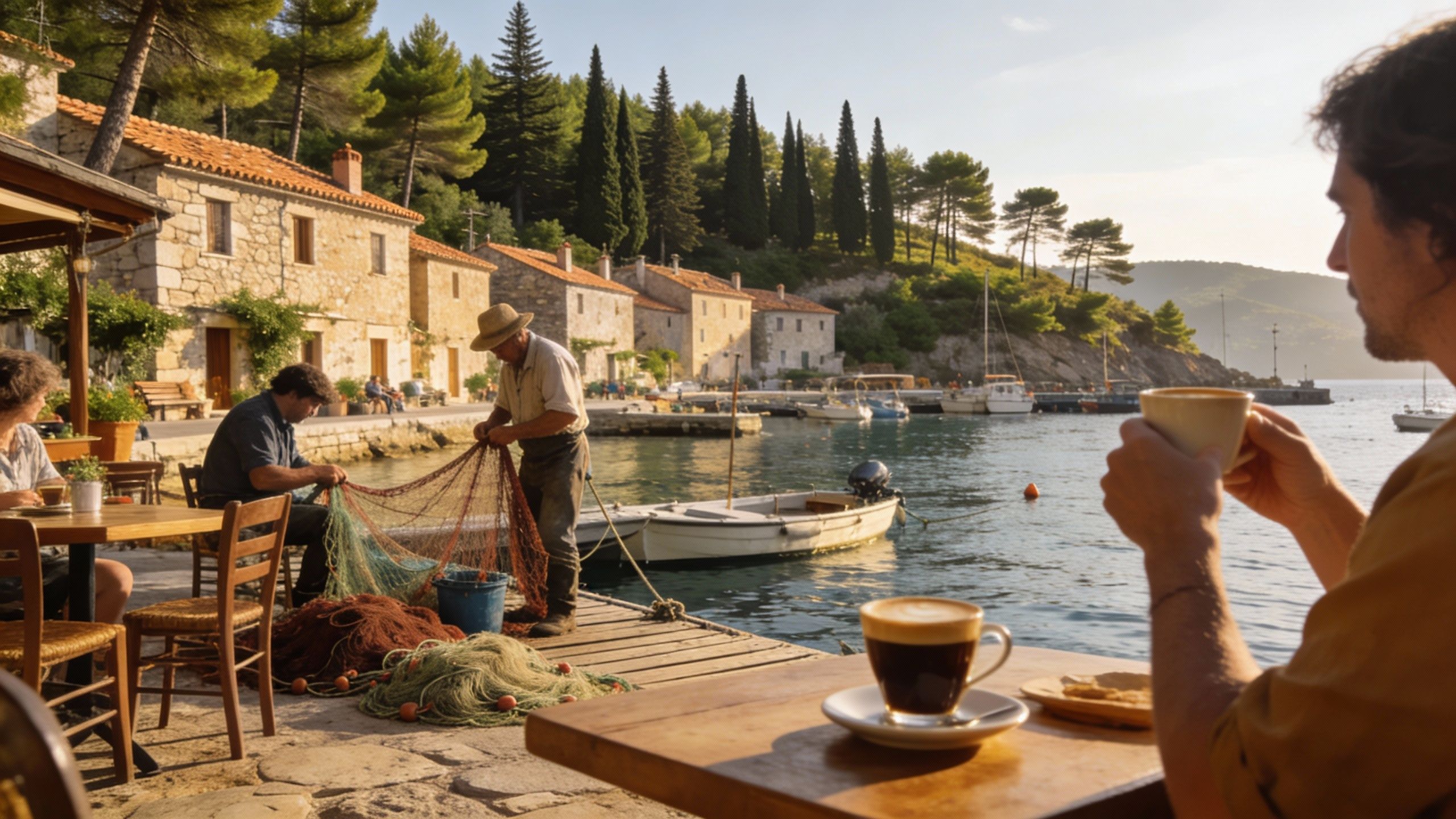
Rugged Coast, Verdant Value: Greece’s Quiet Corners
Explore Greece’s forested coasts — Pelion, Kefalonia, Epirus — where verdant landscapes, traditional stone homes and modest price entry points meet rising but uneven market demand.
 Moss & Hearth
Imagine stepping off a sun-warmed ferry onto a small harbour where cedars and olive trees slope down to a stony beach, cicadas pulse in the heat and a café owner pours your first espresso with the same slow, confident hands locals have used for decades. This is Greece’s less-obvious coast — not the glossy postcard islands but Pelion’s forested headlands, Kefalonia’s green bays, Epirus’s rugged shoreline and the low, planting terraces of the Peloponnese — places where verdant landscapes meet raw coastline and everyday life still moves with seasonal rhythm.
Living the Greek, Green Coast Lifestyle
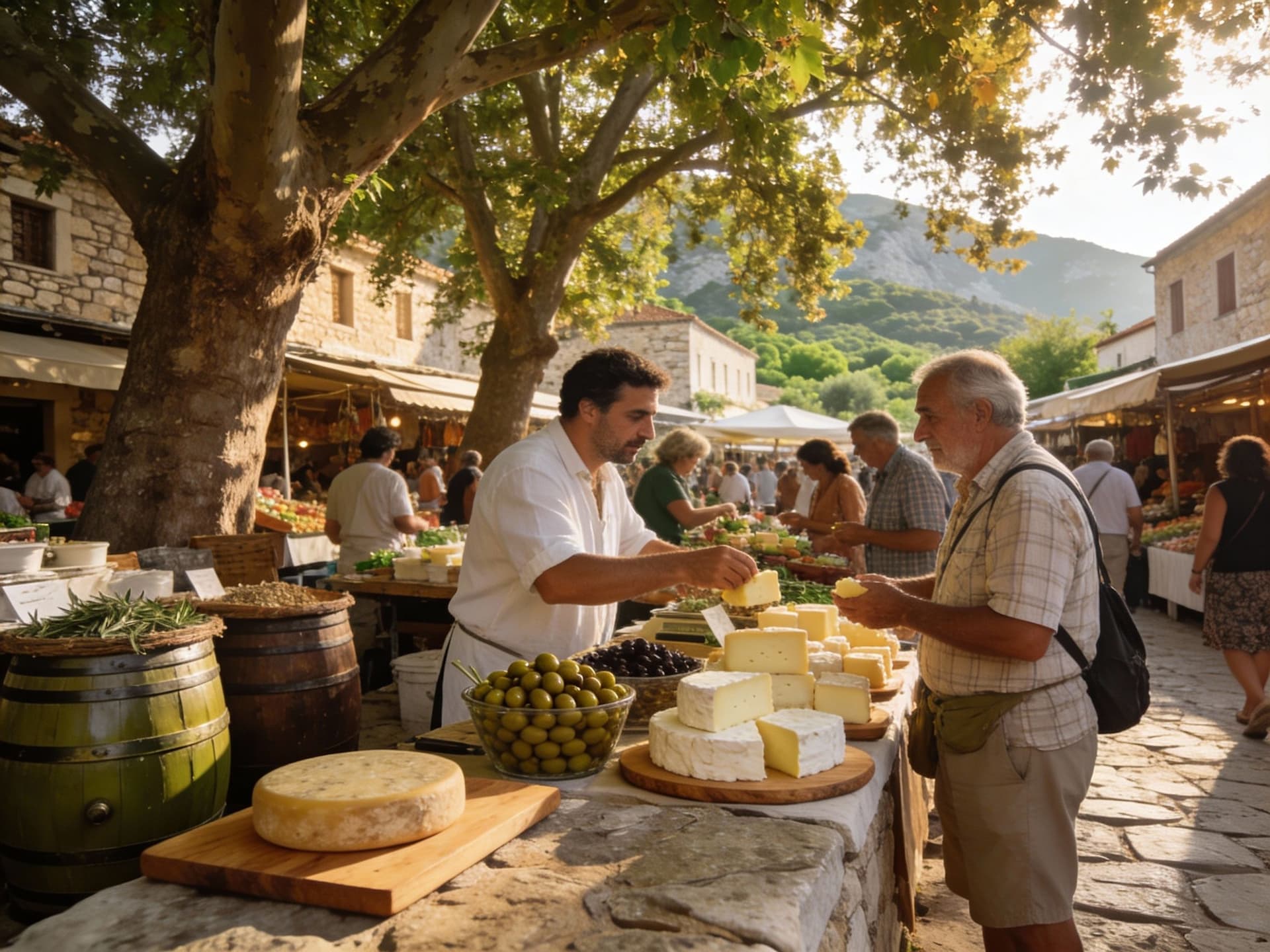
Life here is tactile: market mornings, sourdough bread from a wood-fired oven, late siestas in shaded courtyards and evenings that slide from orange to a cool, fragrant breeze. Villages cluster where freshwater springs meet the sea and houses are built from local stone, cedar and whitewashed lime — materials that breathe with the weather. For an international buyer drawn to low‑impact living, this is the place where a solar array and a cistern feel like continuity with local practices, not an add-on.
Pelion: Forested promontories and cedar‑lined coves
Walk the mule tracks in Zagora, buy honey from a woman who knows each spring by name, watch sailors slip past emerald inlets — Pelion is a study in layered microclimates. Homes are often traditional stone cottages with terraces for herbs and grapes; many are already set up for seasonal living, meaning modest retrofits (insulation, efficient stoves) deliver big comfort returns.
Kefalonia & Ionian coves: Pine, olive and blue water
Kefalonia’s bays and pine ridges feel Mediterranean but shaded; mornings start with fish markets in Lixouri and afternoons draw out in tavernas under plane trees. Properties here often include terraced gardens and mature olive groves that both sequester carbon and provide seasonal produce — an immediate lifestyle dividend for a buyer who wants a working garden rather than an ornamental patch.
- Lifestyle highlights: morning markets in Volos, the cedar paths of Pelion, Agios Andreas beach (Kefalonia), local olive presses, Sunday village festivals (panigiria), evening ouzo by harbour-side tavernas
Making the Move: The Lived Reality Behind the Dream
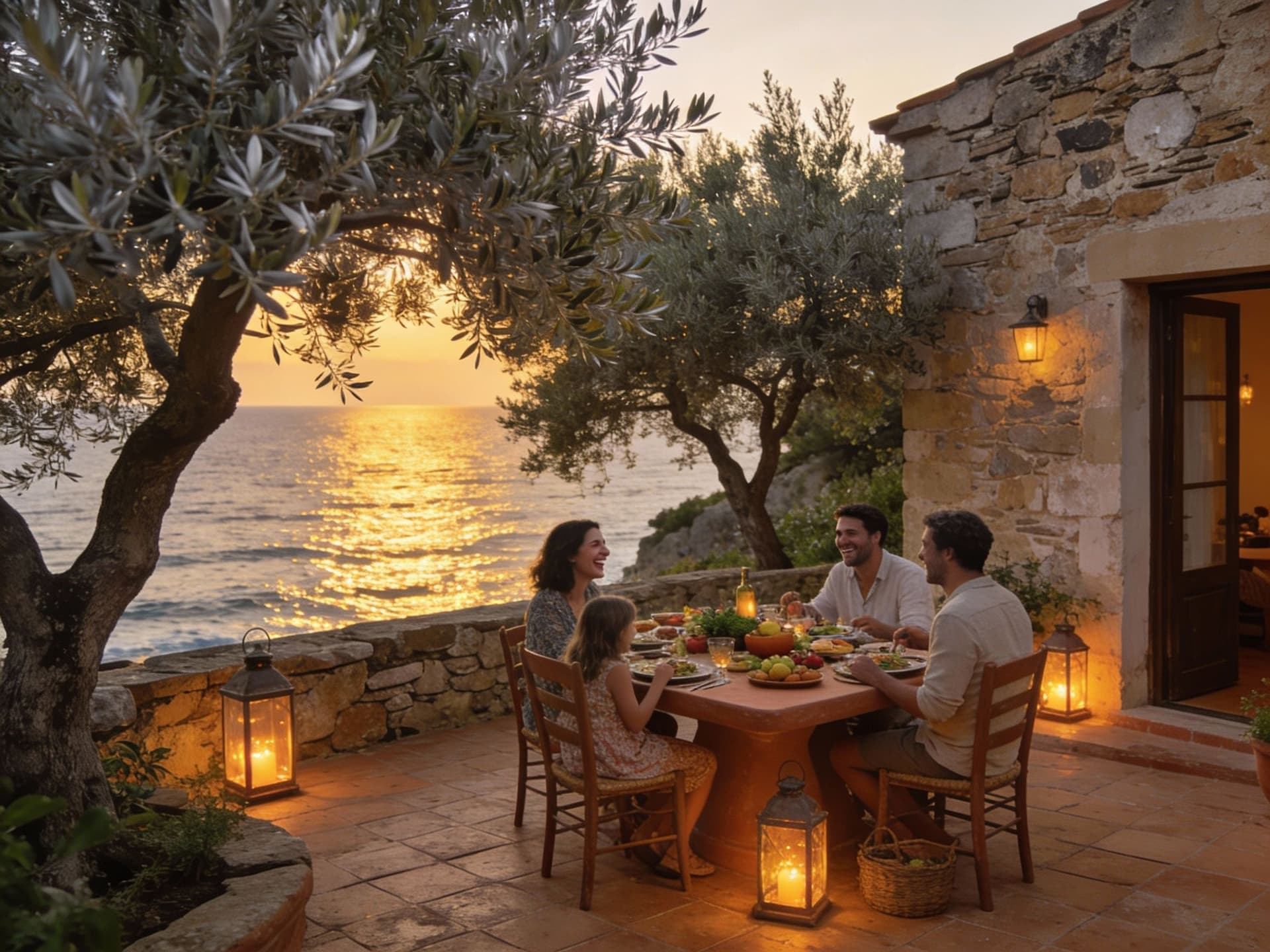
The romance of a forested coast meets a market that has been waking up: prices rose nationally through 2023–24 and pockets of demand — notably in Athens and Thessaloniki — are strongest, but regional, verdant areas often offer more attractive price entry points and room to restore traditional homes. Local data show modest but consistent price growth, which means a careful buyer can still find value if they look beyond the most touristed strips. Work with local market reports to target regions where green living is affordable.
Property styles & how they shape daily life
Stone farmhouses, small seaside villas and low-impact modern builds each invite different routines. A restored stone home asks for gardening and maintenance but rewards with thick walls that cool naturally. A modern, timber-clad renovation gives open-plan light and solar-ready roofs but may cost more upfront. Think about seasonality: is the house for year-round living, seasonal retreats, or a hybrid remote-work life?
Local experts who match lifestyle to place
- 1. Commission a regional surveyor with experience in seismic retrofits and vernacular materials. 2. Meet local architects who specialise in passive cooling, rainwater capture and small-scale solar. 3. Ask agents for references from neighbours — community relationships matter in village markets. 4. Prioritise agencies that can handle bilingual paperwork and connect you with local craftsmen. 5. Include a local tax adviser early to understand property tax shifts and residency implications.
Insider Knowledge: Expat Lessons and Unspoken Local Rules
Expats who fall in love quickly often discover a few uncomfortable truths: short‑term rental pressures are prompting new regulations in Athens and popular zones, construction permits can be slow, and community acceptance matters more than glossy listings. Learning a few Greek phrases, respecting harvest schedules and showing interest in local craftwork opens doors; ignoring local rhythms can close them faster than any red tape.
Cultural integration, language and rhythms
Make market mornings your ritual, learn the names of local producers, and attend a panigiri — these are the social currencies that integrate you. Many former buyers say their best investment wasn’t a rooftop solar array but the relationships they quietly built with neighbours, olive pressers and a trusted builder.
Long‑term stewardship and community growth
Think like a steward. Planting native species, choosing local stone repairs and prioritising rainwater capture reduces maintenance and deepens community ties. Regions that embrace small-scale sustainable tourism often retain residents and see more stable long-term value than areas that chase rapid, short-let development.
- Red flags to watch for: suspiciously underpriced coastal lots (often missing permits), properties with unresolved inheritance claims, listings that only show staged terraces without proof of irrigation or water rights, and neighbourhoods with rapidly rising short‑term rental listings.
When the idea of living among cedar groves and salt-scented wind becomes a plan, make time to live in your chosen place for a season. Rent locally, meet neighbours, and hire a local architect to scope the property’s long-term sustainability improvements. An informed, patient approach turns a beautiful purchase into a home that enhances the land and your life.
Practical next steps: ask agents for recent sale comparables in the specific village (not the region), require a local energy-systems audit, insist on clear title evidence especially for rural plots, and build a maintenance contingency into your offer. A local agency that shares your ecological values will be your best ally in finding a property that feels like part of a landscape, not a takeover.
If you’re ready to trade city noise for wind in the pines, start small, live locally, and let the seasons teach you. Greece’s forested coasts are less about postcard perfection and more about a slow, sensory life — the kind that changes you, and that you in turn can care for.
Moss & HearthDutch property strategist who helped 200+ families find sustainable homes in southern Europe; expert in legal pathways and long-term stewardship.
Related Articles
More insights that might interest you
 Villa Curated
 Villa Curated
 The Yieldist

