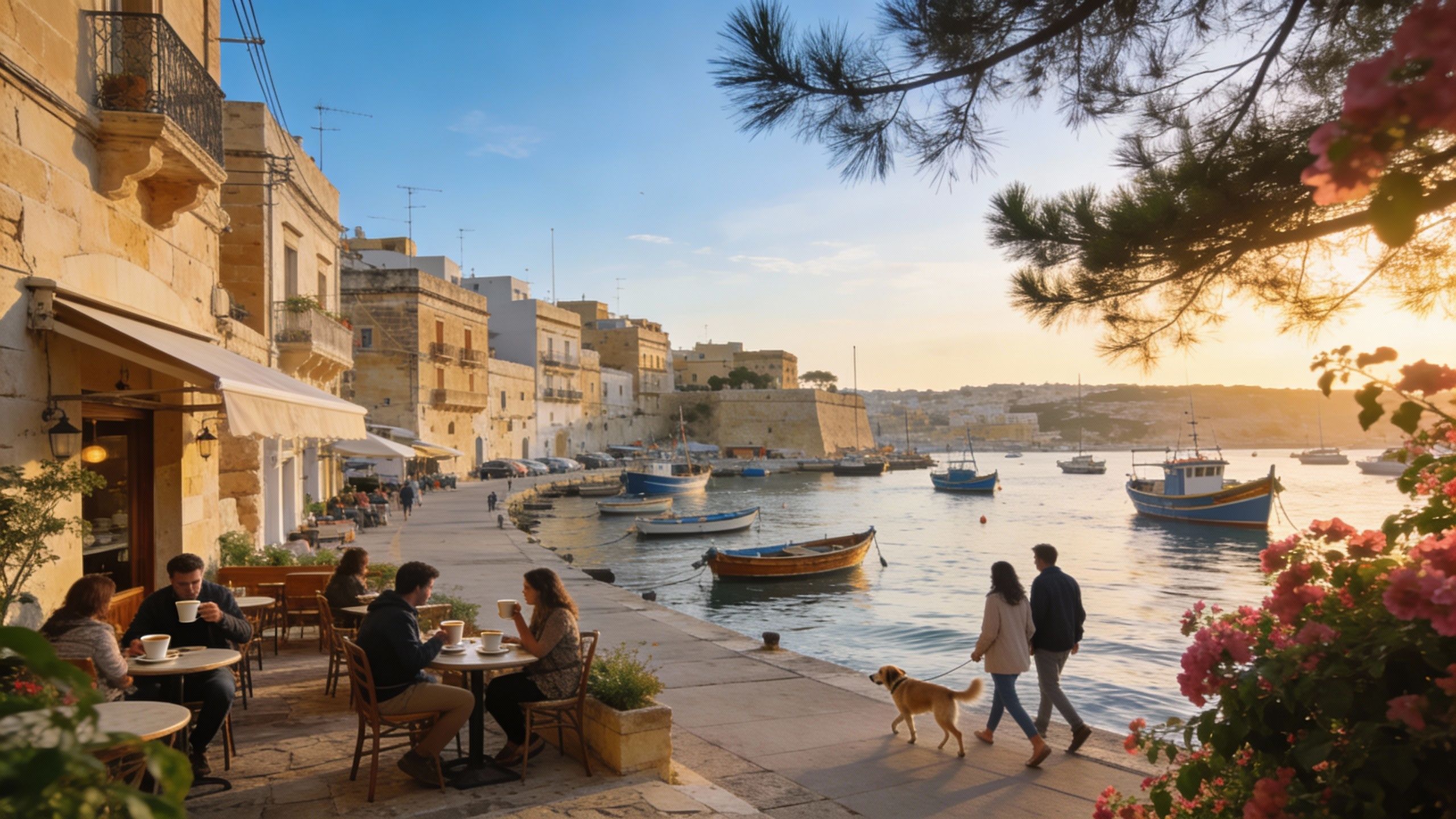
Valletta vs Coastal Towns: The Verdant Trade‑Off in Malta
Malta’s compact, verdant life seduces—but rising prices mean lifestyle choices must guide property strategy. Balance seaside charm with garden-minded searches and local expertise.
 Moss & Hearth
Imagine waking to the smell of freshly baked ftira, stepping onto a limestone balcony as gulls wheel over a cobalt inlet, and deciding—today—whether life in Malta will be lived in a compact Valletta apartment or a terraced house where pomegranates slip into the mortar between stones. These are not abstract choices: Malta’s market, geography and seasons shape the way you will eat, work, and garden. Recent official data shows steady price growth, and that reality bends the dreamy parts of moving here into clear trade-offs. (See NSO RPPI for Q4 2024.)
Living the Malta life: sensation before spreadsheets
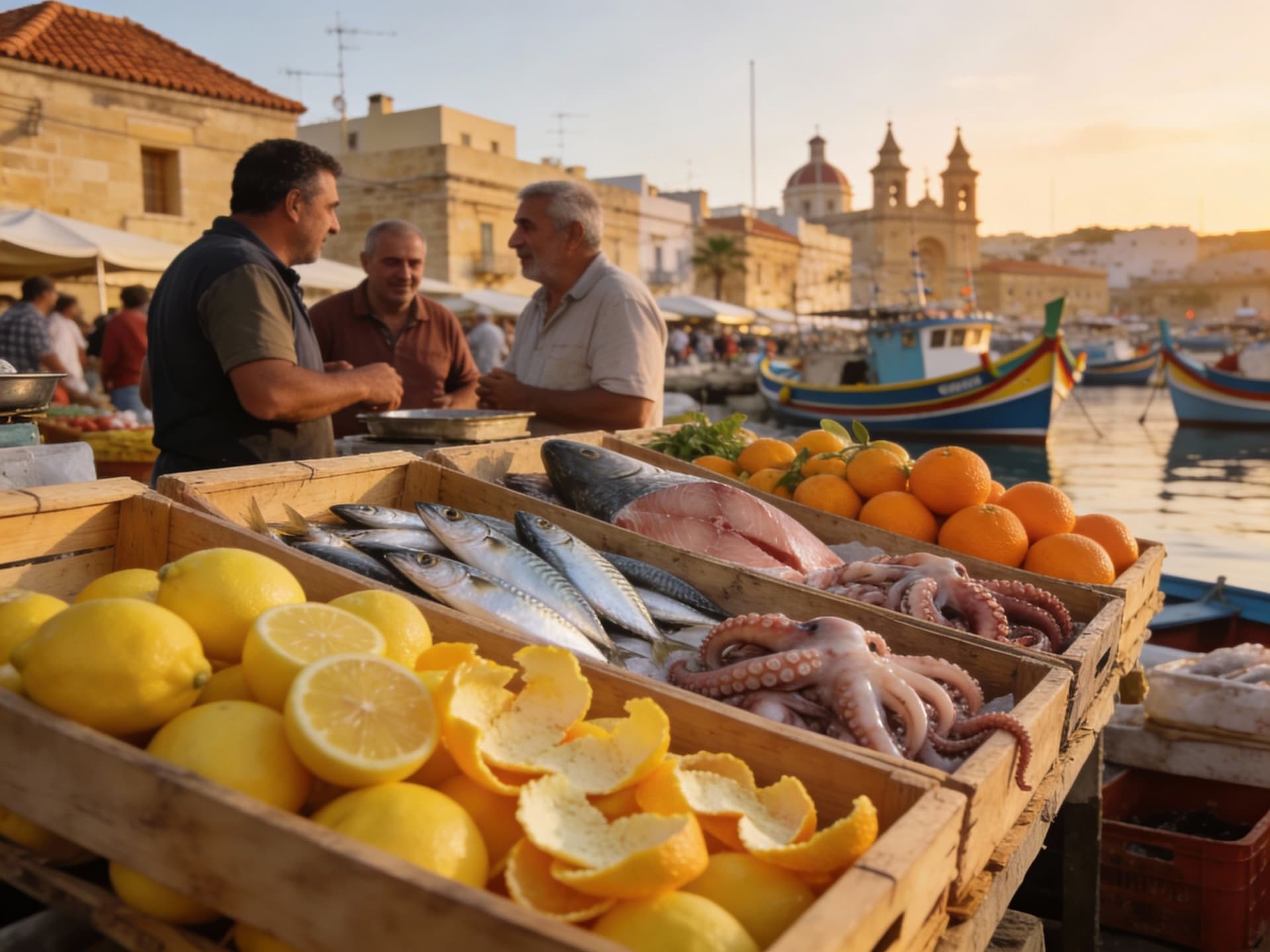
Mornings in Sliema start with espressos at Qui-Si-Sana’s quieter corners; evenings in Marsaskala mean anchoring a small boat and cooking catch-of-the-day on a rooftop grill. Malta is compact: you’ll trade long commutes for intense neighborhood character—stone alleys, tiny piazzas, and every street carrying the sound of someone repairing an old wooden balcony. Yet the compactness also means competition for land, and prices have steadily risen in recent years, so the sensory pleasures come with market realities to weigh. (Market context: see MaltaToday summary.)
Where to wake up: Valletta, Sliema, or the quieter bays?
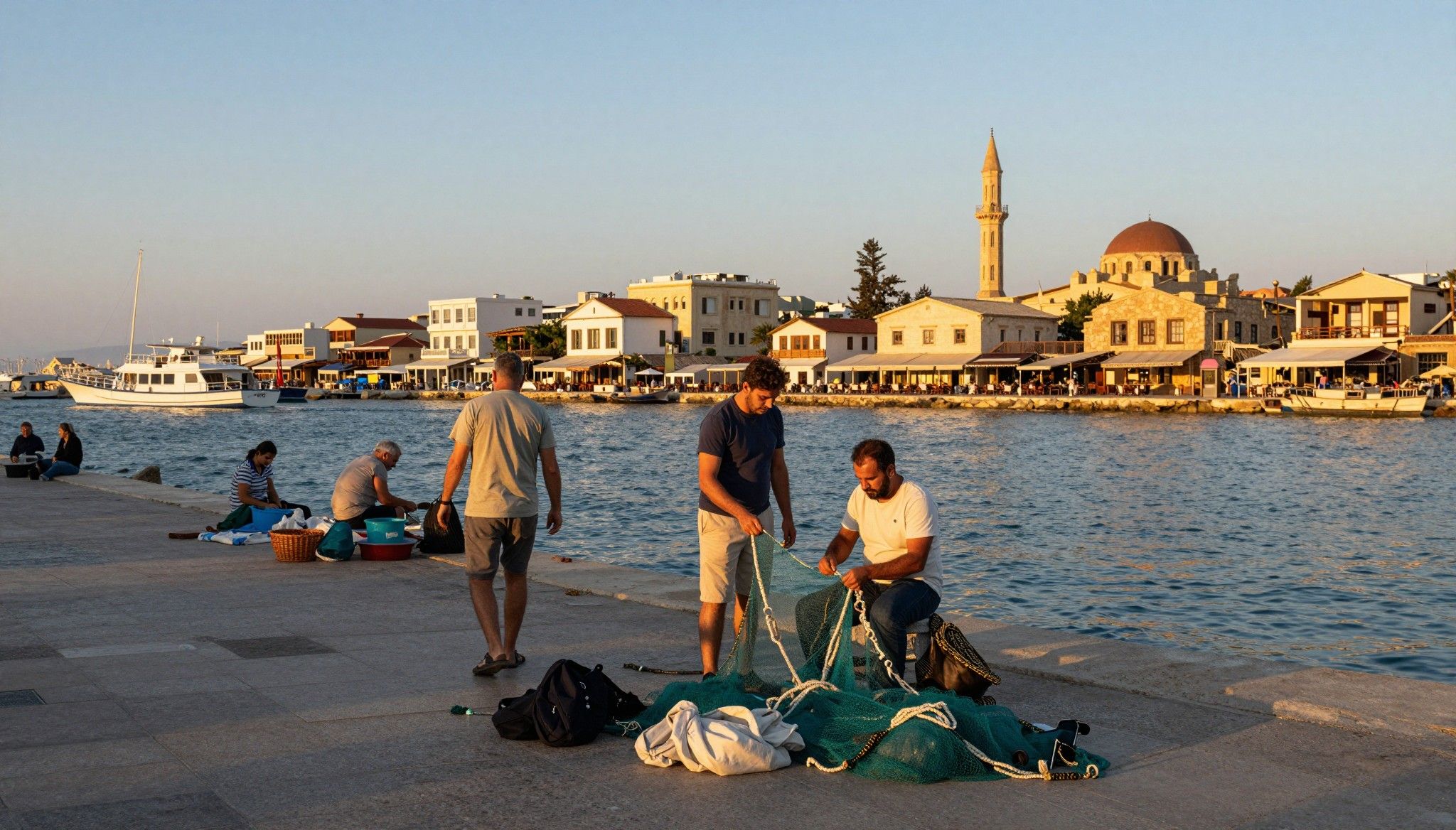
Valletta offers theatre, baroque drama on every street and a feeling of living inside a history book; Sliema and St Julian’s hum with cafés and seaside promenades; Marsaxlokk and Marsaskala keep fishermen’s markets and slow afternoons. If you want verdant corners—gardens, pocket parks and shady terraces—look inland to areas around Mdina’s rim or into Gozo, where trees and terraced fields reintroduce a quieter green rhythm to daily life.
Food, markets and the weekend ritual
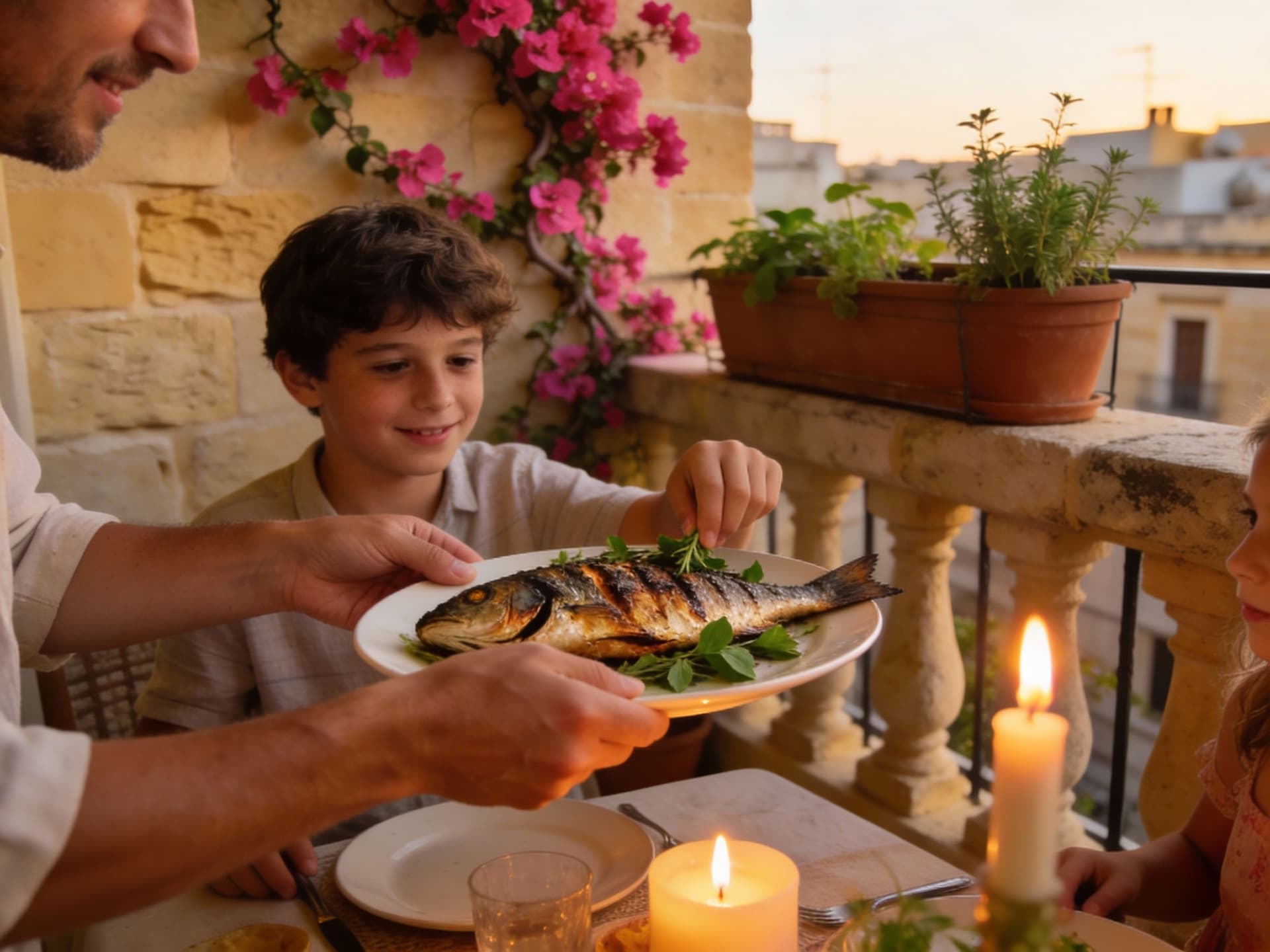
Weekends often begin at Marsaxlokk’s fish market or the fruit stalls in Ħamrun; they end with long dinners of aljotta (fish soup) or braġjoli under string lights. Small producers deliver seasonal figs, capers and wild greens; many buyers quickly adopt a farm-to-table routine, tending herb pots on terraces and seeking properties with usable outdoor space for herbs, olive trees or a modest vegetable bed.
- Lifestyle highlights to look for
- Morning espresso on Republic Street (Valletta) and a sunrise walk along the Valletta Waterfront
- Sunday fish market in Marsaxlokk and terrace grilling in Marsaskala
- Quiet, terraced gardens in Gozo and pocket orchards near Rabat
Making the move: lifestyle choices that shape property decisions
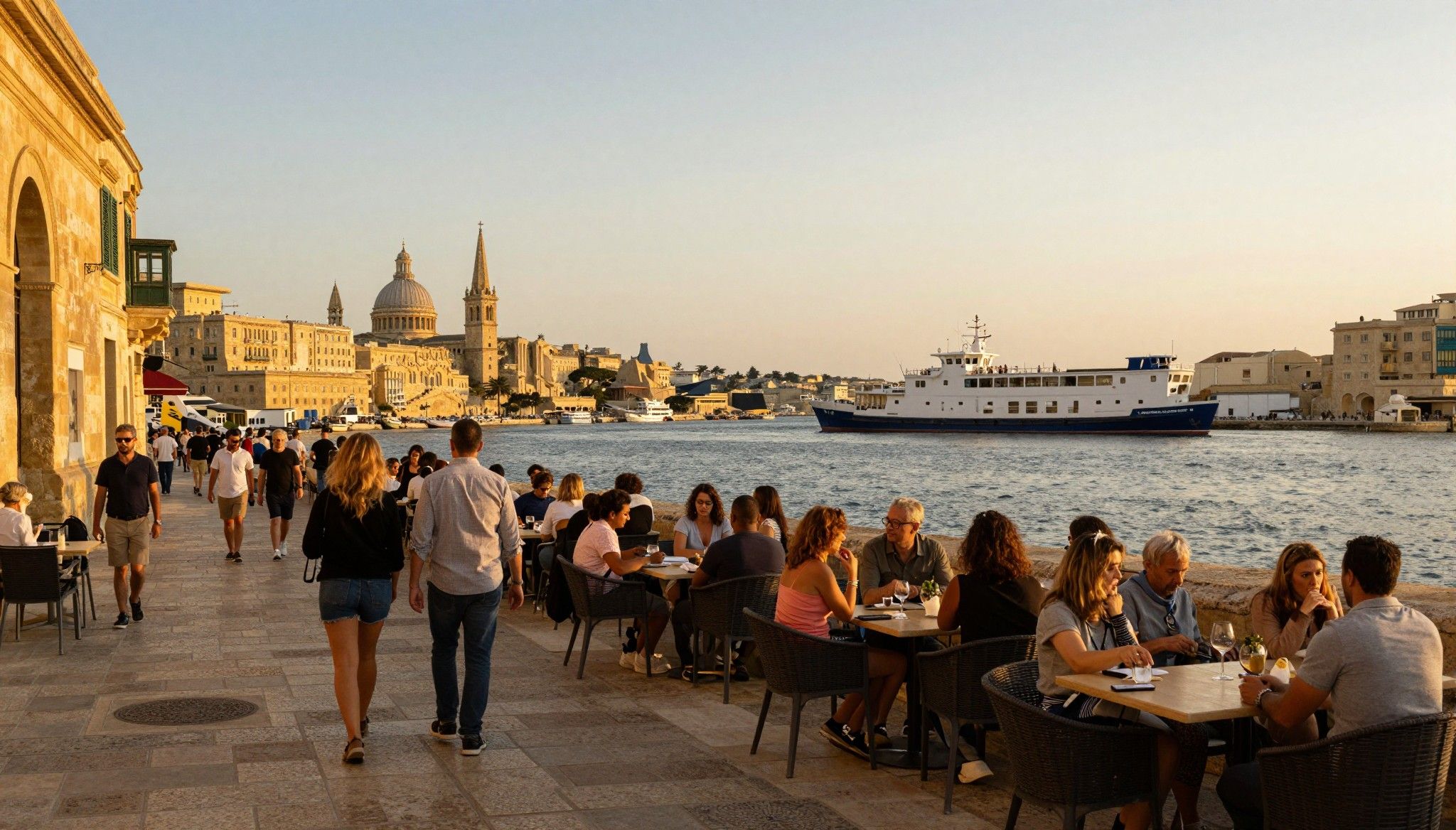
Bringing the dream into a realistic search means pairing where you want to live with how land, demand and price shifts are playing out. Official figures show residential prices rising (RPPI at 165.22 in Q4 2024), which matters most in central spots like Valletta and Sliema where limestone façades and sea views carry premiums. If your dream includes a garden, be prepared to look beyond the main harbors or consider restoration projects that add outdoor life to compact lots.
Property types and how they change daily life
Flats in Valletta: luminous rooms, high ceilings, and sociable streets—ideal for urban lovers who prize culture and walkability. Maisonettes and terraced houses: extra outdoor space, room for a small garden, and more privacy; perfect if you plan to grow food or host friends. Restored farmhouse conversions in Gozo: large plots and stronger connection to land, but expect longer drives to services and a slower pace.
Working with local experts who respect place
Choose agents who know the local micro-climates, limestone building quirks, and which neighborhoods permit solar panels or water-collection systems. An agent who can point to a property’s sun pattern, wind exposure and permission history is more valuable than one who only lists viewing times. For eco-minded buyers, ask about thermal performance of walls, insulation options, and whether rooftop PV or greywater systems have been approved nearby.
- Steps to blend lifestyle and logistics when searching
- Pick your daily non-negotiables (market proximity, sea access, morning sun) and rank neighborhoods by those needs.
- Inspect a property at different times—dawn for light, midday for heat, and evening for neighborhood noise.
- Ask your agent for recent RPPI trends and comparable sales within a 500m radius to see micro-market pressure.
- Factor in adaptation costs: modest sums for terraced-garden conversion, or larger budgets for stone-wall insulation and PV installation.
Insider knowledge: things expats wish someone told them
Expats often arrive enchanted by Malta’s scale and warmth, then discover small practicalities that shape the experience: summer crowds in harbors, limestone maintenance, and the fact that prices can rise even as neighbourhood character changes. Recent data through 2025 shows continued price growth in many pockets, meaning a fast decision in a beloved area can mean paying for the privilege of location rather than negotiating price down.
Cultural rhythms and community life
English is an official language, making practicalities easier for many buyers, yet local rhythms matter: village festas, siestas in August, and the intense sociality of kafés and square-side gatherings. Making friends often happens through food—shared table at a festa or an invitation to a boat trip—so seek neighborhoods where social life aligns with your tempo, whether that’s Valletta’s festival calendar or Gozo’s slow Sundays.
Longer-term stewardship and sustainability
Living lightly on this island means thinking in decades: maintain limestone facades with breathable paints, consider rainwater harvesting for gardens, and plan PV or solar-thermal systems where permitted. Buyers who invest in these measures find homes that feel cooler in summer, drier in winter and more rooted in place—qualities that make everyday life healthier and more resilient.
- Red flags to watch for during viewings
- Damp stains on limestone interiors—often a ventilation issue rather than cosmetic
- Unexplained sub-divisions or missing permit records—ask for planning history
- Promises of sea-view 'from every room'—verify sightlines and rights of way
Conclusion: imagine the life, then build the checklist. Malta rewards slow attention: choose where you want to linger—morning cafés, a small productive terrace, or a harbor table—and let those sensory priorities shape practical checks. Work with an agent who understands microclimates, conservation rules and local building idioms; bring a local surveyor who reads stone as fluently as you read a floorplan. The island is small enough that the home you choose becomes the stage for every market, festa and evening swim—so make each detail count.
Moss & HearthBritish expat who traded Manchester for Mallorca in 2017. Specializes in guiding UK buyers to luxury Spanish estates with clear navigation of visas and tax.
Related Articles
More insights that might interest you
 Villa Curated
 Villa Curated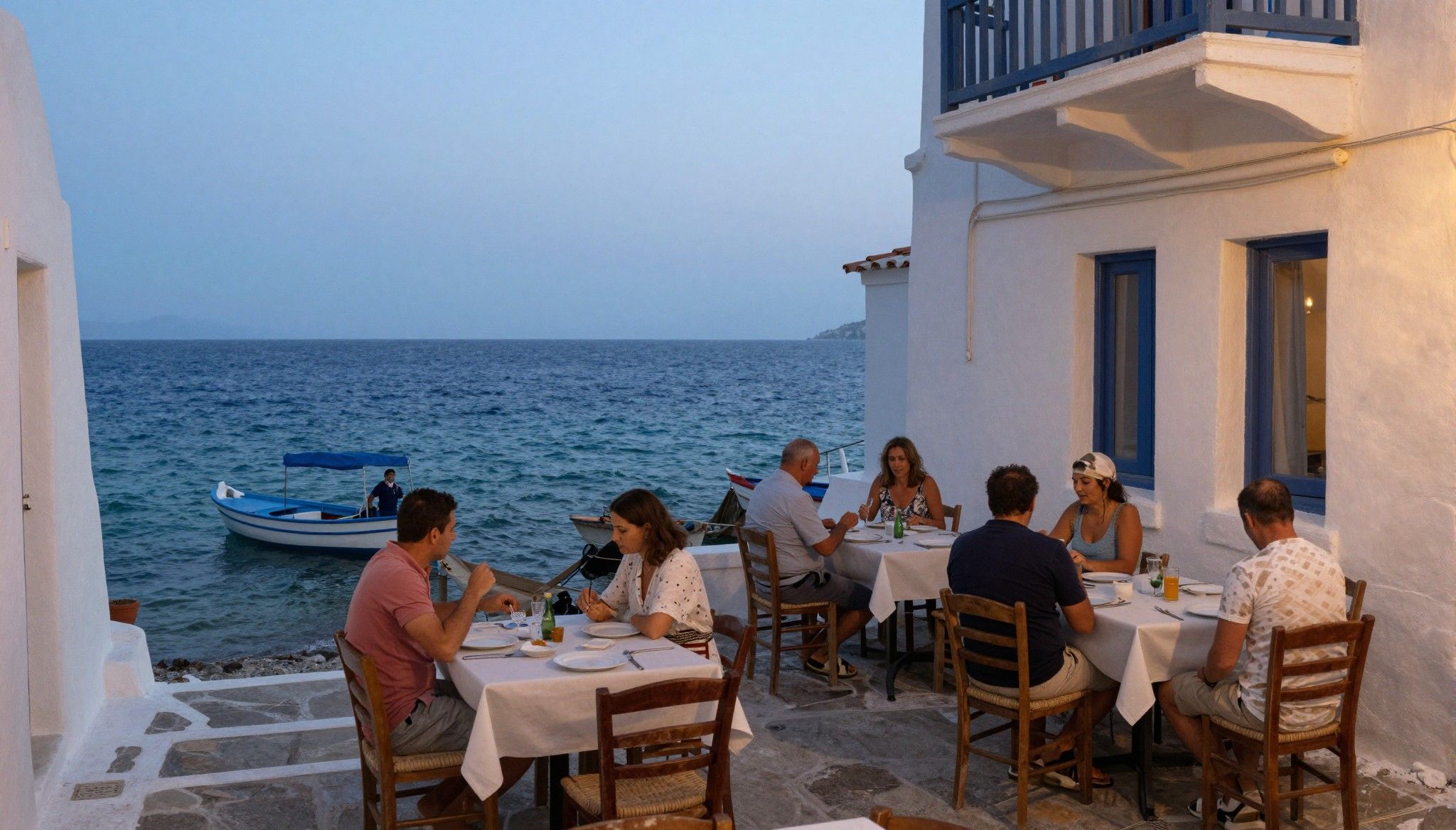
 The Yieldist

