Italy: Elective Residence vs. Nomad Routes — A Lifestyle Comparison
Compare Italy’s Elective Residence and nomad-friendly pathways with ISTAT market signals — lifestyle-led advice plus actionable visa and property steps for international buyers.
 MoveSettleGo
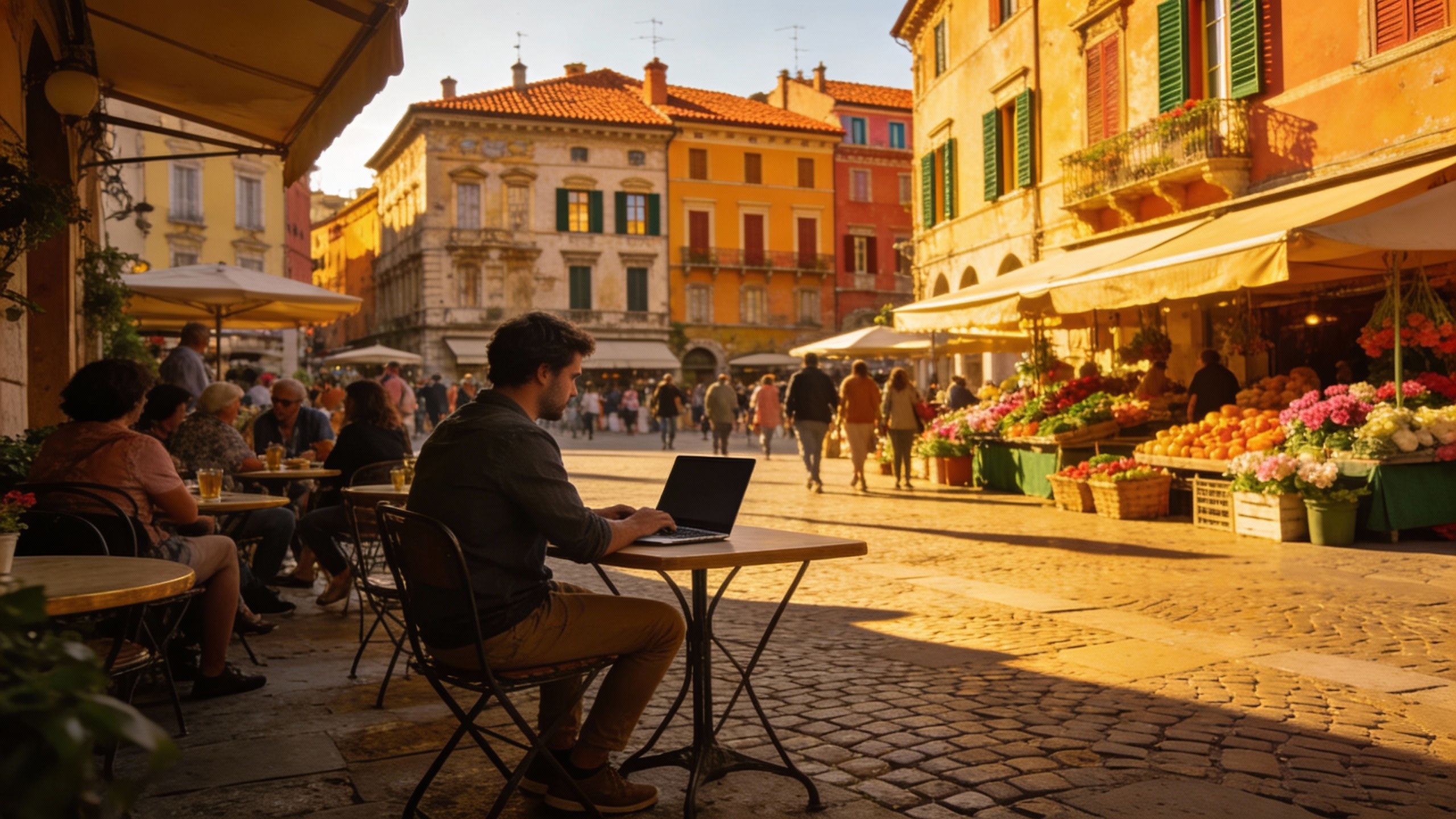
Imagine sipping an espresso beside a sun-dappled piazza in an old neighbourhood, then signing a deed that includes a vaulted ceiling and a neighbour who knows every local dish. Italy sells a life first — slow mornings, market rhythms, and aperitivo evenings — and that lifestyle explains why international buyers keep knocking. But the passport question matters: which visa lets you actually live that life without drama? Here we compare the practical residency routes (and the myths around them) so you can fall in love — and move with confidence.
Living the Italy lifestyle: more than tile and pasta
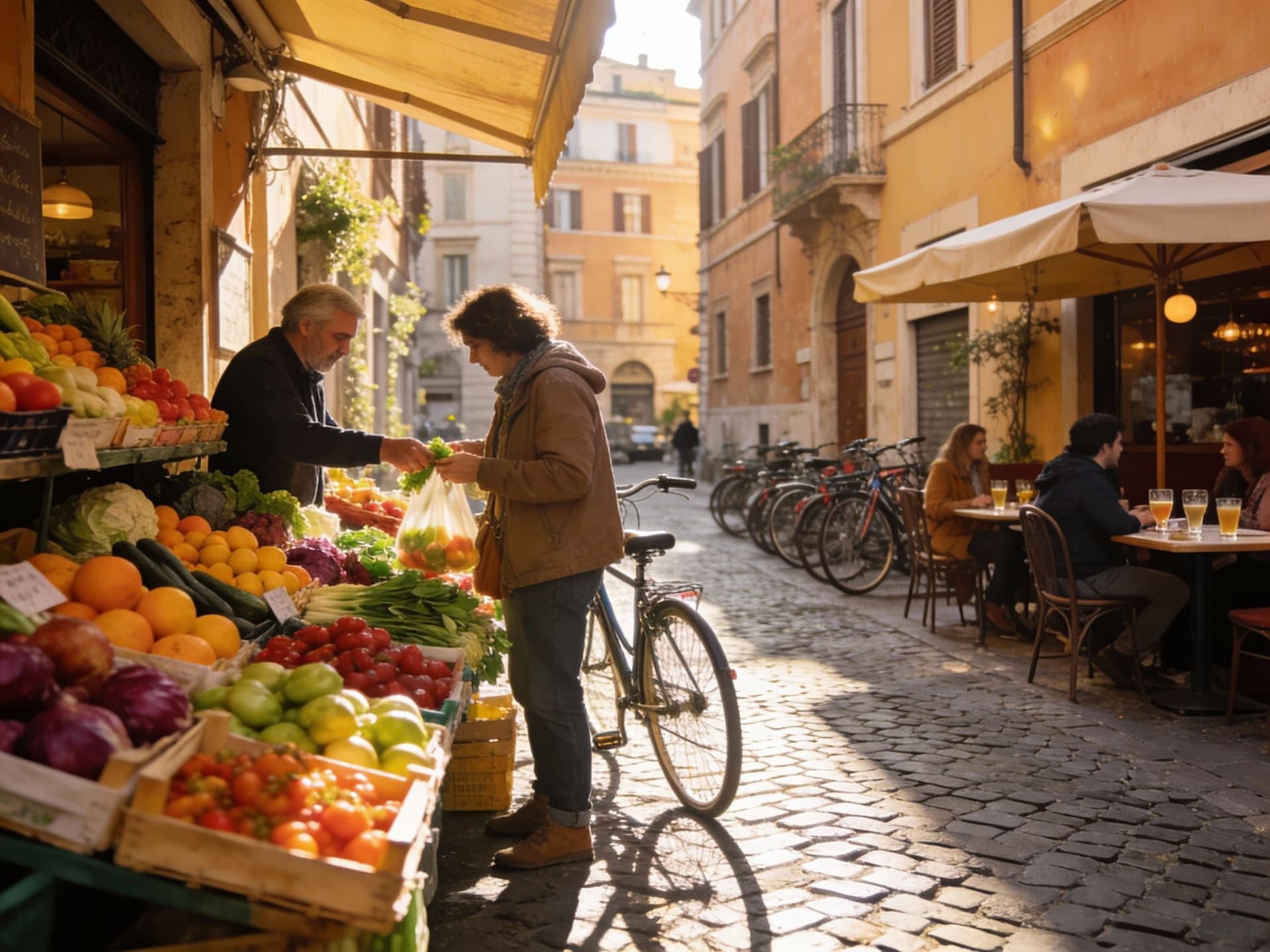
Italy is not one city — it’s a handful of daily rhythms. In Milan you’ll feel efficient mornings and late-night aperitifs; in Florence the Renaissance hums in every street; coastal Liguria and Puglia smell of salt and frying fish; Emilia-Romagna is heavy on food and community markets. For nomads, that means choices: compact historic apartments near cafés, quiet hilltop farmhouses with space to breathe, or seaside flats with a terrace for afternoon work calls.
Neighborhood spotlight: Trastevere vs. Navigli vs. Brera
Picture Trastevere’s cobbles and tiny trattorie where neighbors gossip over late dinners; Navigli’s canals and weekend markets that double as coworking cafés; Brera’s galleries and quiet courtyards that rival boutique hotels for charm. Each neighbourhood offers a different daily soundtrack — kids playing, scooter traffic, or the soft clink of espresso cups — and that soundtrack should shape what kind of property you buy.
Food, seasons and social life — lifestyle that affects property choices
Seasonality matters: seaside towns swell in summer while hill towns have quiet winters perfect for longer stays and renting out in high season. Festival calendars (truffle fairs, Palio in Siena, local saint days) define community life and drive short-term rental demand. As a nomad, choose a place that matches your rhythm — lively in summer for social life, or year-round hubs like Florence or Bologna for consistent coworking and cafés.
- Lifestyle highlights to scout before you buy: • Morning market in Mercato Centrale (Florence) for groceries and neighbours • Aperitivo scene along Naviglio Grande (Milan) for social evenings • Weekend truffle markets in Alba (Piedmont) for seasonal culinary life • Sunset swims at Spiaggia dei Conigli (Lampedusa) if you crave island time • Coworking clusters in Porta Romana (Milan) and Garibaldi (Milan) for fast internet • Weekly community dinners in hill towns (Umbria/Tuscany) where locals integrate you
Making the move: visas that match a life, not just paperwork

Dreams meet forms: the Elective Residence Visa (ERV) and emerging nomad-friendly pathways are the two routes most talked about. The ERV is the real option for people with steady passive income who want to live full-time; proposed nomad routes aim to serve remote workers but vary in roll-out and requirements. Meanwhile, house prices across Italy have shown steady year-on-year growth, underscoring urgency for buyers who prefer value over timing. Use official consulate checklists and national statistics when planning timing and budget.
Property styles and how they shape daily work-life
A 17th‑century flat with thick walls is cinematic but may need signal boosters for reliable video calls. A renovated apartment in Milan’s Porta Nuova often includes fibre and a workspace. Country houses invite outdoor offices and grown-up hobbies but come with heating, insulation and maintenance tradeoffs. Match property type to how you work: fibre availability, a quiet room for calls, and a comfortable living/working terrace are more important than a marble staircase.
Working with local experts who know lifestyle matches
- How local agencies and specialists help — step-by-step: 1. Shortlist neighbourhoods that match your daily rhythm (cafés, coworking, grocery markets). 2. Verify fibre/ADSL availability and ask for recent speed tests from the seller. 3. Check seasonal noise and tourism flow across months (ask for monthly occupancy/rental stats). 4. Coordinate visa timing with notary and seller — property purchase doesn't automatically grant residency. 5. Arrange local services (tax code, healthcare registration) so your move feels like home from week one.
Insider knowledge: myths, red flags and expat lessons
Real-talk: consulates sometimes interpret rules differently — especially income thresholds and acceptable proof of accommodation. That means preparation beats optimism. Local administrative courts have recently clarified consistent standards in contested cases, making careful documentation and legal counsel a smart hedge. Always build a buffer into timelines: visa processing, the permesso di soggiorno, and registration at the comune can take months.
Cultural cues that change where you’ll want to live
Italians prize local ties. Small acts — learning basic Italian, greeting your barista, showing up at the market — open doors. Neighborhoods with active local associations (pro loco) offer faster integration. If you plan to rent out a property, know that locals often frown on overtly touristy conversions in some historic centres, which can affect relationship with neighbours and local officials.
- Expat red flags and what to do about them: • Inconsistent consulate guidance — consult an immigration lawyer early • No fibre in listing — insist on a signed seller speed test or upgrade plan • Short-term rental hotspots with community restrictions — check municipal rules • Unclear energy certificates or seismic classification — get specialist surveys • Overly cheap prices in tiny villages — consider access, services and resale demand
Why buy now (and when not to): ISTAT shows prices rising year-on-year in many regions, but growth is uneven. If you crave social life and coworking, buy where infrastructure is improving. If you want quiet value, look to inland towns where renovation yields lifestyle upgrades. Avoid making offers during peak tourist season in coastal towns — you’ll overpay for the view and lose bargaining power.
Long-term view: how life changes after the move
Move-in month one: your life will smell of fresh bread and feel bureaucratic. Month six: you know the barista’s name and the best market stall. Year two: you’ll have neighbours, a doctor and a favourite hiking loop. Build the first year around both paperwork (tax code, healthcare) and rituals (cooking classes, language meetups). Agencies that help with both logistics and introductions add disproportionate value.
- Final practical checklist before making an offer: • Confirm visa path and timeline with a consulate or immigration lawyer • Ask seller for recent utility bills and fibre proof • Get an on-site structural and energy/seismic survey • Budget for notary, taxes and renovation surprise costs (10–20%) • Line up a local agent who speaks your language and the market dialect
Conclusion: Italy rewards the patient buyer who pairs romance with process. Start with a life you can describe in sensory detail — morning markets, a reliable café workspace, afternoon swims — then bring local experts to translate that life into a property and a visa. When the paperwork is handled and the neighbourhood welcomes you, the rest is the good stuff: friends, food and streets that feel like home.
MoveSettleGoDutch investment strategist guiding buyers to Greece and Spain; practical financing, tax, and portfolio diversification.
Related Articles
More insights that might interest you
 Villa Curated
 Villa Curated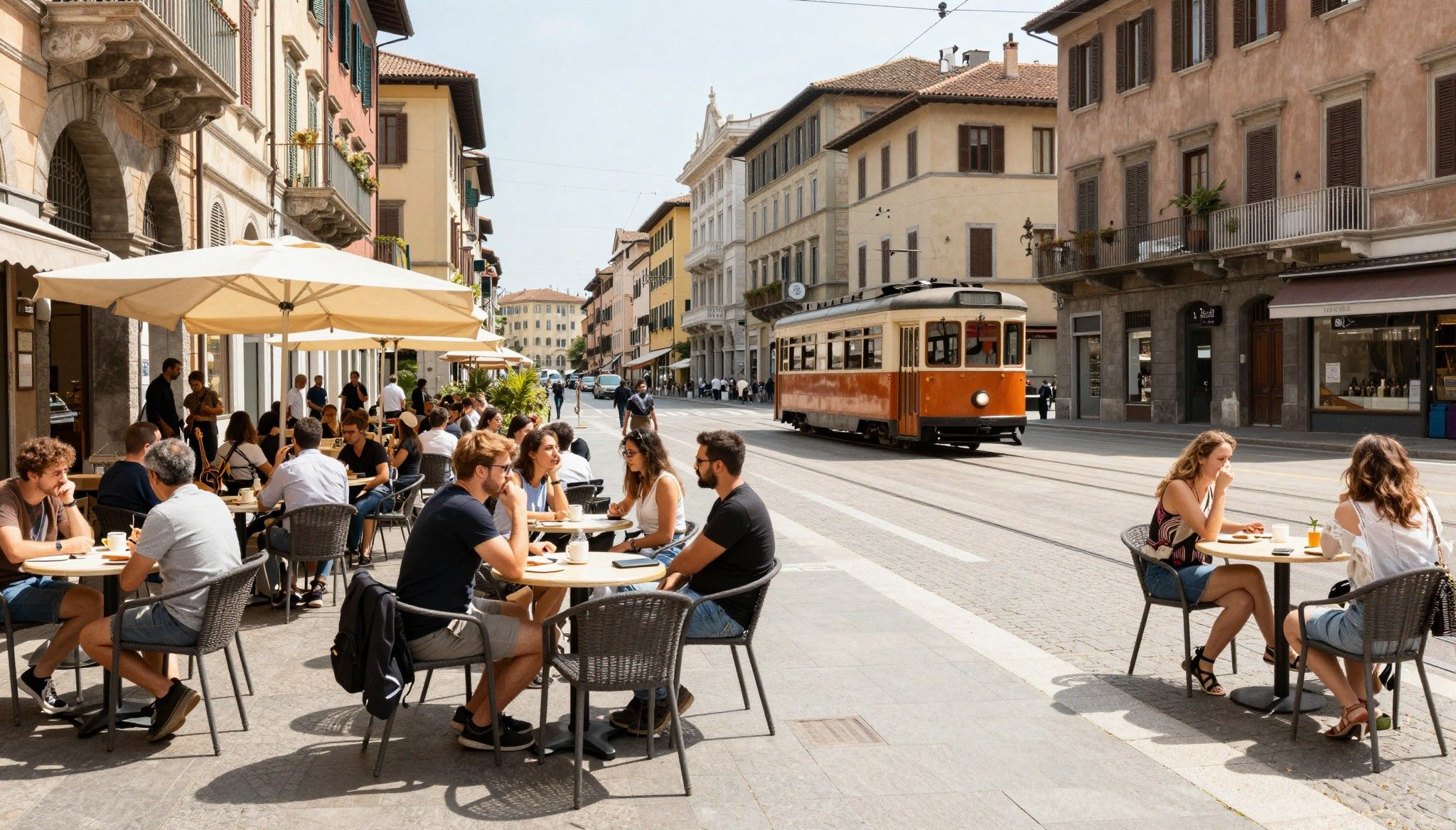
 The Yieldist

