Italy: Match Weekend Life to Visa, Broadband & Neighbourhood
Italy’s lifestyle-first property choices: match weekend rituals to visas, verify broadband, and pick neighbourhoods locals love (ISTAT & government sources cited).
 MoveSettleGo
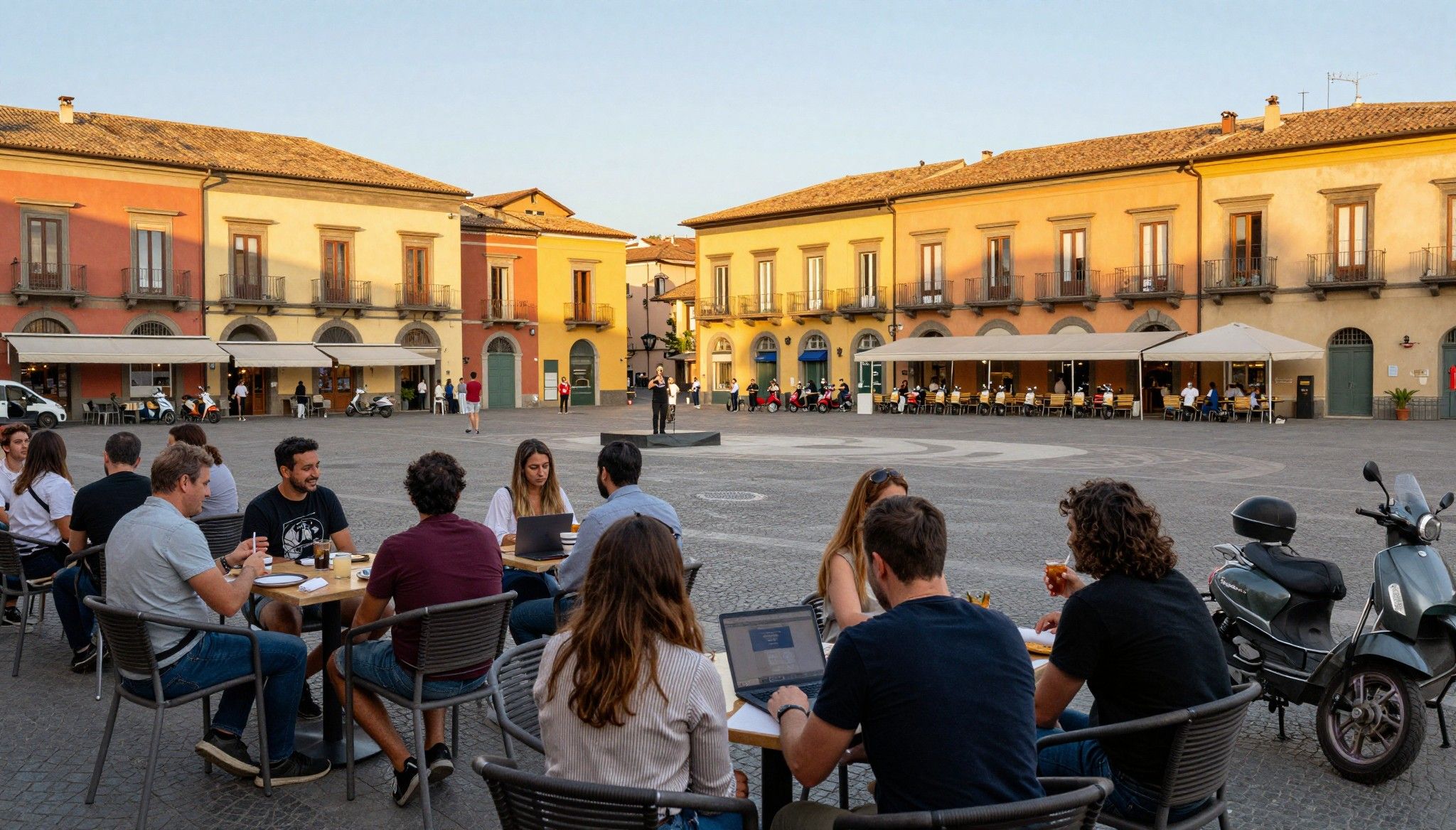
Imagine this: a Wednesday morning in Bologna, the scent of fresh cornetti drifting from a corner bar, a coworking terrace filled with remote teams trading notes, and a centuries‑old palazzo next door that could be yours. Italy wraps everyday life in texture — markets that feel like theatre, quiet piazzas for late‑afternoon work calls, and a neighbourhood pace that makes long weekends feel like sacred time. But loving the life and buying the life are two different moves. Here’s a lively, honest, and slightly contrarian take on buying property in Italy — visa options that actually match nomad lifestyles, neighbourhoods locals love (but tourists miss), and the real tradeoffs you’ll learn only after you unpack the last suitcase.
Living the Italy lifestyle — more than pasta and postcards
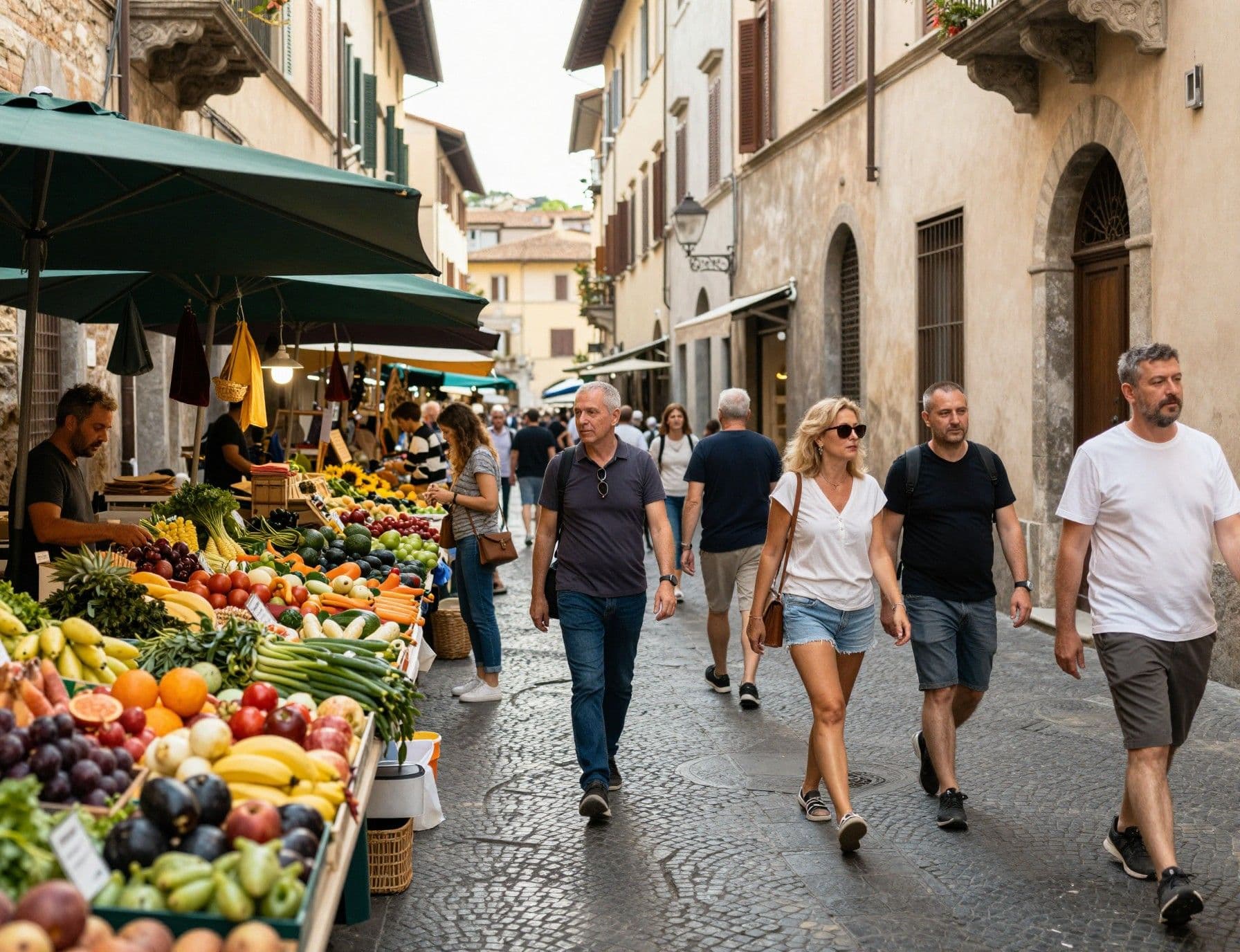
Life in Italy moves in layered rhythms: market mornings, espresso-stationed afternoons, and candlelit dinners that knock the edge off your workday. For nomads, it’s not just scenery — it’s access. Cities like Milan and Turin offer strong internet and coworking nodes, while spots in Puglia, Umbria, and Liguria trade hustle for slow mornings and outdoor desks. Recent digital reports show improving fixed broadband speeds across Italy, which matters if your income depends on uploads and Zoom clarity.
Neighbourhood spotlight: Trastevere, Turin’s San Salvario, and Lecce’s Centro Storico
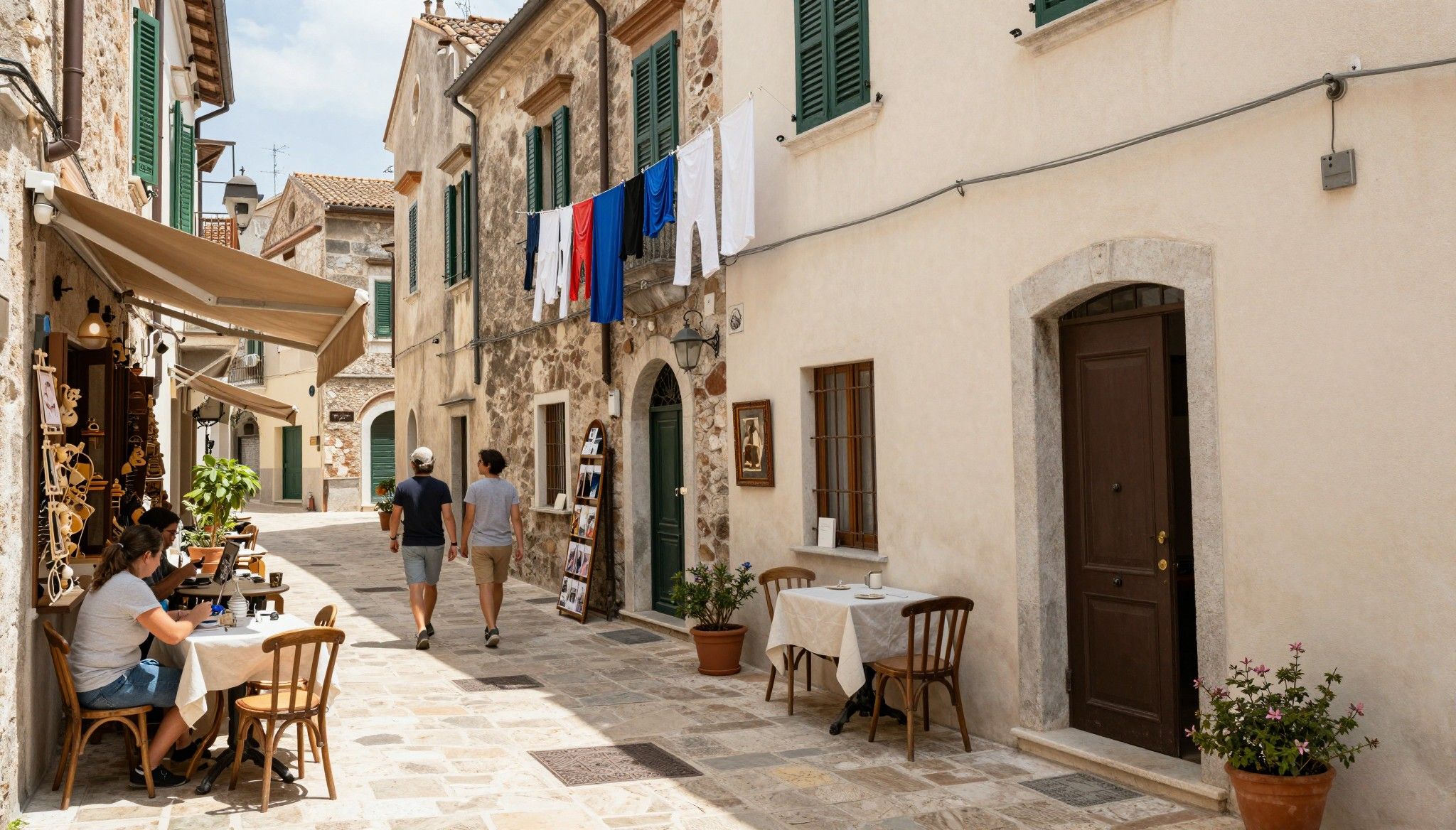
Trastevere’s cobbled lanes feel like a neighbourhood that never left the twentieth century — tiny artisan shops, late-night osterias, and balconies filled with drying laundry. San Salvario in Turin combines bohemian cafés, accessible tramlines, and surprisingly good coworking options. Lecce’s baroque centre gives you a slower, sun-kissed life where weekends stretch into aperitivo crescendos. Each of these areas offers a different daily rhythm — choose the one that fits how you work and how you want to live.
What you’ll actually do on weekends (and where to live because of it)
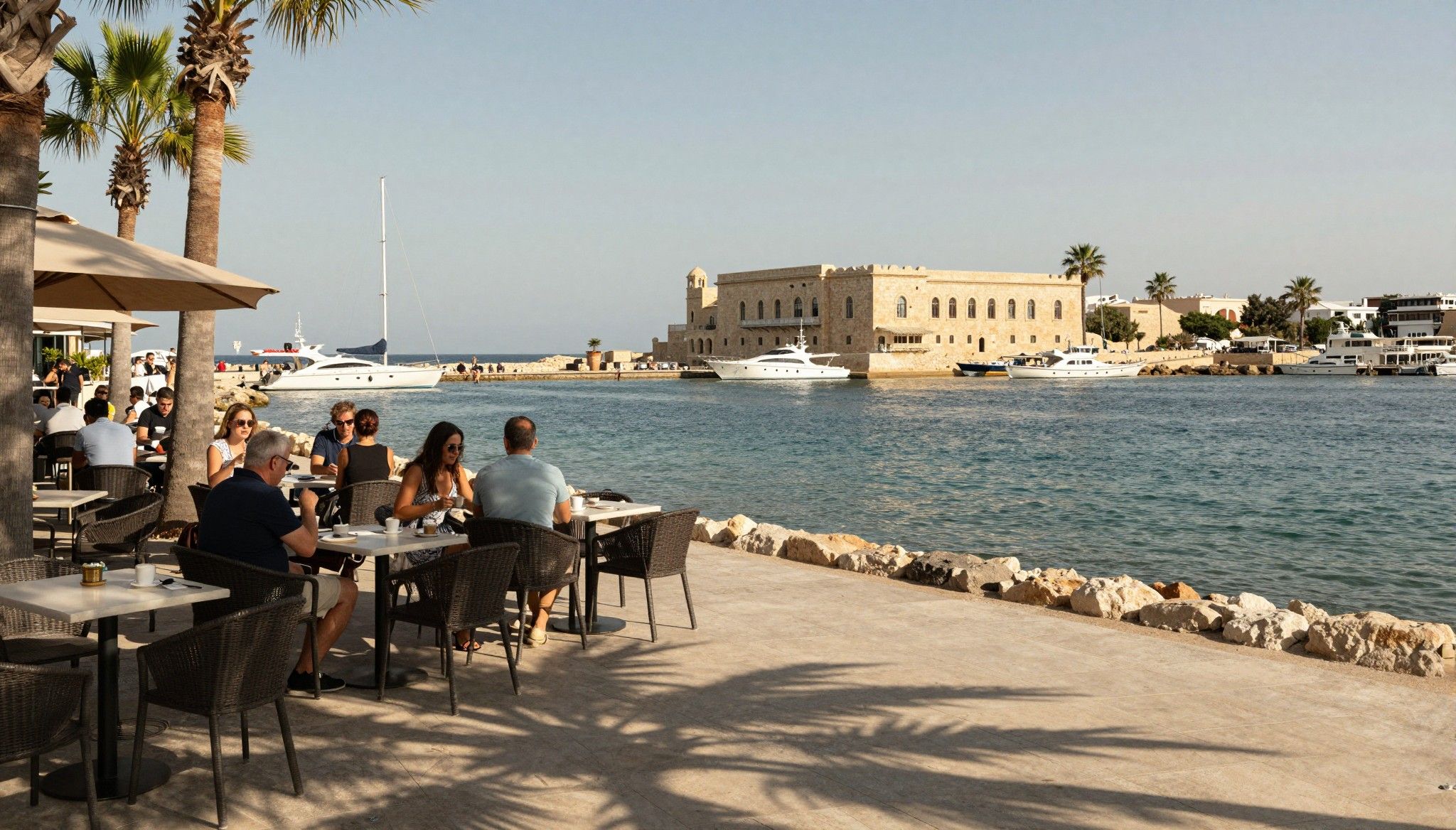
If your weekends mean hiking, look for homes near Dolomiti towns or Ligurian trails; if wine tastings are your ritual, homes around Montalcino or Franciacorta put vineyards a short drive away. Choosing a property is lifestyle-first: narrow your search by the weekend life you want and then match it to commute times and coworking access during the week.
- Streets, sips and secret spots to love: - Grab breakfast at Pasticceria Marchesi, Milan; walk to Porta Nuova coworking. - Afternoon markets in Mercato Centrale, Florence — bring a laptop and a long lunch. - Sunset swims at Spiaggia di Cala Goloritzé, Sardinia — plan a flexible workday for this. - Sunday jazz at Cantina Bentivoglio, Bologna — local friends are made over music. - Baroque mornings in Lecce’s Piazza Sant’Oronzo — light-filled apartments with terrace life.
Making the move: practical considerations that keep the lifestyle intact
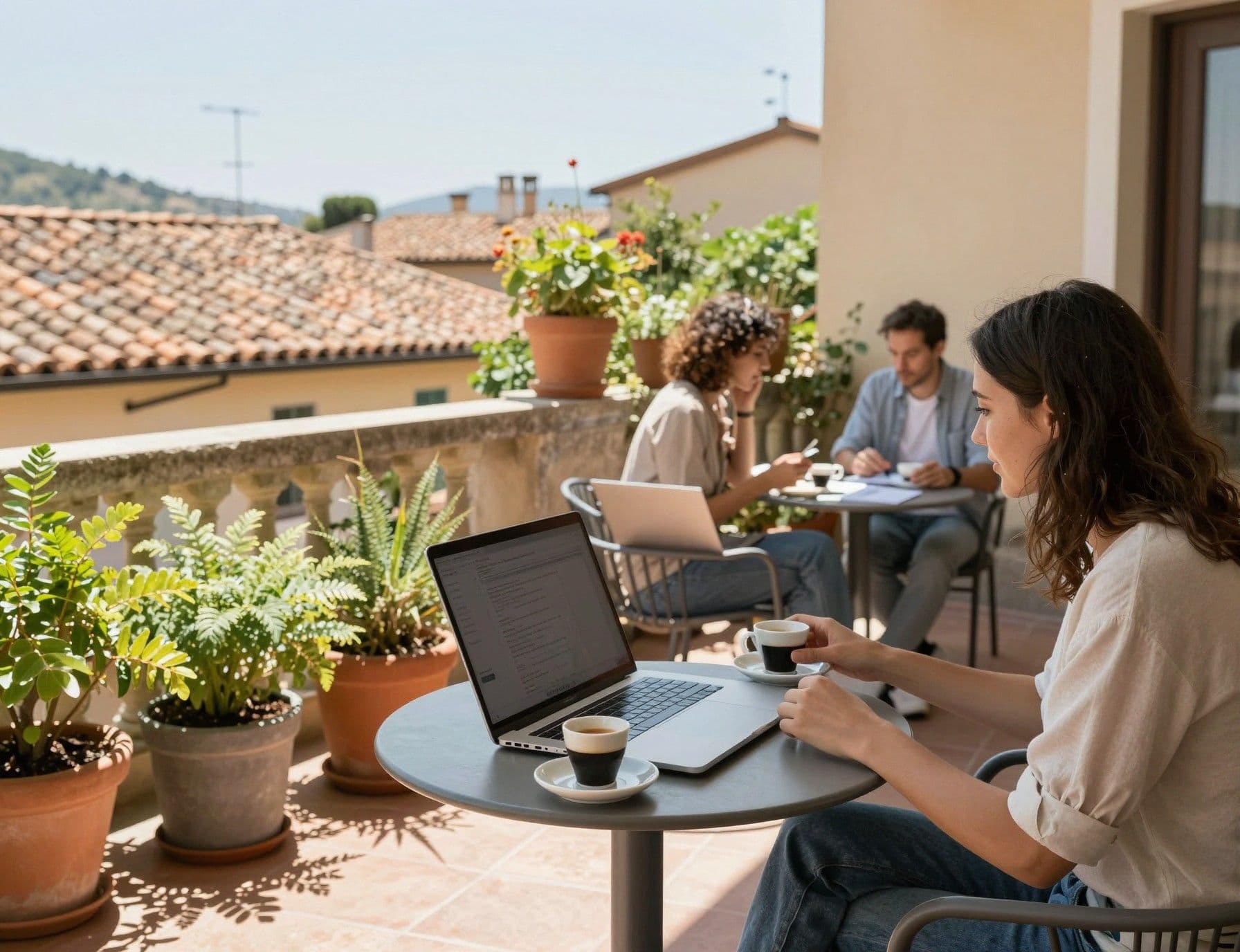
Dreams are powered by logistics: visa type, taxation, and a neighbourhood that supports remote work. Italy added a digital nomad framework in 2024 and offers other paths like the elective residency and investor visas. Which one fits depends on income source, intent to buy, and how long you’ll stay. Bring an expert who knows consulate quirks and local tax residency triggers so you don’t wake up to unexpected liabilities.
Property styles: palazzo flat, country masseria, seaside apartment
A palazzo flat in Rome gives history on your doorstep and compact spaces that reward smart storage. A masseria in Puglia gives land, olive trees, and indoor-outdoor living but expect renovation timelines. Seaside apartments in Liguria or Amalfi offer views and a tourism-driven rental market — great for earning while away, but prepare for seasonal crowds. Match property type to how you work (quiet focus vs. client meetings) and your renovation appetite.
Working with agencies who get nomads
Local agents are more than listing conduits — the right agency helps match lifestyle needs (fast internet, terraces for late calls, proximity to coworking), flags renovation red flags, and connects you to bilingual notaries and accountants. Look for agencies with remote‑worker case studies and a track record placing buyers into neighbourhoods that suit digital income flows.
- A 5-step lifestyle-meets-practical checklist: 1. Map weekly rhythms (work hours, weekend habits) before property viewings. 2. Check fixed broadband speed at the address and coworking distance. 3. Ask agents for micro‑neighbourhood commute times, not just city averages. 4. Test‑rent for a month if possible to confirm lifestyle fit. 5. Hire a local tax advisor to model residency and potential flat tax incentives.
Insider knowledge: what expats wish they'd known (and the myths to drop)
Reality check: Italy is not one market but many. Prices rose unevenly through 2024–2025 — ISTAT data showed ongoing increases in parts of the country while rural areas stayed stable. Expect paperwork patience, occasional bureaucratic curveballs, and local vendors who move at a different tempo. But the payoff is community: neighbourhood bars that know your name, nearby markets that turn shopping into sociable rituals, and a pace that makes work feel like part of life, not life subsumed.
Cultural notes that affect where you buy
Language matters but isn’t a dealbreaker. English gets you by in major cities; in smaller towns, learning Italian unlocks services, better prices, and deeper friendships. Also, understand that neighbourhood reputations shift: what tourists avoid can be where local life is richest — those quieter streets often have lower prices and better long-term living potential.
Long-term living: taxes, residency, and sustaining the lifestyle
If you plan to stay long term, residency triggers tax residence. Italy offers routes (elective residency, investor, and the 2024 digital nomad framework) with different fiscal implications — a local accountant will show whether the flat‑tax scheme for high net‑worth individuals or standard resident taxation matters for you. Also factor maintenance of historic properties, heating costs in northern winters, and seasonal rental rules if you plan short‑lets.
- Red flags and practical pitfalls: - No broadband verification in the listing — test it in person. - Missing habitation certificate (abitabilità) on older properties — it blocks utilities. - Relying on “oral” promises from sellers — always get written confirmations. - Ignoring seasonal noise and tourist rotations — check October–March life too. - Skipping a local geometra for renovation estimates — costs often double if you don’t.
Want to turn the dream into a plan? Start with three things: a short exploratory trip focused on neighbourhood life (not just viewings), a local agent with nomad experience, and a budget that anticipates renovation joys and bureaucratic waits. Italy rewards patience. Move with curiosity, not hurry, and you’ll buy more than a home — you’ll buy a rhythm.
Sources: ISTAT house price bulletin (Q2 2025), Immobiliare.it market snapshots, EY summary of Italy’s digital nomad decree, and DataReportal digital trends (2026). For specific visa steps and consulate requirements, always check the nearest Italian consulate and seek a licensed Italian immigration lawyer.
MoveSettleGoNorwegian who has helped 200+ families relocate from Oslo to Spain; expert in relocation services and community integration.
Related Articles
More insights that might interest you
 Villa Curated
 Villa Curated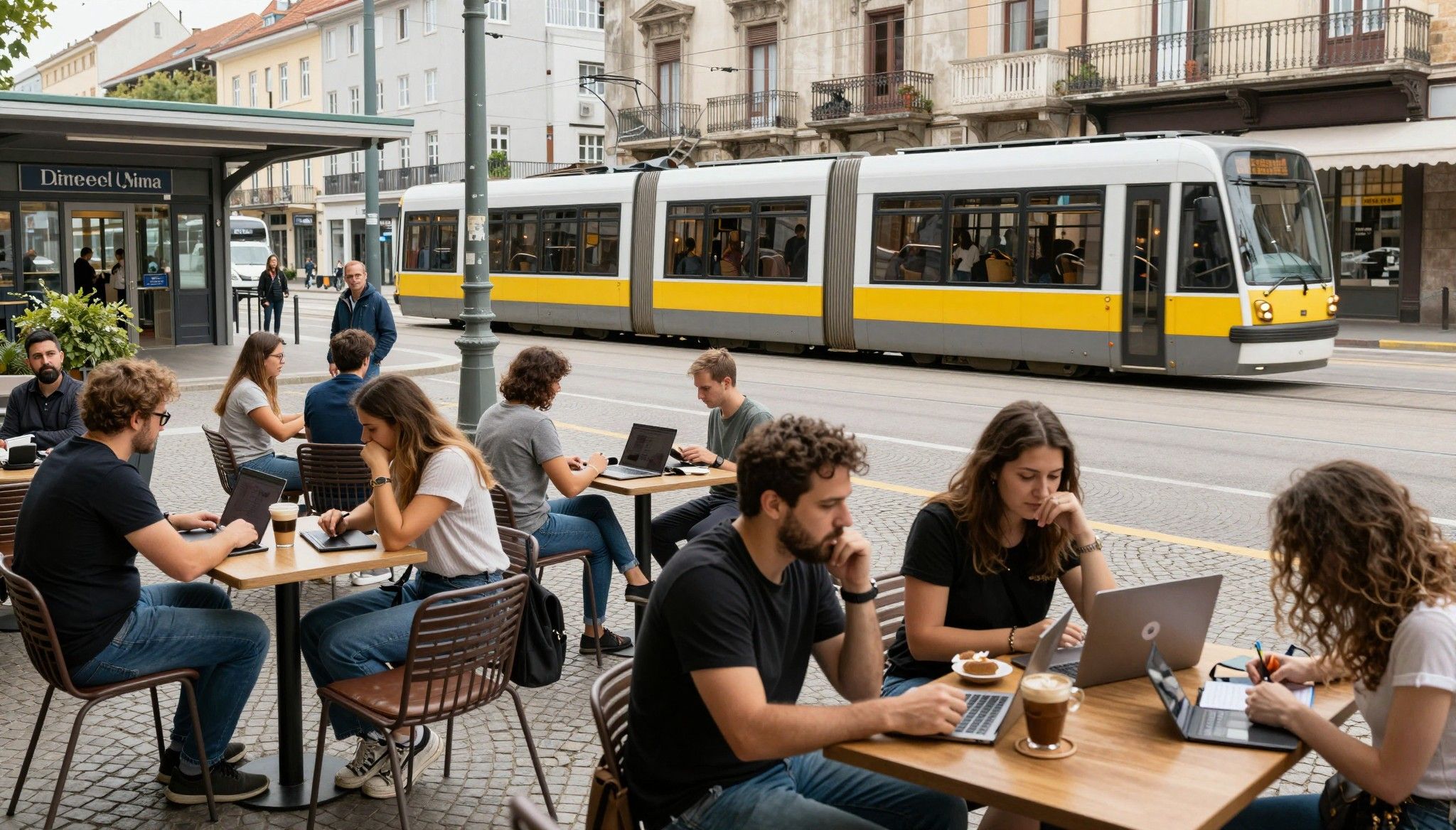
 The Yieldist

