From Valletta Rooftops to Visa Forms: Malta’s Lifestyle vs. Rules
Malta’s intimate lifestyle and residence routes tempt nomads—but match the neighbourhood romance with visa thresholds, internet checks and parish‑level know‑how.
 MoveSettleGo
Imagine stepping out of a tiny honey‑coloured townhouse onto a narrow street where an espresso cart steams, a choir rehearses in a chapel two doors down, and the sea is a 12‑minute walk. That intimacy—old stone, loud laughter, market mornings—defines Malta. But beyond the postcard is a compact island economy, evolving residency rules and a property market that rewards local know‑how. This piece pairs the lived‑in magic of Maltese life with the concrete visa and property tradeoffs remote workers and nomad buyers need to weigh.
Living the Malta lifestyle
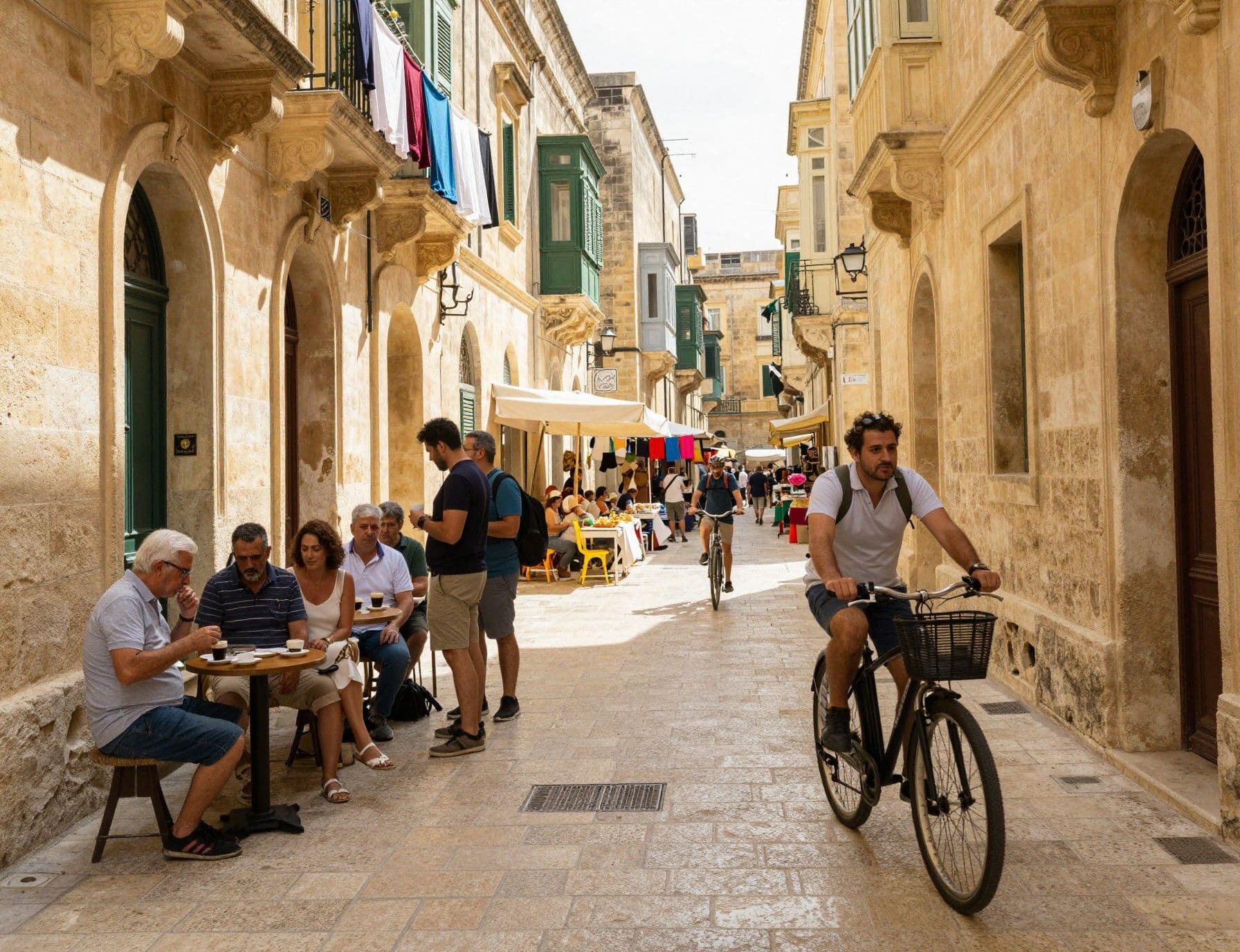
Malta moves at Mediterranean pace: long lunches, late evenings, and sudden bursts of festa fireworks. Valletta’s baroque density feels theatrical; Sliema and St Julian’s pulse with cafes and co‑working energy; Gozo offers slow green mornings and easier parking. For nomads, the appeal is taut and immediate—English is official, broadband is generally good in town centres, and short flights connect you to Europe in under three hours.
Valletta: a mosaic of narrow lanes, boutique cafes, and rooftop work spots with harbour views. Properties here are often historic—high ceilings, thick limestone walls and small footprints—perfect for someone who wants culture steps from their door rather than a big private terrace.
Picture writing emails at a second‑floor window on Strait Street, then walking five minutes to the Valletta waterfront for an evening swim. But heritage homes often need damp‑proofing; expect renovation tradeoffs and higher per‑square‑metre prices compared with island averages.
Sliema & St Julian’s: café culture and coworking
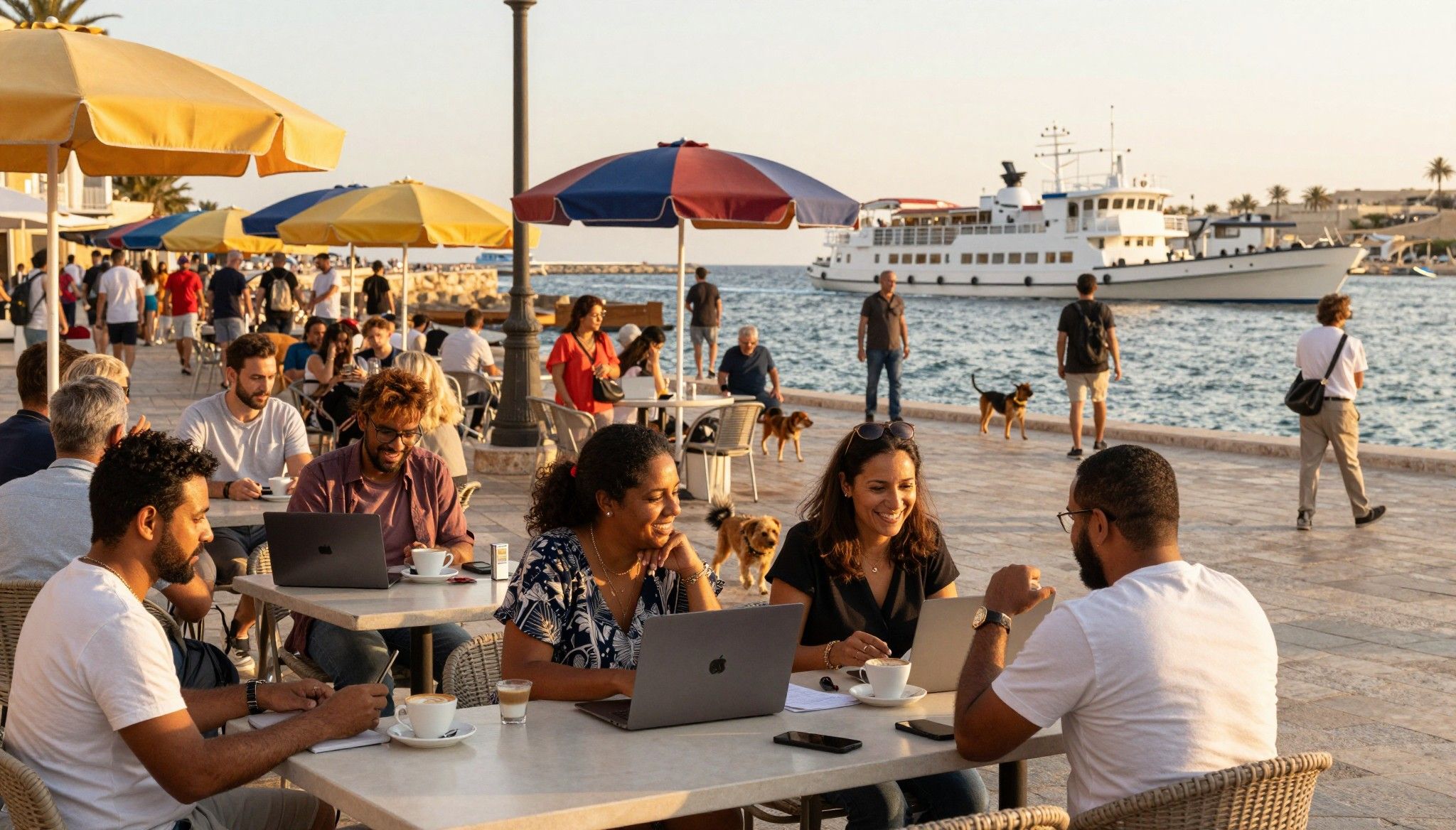
If you want reliable cafes, fast lunches and coworking meetups, Sliema and St Julian’s are your base. Expect modern flats with balconies, easy ferry links, and nightlife on Paceville’s quieter edges. For remote work, look for properties near the seafront promenades and the handful of well‑rated co‑working spaces.
- Lifestyle highlights: Valletta rooftops, Sliema promenades, Marsaxlokk market, Golden Bay sunsets, Gozo’s calma.
Making the move: practical considerations (that matter to how you’ll live)

Dreams meet paperwork here. Malta’s property market has been rising—official indices show steady year‑on‑year growth—so timing, title checks and a local agent who knows parish‑level quirks are essential. Residency routes (from the Nomad Residence Permit to the Malta Permanent Residence Programme) each carry property thresholds or proof‑of‑income rules that influence what you should buy and where.
Visa & residency realities
Short‑term nomads can use the Nomad Residence Permit (a flexible option if you work for non‑Maltese clients). For investors or those seeking longer‑term residence, the Malta Permanent Residence Programme (MPRP) requires minimum property purchase or rental values and a financial contribution. Rules changed in 2024–2025, so double‑check thresholds and hold periods before making an offer.
Property styles and what they actually give you
Apartments dominate urban stock—compact, low‑maintenance and often in converted townhouses. Maisonettes and terraced houses give more outdoor space but can carry hidden maintenance (old roofs, damp, or inefficient insulation). If you’re a digital nomad, prioritise reliable indoor workspace, a balcony with light, and a building with fibre or 4G/5G coverage.
- Steps to align lifestyle with property and visa: 1) Check visa requirements and any property thresholds before viewing; 2) Test internet speed in the flat and street; 3) Ask locals about seasonal noise (festa schedules); 4) Factor in renovation time if buying heritage property; 5) Confirm short‑term rental rules if you plan to let out while away.
Insider knowledge: what expats wish they’d known
Local rhythm matters. Festivals close streets. Summer tourism can make popular seafronts busy and parking scarce. Rents have been rising, and many expats initially underestimate renovation timelines for character properties. A local fixer or builder can save you weeks and euros—hire them early and budget for surprises.
Cultural integration and daily life
English is widely spoken, which flattens initial friction. But social life is parish‑centred—attend a village festa or market and you’ll meet neighbors faster than at a networking event. Weekends mean beaches, barbecues and late dinners; choose a neighborhood that matches whether you want that closeness or a quieter Gozo pace.
Long‑term thinking: what changes after year two
After you’ve settled, priorities shift: proximity to healthcare, school options if you’re thinking family, and the durability of rental demand if you’ll occasionally let your place. Malta’s small size means pockets gentrify fast—what’s affordable today may command premium prices in a few years, so consider resale and rental potential when buying.
- Insider tips before you bid: 1) Walk the street at different times; 2) Ask neighbours about water pressure and internet; 3) Get a local surveyor for damp checks; 4) Confirm planning rules for terraces and pools; 5) Factor in Malta’s festa and tourist season for short‑term rentals.
Conclusion: Malta is a compact, high‑vibe island that rewards people who buy with both heart and checklist. Fall in love with the morning markets and rooftop sunsets—but pair that romance with up‑to‑date residency checks, an agent who knows parish‑level quirks, and practical tests for internet and damp. If you do, you’ll trade a commute for a seafront espresso—and a life that feels unmistakably Maltese.
MoveSettleGoNorwegian who has helped 200+ families relocate from Oslo to Spain; expert in relocation services and community integration.
Related Articles
More insights that might interest you
 Villa Curated
 Villa Curated
 The Yieldist

