Greece: Life, Price Signals and What Buyers Overlook
Greece pairs quotidian beauty with regional market quirks: house prices rose into 2025 while Golden Visa rules tightened — buy for life, not quick returns.
 Blueprintera
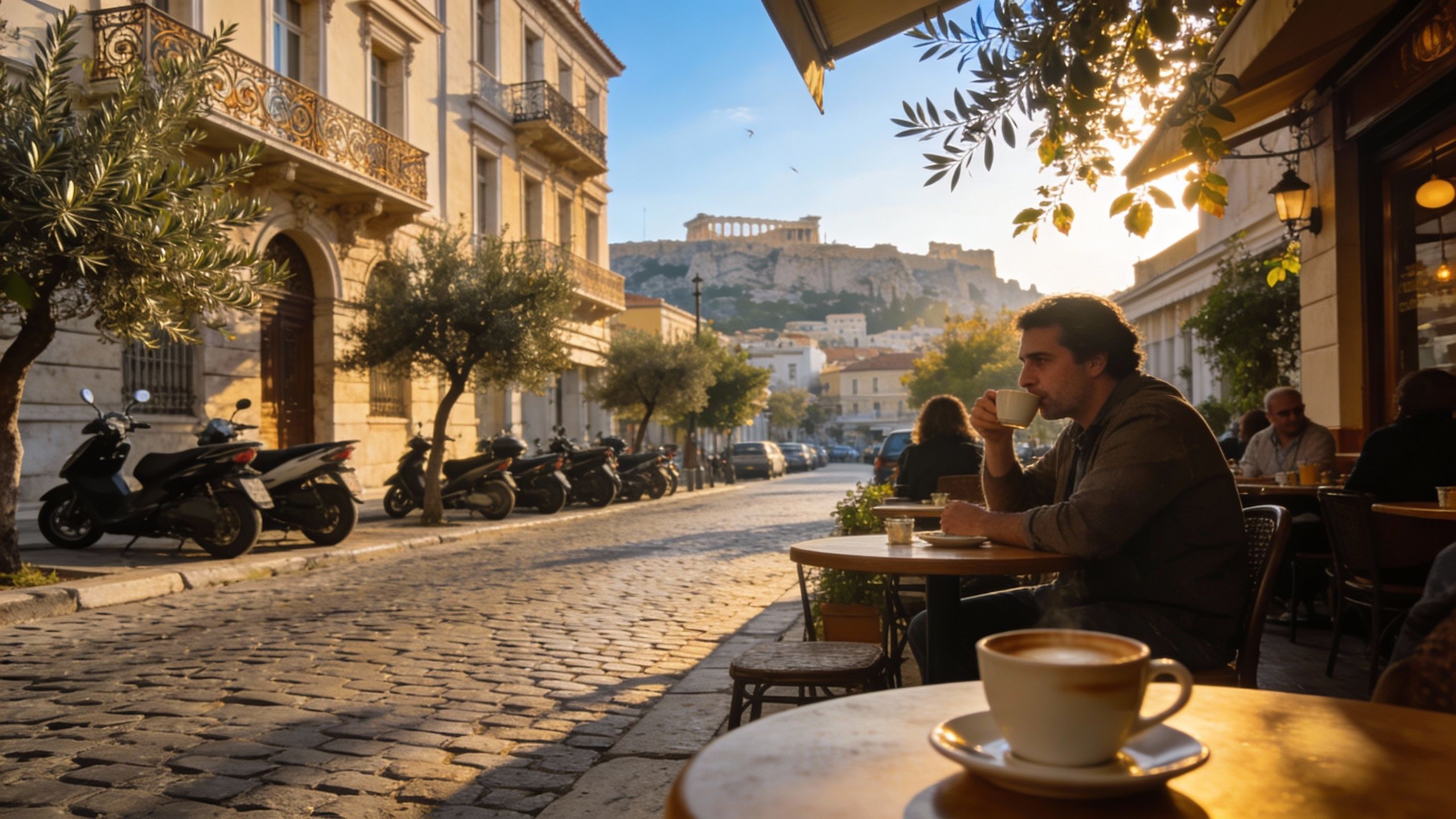
Imagine sipping an early-morning espresso at Kafeneio Plaka on a narrow, vine-shaded lane, then walking five minutes to the Acropolis shadows where the city begins to hum. That ease — city history folding into everyday life — is Greece: sunlit streets, neighbourhood tavernas, markets that still barter, and islands where pace slows to sea-breeze time. For many international buyers the romance is obvious; the harder part is aligning that life with shifting rules and regional price pressure. This guide pairs the feeling of living in Greece with the up-to-date market facts you need to decide where (and when) to buy.
Living the Greece lifestyle
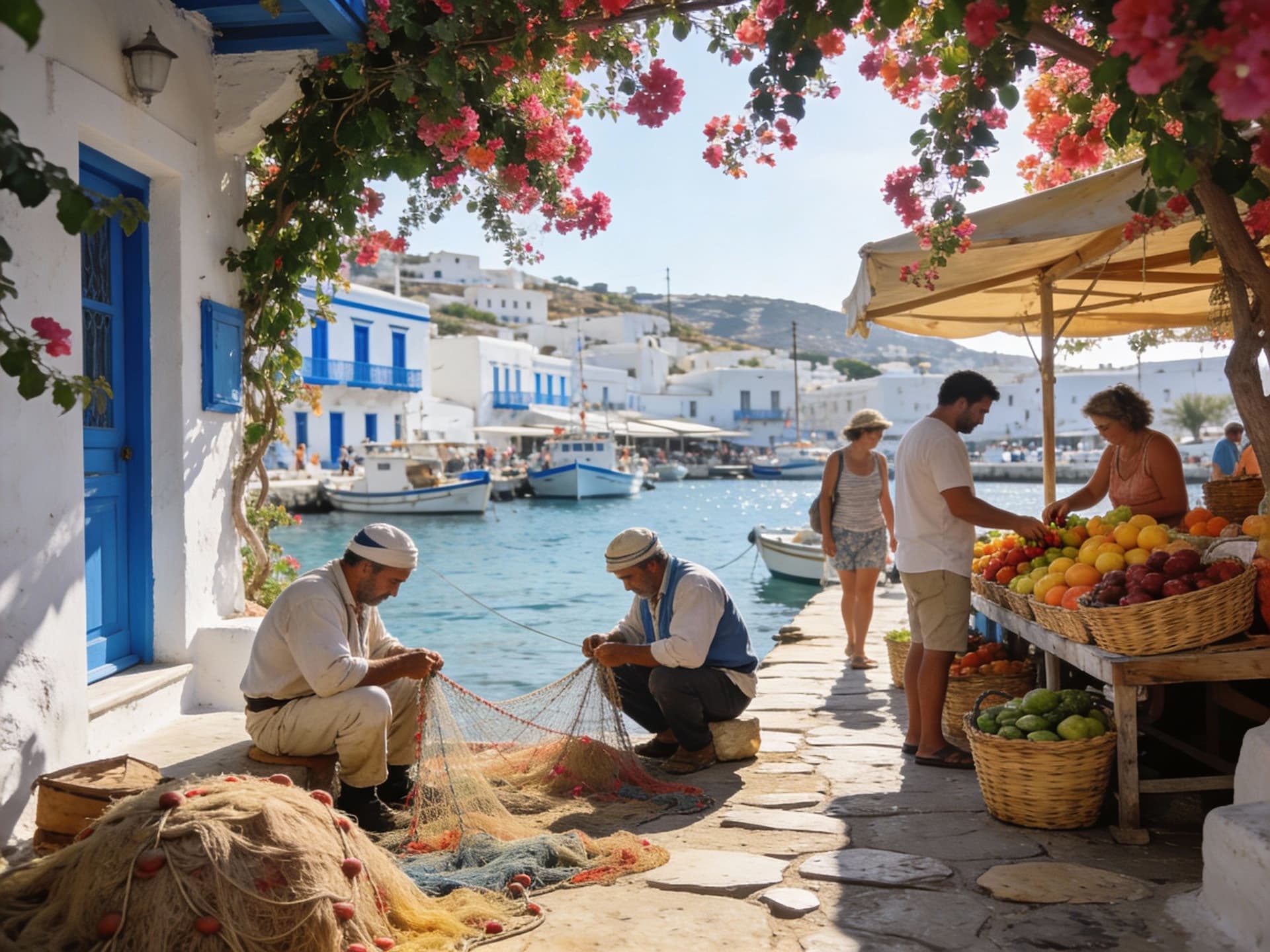
Morning light in Athens differs from island light. In Exarchia you hear university students and independent cafés; in Koukaki neighbours shop at bakeries and greet each other on the street. On Hydra and Paros, terraces become living rooms; fishermen unload catch at local quays and children still swim at the public steps. Living here is about rhythm — long lunches, late evenings, a community that privileges presence. If you crave neighbourhood texture more than hotel-lobby anonymity, Greece rewards patience and curiosity.
Athens: old stones, new cafés
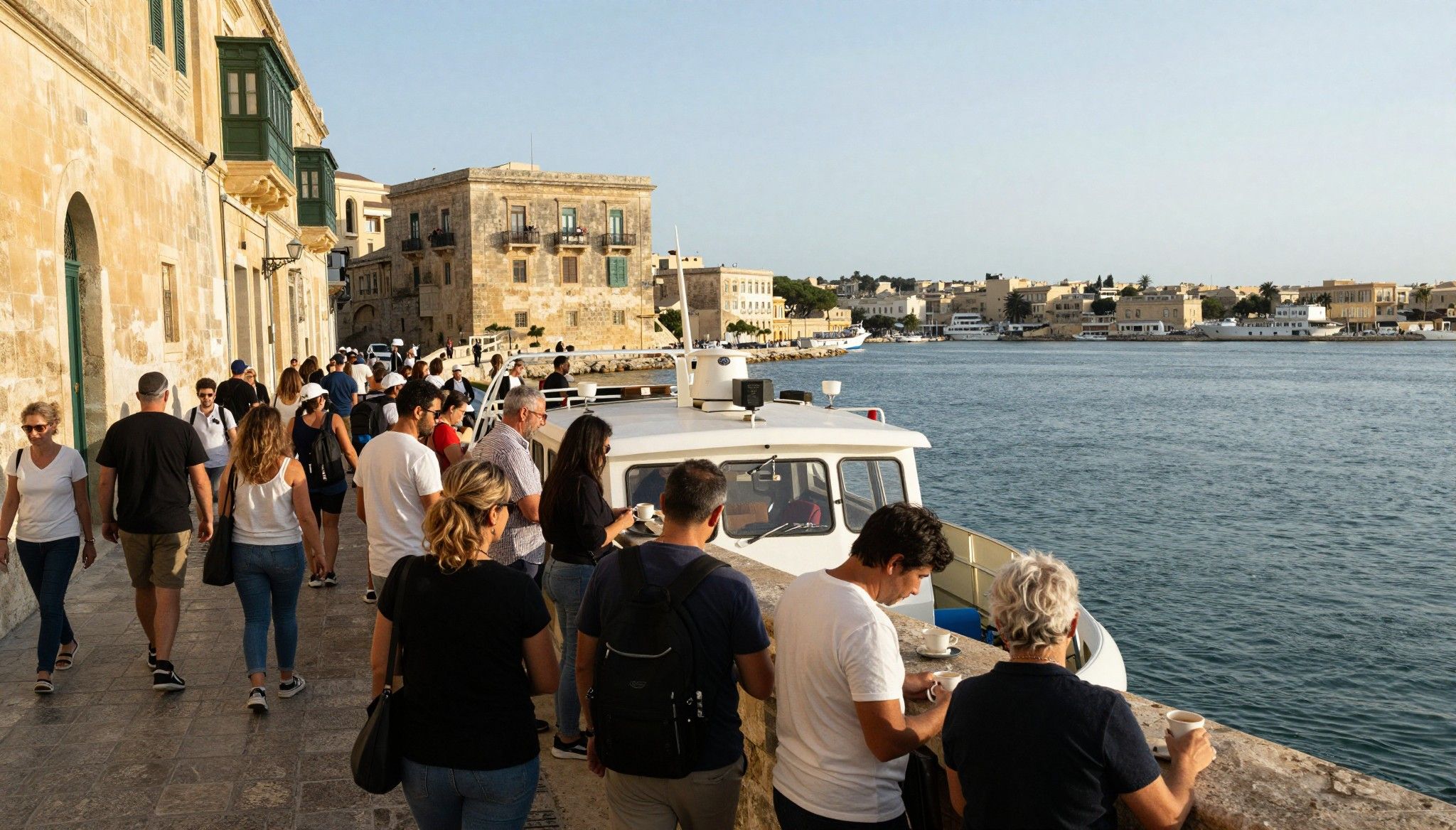
Walk from Thissio to Mets, stop for freddo espresso at Taf Coffee on Adrianou, watch the city stretch toward Lycabettus. In pockets like Pangrati or Kallithea you'll find renovated neoclassical buildings beside contemporary apartments, small parks where families picnic, and bakeries selling koulouri at dawn. For buyers, central neighbourhoods mean rental demand, short commute times, and access to cultural life — but also higher per-square-metre prices and stricter building rules near listed facades.
Islands & coastal towns: sea, seasonality, community
In places like Naxos or Syros the year splits into tourist season and local season — two different economies. Mykonos and Santorini offer global cachet and higher prices; smaller islands like Kythnos or Amorgos reward buyers seeking quieter daily life and lower entry prices. Expect stronger transportation constraints, local municipal rules about renovations, and a reliance on seasonal services — factors that shape both living comfort and long-term value.
- Neighbourhood and lifestyle highlights
- Athens: Plaka alleys, Koukaki bakeries, and Pangrati’s afternoon parks
- Thessaloniki: waterfront cafés on Nikis Avenue and the Modiano market energy
- Islands: evening plateia life, harbour tavernas, short local markets
Making the move: practical considerations
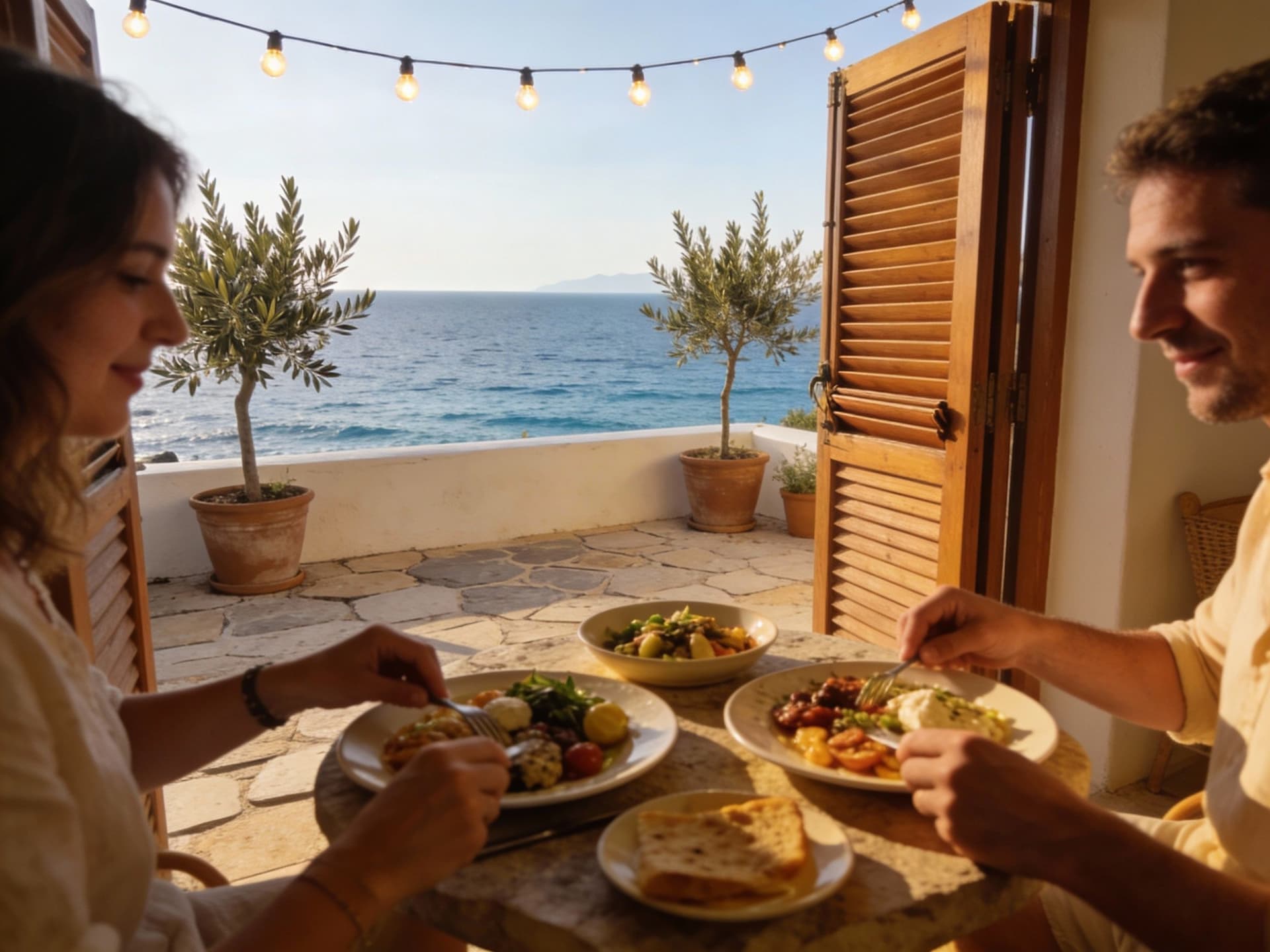
The dream meets reality in paperwork, regional rules and recent market movement. Greek house prices rose steadily through 2024–2025, with national indices showing mid-single-digit annual growth into 2025. That growth is uneven: Athens and prime islands saw stronger demand and thus higher entry prices, while secondary islands and some northern towns remain comparatively affordable. Factor in changing residency rules — recent Golden Visa reforms alter investment thresholds in popular areas — and timing becomes tactical, not romantic.
Property styles and how they shape daily life
A neoclassical apartment in Plaka offers high ceilings, narrow courtyards and proximity to daily markets; it’s intimate but often requires careful restoration and listed-building permissions. A Cycladic stone house on Paros gives outdoor terraces and sea views, but expect thicker walls, small windows and seasonal cooling needs. New-build condominiums in Athens’ suburbs provide parking, elevators and modern insulation — conveniences that change how you use a property year-round.
Work with local experts who know the life, not just the law
An agent who knows where the best café sits and an immigration lawyer who knows how Golden Visa thresholds apply are both essential. Since September 2024 authorities raised minimum property thresholds in high-demand zones (up to €800,000) and tightened retention rules and due diligence. That means agents must align lifestyle briefs (which neighbourhood fits your daily life) with compliance realities (what qualifies for residency). Choose firms experienced with local municipalities, restoration permits and tax advisers who understand cross-border reporting.
- Steps to match lifestyle with a compliant purchase
- Decide the life you want: island slow-living, urban cultural life, or coastal commuter balance.
- Shortlist neighbourhoods and visit in off-season to test services, transport and noise levels.
- Engage a local lawyer and agent before making offers to confirm permit, title and Golden Visa eligibility.
- Factor in seasonality for rentals and living costs; understand utility access on islands and renovation timelines.
Insider knowledge — what expats wish they'd known
Expat life in Greece often starts idyllic and then introduces small, characterful frictions: municipal bureaucracy, local holiday closures, and the reality that 'island time' affects building works. Many newcomers underestimate the importance of engaging neighbours — the local plateia and kafeneio remain primary social arenas. Those who adapt by learning basic Greek phrases, joining community events and hiring trusted local support feel at home sooner and avoid pitfalls.
Language, integration and daily routines
A few Greek phrases open doors: greeting shopkeepers, negotiating with builders, or thanking a neighbour. Schools and healthcare vary by region; Athens and Thessaloniki offer international schooling and specialist medical services, while rural islands rely on local clinics and seasonal transfers. Social life often centers on food and festivals — know the local patron saint day (panigiri) and you’ll be invited to the table.
Long-term lifestyle and investment realities
Short-term rental restrictions on Golden Visa properties and tightened retention rules change the investment equation: buy for life, not for fast returns. Regions prioritised for urban renewal offer lower thresholds for conversion projects — an opportunity if you value restoration and cultural contribution. Monitor national indices: BIS and local sources reported steady price gains into 2025, but expect regional volatility tied to tourism cycles and regulatory shifts.
- Red flags and local checks before you bid
- Unclear title or missing municipal permits for extensions — confirm with a local lawyer.
- Properties marketed as 'Golden Visa-ready' without meeting new 2024–2025 thresholds — verify eligibility.
- Seasonal infrastructure limits (water, ferry frequency) that affect off-season living and long-term maintenance.
- Heritage-listed façades and seismic-strengthening requirements that add cost to restorations.
Conclusion — imagine it, then plan for it
Greece offers a life many buyers describe as calibrating what matters: neighbours over nightclubs, fresh markets over convenience culture, and a coastline that resets priorities. To turn that life into a durable investment, visit off-season, work with agents who know both lifestyle pockets and legal thresholds, and expect to buy with multiyear horizons. Start by shortlisting two neighbourhoods that match your daily routine, arrange off-season visits, and engage a local lawyer to confirm title and Golden Visa eligibility. That process keeps the romance intact while protecting your capital.
BlueprinteraDutch investment strategist with a Portugal-Spain portfolio. Expert in cross-border financing, rights, and streamlined due diligence for international buyers.
Related Articles
More insights that might interest you
 Villa Curated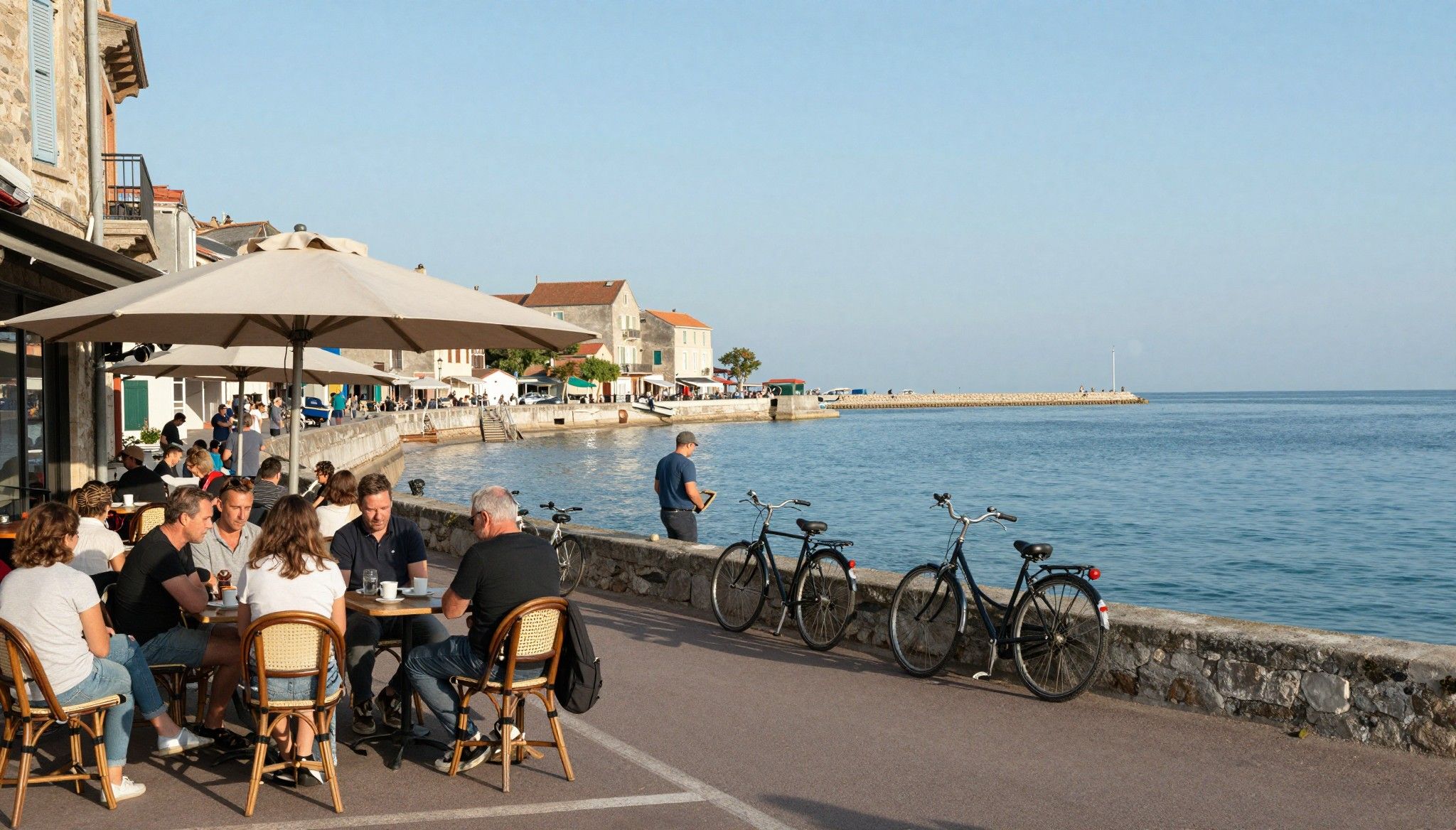
 The Yieldist
 The Yieldist

