Street Rhythm, Not the Headline: France’s Lifestyle‑First Market Insight
Visit in two seasons, prioritise street rhythm over headlines — France’s 2025–26 recovery masks diverse neighbourhood realities; match lifestyle to local liquidity.
 Blueprintera
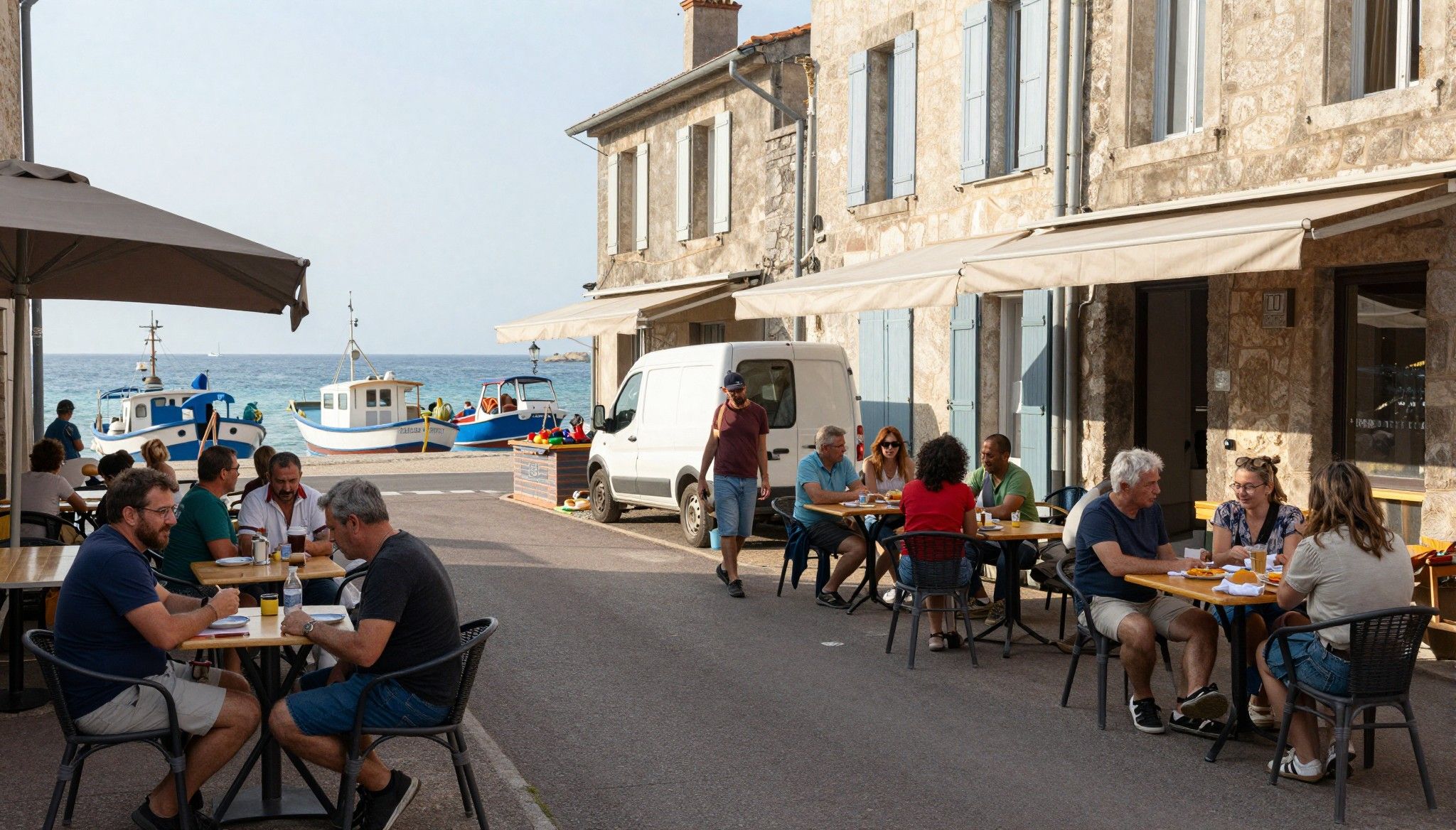
Imagine stepping out at 09:00 on a Saturday in Lyon’s Croix‑Rousse, the smell of fresh pastries drifting from a corner boulangerie while a local farmer’s van unloads chèvre at the market. That weekday café rhythm in Paris’s 11th and the slow, salt‑tinted afternoons of Biarritz are not postcards — they are living patterns that shape where French buyers actually choose to live. For international buyers, those everyday textures matter as much as price per square metre: lifestyle determines which region becomes a home and which becomes a holiday stop.
Living the French life — more than a view
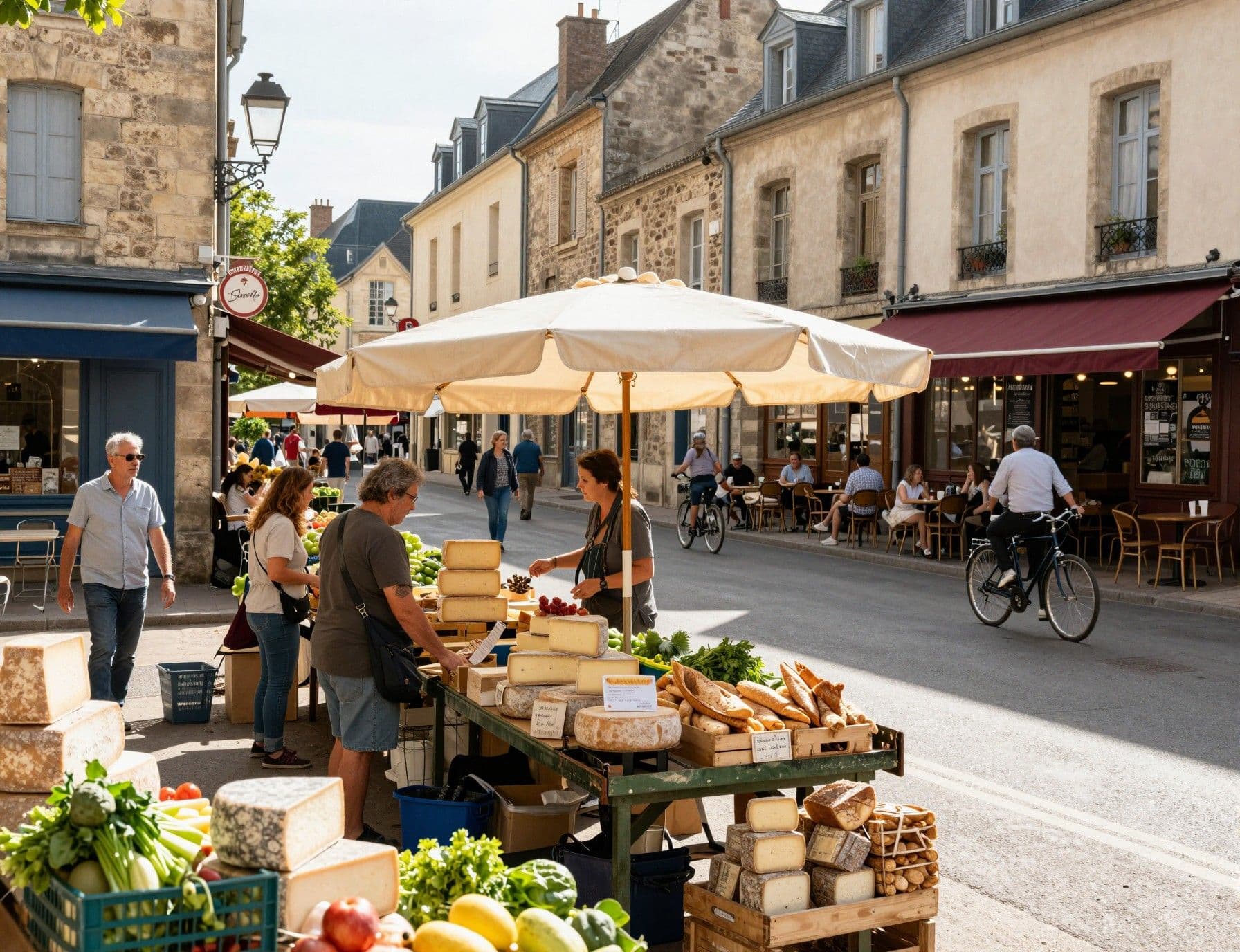
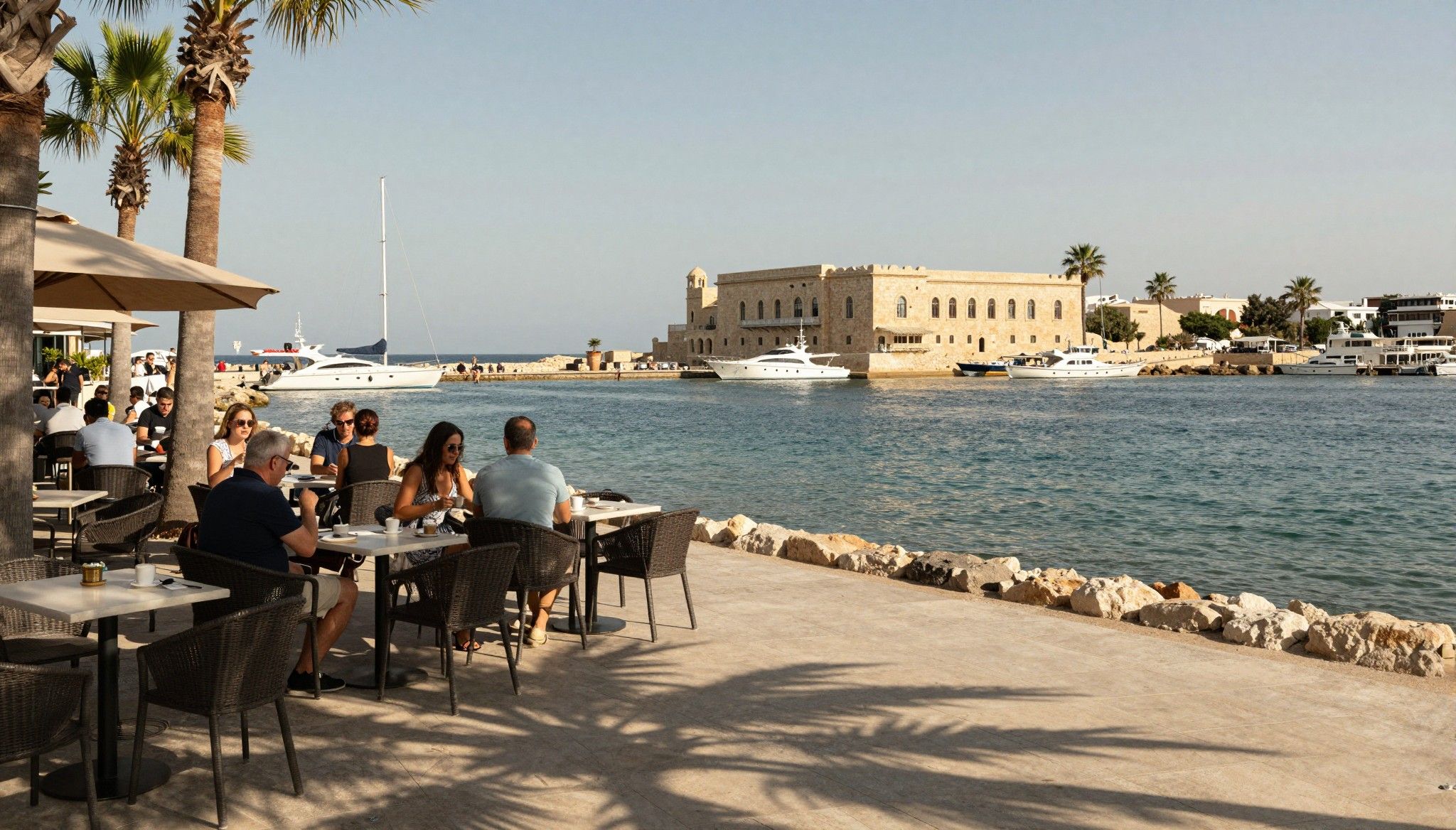
France’s everyday life balances ritual and spontaneity: weekday markets, long lunches on narrow terraces, and a public transport culture that makes city living compact and walkable. In coastal towns from La Rochelle to Nice you’ll trade a garden for a sea breeze; in provincial towns like Angers or Dijon you’ll buy into calmer streets and market squares that pulse on Saturday mornings. These patterns meaningfully affect what buyers want — a small Parisian apartment for cafés and museums, or a Provençal house with shutters and a courtyard for seasonal entertaining.
Paris to provinces: neighbourhoods that define daily life
Arrondissements tell different stories: the 6th for bookshops and cafés, the 11th for a youthful food scene, the 16th for embassies and quiet streets. Outside Paris, Bordeaux’s Chartrons has galleries and riverfront walks; Marseille’s Cours Julien hums with street art and late dining; and Nice’s Port district offers morning fish markets and a compact walkable grid. Knowing the local blocks — Rue Cler in Paris, Rue des Frères in Lyon, Cours Mirabeau in Aix — gives you the lived‑in sense agents rarely capture in listing photos.
Food, markets and weekly rituals
A French life is organised around food: weekly market runs, aperitifs on warm evenings, wine from the nearby coop. For buyers, proximity to markets (marchés) and a neighbourhood with independent shops often matters more than square metres. Think about the practical — refrigeration space for market hauls, or a kitchen that welcomes convivial cooking — and you’ll match a property’s layout to the way you intend to live.
- Sunday marché at Place du Marché (local cheeses, seasonal veg)
- Late‑night bistros in Paris’s 11th for neighbourhood dining
- Beach mornings on the Côte d’Azur (plage cafés, local boulangeries)
Making the move: lifestyle‑driven practicality
Dreams meet data: national indices show a modest recovery in late 2025, with second‑hand prices stabilising while new‑build remains under pressure. These macro signals matter — they influence mortgage appetite and where developers allocate new inventory — but they don’t replace neighbourhood‑level research. Use national statistics as a thermometer for timing, then narrow to street‑level measures and transaction volumes to understand local liquidity and competition.
Property types and how they shape life
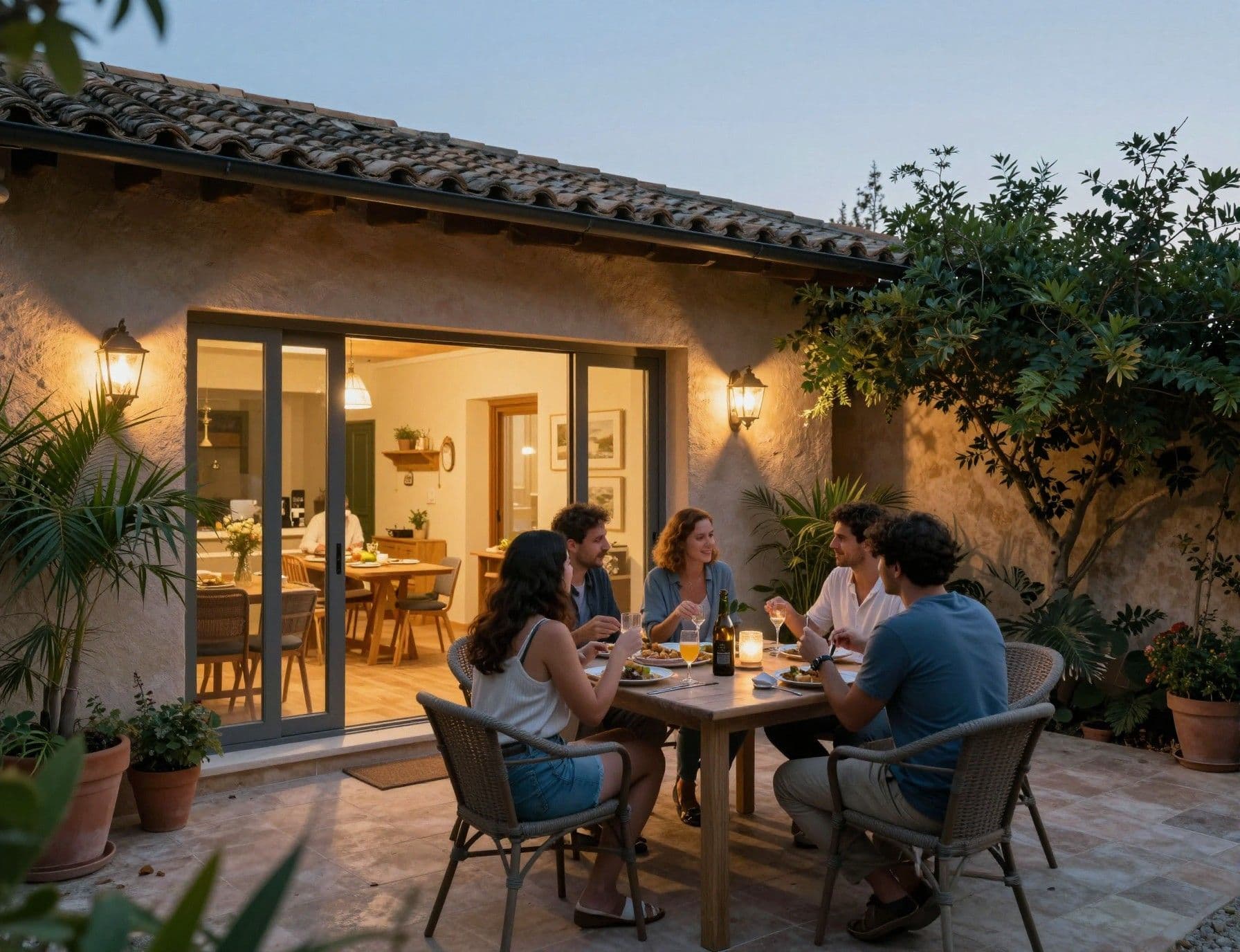
Haussmann‑style apartments in central Paris give you high ceilings and proximity to culture, but limited outdoor space and higher service charges. In Provence, stone farmhouses offer land and privacy but mean longer trips for schools or hospitals. Coastal new builds deliver convenience and amenities but can feel seasonal — consider whether you want a year‑round community or a property that earns well as holiday rental.
Work with local experts who know how life is actually lived
- Hire a bilingual notaire or lawyer to check servitudes and usufruct (often non‑negotiable); engage a local agent who shows you morning and evening routines, not just staged photos; visit at least twice in different seasons to feel the year; ask for recent energy and renovation invoices to avoid surprises; check local transport and healthcare access for everyday life.
Insider knowledge: what expats wish they'd known
Expats consistently tell us the same things: learning a few market phrases in French changes negotiation tone; neighbourhood pace matters more than headline price growth; and seasonal markets can hide structural issues (mould, damp, or neglected communal parts). One buyer in Aix told us that choosing a street with evening bustle transformed their sense of belonging more than buying a larger but silent flat two streets away.
Cultural cues that affect everyday ownership
Expect slower administrative processes than in some anglophone countries: utility switches and mairie paperwork are part of the rhythm. Neighbours value privacy and predictability; small courtesies — a note for deliveries, attending a syndic meeting — go a long way. Learning basic French for appointments and reading diagnostics (DPE, état des risques) reduces risk and speeds transactions.
How life evolves: from purchase to belonging
Properties in well‑served towns often become community anchors: you’ll meet the same café owner, join school committees, and discover weekend rituals that change your priorities. Buyers who factor in seasonal cash flows (rental income in summer resorts, lower winter occupancy) and maintenance cycles avoid surprise costs and preserve value. Look for streets where services — boulangerie, pharmacy, transport — are within a 10–15 minute walk; those are the streets that sustain resale demand.
- Check market liquidity: transactions per year in the commune or arrondissement
- Assess seasonality: is demand driven by year‑round residents or tourism?
- Inspect communal charges and recent building works (copropriété procès‑verbaux)
- Confirm energy performance (DPE) and long‑term renovation needs
- Visit off‑season (1): feel the year‑round neighbourhood rhythm; (2) Ask local agents for comparable sold prices in the past 12 months; (3) Get formal estimates for required renovations and factor into offer; (4) Secure pre‑approval from a French or international lender with clear amortisation terms.
France can feel like many countries at once: a coast that hums in summer, provincial towns that slow in winter, and cities where life folds neatly around cafés and culture. If you want the authentic life, choose the street that matches your daily habits before you choose a property type. That way the house supports the life you imagine, not the other way round.
Next steps: plan two visits in different seasons, bring a bilingual advisor, and cross‑check national data (INSEE, Notaires) against local transaction lists. When you pair sensory visits with street‑level market intelligence, France stops being a postcard and becomes a place you can truly live in.
BlueprinteraDutch investment strategist with a Portugal-Spain portfolio. Expert in cross-border financing, rights, and streamlined due diligence for international buyers.
Related Articles
More insights that might interest you
 Villa Curated
 Villa Curated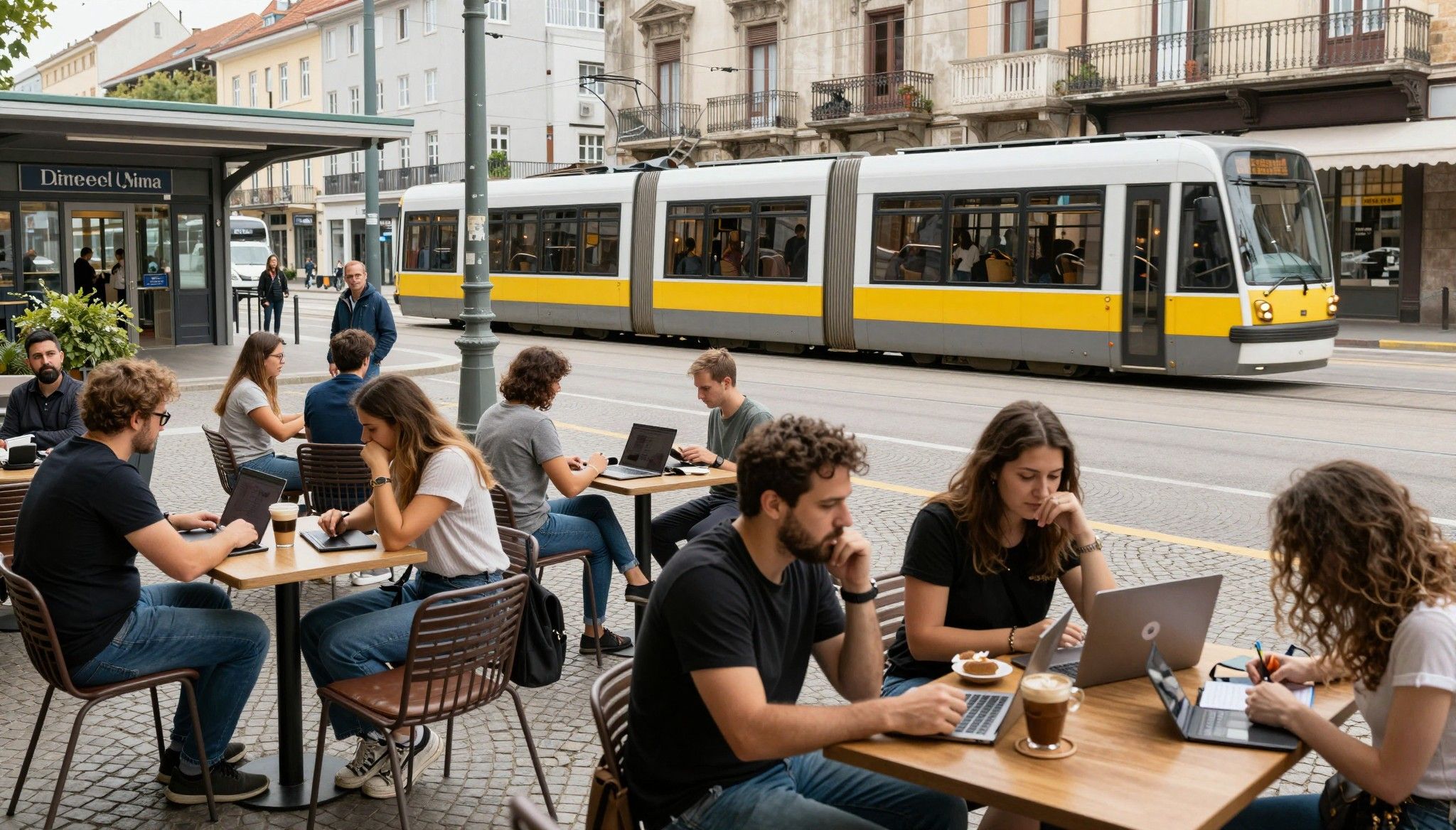
 The Yieldist

