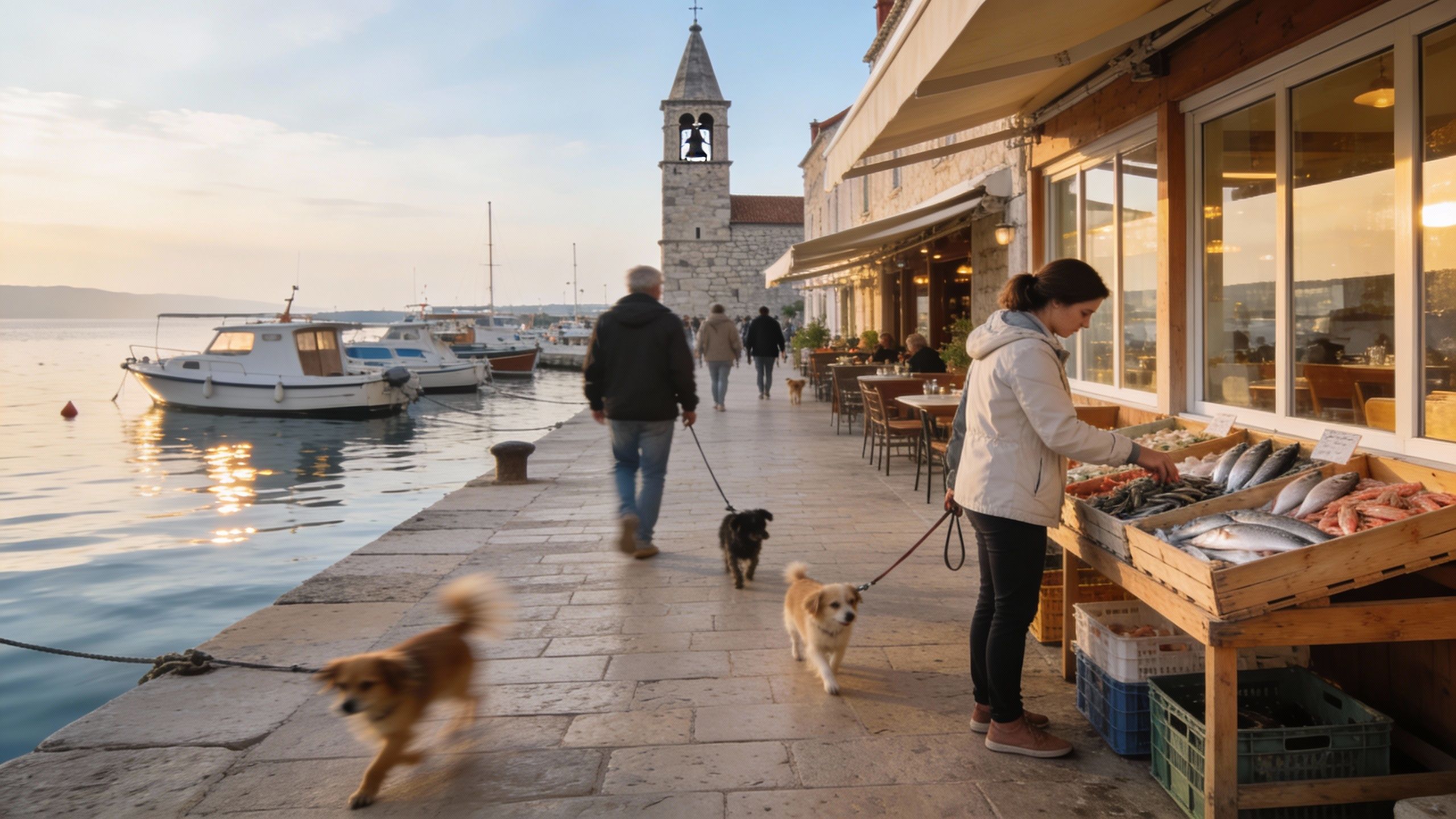
When the Adriatic Feels Affordable: Where Croatia’s Value Hides
Croatia’s prices rose strongly in 2024–25, but national growth masks pockets of value inland and in lesser‑known coastal towns; buy lifestyle-smart and data‑safe.
 Blueprintera
Imagine sipping espresso on Tkalčićeva Street as tram bells echo from the upper town, then driving two hours to an empty pebble cove on the Adriatic. That contrast — lively, intimate city living and an island‑quiet weekend — is Croatia’s daily rhythm. It’s why buyers fall in love fast and why prices across regions tell different stories. Recent market analysis shows persistent price growth but uneven geography; understanding where value hides matters if you want lifestyle without paying a coastal premium.
Living the Croatia lifestyle
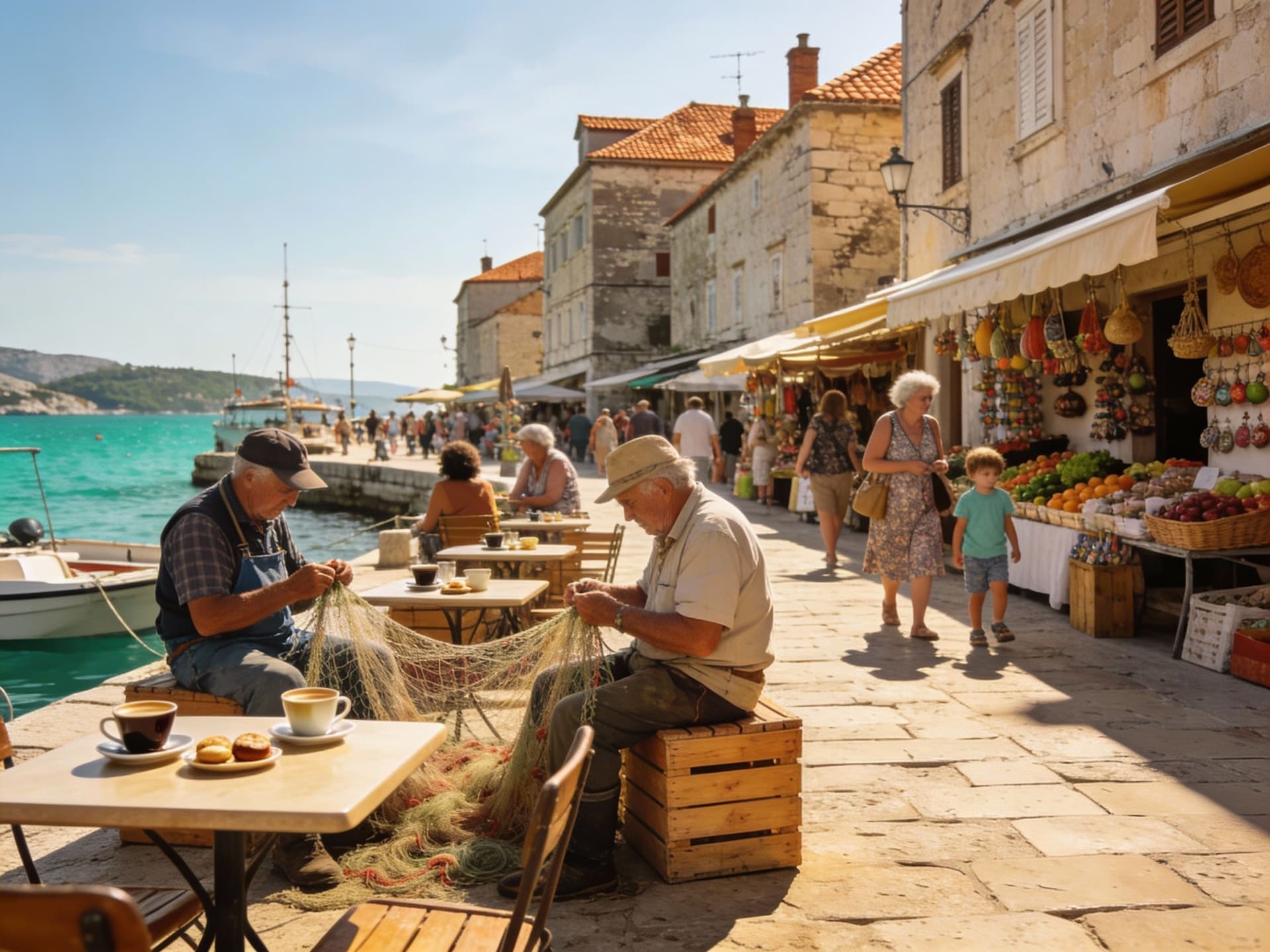
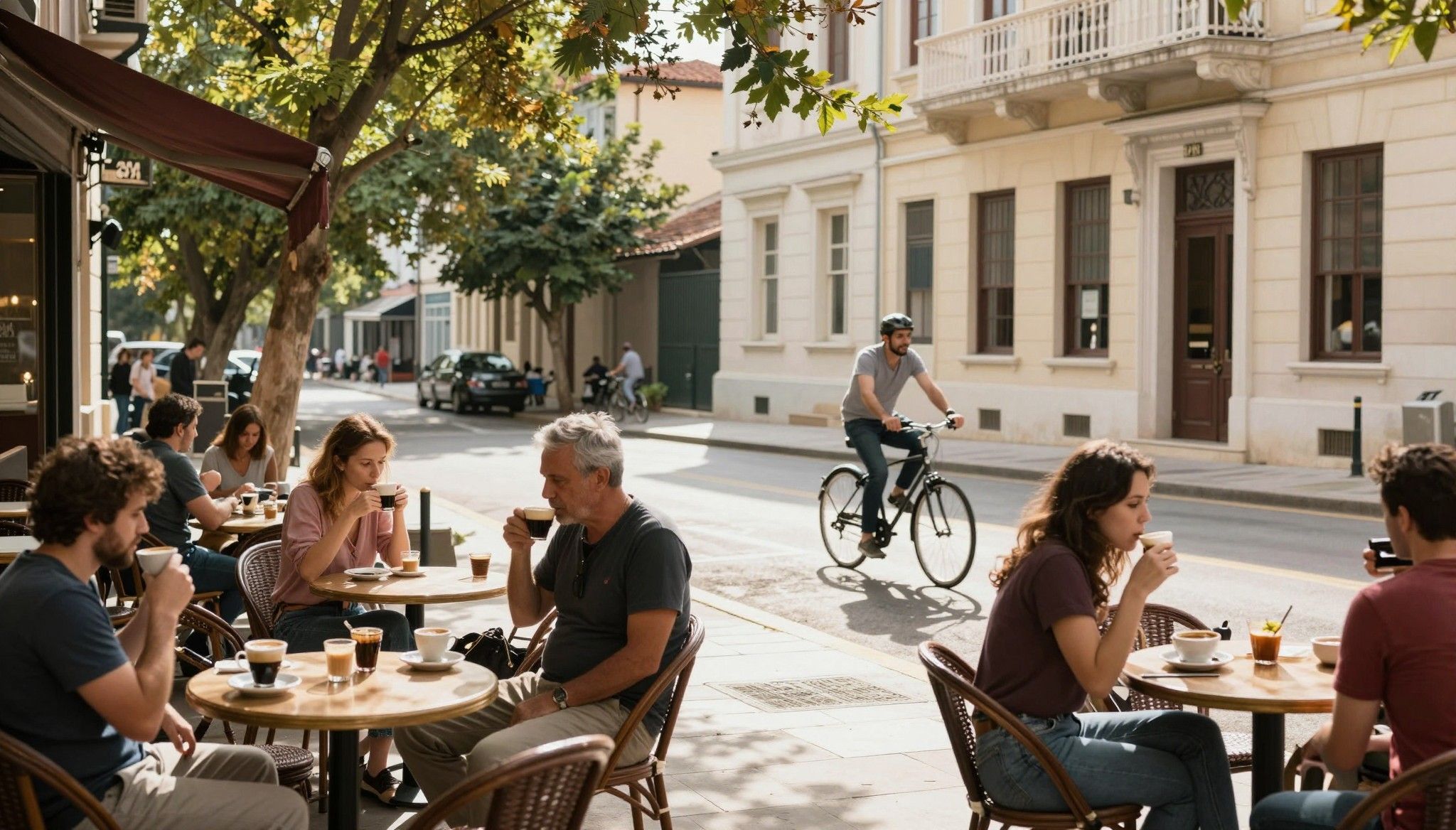
Croatia’s tempo is Mediterranean with a Slavic heartbeat: late breakfasts in cafés, market runs for fresh fish at 07:00, and family dinners that stretch long into the evening. In Zagreb you’ll find compact apartments perched above bakeries and independent galleries; along the coast life revolves around harbours, promenades and the slow ritual of sea‑side coffee. Seasons reframe life — July and August are bustling and social, while November through March reveal quieter streets, more available properties, and a truer sense of local community. For a buyer, that seasonality changes not just how you live but how you shop for property.
Zagreb’s neighbourhoods: city life with provincial warmth
Gornji Grad (Upper Town) brings cobbled streets, museums and a slower morning pace; lower‑city neighbourhoods like Maksimir and Jarun offer parks, lakes and family‑friendly streets. Tkalčićeva and Ilica are where café culture and boutique shopping meet — expect narrow apartments above lively ground floors. For remote workers, Zagreb provides stable broadband, coworking hubs and a price‑to‑amenity ratio that still undercuts many Western European capitals. If you want an urban base that’s both cultured and manageable, Zagreb neighborhoods reward you with convenience and everyday authenticity.
The coast: Dalmatia and Istria beyond postcard prices
Split, Hvar and Dubrovnik anchor the coastal dream — turquoise water, stone lanes and summer festivals — but they also command a price premium. Istria and Kvarner offer a slightly different rhythm: slower seasons, truffle markets and hilltop villages that feel both Italianate and Croatian. County‑level asking prices show coastal hotspots averaging well over €3,500/m² in 2024, while inland counties remain far cheaper. That spread is the buyer’s opportunity: coastal living need not mean you pay Dubrovnik rates if you understand micro‑location tradeoffs.
Making the move: practical considerations
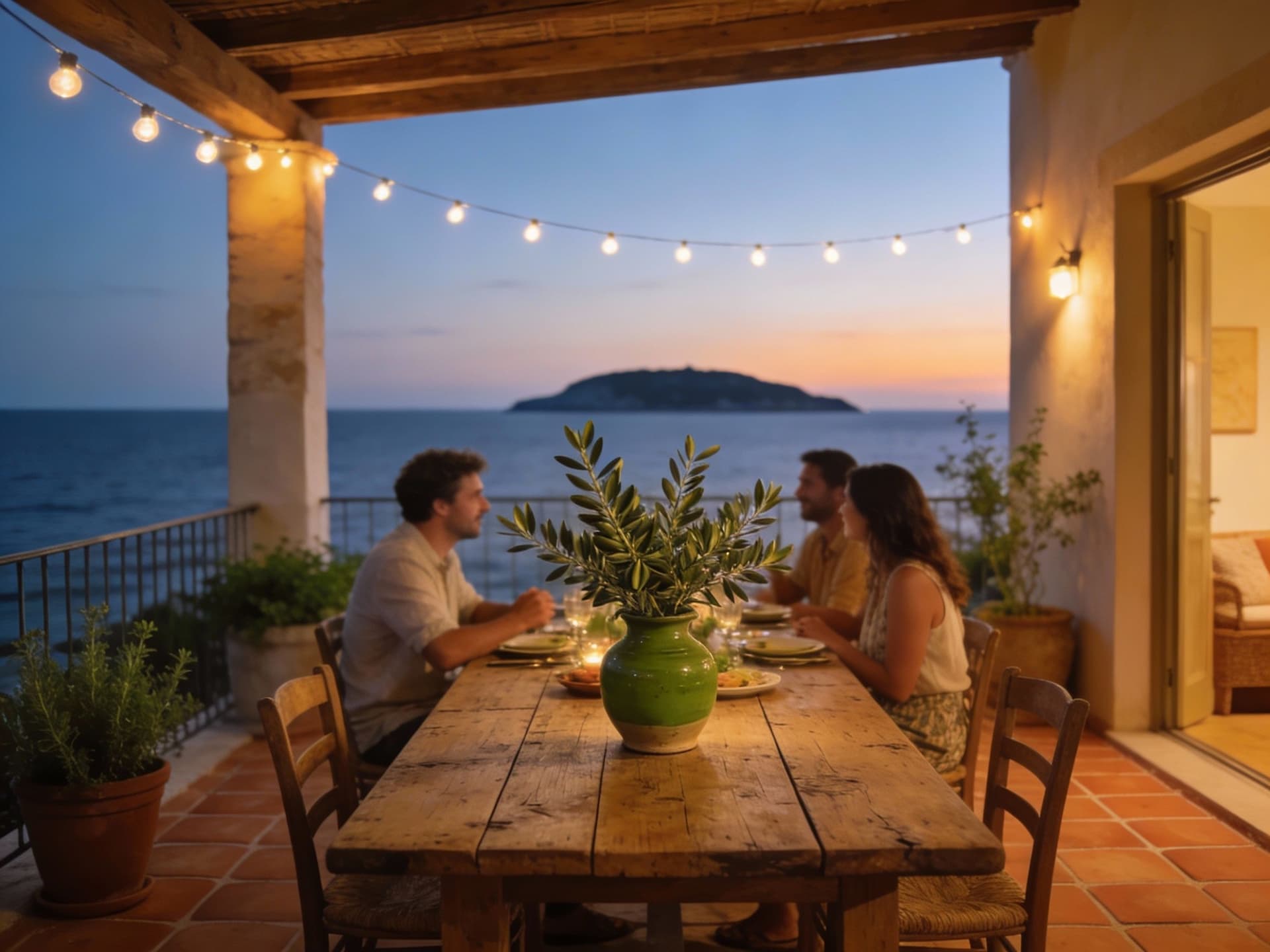
The emotional pull of a sea view is powerful — but the market will remind you that location, supply and seasonality determine price more than view alone. National statistics show dwelling prices rose around 10% year‑on‑year in late 2024, with new builds rising faster than existing stock. That makes timing and choice of property type critical: a renovated stone house in a lesser‑known coastal village can offer more lifestyle for less money than a new penthouse in a high‑tourist town. Work from lifestyle backwards and use data to verify the tradeoffs.
Property styles and how you’ll actually use them
Stone village houses with thick walls keep summers cool and feel authentic, but they demand renovation patience and local contractors. New apartments deliver modern insulation, warranties and easier lettings, but often sit in developments with rules and HOA fees that alter your lifestyle. If your plan is part‑time vacation rental income, choose a property with separate entrance and flexible layout; if you want permanence, prioritise built‑in heating, winter insulation and local services. Match the property type to the life you intend to lead — not the glossy brochure.
Working with local experts who know the lifestyle
Hire a Croatian‑registered lawyer for title checks and to confirm no pre‑emption or restitution claims, especially for rural stone houses. Choose an agent with demonstrated sales in your target micro‑area — coastal town agents who sell island villas won’t necessarily know inland village stock. Use architects or project managers for renovation quotes before you bid; hidden repair costs often exceed expected budgets in older properties. Verify broadband speeds and municipal water access if remote work or long‑term residency is part of your plan.
Insider knowledge: what expats wish they’d known
Expats often underestimate how seasonal life and local custom shape value: a lively summer street can be deserted in winter, changing both rental demand and personal comfort. National data through early 2025 shows continued price growth, but that growth is concentrated and not universal; inland counties remain accessible while Zagreb and the Adriatic coast lead gains. Knowing when a town sleeps — and when it sings — helps you buy where both life and the market align with your goals. Many who rush to coastal hotspots later regret paying for peak‑season energy rather than year‑round quality.
Cultural integration, language and neighbourhood life
Croatians prize family ties and communal rhythms; expect long lunches, generous hospitality and a preference for face‑to‑face dealings in smaller towns. Learning basic Croatian opens doors; even a few phrases at markets builds rapport and can lead to off‑market opportunities. Expat groups cluster around language schools, yacht clubs and international schools in Split and Dubrovnik — but community forms in surprising places too: weekend olive‑presses, bookshop readings and neighbourhood konobas. Embrace slow social investment and it will pay dividends locally.
Long‑term lifestyle risks and practical red flags
• Short‑season towns with high tourist rents can squeeze long‑term rentals and community life — check year‑round rental data. • Properties without documented rights of way or water connections can cost more to activate than to buy — request municipal confirmations. • Renovations often uncover structural or septic issues; budget 20–40% contingency on old houses. • Relying on informal verbal promises is common locally but risky legally — always secure written, registered agreements.
Practical next steps: visit in two distinct seasons, secure local legal counsel and insist on transparent, itemised renovation quotes. Start with county price indices and recent transaction data to benchmark asking prices before you fall for a scenic listing. Work with agents who can show comparable sales rather than aspirational listings, and plan a three‑month window for bureaucracy and title checks. These steps protect both the lifestyle you crave and the capital you invest.
Conclusion: Croatia rewards patience and local knowledge. If you prioritise year‑round community, service and durable livability over headline sea‑view status, you can find exceptional value — from stone houses in Istria’s hinterland to bright apartments in Zagreb’s park districts. Data from national statistics and market reports show growth but highlight pockets of affordability that savvy buyers exploit. Picture your life here: a market‑sourced breakfast, an afternoon on a quieter bay, and the certainty that you bought with both heart and evidence.
BlueprinteraDanish relocation specialist who has lived in Barcelona since 2016. Helps families move abroad with onboarding, schooling, and local services.
Related Articles
More insights that might interest you
 Villa Curated
 Villa Curated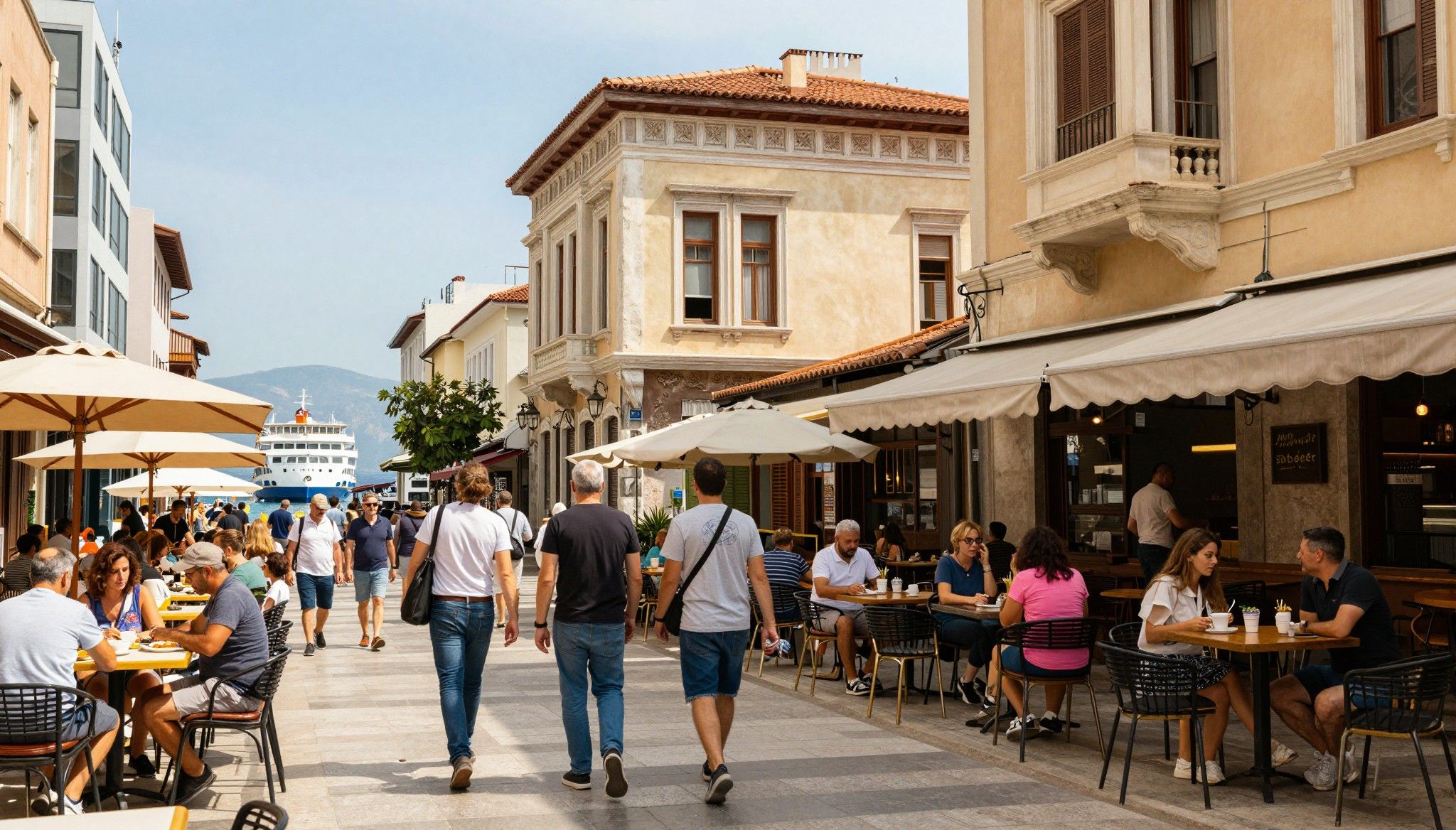
 The Yieldist

