Buy After the Festivals: Croatia’s Seasonal Advantage
Croatia’s coastal romance masks mixed market signals: prices rose while sales cooled. Use off‑season viewings, local data and scenario planning to buy the life you want.
 Blueprintera
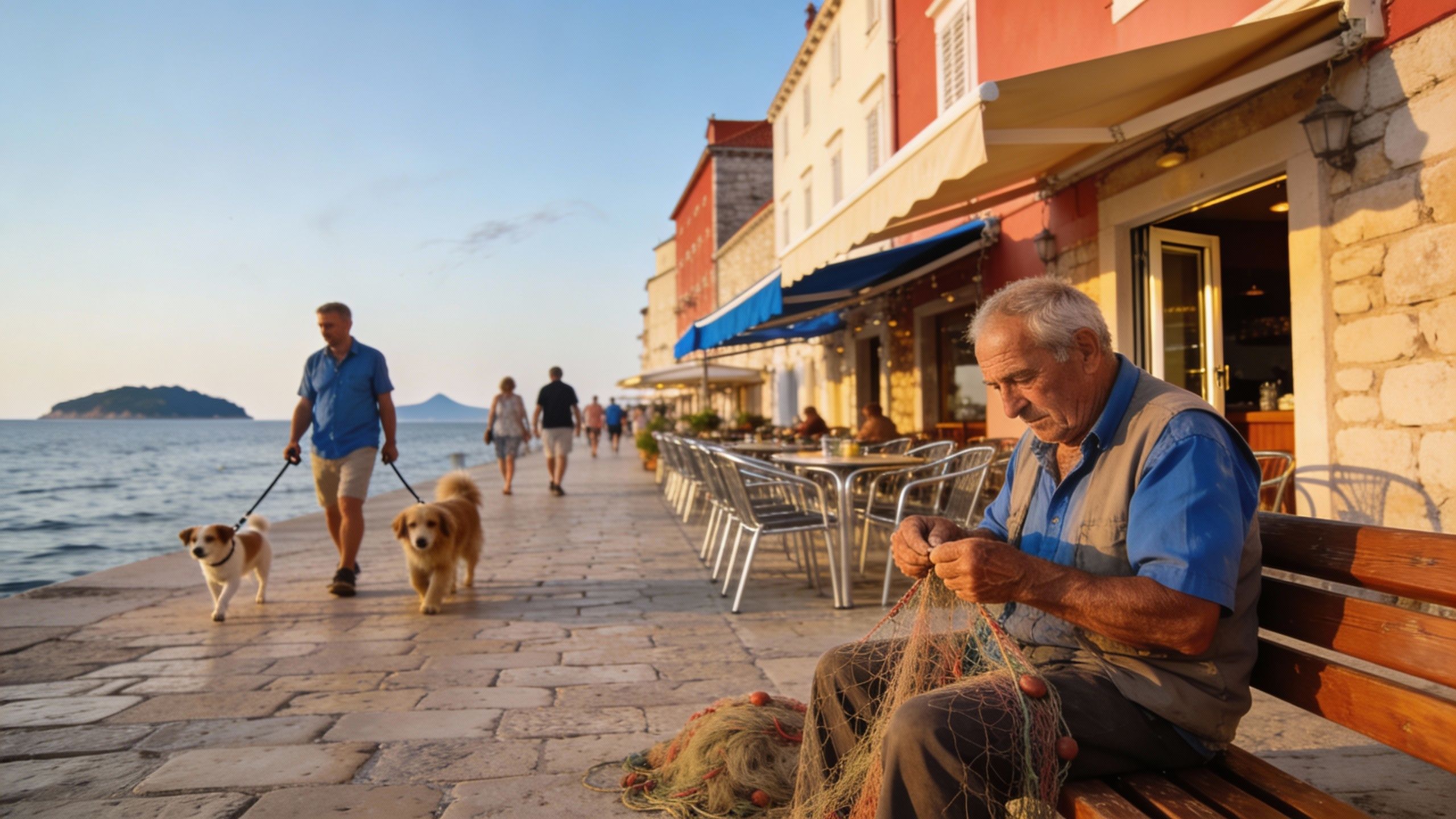
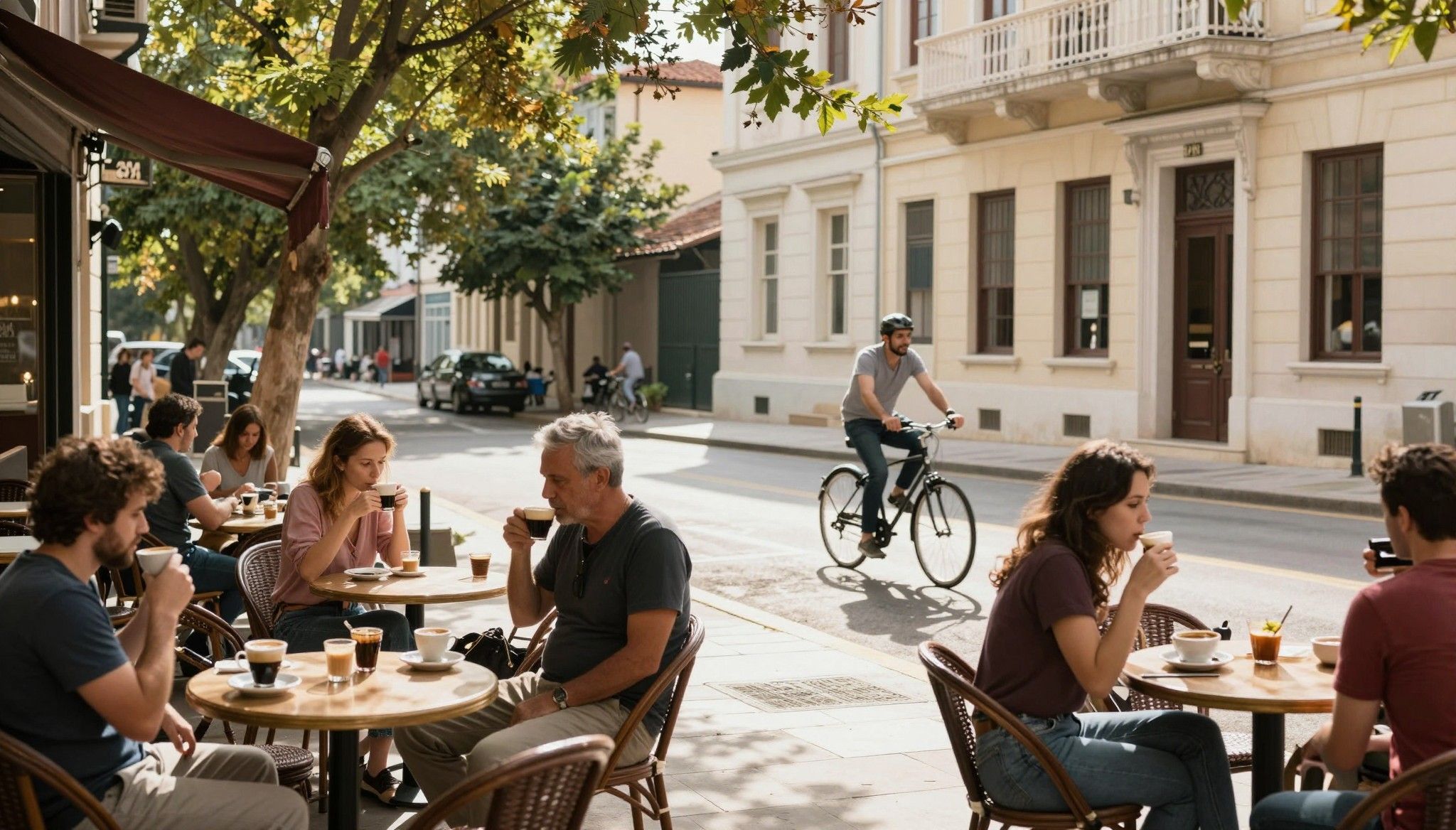
Imagine waking to the sound of church bells in Split, grabbing espresso on Marmontova, then cycling to a pebble beach before the tourist crowds arrive. Croatia feels like a string of distinct lives — medieval old towns, modern coastal promenades, quiet inland villages where markets still trade in seasonal figs and cheese. But the postcard calm masks a market in motion: coastal demand, rising prices, and shifting buyer profiles mean timing and local insight matter as much as the view. This guide blends the lived experience with scenario-based advice so you can fall in love without being surprised by market reality.
Living the Croatian Life
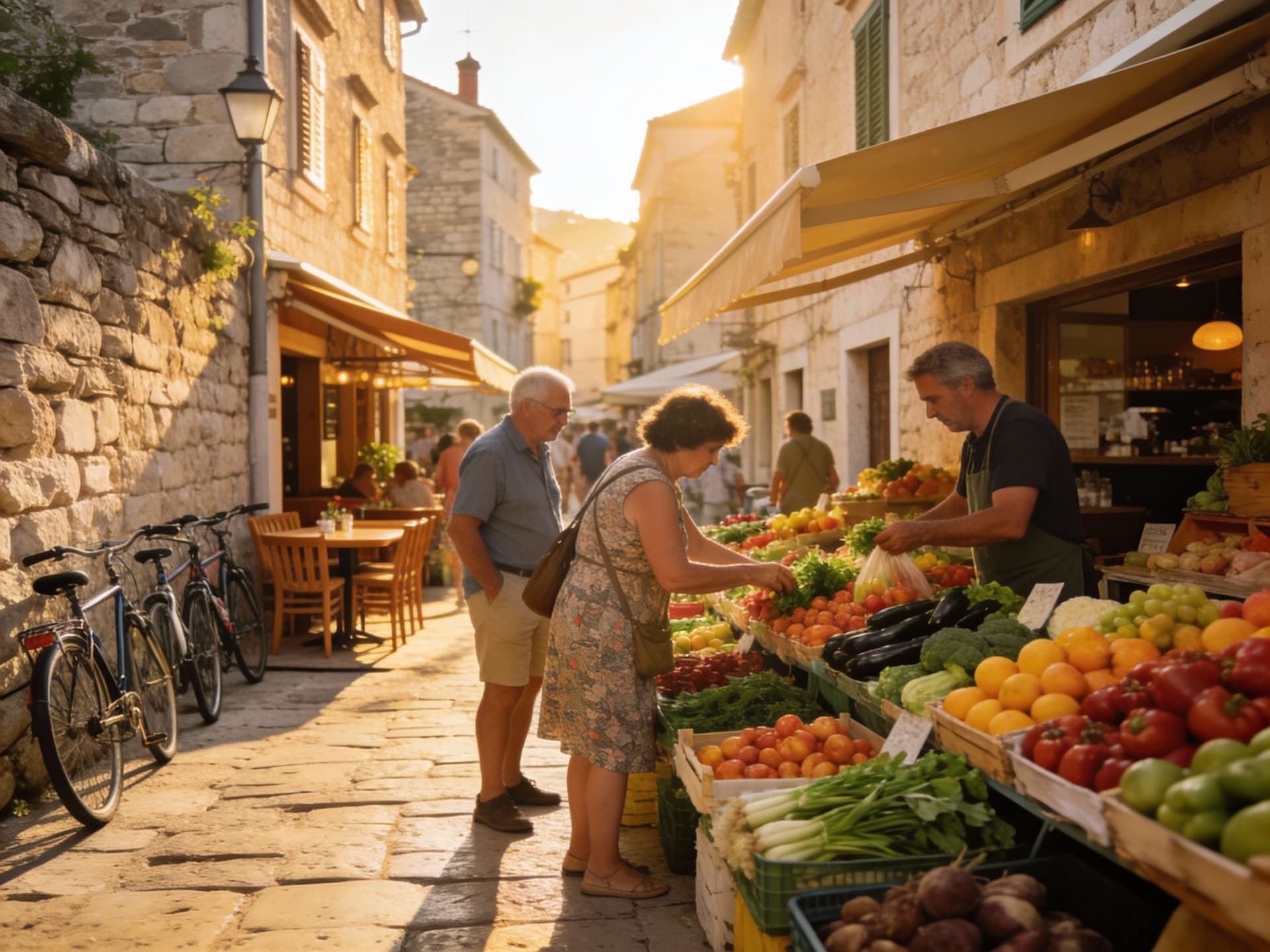
Croatia’s daily rhythms are defined by place. In Dubrovnik’s Old Town mornings are quiet and salt-scented; by afternoon foreign-language chatter fills Stradun. Zagreb has a café culture that hums year-round with students and professionals, while on islands like Hvar the day is paced by ferries and family-owned konobas. Understanding these differences is crucial: the lifestyle you want determines the neighbourhood that will still feel like home once the season ends.
Coastlines: Istria, Dalmatia and island life
Istria offers truffle hunts, hilltop villages and a slower Italianate rhythm — buyers who want markets and stone houses should look near Rovinj’s old streets or Motovun’s surrounding vineyards. Dalmatia stretches from Split to Dubrovnik and contains the most popular island escapes; places like Supetar (Brač) and Trogir combine regular ferry links with year-round communities. On islands, plan for supply constraints, seasonal service variability, and properties that perform differently as homes versus holiday rentals.
City life: Zagreb’s neighbourhoods and rhythms
Zagreb feels continental: leafy streets in Maksimir and the boutique cafés of Lower Town suit buyers seeking urban life and strong rental demand from students and professionals. New-builds around Jarun and Novi Zagreb offer better value per square metre than historic centre apartments, but culture and walkability are trade-offs to weigh. If you need work infrastructure, hospitals and schools, Zagreb is functionally different to the coast — and that difference changes which property will pay off in the long run.
Market signals that change how you buy
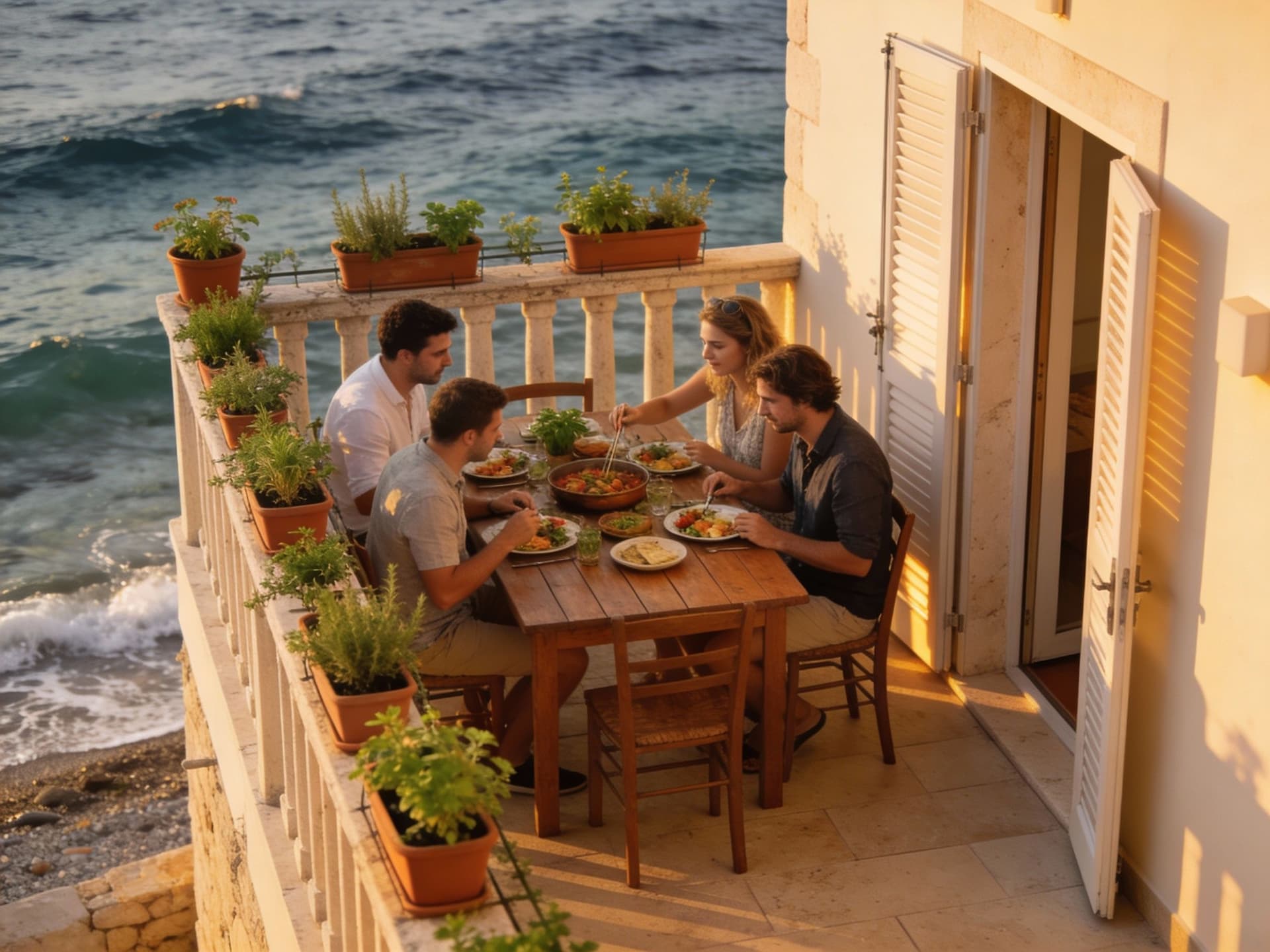
Recent data show a two-speed Croatia: coastal areas continue to command premiums while transaction volumes have cooled, particularly since 2024. Asking prices climbed strongly through 2024 and into 2025, but sales fell in H1 2025 as mortgage costs and seasonal buying patterns shifted demand. These mixed signals mean buyers can no longer assume summer viewings equal good deals — timing, region and buyer type now shape outcomes more than ever.
Why summer house‑hunting can mislead
Summer is when Croatia is most photogenic — but it’s also when inventory looks largest and prices feel firm because demand is visible. Many sellers test the market during high season, creating an illusion of liquidity and competition. Data from 2025 show sales volumes actually dropped despite strong coastal asking prices, so attending viewings off‑season often reveals motivated sellers and clearer negotiation space.
- Lifestyle-meets-market factors to weigh
• Coastal premium: Expect 50–130% price gaps between coast and inland counties in comparable properties; this affects both capital appreciation and rental yields. • Foreign buyer patterns: Slovenians, Germans and Austrians remain prominent, but foreign purchases declined from 2022 peaks, shifting competition. • Seasonality: View properties in shoulder seasons (spring, autumn) to assess year-round livability and service levels. • Supply constraints: Islands and historic centres have limited new supply, so renovation-ready homes can outperform turnkey units over time.
Practical scenarios: three buyer plays
1) The lifestyle homeowner: live year‑round on the coast
If your goal is daily coastal life, prioritise villages with year‑round communities (e.g., Supetar, Fažana) over tourist-centres. Look for reliable ferry links, winter supermarket access and local medical facilities. Expect to pay a coastal premium, but buy where the community sustains outside summer. Work with an agent who can verify services in low season and check owners’ association rules for holiday lets.
2) The investor who wants resilience
Buy in secondary coastal towns or Zagreb suburbs with steady year-round rental demand. Focus on gross yields and occupancy trends, not just peak summer rates. Consider newer developments near transport links for lower maintenance and modern utilities. Verify recent transaction volumes and local rental legislation, and ask for an occupancy history when a seller claims 'high-season returns'.
3) The contrarian buyer: off‑season hunting
Attend viewings in late autumn or spring to see services, noise levels and genuine community life. Sellers in these seasons are more likely to negotiate; recent figures show foreign buyer interest softened after 2022 peaks, creating room for careful buyers to secure better terms. Use this approach if you value lifestyle fit over summer showpieces.
Insider knowledge: what expats wish they’d known
Expats often tell the same stories: they fell for a sea‑view in July and later found ferry timetables, winter grocery runs or condo fees changed the experience. Language barriers are real but surmountable through local networks and small Croatian lessons; social life is localised around markets, church fêtes and konoba nights. The smartest buyers match neighbourhood culture to daily routines — not just Instagram photos.
Practical checks that preserve the lifestyle
• Check winter services: ferry frequency, doctor hours, heating systems. • Inspect legal standing: recent reforms affect co‑ownership and condominium responsibilities. • Ask neighbours: silent afternoons and local nightlife reveal the real tempo. • Build renovation buffers: stone houses often need insulation or plumbing updates.
Longer-term: how life and value evolve
Croatia’s market is maturing: legal reforms around co-ownership, improving transport links and tourism diversification will affect long-term value. Coastal scarcity suggests prime waterfront remains a hedge, but inland and city markets offer catch-up potential and lower entry prices. Think in scenarios: conservative (stable occupancy, modest appreciation), opportunistic (renovation + rental upside), and defensive (buy for life, ignore short-term yield).
Before you make an offer, take these steps: verify recent comparable sales, request an occupancy or rental history if relevant, confirm utilities and building association rules, and meet neighbours in low season. Work with an agent who knows both lifestyle and local regulation, and use off‑season visits to see how the place breathes beyond the brochure. That combination — lived insight plus data — is the best way to turn Croatian possibility into a sustainable life.
Conclusion: Croatia offers a layered life — medieval mornings, café afternoons, and Adriatic evenings — but the place you love in July can be different in November. Use season-aware search, local expertise, and data on recent sales and volumes to shape a scenario that matches how you want to live. Imagine the life, then make the market work for it.
BlueprinteraBritish investor turned advisor after buying in Costa del Sol since 2012. Specializes in cross-border compliance and data-driven investment strategies for UK buyers.
Related Articles
More insights that might interest you
 Villa Curated
 Villa Curated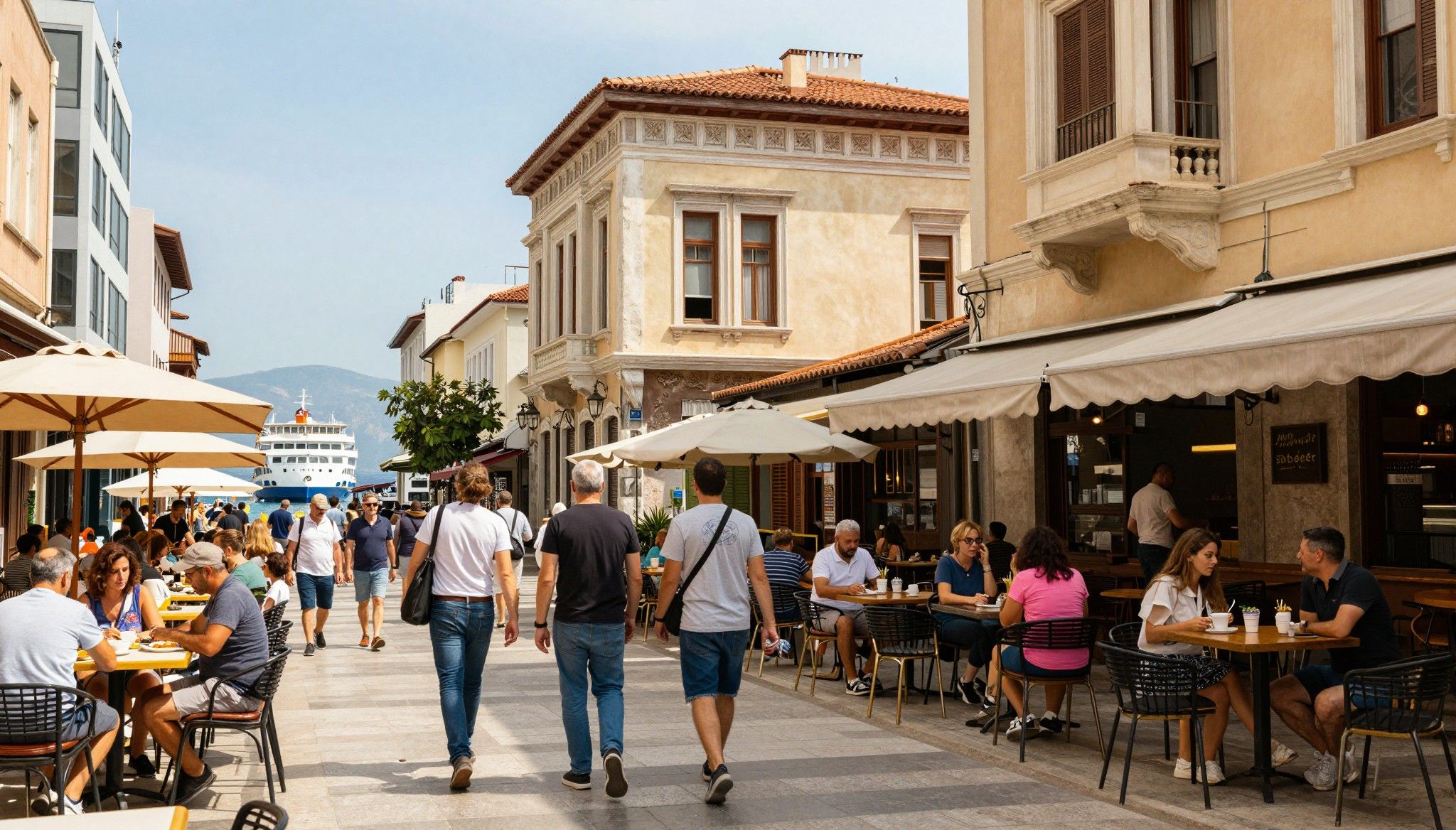
 The Yieldist

