Croatia’s Seasonality Shift: Buy for Life, Stress‑Test for Yield
Croatia’s seasonality is softening: stronger shoulder seasons and city demand reshape yield profiles—combine lifestyle choices with scenario-based yield modelling.
 The Yieldist
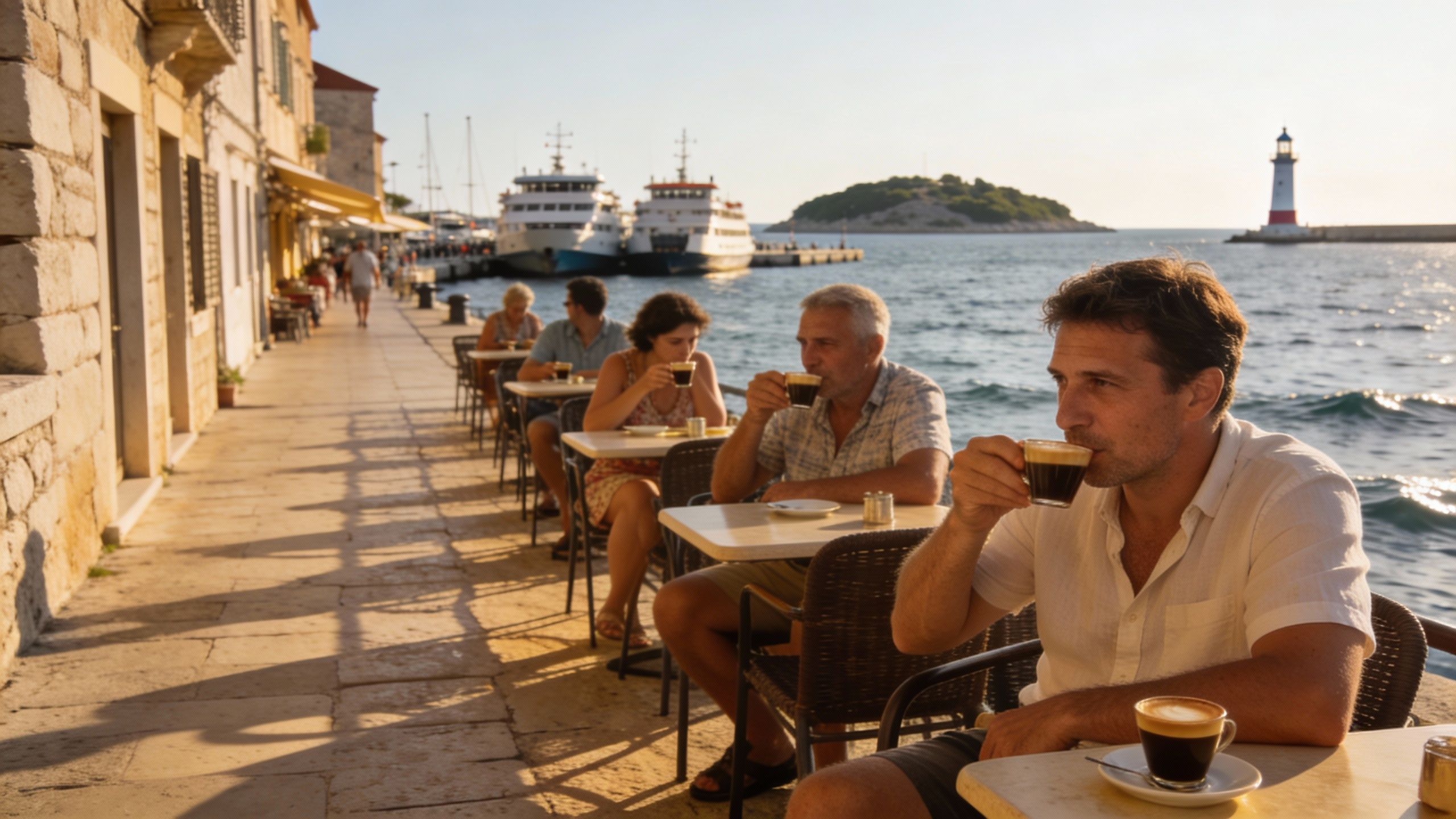
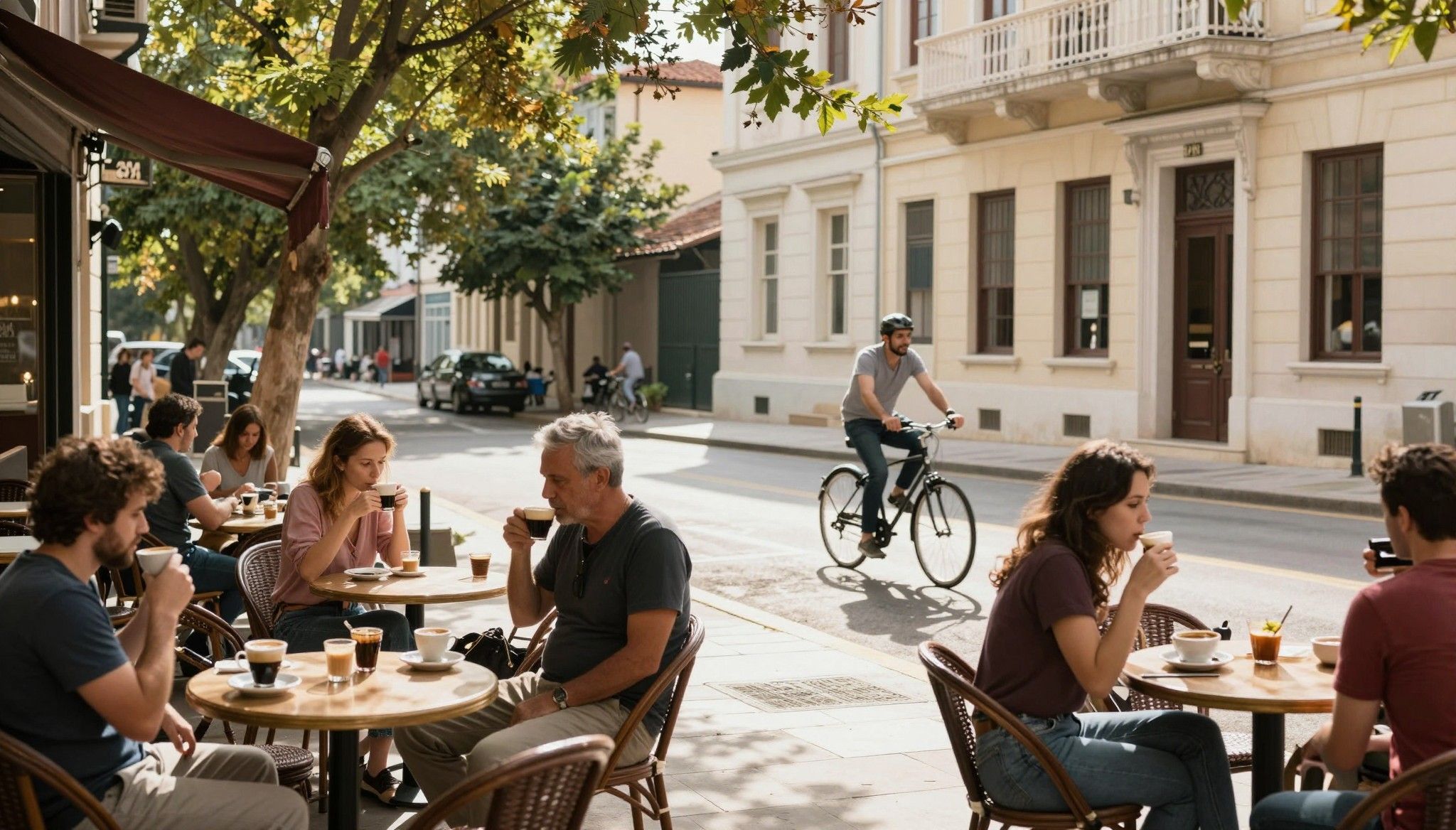
Imagine an espresso at Café U Dvorišta in Split before the ferries wake, a weekend market in Dolac, and a late afternoon swim off Zlatni Rat — Croatia moves at Mediterranean rhythms but with a surprising year-round pulse. Recent national data show stronger pre- and post-season travel, and that shift rewrites how investors should think about coastal seasonality and rental demand.
Living the Croatia lifestyle — what you actually wake up to
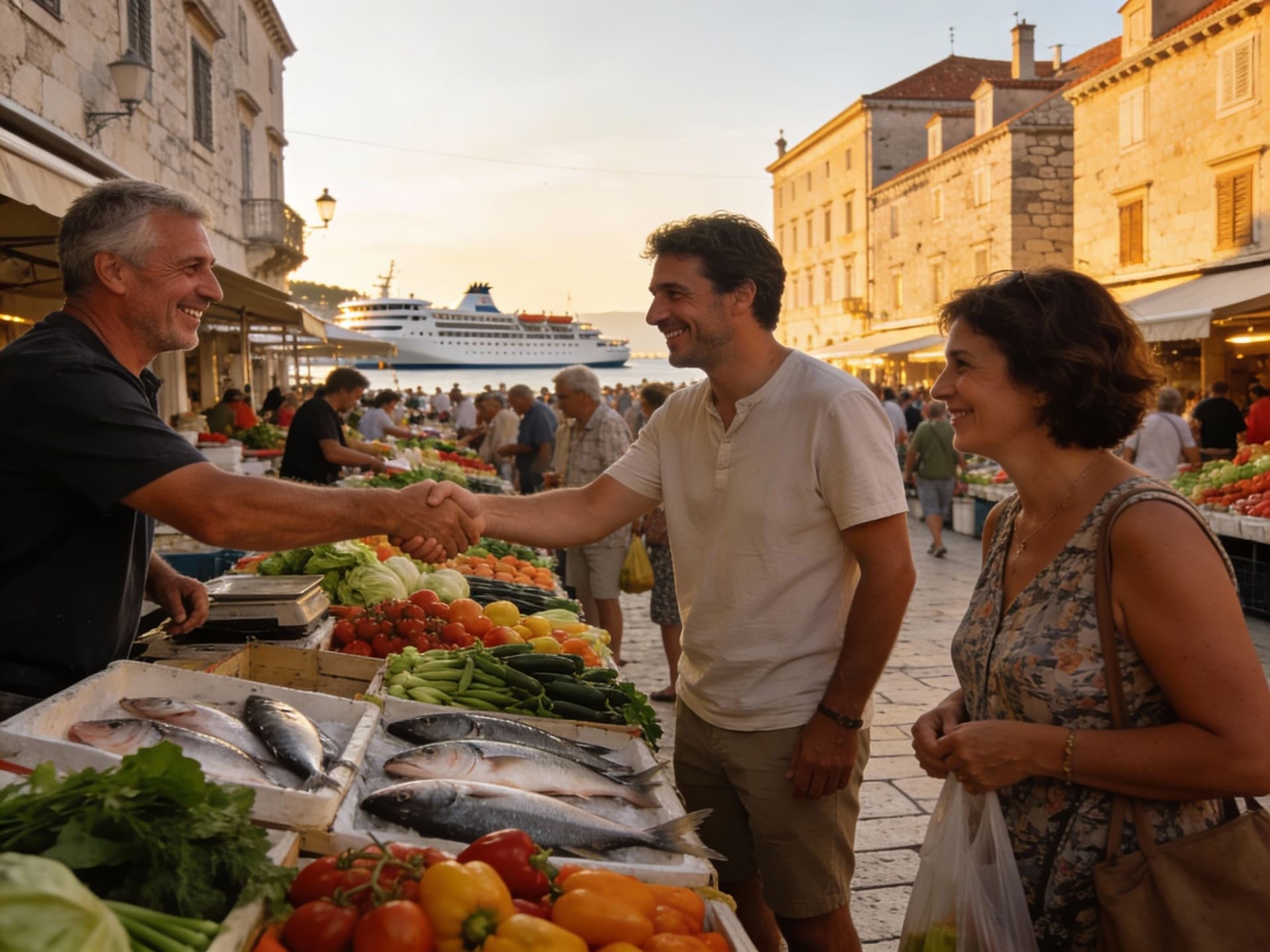
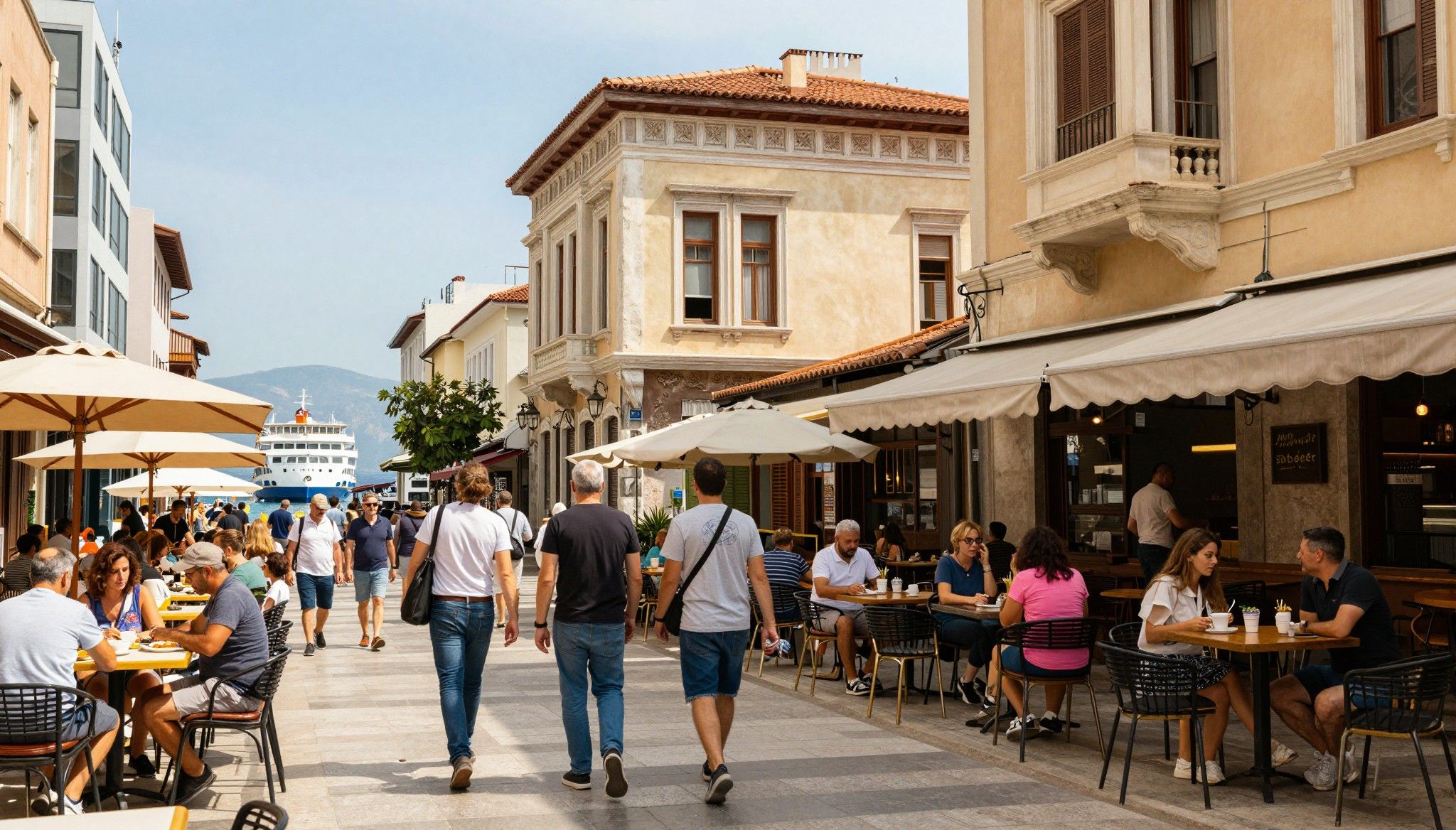
Daily life in Croatia blends compact historic cores, stone-paved afternoons and seaside motion. In Split you’ll hear maritime traffic and café chatter on Obala, in Dubrovnik the city’s walls shape strolls and visitor flows, while Zagreb offers leafy streets, markets and a clearer urban rental market. This variety means lifestyle choices map directly to investment profiles: tourist-heavy Dalmatian islands deliver short-let upside; Zagreb and inland university towns suit stable long-term rentals.
Dalmatian coast & islands: Adriatic rhythm, high season intensity
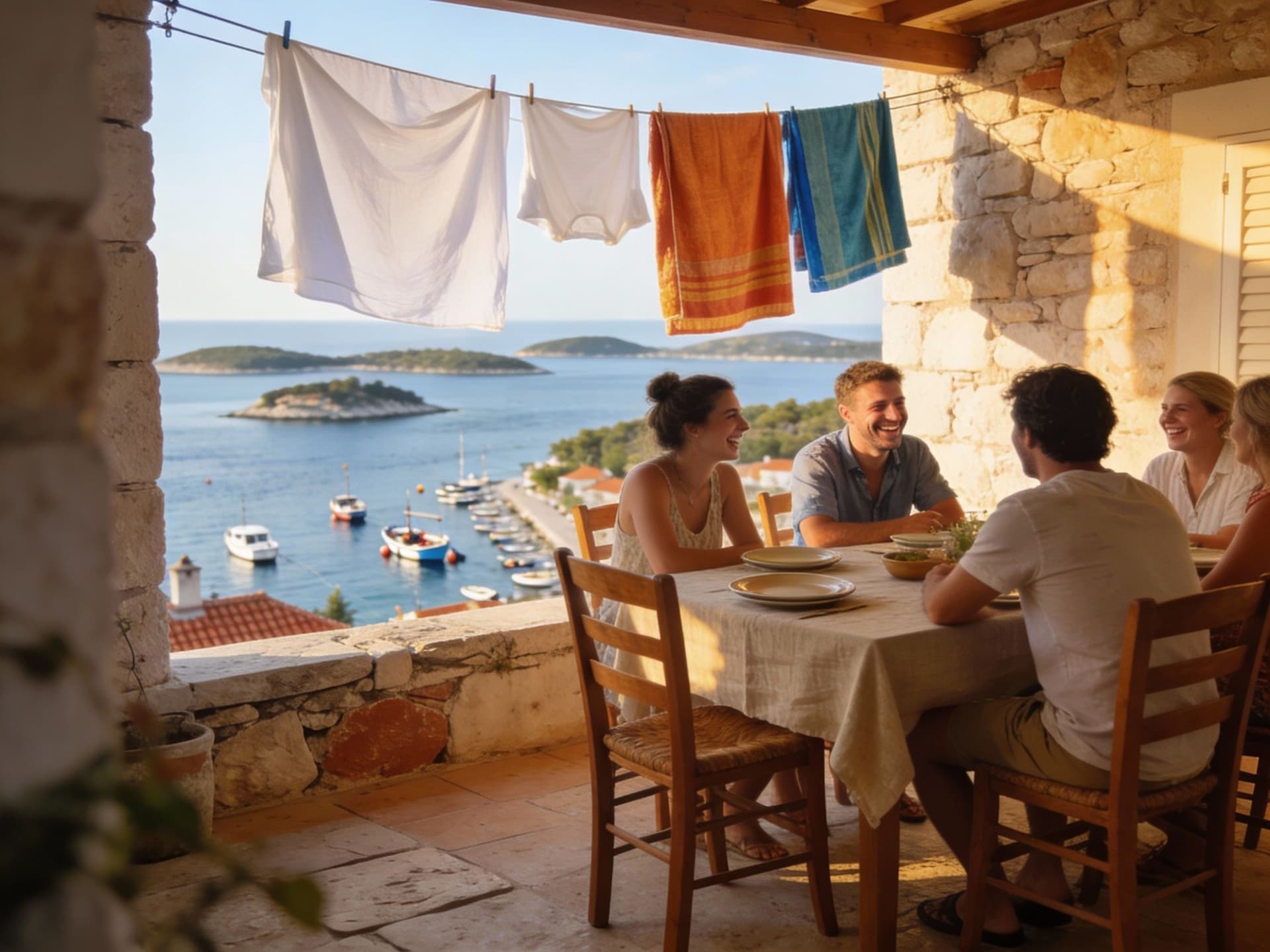
Picture narrow stone streets, terraces spilling onto harbours and afternoon sailors returning with the day’s catch. Coastal towns such as Hvar, Bol (Brač) and Trogir remain demand magnets. But official tourism reporting shows growth in shoulder seasons—meaning properties that previously earned only in July–August can now capture April–June and September–October revenue, lowering effective seasonality risk.
Zagreb & continental Croatia: stable rents, year-round tenants
Zagreb’s combination of universities, corporates and events drives consistent occupancy through the year. For investors seeking predictability, student housing, multi-bedroom flats near universities, and modernised apartments in Donji Grad deliver steadier gross yields and lower management overhead than coastal short-lets.
- Lifestyle highlights that shape property appeal
- Early-morning fish markets (Split’s Pazar, Zagreb’s Dolac) that support local food culture and year-round footfall.
- Ferry lines (Jadrolinija routes) connecting islands—properties near ports retain rental demand outside peak season.
- Historic cores with strict heritage rules—high aesthetic value but renovation complexity.
- Continental festivals and Christmas markets (Zagreb) that create dependable off-season bookings.
Making the move: practical considerations that preserve yield
Lifestyle sells the dream; data protect the return. National house price indices rose strongly through 2023–24, with coastal and Zagreb markets outperforming inland counties. That appreciation narrows future capital upside—so buyers must balance price-per-square-metre with rental demand indicators to protect gross and net yields.
Property types and how they affect day-to-day life
Stone townhouse in Dubrovnik spells immediate character but comes with heritage constraints and higher renovation costs. Modern apartment blocks in Split’s Znjan or Zagreb’s Trešnjevka provide easier maintenance and HVAC efficiency—critical for long-term operating expense control. Choose property type by target tenant: tourists value terraces and sea views; long-term tenants prioritise proximity to transport, schools and grocery markets.
Working with local experts who know both lifestyle and law
Engage a local agent with documented experience in short‑let compliance and renovations near heritage zones. Ask for past case studies, proof of agency licence, and references from other international buyers. Local notaries and real-estate lawyers are essential: they marshal title searches, check building permits and advise on rental licensing where municipalities restrict short-lets.
- Step-by-step checklist that blends lifestyle and fiscal prudence
- Define target tenant profile (tourist vs long-term) and map neighbourhoods to that lifestyle (e.g., Old Town Dubrovnik = tourist; Zagreb Gornji Grad = mixed long-term).
- Request 12–24 month occupancy and fiscalised invoice records for comparable properties to stress-test seasonal revenue.
- Get a local costed renovation estimate (including heritage permit timelines) and factor those CapEx items into net yield calculations.
- Confirm short‑let registration rules with the municipality and model post-tax net yield under both long-term and short-term scenarios.
Insider knowledge: what expats wish they'd known
Practical real-talk: rising prices have pushed locals toward multigenerational solutions and informal extensions. Investors need to understand local social pressure on housing supply and how tourist-driven buy-to-let can exacerbate community pushback and future regulation risk. That risk is a measurable line-item in scenario analysis, not an abstract concern.
Language, neighbourhood codes and social integration
Croatian is the official language; English is widely used in tourism zones but less so inland. Respect for local rhythms—market bargaining, café patience and municipal calendars—improves tenant relations. Learn the local registration steps (oib number, local utilities setup) or hire a manager who handles onboarding and seasonal turnovers.
How life evolves after you move (five-year horizon)
Expect micro-transformation: improved ferry links and better pre- and post-season demand lift effective occupancy; municipal regulation can tighten short‑lets; and urban renovations improve long-term valuations in Zagreb or Split. Plan for property management hand-offs and build a three-scenario financial model (pessimistic, base, optimistic) to stress-test returns over five years.
- Red flags to watch for before you sign
- Incomplete heritage permits on stone houses (renovation timelines and fines).
- Properties advertised as ‘near ferry’ but >20 minutes on local roads—travel time kills off-season occupancy.
- Municipal short‑let registration missing—penalties and forced conversion can halve net yield.
If you want a foot in the Adriatic without speculative price risk, consider inland pockets with good transport links to the coast (e.g., Šibenik hinterland) or university towns that combine year-round renter pools and lower purchase prices per square metre.
Conclusion — Croatia as a balanced lifestyle-investment: the coast offers Mediterranean living and seasonal upside; cities provide stable rental demand and professional tenant pools. Combine sensory awareness — markets, ferries, fish stalls — with rigorous scenario modelling and local expertise to buy a property that feels like home and performs like an asset.
The YieldistDanish relocation specialist who moved to Cyprus in 2018, helping Nordic clients diversify with rental yields and residency considerations.
Related Articles
More insights that might interest you
 Villa Curated
 Villa Curated
 The Yieldist


