Greece’s New‑Build Squeeze: Why Lifestyle + Pipeline Matter
Greece’s appeal runs deeper than sea views: a tightening new‑build pipeline is creating real value opportunities for buyers who match lifestyle choices to delivery timelines.
 Blueprintera
Imagine waking on a narrow Athens side‑street to the smell of warm koulouri from the bakery below, then driving an hour to a Cycladic beach where fishermen mend nets — that contrast, daily and real, is Greece. Behind those scenes a quieter narrative is reshaping where international buyers should look: supply of new-build housing is tightening even as demand from locals and foreigners returns. This piece stitches together life in Greece — neighborhoods, seasons, cafés, and festivals — with the hard numbers and pipeline signals that decide whether you buy now or wait.
Living Greece: rhythms, neighborhoods and real places
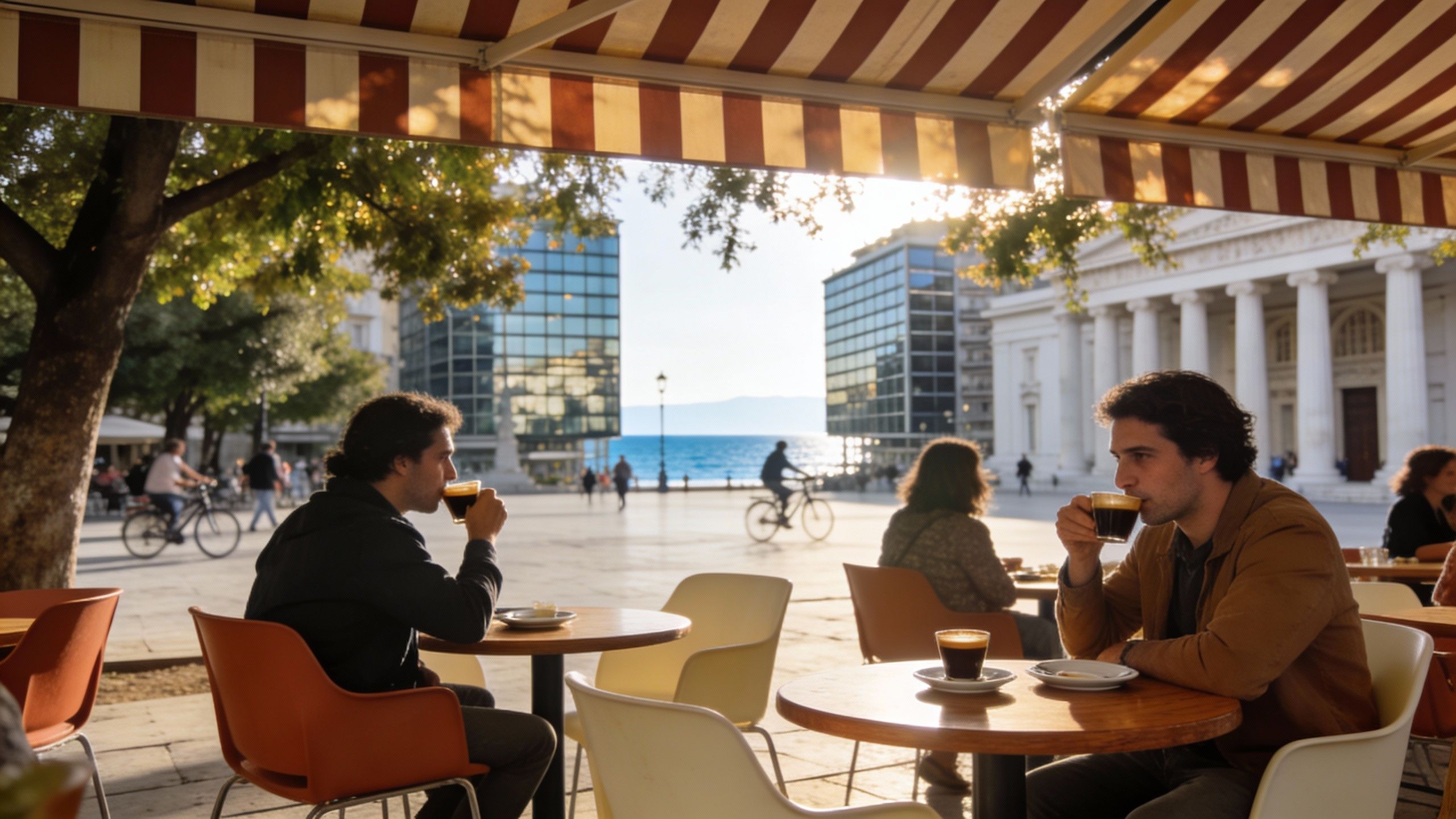
Greece’s daily rhythm blends slow mornings and late nights. In Athens, espresso bars pulse from 8:00, metro commuters crisscross Syntagma and Koukaki, while coastal suburbs like Glyfada hum with seaside promenades and tavernas at sunset. On the islands, days are shaped by light — mornings for markets and afternoons for beaches. That lived contrast should shape what you buy: an apartment for urban contact or a stone house for seasonal escape.
Athens: city pockets that feel like towns
Walk from Metaxourgeio’s creative cafés to the quieter, cobbled streets of Plaka and you’ll sense micro‑neighborhood economics. Koukaki attracts families seeking proximity to the Acropolis and friendly kafeneia; Pangrati has weekend farmers’ stalls and renovating blocks; the Southern Suburbs (Glyfada, Voula) trade city pace for seaside lifestyle. New developments cluster where infrastructure upgrades meet permissive zoning — study those streets, not just the postcode.
Islands & coasts: lifestyle trade-offs
Santorini and Mykonos still command premium short‑let markets, but smaller islands — Naxos, Paros, Tinos — offer a different, year‑round community. On Crete the scale allows modern developments with amenities and farmland access. Expect seasonal population swings and plan for winter utility access, heating (often electric or pellet), and service availability — these shape resale value and running costs more than a view.
- Lifestyle highlights to scout in person
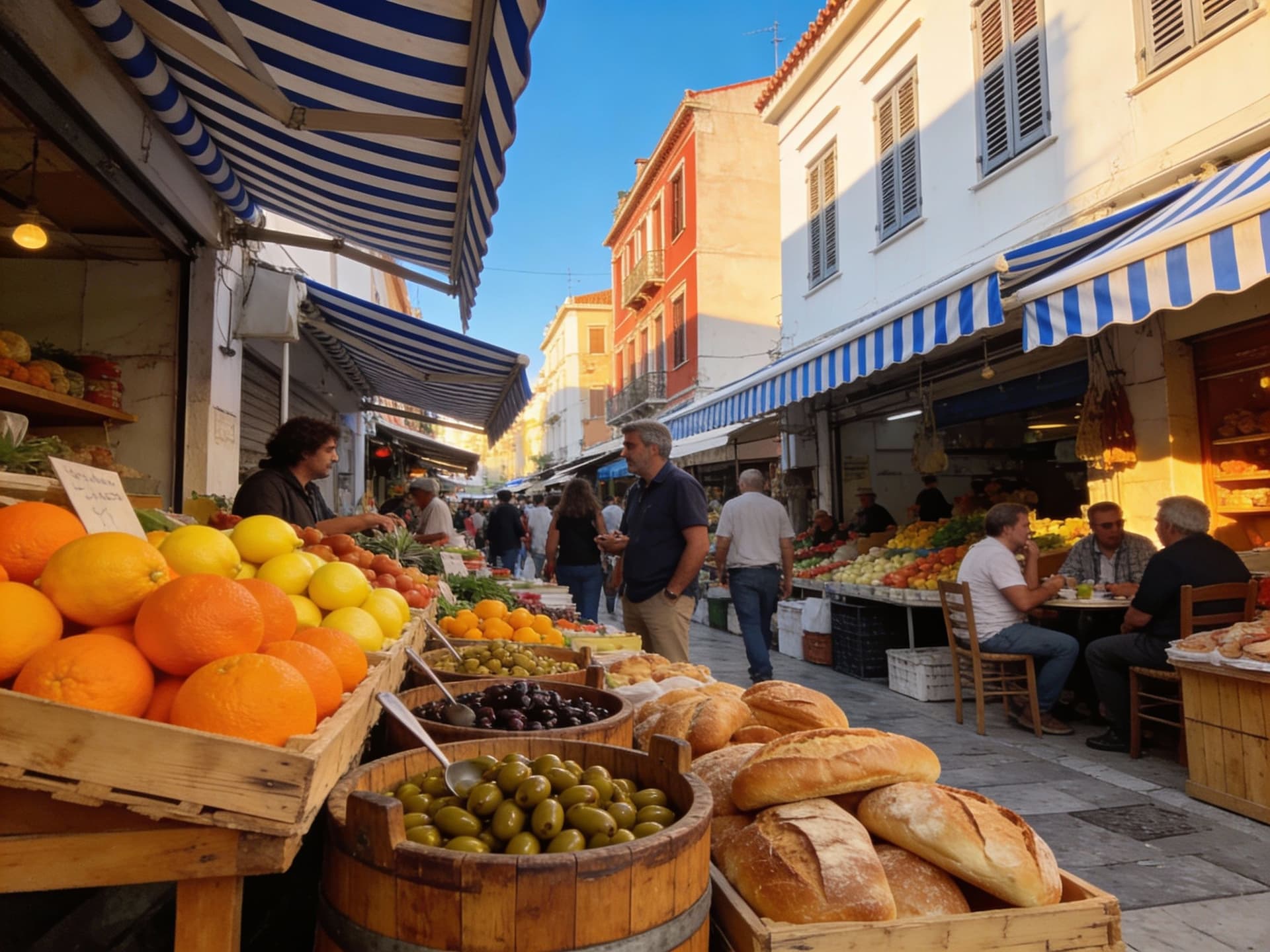
- Morning ritual: koulouri and freddo espresso at a local bakery (try Plaka in Athens or Kolonaki for a more upscale scene)
- Markets: Varvakios Agora in Athens, Chania Municipal Market, Naxos central market — places to test local produce and community life
Making the move: new‑build pipeline and what it means for buyers

Numbers matter. The Bank of Greece reported sustained price growth for apartments through 2024–Q1 2025, with new units rising faster than older stock. Listing platforms confirm asking prices moved up across Athens and the islands. At the same time, building permits and starts have slowed in several regions, pinching future supply. For international buyers that means two practical consequences: a premium for deliverable new homes and more competition for well‑located off‑plan units.
Property styles: what different new builds deliver
Modern apartment blocks in Athens prioritise insulation and A/C systems for summer heat, with balconies for airflow. Coastal developments favour terraces, communal pools, and parking — useful if you plan year‑round living. In island settings developers often balance traditional stone façades with contemporary interiors to meet planning rules and buyer taste. Inspect construction specs for insulation, water systems, and soundproofing; Mediterranean living is about managing heat and humidity as much as aesthetics.
Work with advisors who map lifestyle to pipeline
Local agents who know an area’s pipeline — municipal permits, developer reputations, delivery timelines — are indispensable. They can flag where Ellinikon’s large‑scale development is lifting Riviera values or where permit backlogs create buying windows. Ask agencies for a project history: prior delivery dates, finish quality, and post‑handover support. That paperwork often tells you more than staged show‑homes.
- Steps to align lifestyle goals with new‑build reality
- Define how you’ll live: year‑round resident, seasonal renter, or investment short‑let; this narrows geography and product types
- Request developer delivery records and independent technical reports; insist on finish‑spec clarifications
- Check municipal zoning and permit timelines — slow approvals can shift handover dates by 6–18 months
Insider knowledge: what expats and locals wish they'd known
A frequent confession from buyers: we chased the view and overlooked seasonality, construction timelines, and community life. Ellinikon’s scale has raised Riviera prices and delivered modern amenities — but also local debate on traffic and services. Smaller islands traded tourist premiums for quieter winters; buyers who visited only in summer missed how empty some places feel in January. Live‑test a place across seasons before committing.
Cultural realities and social integration
Greek social life is relational — neighbourhood kafeneia, church festivals, and market friendships matter. Learning basic Greek phrases opens doors; participating in local festivals (Panigyria) is the fastest route to belonging. For families, proximity to clinics and international schools (e.g., Athens’ American Community School) should feature in location choice, not just price per square metre.
Longer-term lifestyle risks and signs of resilience
Watch for infrastructure projects and demographic trends: new transport links, hospital upgrades, or planned parks (like Ellinikon’s coastal park) often presage durable demand. Conversely, reliance on seasonal tourism, poorly maintained municipal services, or a single major employer can magnify downside risk. A balanced portfolio of local amenities and year‑round employment opportunities signals a place that will age well.
- Red flags to check before signing
- Missing or vague planning permits, inconsistent developer completion records, and unclear communal area responsibilities
- Infrastructure gaps: unreliable winter ferry/air links, single‑road coastal access, limited healthcare nearby
- Overdependence on short‑term letting where local regulation could change (inspect municipal short‑let rules and noise ordinances)
Conclusion: Greece as lived place — fall in love, but buy with pipeline clarity
Greece rewards buyers who pair sensory, seasonal love for place with disciplined checks of supply pipelines and developer delivery. Use market indices and listing trends to test price momentum, insist on permit clarity, and time visits across seasons. When you choose an agent, pick one who maps neighborhoods to daily life — they are the ones who can turn a seaside afternoon into a confident purchase.
BlueprinteraBritish investor turned advisor after buying in Costa del Sol since 2012. Specializes in cross-border compliance and data-driven investment strategies for UK buyers.
Related Articles
More insights that might interest you
 The Yieldist
 Blueprintera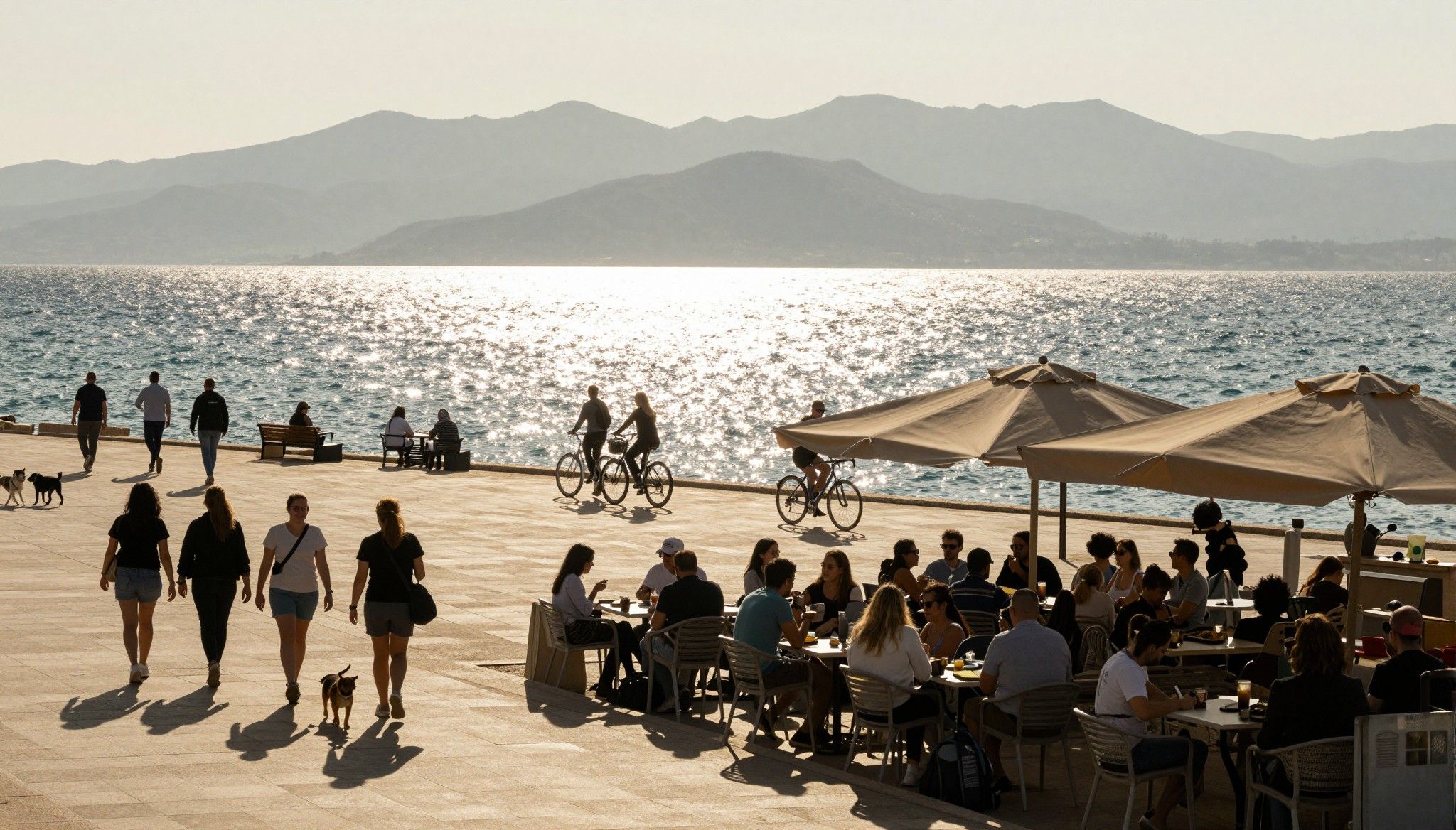
 Ashworth & Drake