Greece: Lifestyle Signals and the New‑Build Pipeline
Greece blends market momentum with seasonal, place-based living. Use permit trends and local pipeline data to pair the exact neighbourhood with the life you want.
 Blueprintera
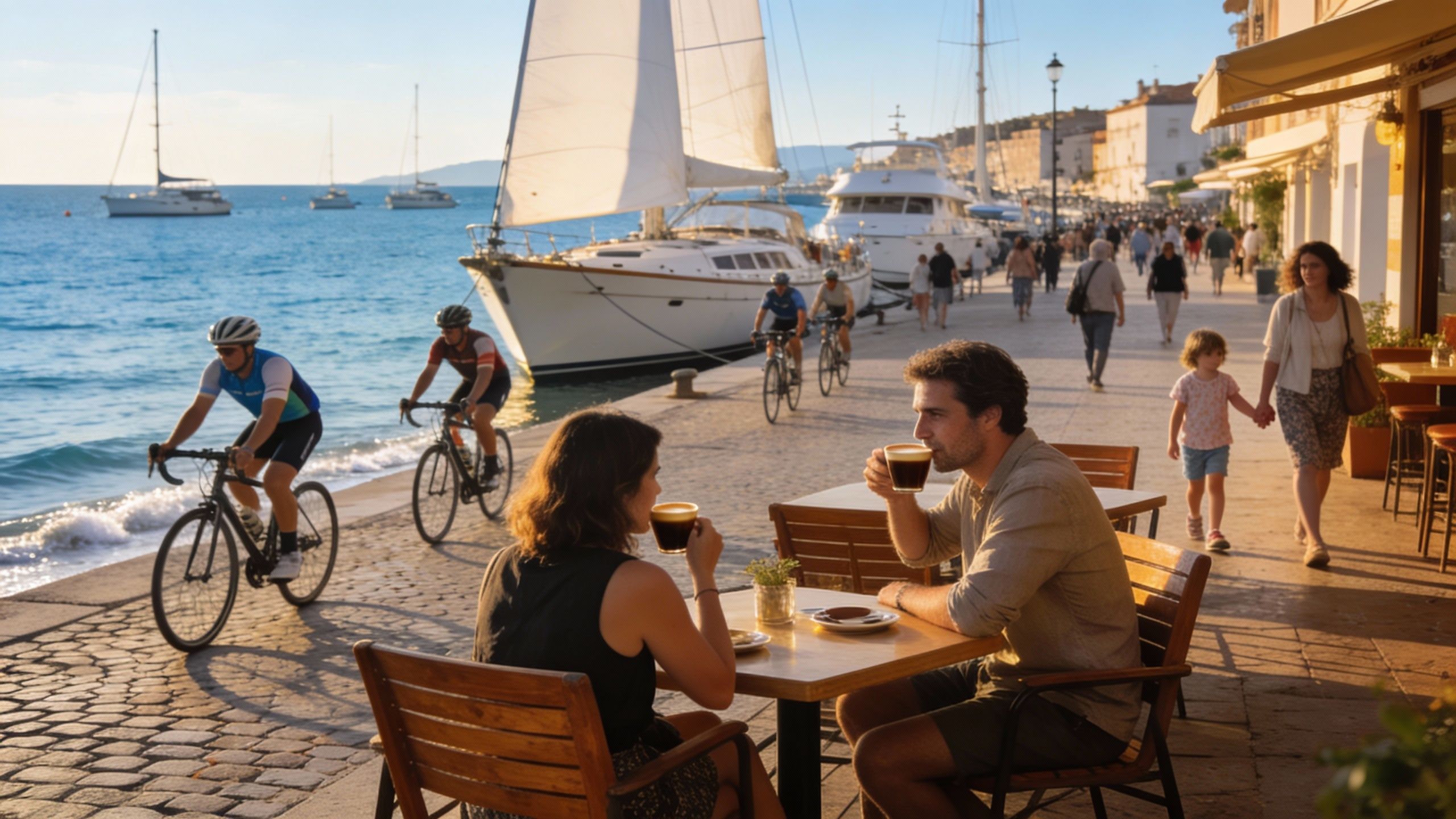
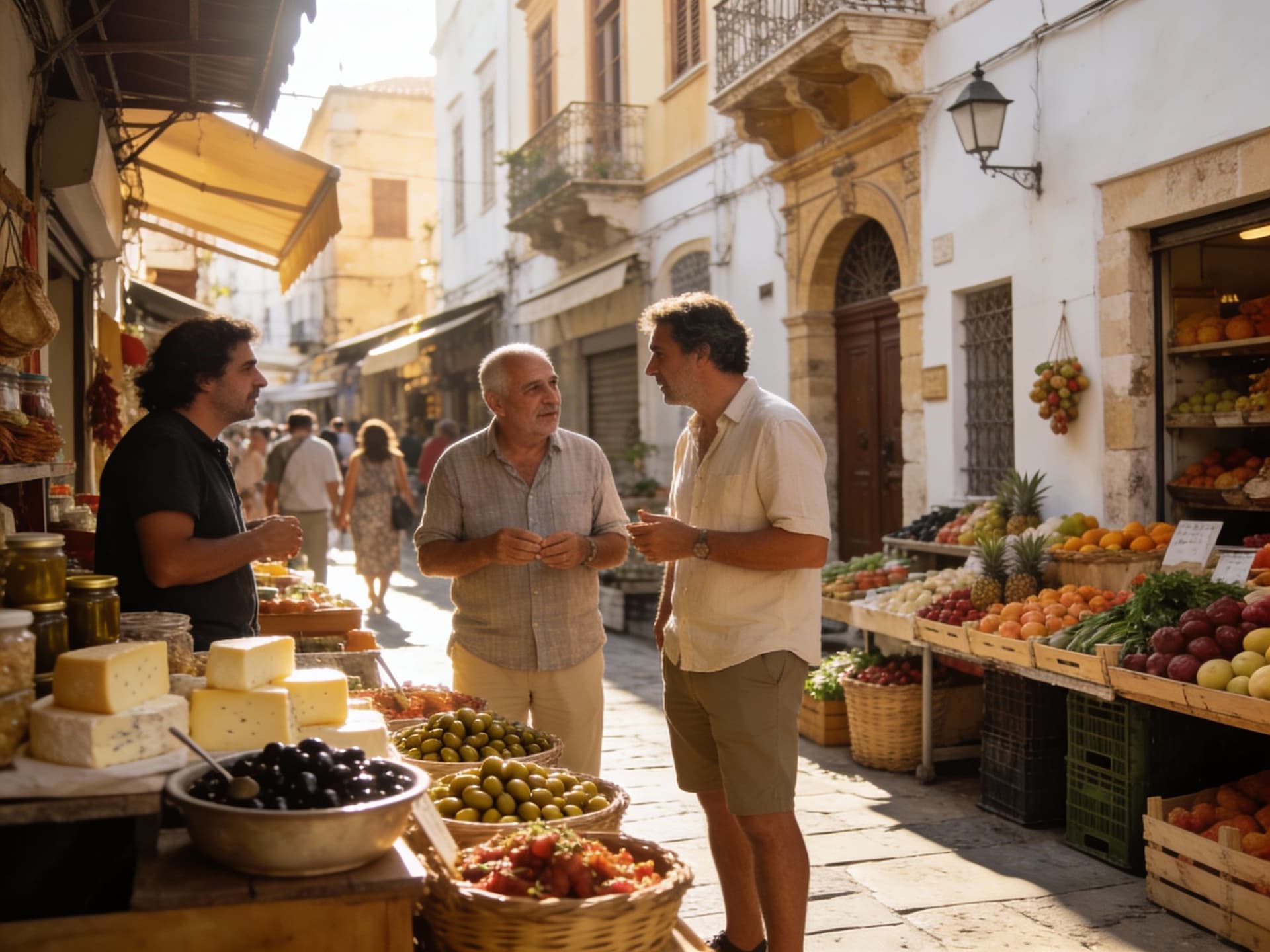
Imagine waking up to the clatter of a morning market in Chania, taking an espresso on a sunlit terrace in Koukaki, or wandering a quiet lane below the whitewashed houses of Paros. Greece feels lived-in: coastal rhythms, late dinners that stretch into music, and neighbourhoods where a local café remembers your order. But behind that warm, sensory life is a market changing fast — higher prices in cities, island building booms, and a tighter pipeline of new homes. This guide pairs the lived experience with the data every international buyer needs to decide where to place their life and investment. (Source: Bank of Greece housing data).
Living the Greece lifestyle
Start with place: Athens hums between ancient stones and a coastline that feels like two cities in one. The Elginikon redevelopment and the Athens Riviera are reshaping coastal living and creating new neighbourhood tensions — higher-end projects and more visitors but also pressure on local infrastructure. For buyers, that means the life you want is available, but location choice will determine whether you get beach mornings or inner-city rhythm (FT coverage).
Athenian neighbourhoods and the island contrast
Picture Koukaki’s alleyways — small tavernas, ceramics shops and locals walking dogs — versus Glyfada’s marina-side restaurants and yacht moorings. Thessaloniki blends university energy with seafood neighbourhoods in Ano Poli. On the islands, Paros and Naxos feel agricultural and village-based; Mykonos and Santorini are condensed tourism economies. Your daily life — grocery runs, school choice, doctor visits — will differ sharply between these places, and so will the property types developers prioritise.
Food, markets and seasonal rhythms
Weekends are market time: fishmongers in Piraeus, vegetables piled high in central Athens, and island farmers’ stalls selling cheeses and honey. Summers bring outdoor dining and late-night social life; winters are quieter and reveal the true, year-round community. If you prioritise food culture and social scene, neighbourhoods with weekly markets and year-round restaurants are worth a premium; if solitude matters, inland villages or smaller islands will offer better value.
- Athens Riviera cafes (Glyfada, Voula), Koukaki espresso bars (e.g., Taf), Chania market morning, Paros village tavernas (Naoussa lanes), Thessaloniki waterfront fish taverns
Making the move: market realities meet lifestyle
Here’s the practical flip side: prices rose notably in recent years — new-builds led gains — while supply has been inconsistent across regions. National reports show double-digit annual growth in pockets (Thessaloniki and parts of Attica) and continued appetite for newly built apartments. That demand-outpacing-supply dynamic pushes developers to prioritise prime coastal and suburban projects, narrowing affordable options for lifestyle buyers. (Sources: GreekReporter, MIBS Group).
Property styles and what they mean for daily life
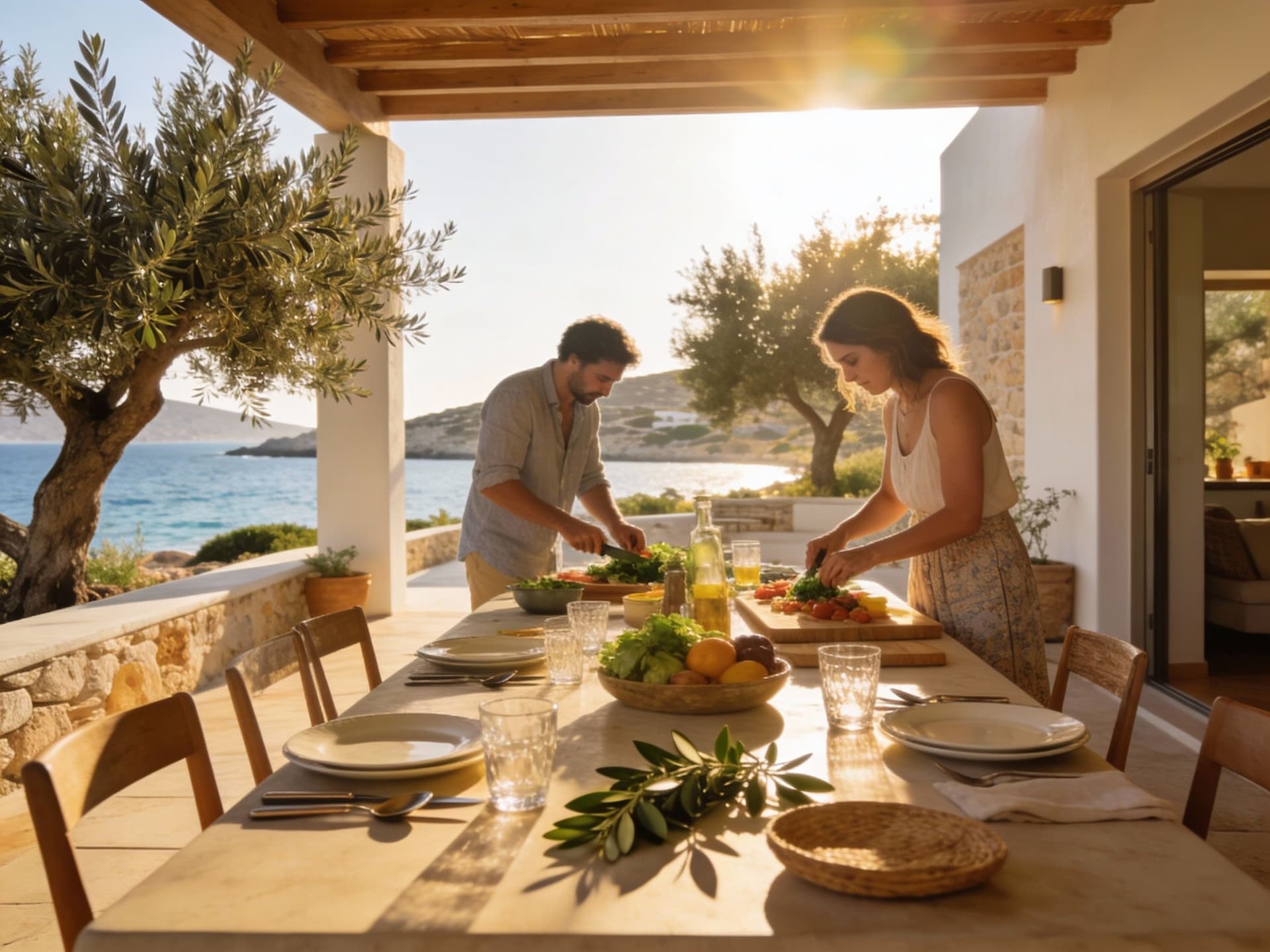
New-build apartments in Athens tend to offer modern systems, balconies and better insulation — practical for urban life and rental. Island houses often trade modern conveniences for character: stone walls, narrow staircases and outdoor terraces that define summer living. Consider maintenance, winter heating, and access when picking a product. A terrace in Mykonos is luxury; the same terrace in Paros is daily life.
Working with local experts who know the pipeline
Local agents and developers in Greece have deep informal networks: which building plots are approved, which municipalities issue permits reliably, and which projects face zoning delays. Use agencies that can show the pipeline — permitted projects, soon-to-launch sales, and completion timelines — not just current listings. That clarity helps align your lifestyle timing (move-in dates, rental seasonality) with the developer’s schedule.
- Ask for (1) a project schedule with milestones; (2) proof of permits and utility capacity; (3) recent comparable sales in the same block; (4) a maintenance and management plan for communal areas; (5) an exit scenario if you plan to resell or rent seasonally.
Insider knowledge: what expats wish they'd known
Real buyers tell a consistent story: Greece rewards patience. Permit baths and sudden local booms can change neighbourhood character in years, and islands can swing from quiet to busy as new developments come online. Construction permit data shows regions of intense recent activity (Crete, Ionian islands) — great for choice, but expect staged infrastructure upgrades and community debate as projects complete (reporting on building permits).
Cultural and seasonal realities
Many expats underestimate seasonal population swings: islands can feel deserted in winter and overcrowded in July. That affects services (medical, schools, shops) and short-term rental potential. Learning a few Greek phrases, joining local associations, and spending winters in your target area before buying will reveal whether the community fits your long-term life plans.
Long-term lifestyle and market considerations
Think five to ten years ahead: will the neighbourhood add year-round services? Is the developer reputable with completed projects? Are transport links improving (e.g., regional airports, new roads)? These questions affect resale and daily living. Greece’s market is maturing; the best lifestyle choices blend local authenticity with pragmatic checks on pipeline and infrastructure.
- Spend a winter in your chosen area; visit the municipal planning office; verify water and sewage capacity for islands; check recent permit volumes in the municipality; ask neighbours about previous developments
If you want to live by the sea, prioritise island towns with year-round residents and reliable ferry or flight links. If you favour urban life and culture, central Athens and Thessaloniki neighbourhoods with strong rental demand offer a different, busier rhythm. Match the property product to how you plan to use it: seasonal escape, full-time home, or an income-generating asset.
- Steps to move from dream to contract: (1) spend 7–14 days living in the area across seasons; (2) commission an independent survey and title check; (3) request developer permit and utility documentation; (4) agree a phased payment tied to construction milestones; (5) plan property management before arrival.
Conclusion: Greece offers a rare combination — a sensory, communal lifestyle and a market in transition. The lifestyle is immediate: markets, sea, neighbourhood rituals. The market side requires work: read permit data, vet pipelines, and use agencies that translate lifestyle desires into verified project facts. Do that and you’ll have both the life you imagined and the data that keeps it secure.
BlueprinteraBritish investor turned advisor after buying in Costa del Sol since 2012. Specializes in cross-border compliance and data-driven investment strategies for UK buyers.
Related Articles
More insights that might interest you
 Villa Curated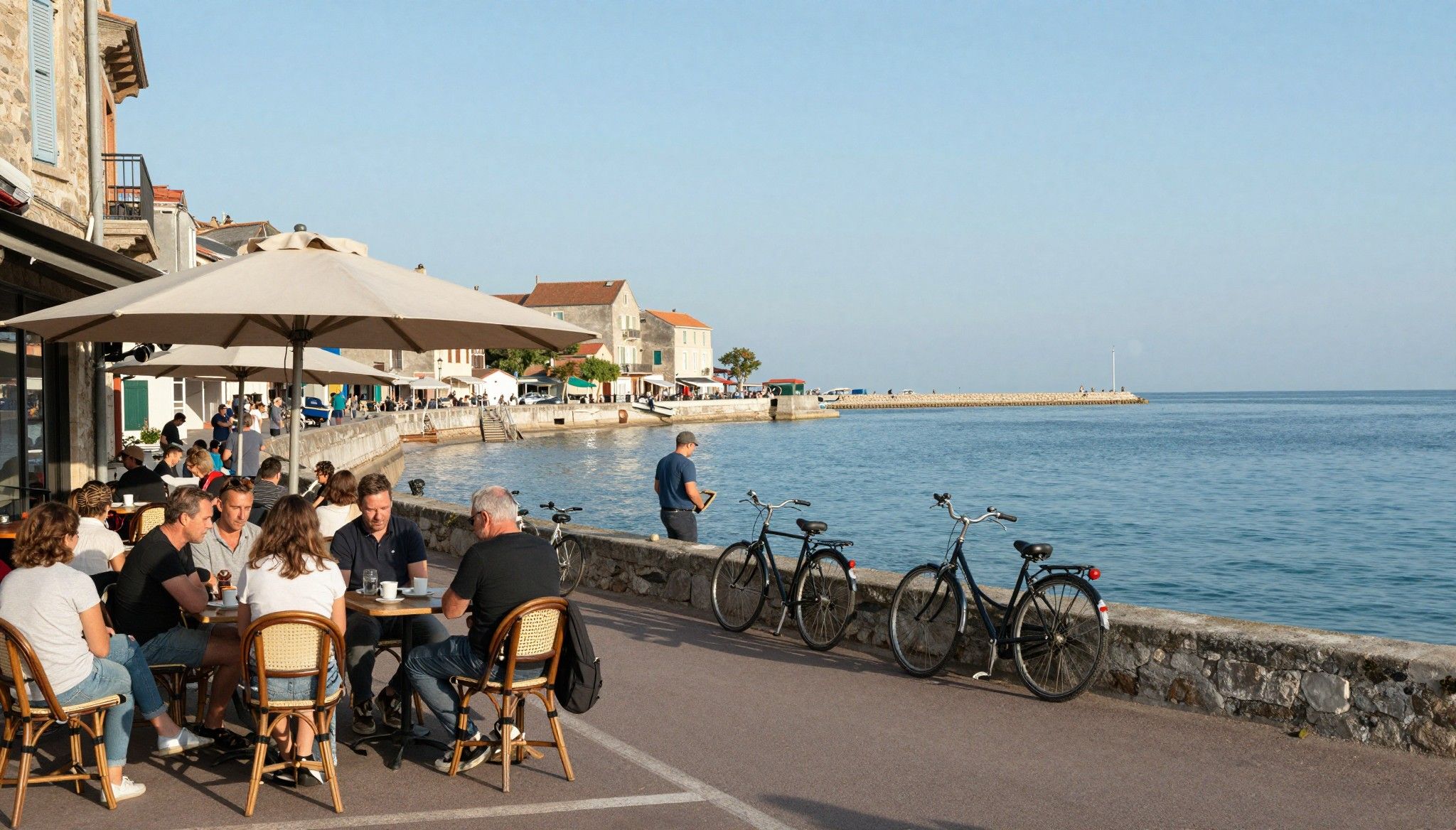
 The Yieldist
 The Yieldist

