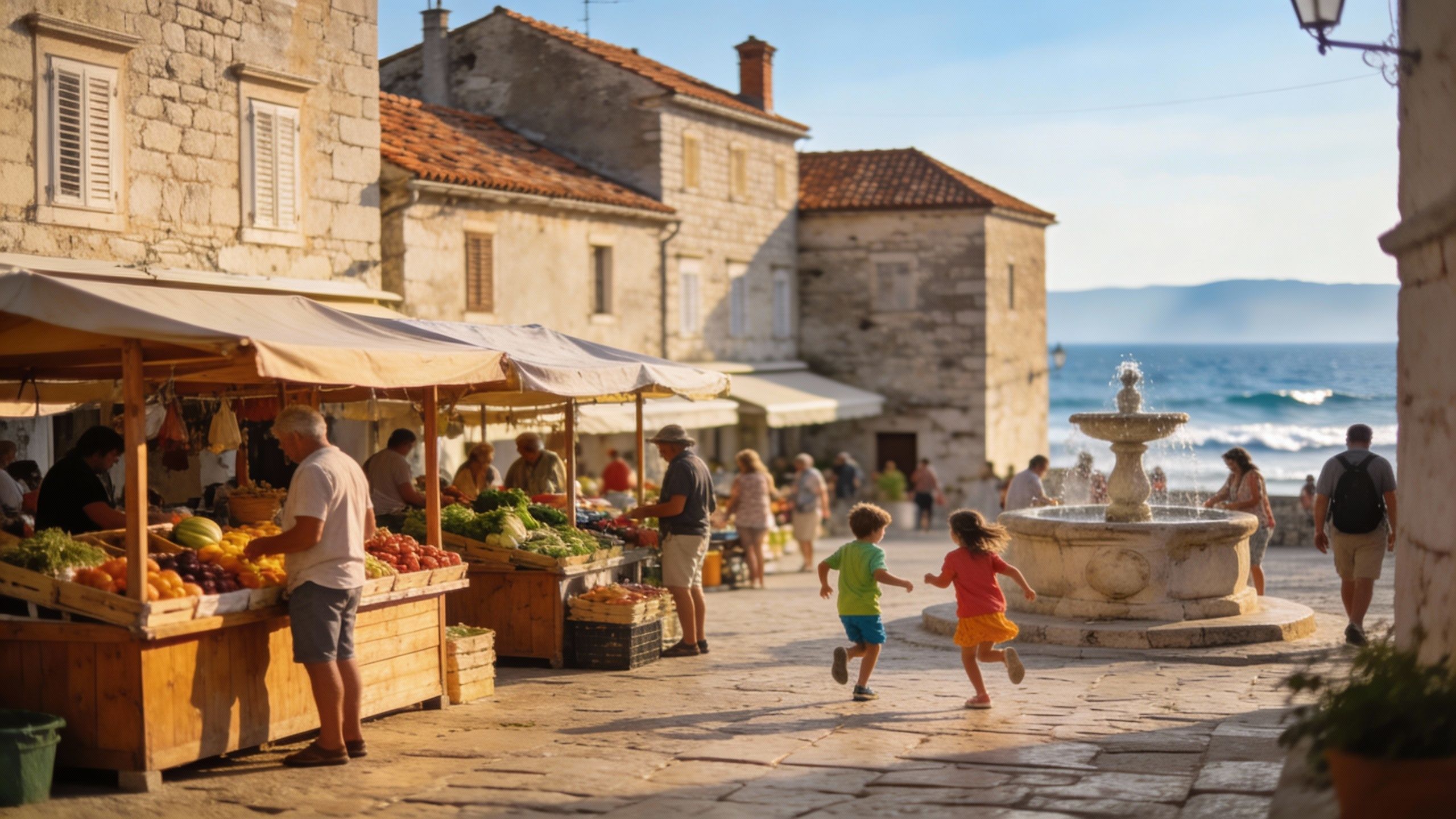
Croatia’s Price Rhythms: Coast, City & Quiet Country
Croatia’s coastal charm masks sharp price variation: coastal HPI surged while inland bargains widen — visit both seasons, check short‑let rules, and prioritise local comparables.
 Blueprintera
Imagine sipping espresso at a café on Split’s Riva as fishermen mend nets nearby and a renovated stone house two streets back lists for under €3,500/m² — that contrast is Croatia. It’s a place where Adriatic light, medieval lanes and a surprisingly modern property market collide. For buyers dreaming of life here, understanding how local rhythms (tourist season, festivals, short‑let rules) push prices is as important as loving the view.
Living the Croatian lifestyle
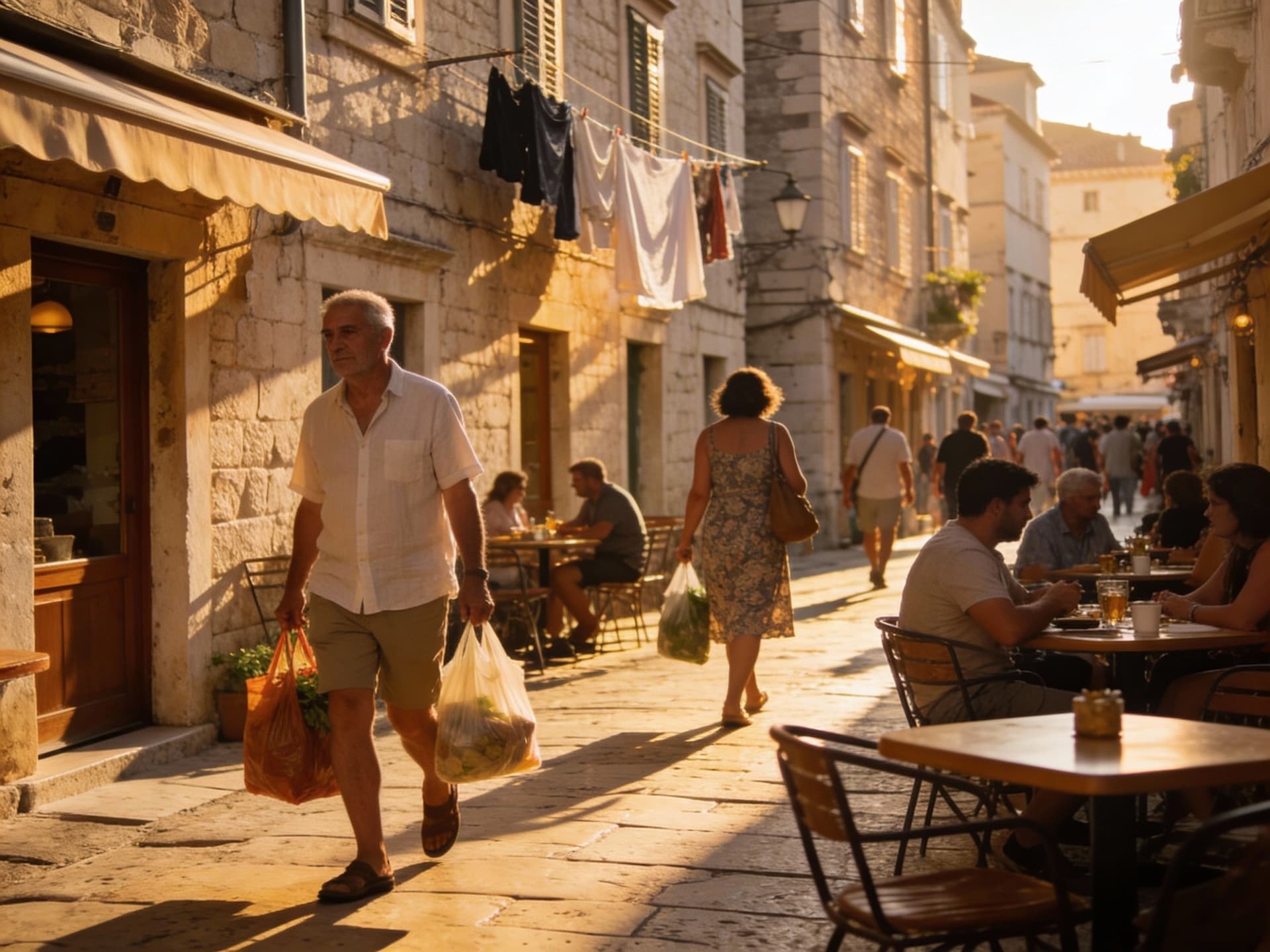
Daily life in Croatia balances slow, human-scale routines with sharp seasonal swings. In coastal towns like Dubrovnik, Rovinj or Hvar mornings begin with markets (fresh sardines, figs, paški sir) and end with neighbourhood konobas filling with regulars. Inland, Zagreb hums with café culture and year-round services; Istria blends Italianate cuisine with vineyard weekends. These patterns shape where locals buy, rent and renovate — and where prices follow lifestyle demand.
Coastal towns: pockets of intense seasonality
Walk the Stradun in Dubrovnik at dawn and you’ll feel why waterfront historic cores command premiums — but the same towns empty in winter. That seasonality inflates asking prices during spring and summer, while off-season viewings often reveal negotiable sellers or overlooked parcels just off the main promenade.
Urban Croatia: Zagreb and emerging regional centres
Zagreb offers a steadier rhythm: year‑round demand from local buyers and professionals keeps turnover predictable. New-build apartment prices in Zagreb differ from coastal averages and tend to show smaller seasonal swings, making the city appealing to buyers seeking rental stability or a full-time move.
- Lifestyle highlights: morning markets in Dolac (Zagreb); espresso on Split’s Riva; wine tasting in Motovun (Istria); island-hopping from Hvar and Vis; konoba dinners in Šibenik; late-afternoon swims at Zlatni Rat (Brač).
Making the move: practical considerations that match lifestyle
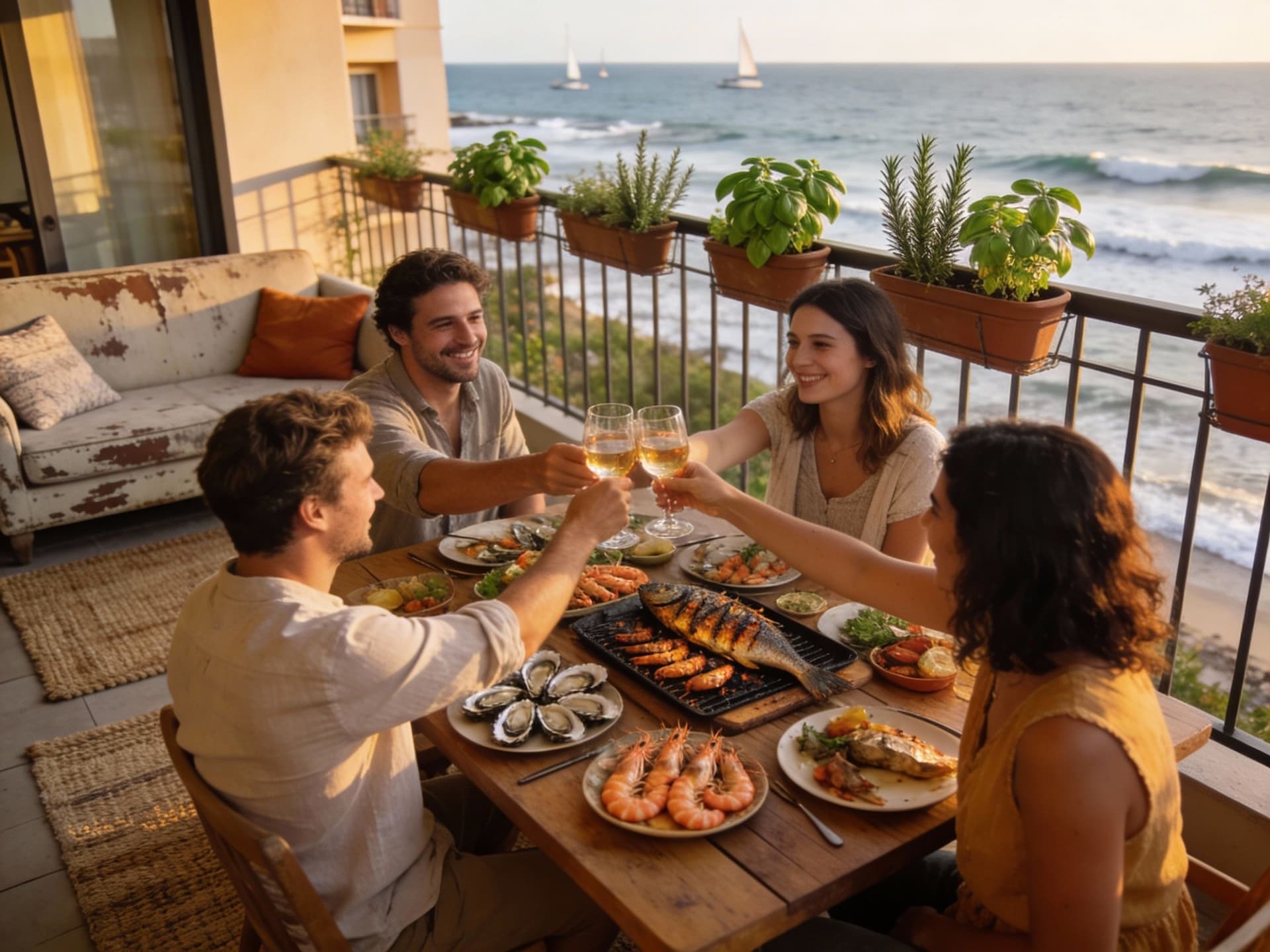
Love the lifestyle? Good — now pair it with facts. Croatia’s house price index and national reports show rapid growth in recent years, with coastal counties and major cities leading. That means timing, property type and local regulations (especially new short‑let rules and property tax changes) materially affect value and rental potential.
Property styles and how they shape daily life
Stone townhouses deliver character and centrality but often require renovation and seismic/insulation upgrades. New-build apartments offer warranties and modern amenities but may sit outside historic cores. A coastal terrace suits a social summer life; double-glazed, insulated flats are better for full‑time year-round living.
Work with local experts who know the rhythm
- 1. Choose agents with local neighbourhood track records—ask for recent comparable sales, not just listings. 2. Insist on seeing seasonal occupancy data for coastal properties (short‑let volumes by month). 3. Get a structural and energy‑efficiency inspection—stone houses often hide damp or electrical work. 4. Verify intended use against municipal short‑let regulations; rules tightened nationally in 2024–2025.
Insider knowledge: what expats wish they'd known
Here’s real talk from buyers on the ground: coastal returns are powerful but tied to tourism policy; inland bargains exist but expect slower resale. Policy signals in 2024–2025 — including tighter short‑let rules and moves toward property taxation — were designed to cool speculation and encourage long‑term rentals. That matters for investors and lifestyle buyers differently.
Cultural integration and daily social life
Learning a few Croatian phrases, joining a local klapa (singing) night, or shopping weekly at local markets accelerates belonging. Neighbourhoods revolve around small rituals: morning coffee at the same bar, market banter, and seasonal festivals. Those rituals often determine which streets keep their value, because engaged communities maintain fabric and demand.
Long-term lifestyle + market considerations
Expect continued medium-term price growth driven by limited coastal supply and rising construction costs. Bank for International Settlements‑derived indices show Croatia’s HPI near historic highs in 2025, signalling that careful due diligence and realistic yield expectations are essential for buyers planning rentals or resale.
- Red flags to watch: unclear short‑let licensing; properties with unresolved heritage restrictions; utilities and road access on small islands; seller reliance on summer occupancy for mortgage servicing; recent large asking‑price jumps in inland counties that may reflect low baselines rather than sustainable demand.
- 1. Visit in both high and low season to sense real occupancy and services. 2. Ask agents for three closed sales in the past 12 months in the same block/neighbourhood. 3. Factor 5–8% for renovation and upgrade costs on older stone properties. 4. Build conservatively for rental income — tourists are seasonal and regulations are tightening.
Picture life after the move: market mornings at Dolac market, weekends tasting malvazija in Istria, island swims before work, and neighbours who become friends. Those everyday scenes are why buyers choose Croatia. But marrying that dream to market reality — visiting outside high season, verifying regulation compliance, and using local advisors — turns longing into a sustainable purchase.
BlueprinteraDanish relocation specialist who has lived in Barcelona since 2016. Helps families move abroad with onboarding, schooling, and local services.
Related Articles
More insights that might interest you
 Villa Curated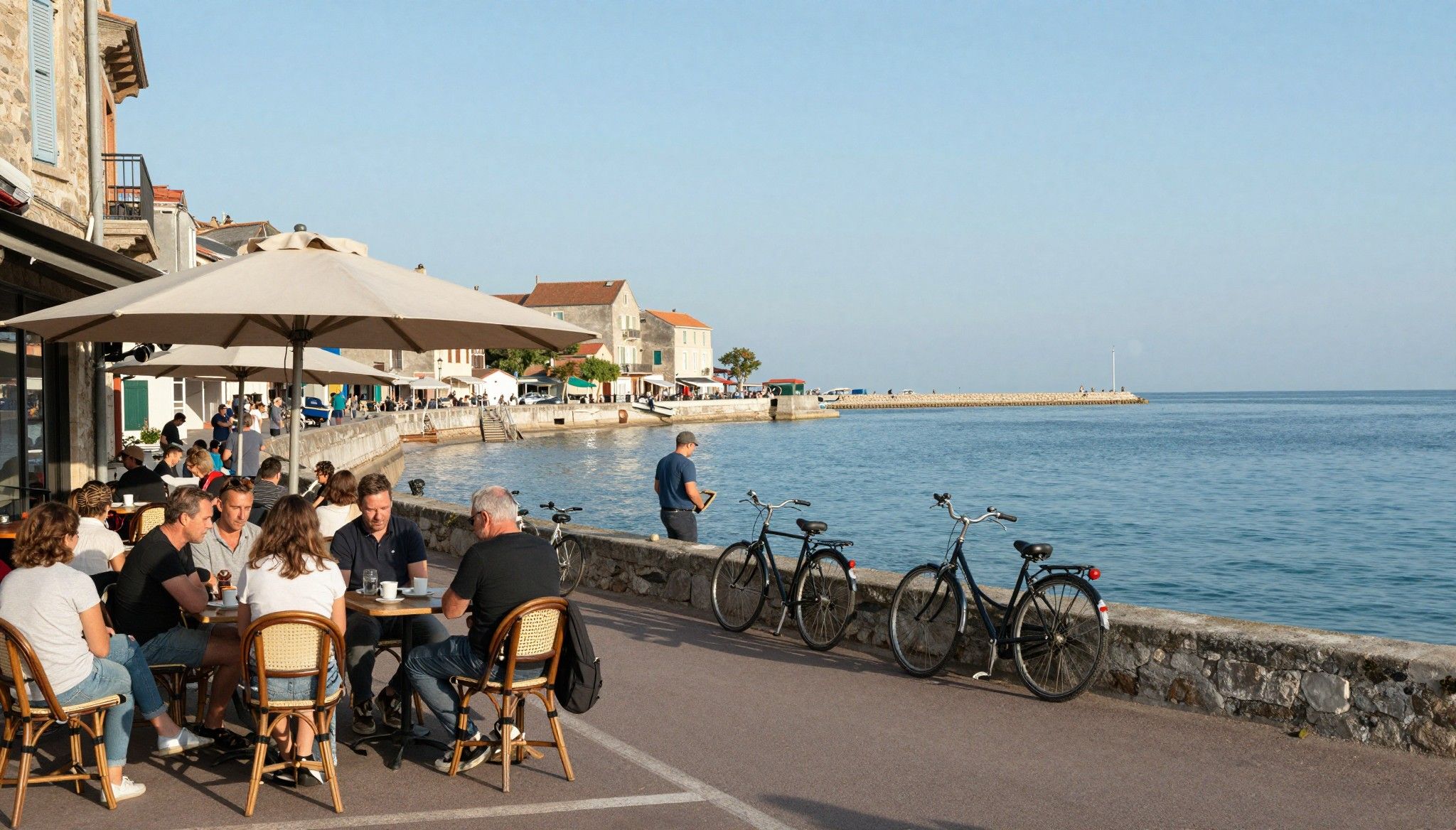
 The Yieldist
 The Yieldist

