
Cyprus: Neighbourhoods Where Lifestyle Hides True Yields
Cyprus blends sunlit lifestyle with divergent district-level returns; use district HPIs and local rental comps to match property type to reliable net yields.
 The Yieldist
Imagine sipping espresso at a shaded table on Ledra Street, then stepping 10 minutes to a compact apartment that rented easily last summer. Cyprus feels like that: a small country where neighbourhood rhythms—coastal breakfasts in Limassol, market afternoons in Nicosia, village evenings in Paphos—translate directly into rental demand. But beneath the sunlit charm there are measurable signals: price growth slowing in some districts, accelerating in others. This piece marries the lived-in Cyprus with the hard numbers you need to weigh purchase decisions.
Living Cyprus: rhythms, tastes and neighbourhood character
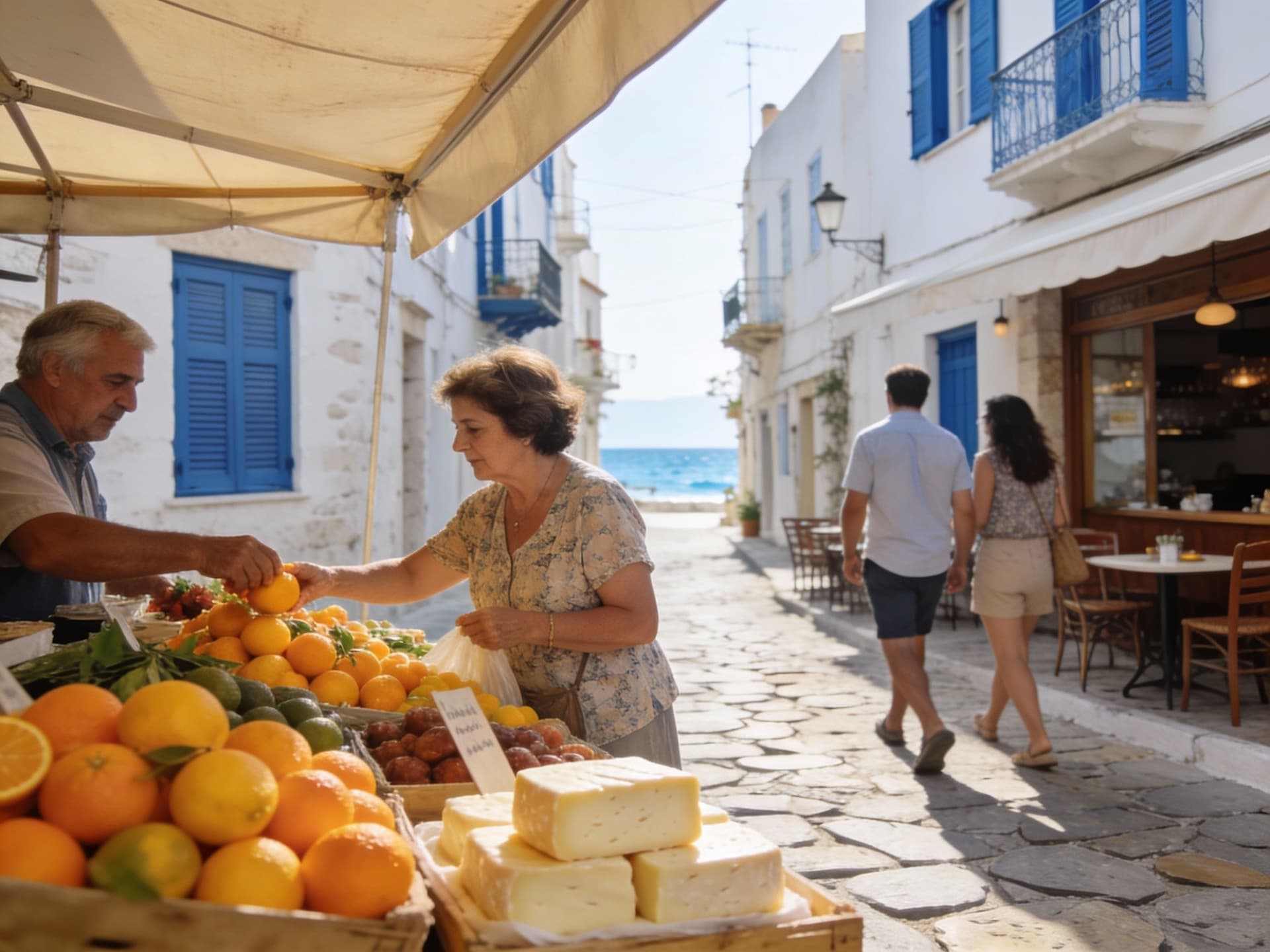
Life in Cyprus is sensory and seasonal. Mornings smell of toasted halloumi and strong coffee; afternoons pull locals to small beaches, and evenings gather people in tavernas under plane trees. The island’s size means a coastal weekend and a mountain hike can both be on your calendar; that variety is a core reason expatriates fall for the place. Understanding how neighbourhood personality maps to tenant demand is essential for investors who want reliable rental income, not just weekend happiness.
Limassol: cosmopolitan coastlines and professional renters
Limassol mixes marina-style development with older seaside streets; its apartment market attracts professionals working in shipping, tourism and the growing services sector. Rents here skew higher than the island average, especially for modern one- and two-bedroom apartments near the seafront and Germasogeia. For investors this means steadier short-term returns but also higher entry prices; margin comes from careful selection of building age and proximity to transport links.
Nicosia & Larnaca: weekday life and steady tenants
Nicosia’s administrative core and Larnaca’s growing airport corridor deliver long-term, weekday rental demand—think civil servants, teachers and remote-workers who want convenience over coastline. Both cities feature pockets where older apartments are affordable and yield-friendly if renovated for medium-term leases. These markets rarely glitter but they supply the rental backbone that stabilises a Cyprus portfolio across seasons.
Paphos & Famagusta: seasonal swings and high-capacity holiday lets
Paphos and parts of Famagusta (Ayia Napa & Protaras) show stronger year-on-year apartment price rises and heavier seasonal rental cycles. That can mean exceptional summer cashflows but larger vacancy risk off-season and higher management intensity. As the Statistical Service shows, district-level performance diverges—Paphos recorded notable increases while other districts cooled—so micro-location matters more here than in larger cities.
Making the move: property types, yields and practical trade-offs

Translating lifestyle into returns requires understanding property type and timing. The Central Bank’s indices show overall price increases have slowed and that apartments and houses diverge by district and quarter. For investors this means cap-rate assumptions must be granular—don’t apply a single island-wide yield to every purchase. Instead, match property type and neighbourhood micro-economy to expected tenant profiles and seasonal dynamics.
Which property styles produce the most reliable net yields?
Renovated one-bedroom apartments in Nicosia and Larnaca often offer the most predictable net yields because of steady year-round demand and lower operating costs. In contrast, coastal two-bedroom apartments in Limassol or villa rentals in Paphos can produce higher gross yields in summer but require active management and provision for higher utilities, maintenance and seasonal vacancy. Factor in realistic vacancy assumptions (10–25% for holiday markets, 3–8% for city tenants) when modelling returns.
How local experts turn lifestyle briefs into yield outcomes
A local agent who knows where the cafes fill on weekdays and which streets empty after October will save you more than a glossy brochure. They source comparables, advise on realistic rent, and connect you to experienced property managers who preserve occupancy. For investors focused on returns, a short-list of agents who provide transaction-level rental comparables and audited operating-cost estimates is indispensable.
Practical checklist for matching lifestyle to yields:
Choose city apartments for stable year-round tenants; expect lower gross yields but steadier cashflow.
Choose coastal holiday-focused units only if you budget for 15–25% vacancy, professional management, and seasonal cleaning.
Insist on district comparables and three-year rental histories from agents before agreeing a purchase price.
Stress-test returns using conservative rent growth (0–2% real) and scenario-based occupancy assumptions.
Insider knowledge: mistakes expats make and the data that prevents them
Expats commonly overpay for ‘sea‑view’ premiums without quantifying the rental uplift outside high season. Another frequent error is assuming island-wide price momentum; in reality, district indices fluctuate and can decelerate quickly. The Statistical Service and Central Bank releases show divergence across districts—use them to challenge blanket claims from sellers and agents.
Cultural and seasonal realities that affect returns
Understand that Cyprus’s tourism calendar concentrates demand from May–October; winter months shift the renter profile to long-term locals and digital nomads. Festivals, university terms and flight schedules (not just sea views) drive short-term spikes. Use official quarterly indices and local booking-data excerpts to build a season-by-season revenue model rather than relying on anecdote.
Longer-term view: what to expect over a 5–10 year horizon
Expect modest nominal price appreciation in stable districts and larger dispersion in coastal holiday zones. Central Bank analysis suggests periods of deceleration as supply normalises and interest-rate sensitivity returns; investors should prioritise yield certainty and cashflow buffers. A balanced Cyprus portfolio mixes city flats (stability) with a controlled allocation to seasonal stock (upside but higher operational risk).
Step-by-step decision checklist before offering:
Request district-level rent and price indices (three-year series) and compare to national HPI releases.
Calculate net yield with conservative vacancy and explicit operating costs rather than headline rents.
Confirm property management and maintenance quotes and factor them into year-one cashflows.
Run a stress scenario: 20% lower summer occupancy, 5% lower rents, and a 12–18 month exit window.
Conclusion: fall in love, but underwrite with data. Cyprus offers a rare combination of compact geography and diverse lifestyles that can be packaged into a resilient income-producing portfolio if you match neighbourhood economics to property type. Use district indices from the Statistical Service and Central Bank, insist on local rental comparables, and prioritise managers who report honest seasonal occupancy. If you want to explore specific neighbourhoods or run a tailored yield model, engage an agent who supplies transaction-level comps and audited operating-costs before you sign anything.
The YieldistDanish relocation specialist who moved to Cyprus in 2018, helping Nordic clients diversify with rental yields and residency considerations.
Related Articles
More insights that might interest you

 Villa Curated
 The Yieldist
 The Yieldist


