How Croatia’s Recent Rules Reprice Returns
Croatia’s coastal charm masks regulatory shifts — new municipal property taxes, transfer‑tax vs VAT dynamics, and short‑let registration rules that can reprice yields. Stress‑test at municipality level.
 The Yieldist
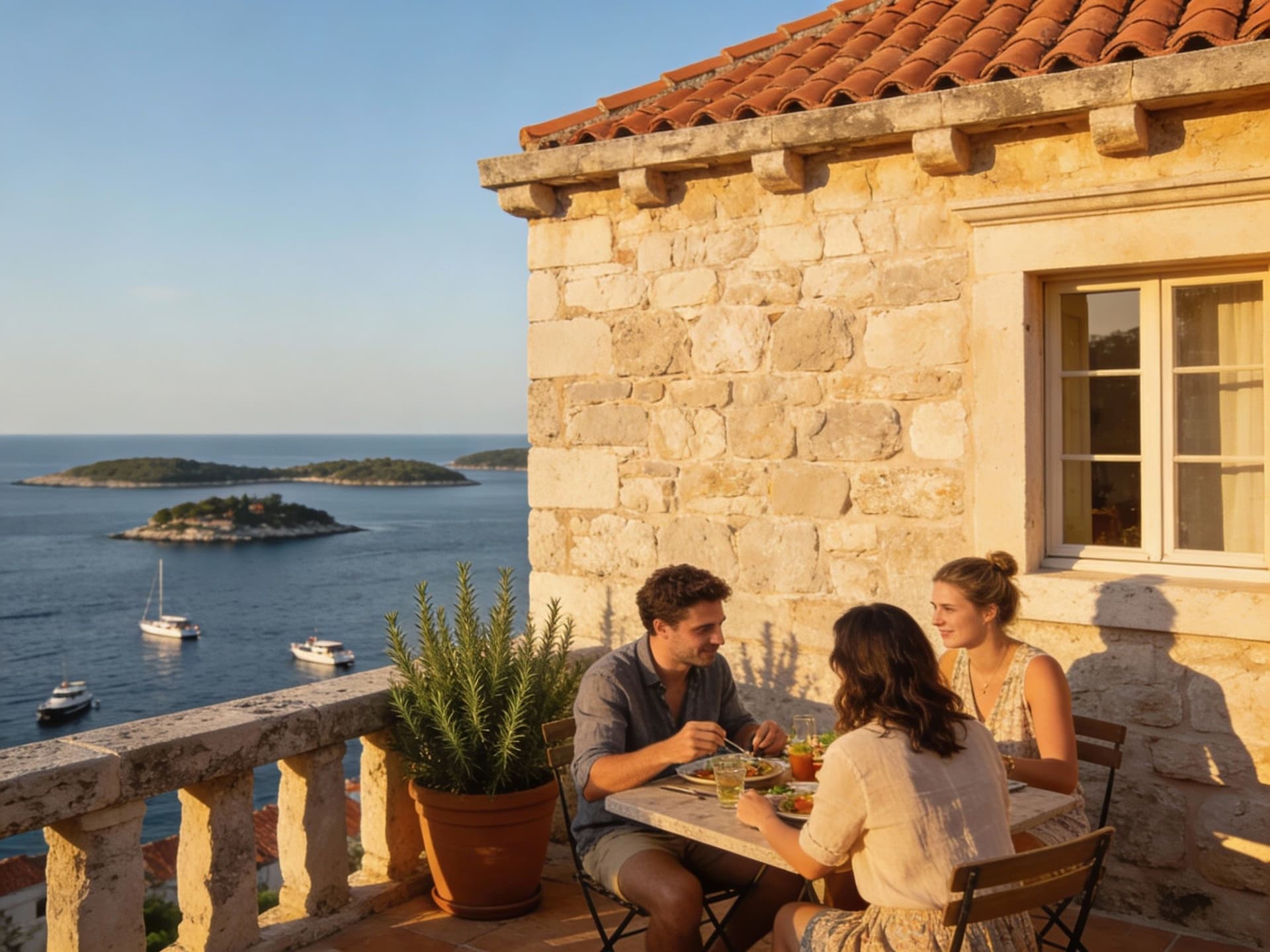
Imagine starting a morning in Zagreb’s Tkalčićeva — espresso steaming, tram bells, a baker unpacking fresh burek — then closing the day on a Dalmatian terrace where the Adriatic smells of rosemary and salt. That contrast — city rhythm and coastal slow-time — is Croatia’s real promise. For international buyers the question isn’t only where you want to live; it’s how recent regulatory shifts will affect rental returns, costs and long-term ownership. This piece pairs the lived clarity of Croatian days with the concrete regulatory changes that reprice returns and the practical steps investors should take next.
Living the Croatia lifestyle
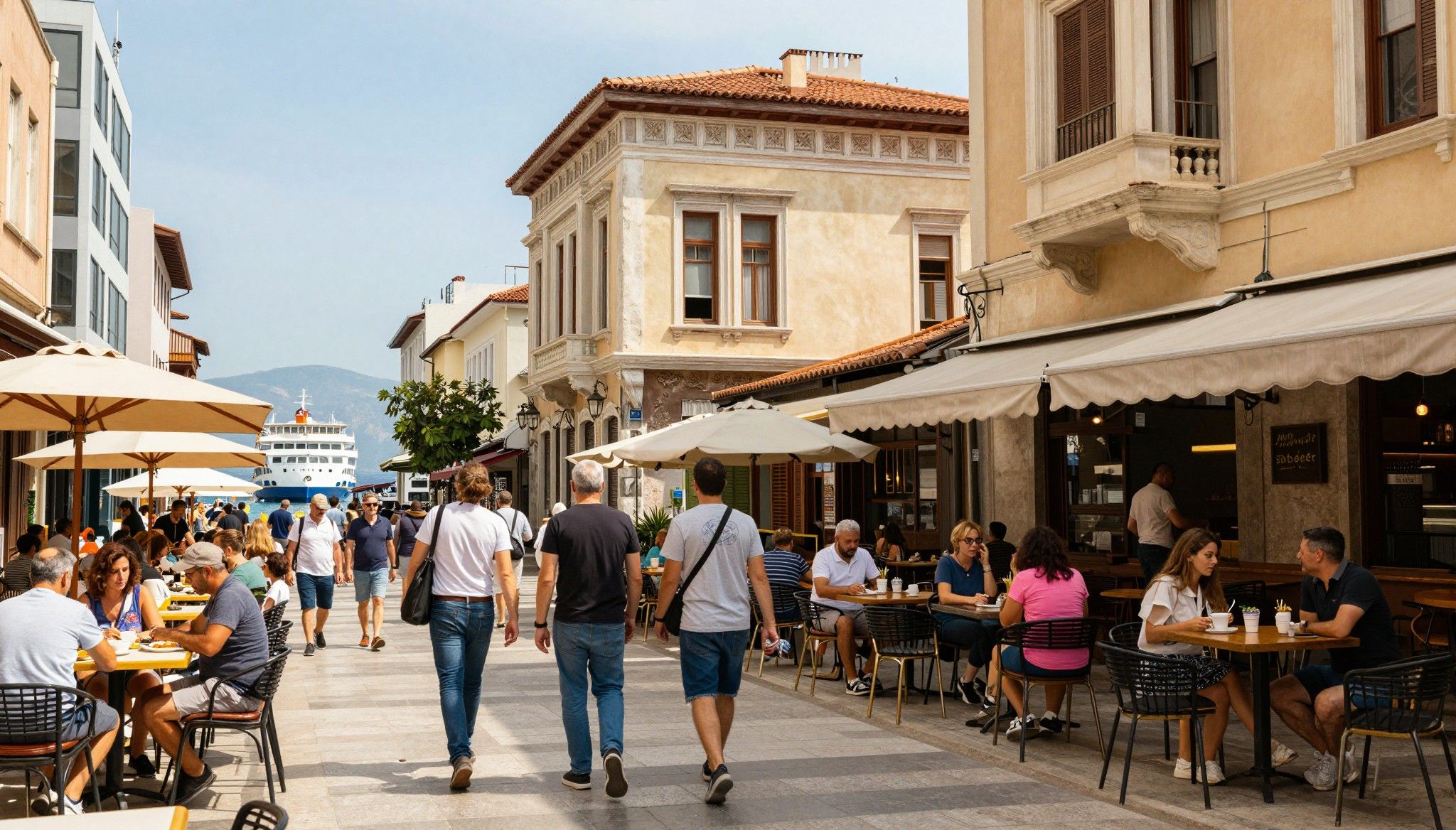
Croatia feels like two countries in one: inland towns (Zagreb, Varaždin) where markets and weekday routines rule, and the Adriatic coast (Split, Dubrovnik, Istria) where summers are a steady flow of terraces, ferries and late-night konobas. Streets are human scale; people shop daily at markets, neighbourhood cafes are social infrastructure, and islands like Brač and Hvar pulse with seasonal life. That reality shapes what tenants want — compact, well-connected flats in cities; terraces and sea views on the coast — and therefore the types of properties that generate predictable rental income.
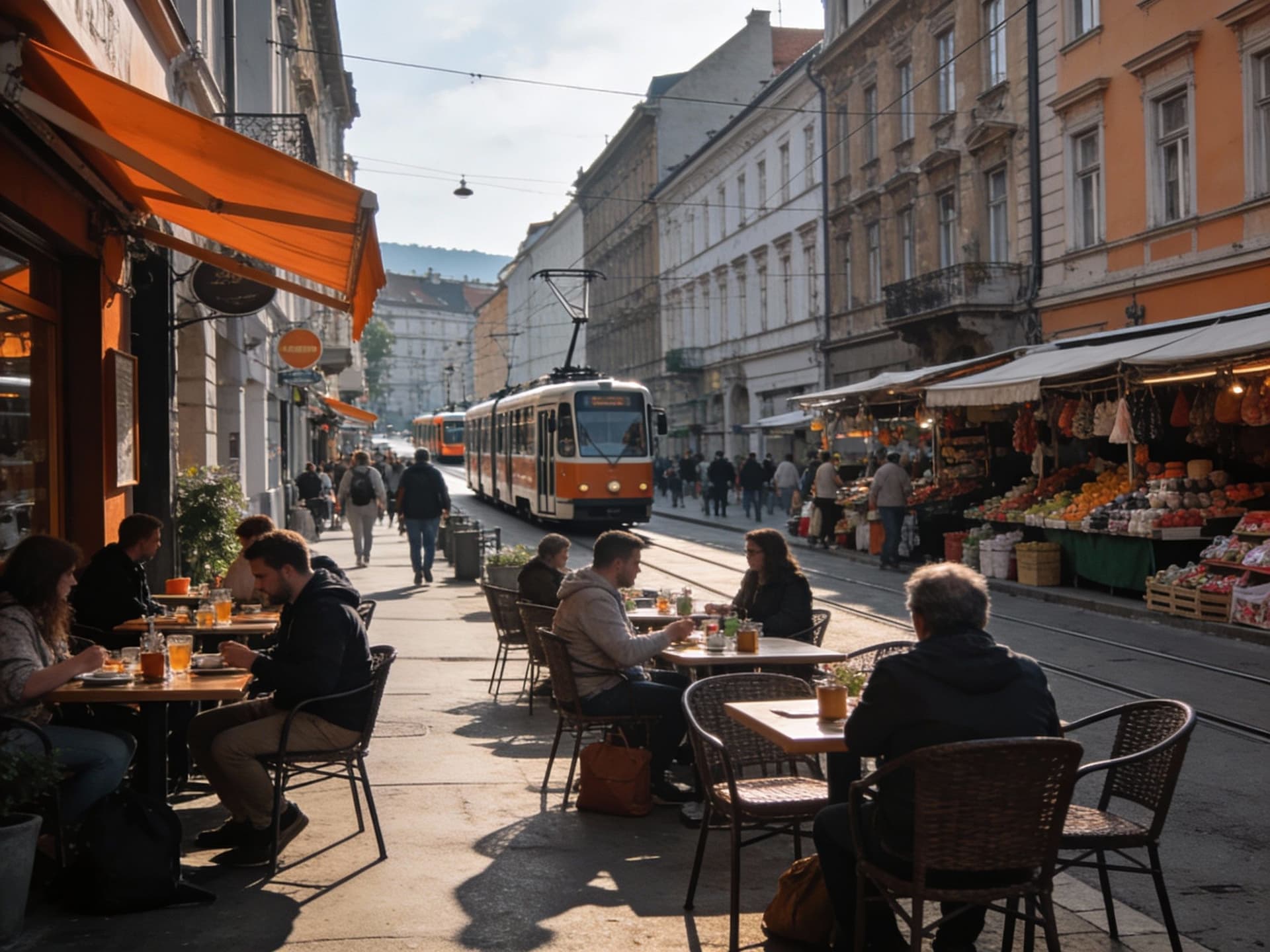
Zagreb’s neighbourhood rhythm: Tkalčićeva to Maksimir
In Zagreb, Tkalčićeva is the social spine for younger tenants and remote workers; lower-tier neighbourhoods like Trnje or Maksimir mix family housing with green space and deliver steadier long-term rentals. Apartments near Draškovićeva or around Britanski trg rent well to professionals who prioritise transport and year-round life over seasonal coastal premiums.
Coastal living: Split, Dubrovnik and Istrian subtleties
Split’s historic center (Veli Varoš, Diocletian’s walls fringe) commands high nightly rates but also carries seasonality and stricter conservation rules; nearby Meje and Marjan slopes attract tenants seeking quieter, year‑round life. In Istria, Rovinj and Pula offer hybrid demand from holiday makers and permanent expatriates; the inland hill towns (Motovun) appeal to buyers chasing agritourism-style stays and longer leases.
- Lifestyle highlights
- Morning espresso on Tkalčićeva, Zagreb — reliable foot traffic for neighbourhood leases
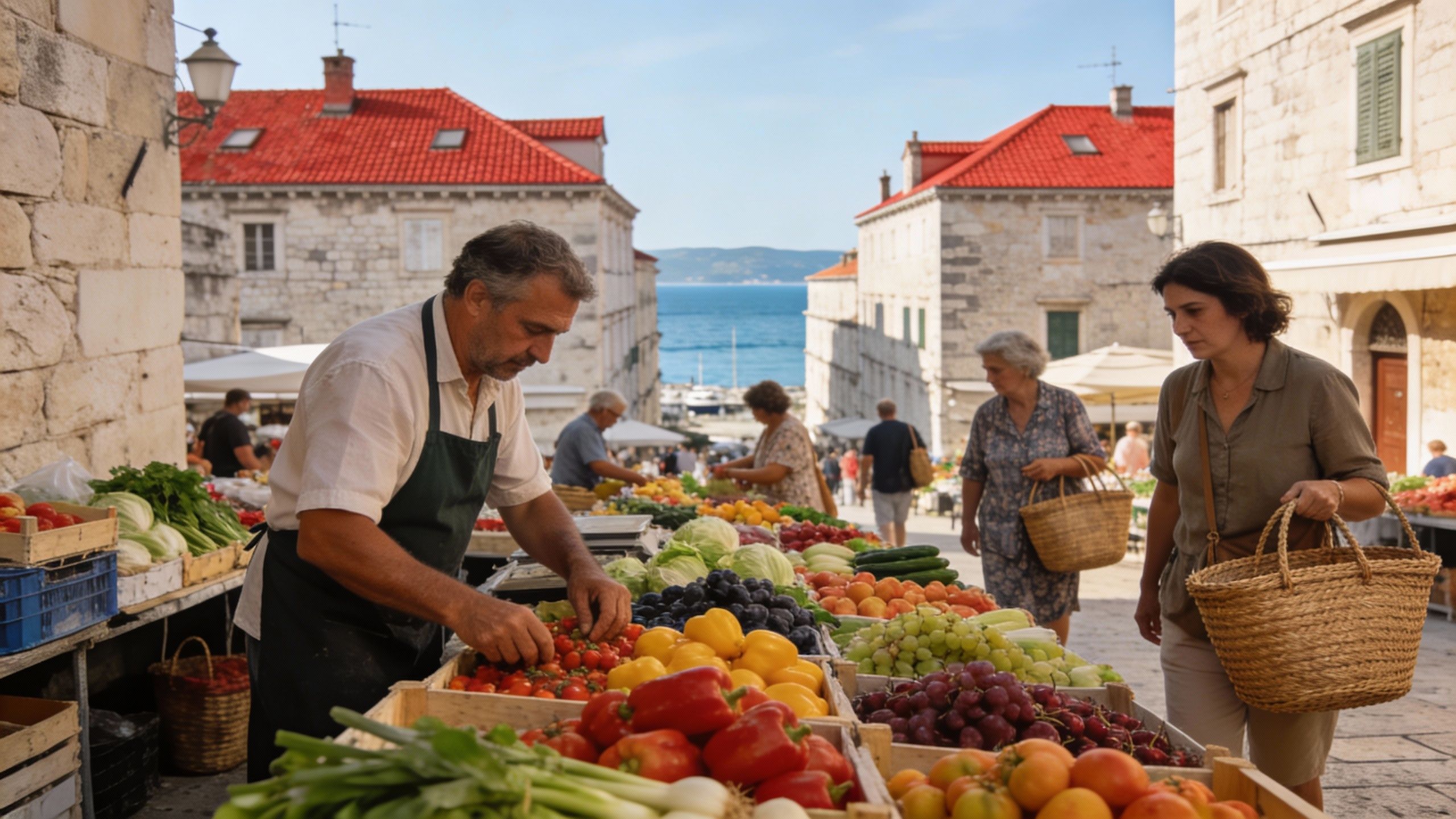
- Dolac Market produce runs and weekend rituals — convenience that tenant profiles value
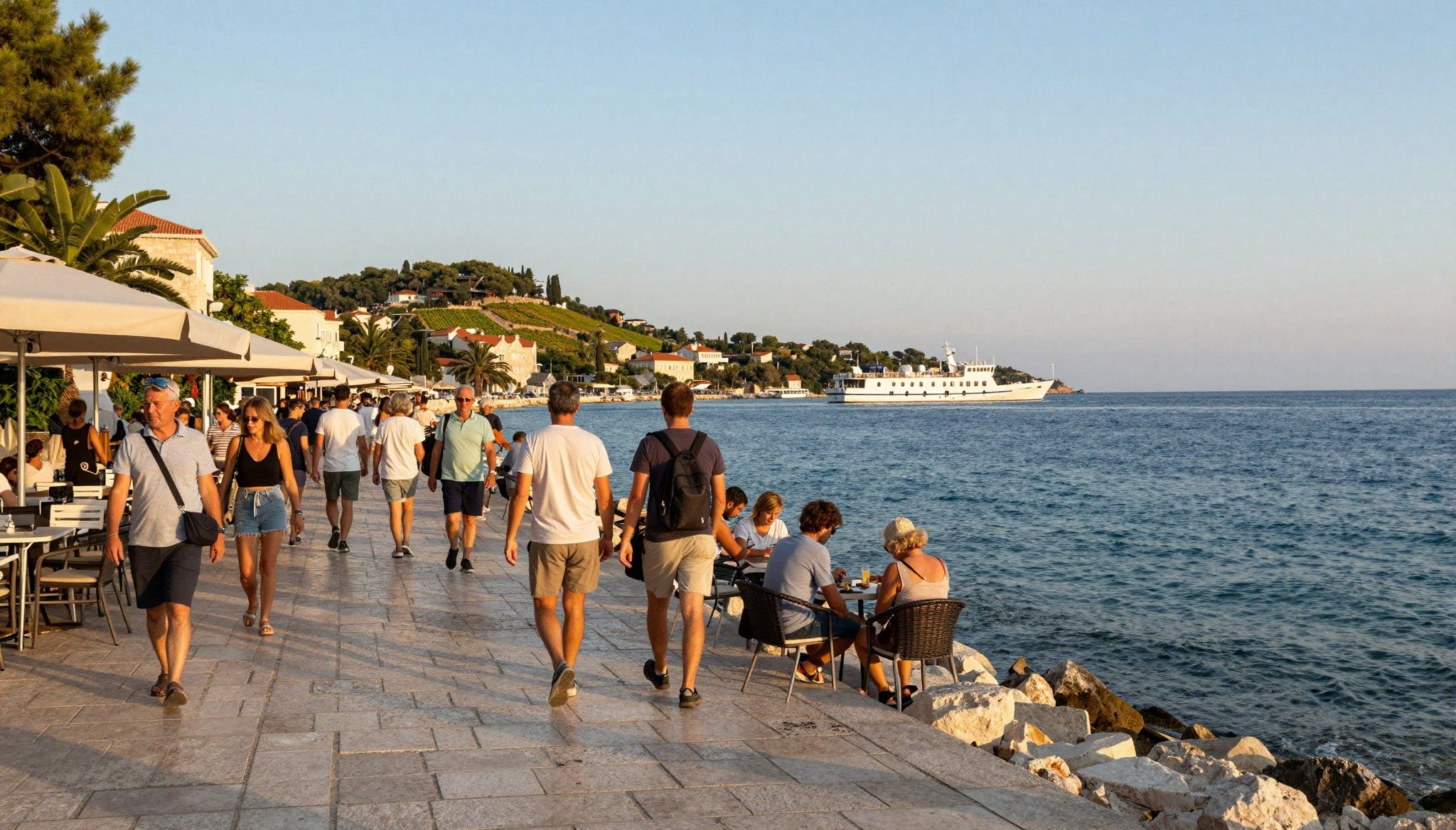
- Split’s Riva promenade and boat access — drives strong short‑let demand in summer
- Istrian food scene (truffles, family konobas) — supports agritourism stays and multi‑month bookings
Making the move: practical considerations (how regulations reprice returns)
Lifestyle sells the dream; regulation determines the math. Three recent, high‑impact changes buyers must model into their pro forma: the unified annual property tax framework introduced in 2025, the persistent 3% real estate transfer tax (or VAT alternative on new builds), and increasing regulation of short‑term rentals requiring registration and clearer enforcement. These rules change effective yields, operating cost forecasts and the attractiveness of short‑let strategies versus long‑term leases. Model scenarios with and without a municipality’s top property‑tax rate to see sensitivity.
Property taxation: what changed and why it matters
The real estate transfer tax remains at 3% for most secondary sales; new builds are usually sold with 25% VAT instead of transfer tax, which changes purchaser cash flow and after‑tax cost basis. From 2025 municipalities set annual property‑tax rates within a legal range, creating sub‑national variation from roughly €0.60 to €8.00 per usable square metre. For investors this means two properties with identical rents can produce materially different net yields depending on municipal choices.
Residency and tenant pool shifts: the digital‑nomad effect
Croatia’s digital nomad visa extensions have lengthened the potential stay of remote workers — expanding year‑round rental demand in cities like Zagreb and coastal towns beyond the summer. That can reduce seasonality for well‑located rental units but also increase competition for good city apartments. Factor a higher occupancy rate in urban units when targeting nomad tenants, and verify whether your property’s building rules allow medium‑term rentals.
- Practical checklist before committing (step-by-step)
- 1. Confirm municipality property‑tax rate and apply it to annual operating expenses (use worst‑case municipal rate to stress‑test yields).
- 2. Determine whether the seller will apply VAT (new build) or transfer tax (resale) and model both to understand upfront cash and long‑term depreciation basis.
- 3. Verify short‑let registration requirements and likely enforcement intensity in that municipality; if registration is required, include registration costs and potential delisting risk in returns.
Insider knowledge: expat realities and regulatory red flags
Regulation enforcement is local. Municipalities enforce building codes, local taxes and short‑let rules unevenly — and that patchwork creates opportunity and risk. Some coastal towns will prioritise tourist regulation; Zagreb focuses on long‑term housing balance. Before you buy, speak to local municipal offices or an attorney to confirm registration regimes and enforcement history. Evidence of a registration requirement becoming enforced typically appears in local council minutes or municipal tax notices.
Cultural and transaction nuances every buyer should know
Croatian transactions often involve legacy ownership structures in old coastal buildings, communal staircases, and shared use of terraces. Sellers may advertise sea‑view square metres that include communal areas. Insist on cadastral plot extracts (kopija iz zemljišnih knjiga) and precise floor plans. Work with an agent experienced in municipal permitting and conversion history — those details determine whether a loft can legally be rented year‑round or only seasonally.
- Red flags that reduce real returns
- No clear recorded ownership or multiple pending inheritances on title
- Building without occupancy permit (uporabna dozvola) or ambiguous historical conversions
- Municipality has announced higher property‑tax brackets or active clampdowns on unregistered short‑lets
- Evidence of unpaid communal fees or utility debts attached to the unit
If you spot any of the above, pause acquisition until a lawyer completes title searches and the vendor clears liens. It’s cheaper to delay than to carry a problem property for years.
- How local agencies protect the lifestyle you bought (ranking of services)
- 1. Title & encumbrance search — prevents inherited‑title surprises.
- 2. Municipal tax & permitting check — confirms whether the property can generate targeted rent patterns.
- 3. Short‑let registration assistance and local compliance monitoring — essential where tourist demand is high.
Conclusion: love the life — but stress‑test the ledger
Croatia sells a life: market mornings, Adriatic evenings and durable neighbourhood culture. Recent regulatory shifts — municipal property tax choices, the standing 3% transfer tax vs VAT on new builds, and stronger short‑let oversight — materially affect net yields and operating risk. Before buying, run municipality‑level tax scenarios, confirm short‑let registration rules, verify title and permits, and use an agency that combines lifestyle sourcing with forensic due diligence. Fall in love with the streets, but sign the purchase only after the numbers work both for your lifestyle and your spreadsheet.
The YieldistSwedish financier who guided 150+ families to Spanish title deeds since relocating from Stockholm in 2012, focusing on legal and tax implications.
Related Articles
More insights that might interest you
 Villa Curated
 Villa Curated
 The Yieldist


