
Cyprus Life—and the VAT vs Transfer‑Fee Playbook
Fall for Cyprus’s coffee-lined mornings and village festivals — then structure the purchase to exploit VAT vs transfer-fee dynamics and residency realities.
 Blueprintera
Imagine waking to a short walk down to Fig Tree Bay for an early swim, passing a bakery on Nissi Avenue for fresh halloumi pastries, and finishing the day with friends at a taverna in Limassol’s old port. Cyprus moves at a Mediterranean tempo — languid mornings, lively afternoons, and neighbourhoods that feel lived-in. For international buyers, that rhythm is part of the purchase: you’re not just buying a floorplan, you’re buying into a way of life that mixes beach time, village festivals and city convenience.
Living Cyprus: neighbourhoods, routines and real moments
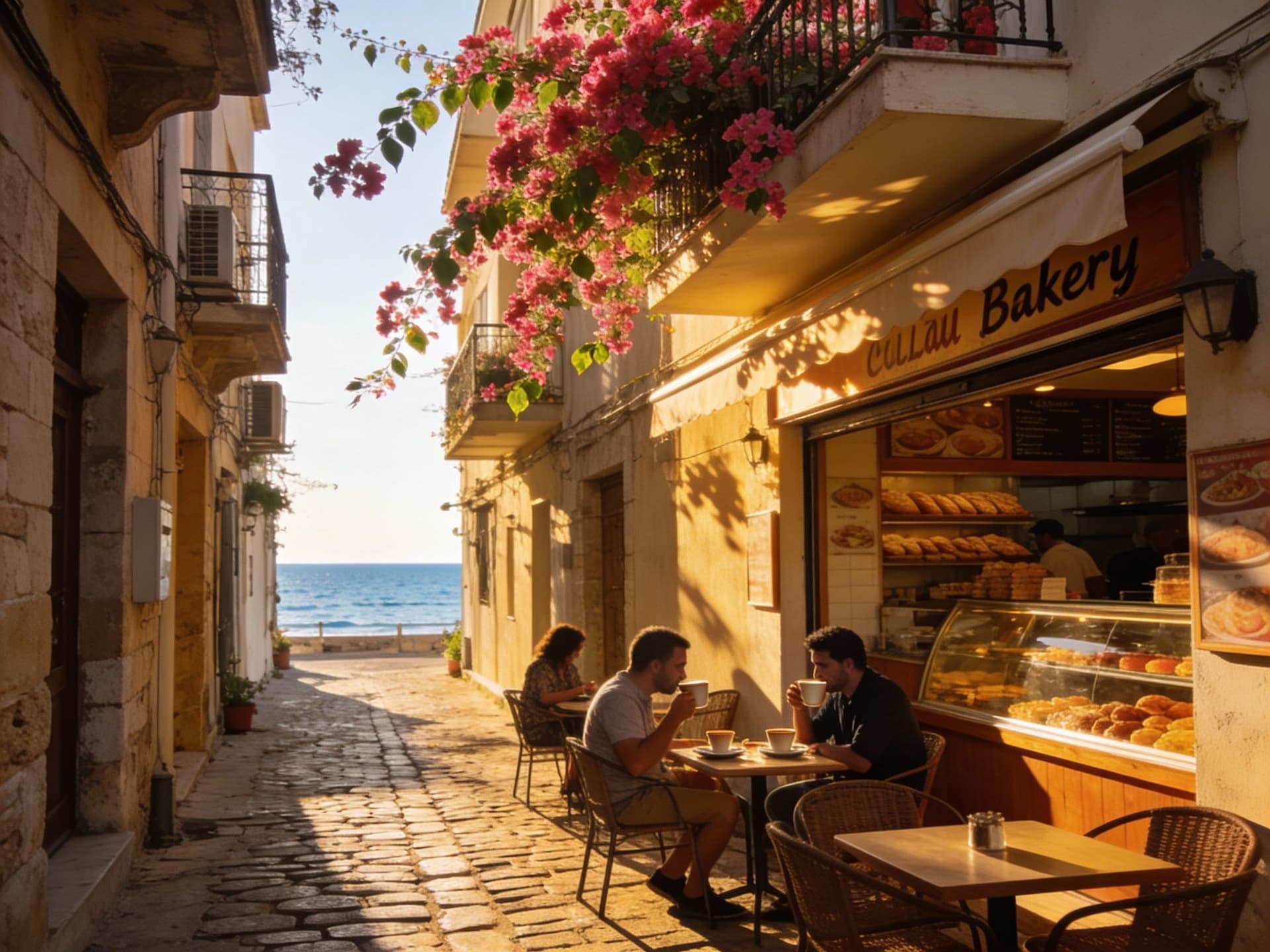
Cyprus offers tight contrasts in a small area: sun-drenched resorts, working towns and olive-scented mountain villages. Days begin with coffee culture — a frappe at a pavement table — and end with long dinners that can stretch well past 22:00. Language on the streets is Greek, but English is widely used in commerce and healthcare, making everyday life straightforward for many expats.
Limassol’s waterfront and old town: a lived-in coastal city
Picture morning runs on Molos promenade, espresso at a small café on Franklin Roosevelt street, and evenings where balconies spill into narrow lanes. Limassol mixes modern apartments and new developments with Byzantine lanes and a surprisingly strong small‑shop culture; it’s where young professionals and families find modern conveniences alongside authentic neighbourhood life.
Paphos, Larnaca and the quieter coastlines: history and slower days
Paphos keeps one foot in antiquity — markets, mosaics and compact harbours — while Larnaca’s Finikoudes strip is a daily social spine. Outside the resort hotspots, villages like Peyia or Kato Pyrgos offer a different pace: fruit markets, regular village festivals and neighbours who know each other by name.
- Lifestyle highlights worth noting
- Morning espresso on coastal promenades (Limassol Molos, Larnaca Finikoudes)
- Village Sundays: local festivals in Troodos foothills and coastal fish tavernas
- Weekend market runs—fruit stalls, halloumi and fresh fish in Paphos and Limassol
Making the move: taxes, practical steps and useful myths

Fall in love with the lifestyle first, then test the numbers. Two tax truths shape most buyer decisions in Cyprus: whether a property is new (likely subject to VAT) and whether transfer fees apply. These determine your upfront costs and, importantly, the net price you’ll pay versus what the brochure shows.
Property types and the tax behaviour that matters
New developments are often sold with VAT (standard 19%), while resales are usually VAT-exempt but carry Land Registry transfer fees. There’s a practical payoff to choosing new-builds versus resale: VAT may be offset by transfer-fee savings and modern warranties, whereas resales can have lower headline prices but higher transfer costs.
How local expertise changes the math
A Cyprus lawyer and a local agent are not optional — they actively find structure that reduces fees. For example, two buyers registering shares separately often cut transfer costs; new-builds where VAT applies can be exempt from transfer fees; and timing (signing after a developer’s registration steps) can affect whether you pay VAT or transfer fees.
- Steps to bridge lifestyle and legal certainty
- 1. Ask the developer or seller whether the sale is VATable — this changes transfer-fee exposure and the net price.
- 2. Structure ownership (e.g., joint shares) with legal advice to maximise any transfer‑fee discounts.
- 3. Budget for stamp duty, legal fees and registration costs even if headline purchase looks attractive.
Insider knowledge: expat realities, residency myths and long-term thinking
A common assumption: buy property, get residency. That used to be a clearer path. Cyprus cancelled its previous fast-track investor citizenship program and tightened residency routes, so property alone no longer guarantees easy long-term status. Buyers should plan residency separately from the purchase decision.
What expats say they wish they’d known
“We loved the coast but underestimated winter life.” That’s a frequent note: coastal towns quieten from November to March, services slow and renovation windows open. Expats often find village life richer than expected; garden seasons and local school calendars shape where families settle.
Long-term costs and resale considerations
- Key long-term factors
- Capital gains rules and exemptions — understand lifetime exemptions on primary residences and how CGT applies to investment sales.
- Maintenance and condo fees—coastal complexes can have higher ongoing service charges; budget for pools, landscaping and municipal waste services.
- Local demand cycles — beachfront resale demand peaks in summer, but serious buyers look at annual occupancy and rental yields across seasons.
Conclusion: buy the life, but bring the numbers. Cyprus sells a Mediterranean life that’s tangible: café-lined mornings, small‑town festivals and an easy social rhythm. To translate that into a sound purchase, pair a neighbourhood-first view with precise legal and tax structuring — confirm VAT status, estimate transfer fees, and plan residency separately. Work with a Cyprus lawyer and a local agent who know how to structure purchases for tax efficiency, and you’ll keep the lifestyle you fell for without surprises.
BlueprinteraDutch investment strategist with a Portugal-Spain portfolio. Expert in cross-border financing, rights, and streamlined due diligence for international buyers.
Related Articles
More insights that might interest you
 Villa Curated
 The Yieldist
 The Yieldist

