
How French Taxes Reframe Where You Buy
France’s taxes and residency rules reshape where lifestyle and value meet — understand local levies, residency tests and municipal rules to protect your dream and your wallet.
 Blueprintera
Imagine walking down Rue Cler in Paris with a baguette under your arm, or watching market stalls come alive in Nice at dawn — the daily rhythms of French life are immediate and sensory. Those scenes are why buyers fall for France, but the taxes, residency rules and local levies quietly reshape where that life makes sense. Read one way, France can feel prohibitively expensive; read it another way, and tax rules, seasonality and local quirks open pockets of value that reward thoughtful buyers. We’ll show you which assumptions to ditch, which local rules to prioritise, and how to match a neighbourhood’s lifestyle to the tax reality that comes with it.
Living the France lifestyle: more than a postcard
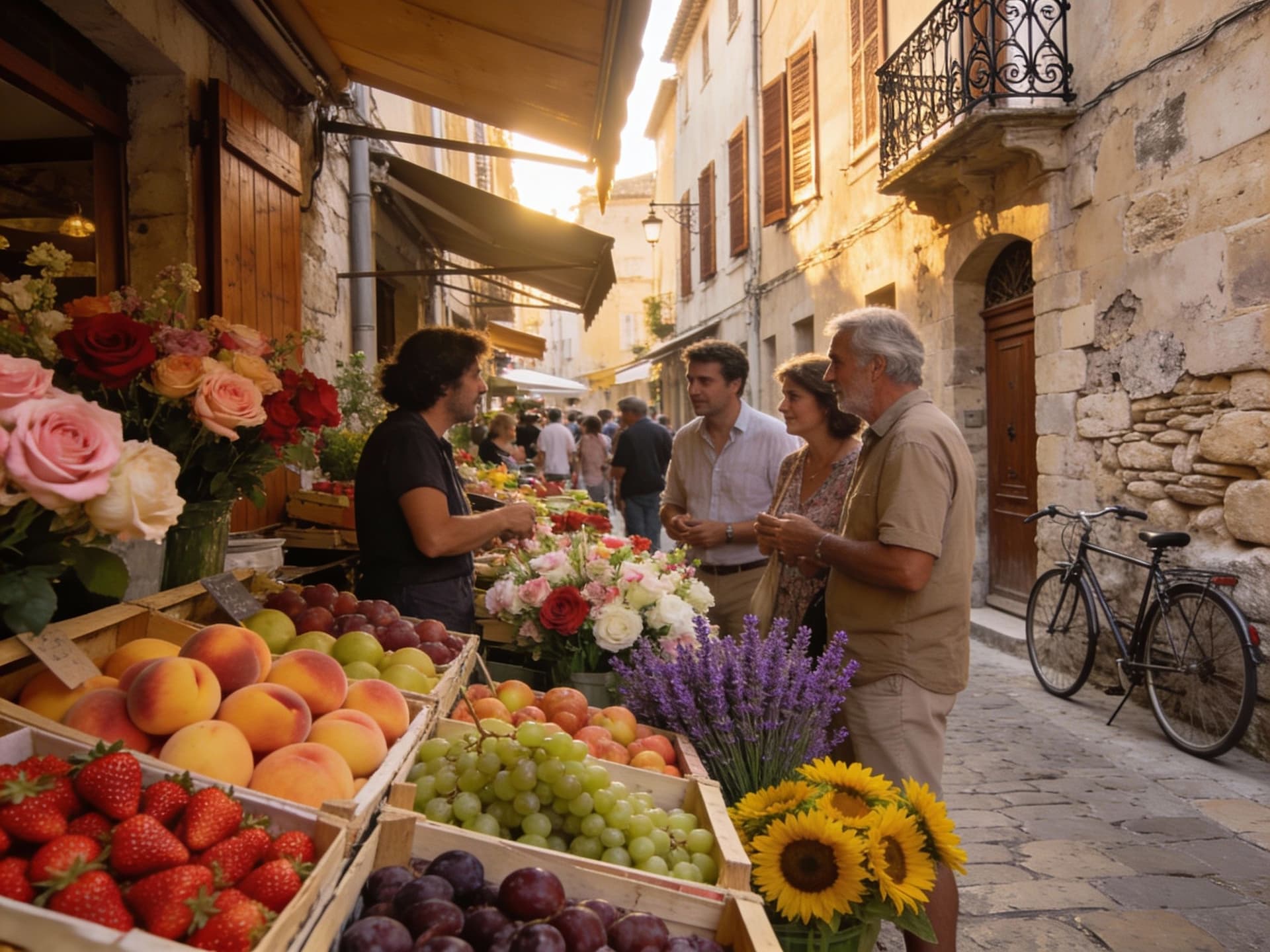
France moves at different speeds depending on where you are — slow market mornings in Dordogne villages, brisk café life in Lyon’s Presqu’île, seaside tempo on the Côte d’Azur. Lifestyle choices — proximity to markets, schools, the sea or a TGV station — are the primary drivers of neighbourhood desirability, and therefore price. That means the tax and regulatory backdrop isn’t abstract: it’s the reason an arrondissement, village or seaside commune feels affordable or unaffordable when you step into it. Expect to choose trade-offs between daily pleasure and fiscal efficiency.
Paris & Île‑de‑France: urban rituals and fiscal realities
In Paris the rhythm is museums, small restaurants and neighbourhood boulangeries; you pay a premium for walkability and transport links. Recent market data shows Parisian prices remain high but became more selective after earlier cooling — meaning smaller, well-located apartments outperform larger peripheral units. For an international buyer, that can translate into preferring a compact pied-à-terre near cafés and the métro rather than a larger unit further out where local taxes and copro charges may erode yield. Check up-to-date price indices before committing; market patches matter as much as national averages.
South of France: coast, seasonality and tax timing
On the Côte d’Azur and along Provence’s coast, life is defined by outdoor dining, marina weekends and a strong short‑let market during summer. That seasonality has tax consequences: communes actively tax secondary residences and short‑term letting rules have tightened in many coastal towns. Rather than assuming coast = automatic capital growth, consider occupancy rules, local taxe d’habitation (for second homes where applicable) and municipal regulations that can reduce net returns if you plan to rent. A lifestyle-first search here must be paired with a local tax check.
- Lifestyle highlights and local touchpoints
- Rue Cler market (Paris) — morning coffee and grocery rituals
- Cours Julien (Marseille) — restaurants, street life and creative energy
- Vieux‑Nice markets — food, Provençal produce and weekday bustle
Making the move: practical considerations that preserve the dream
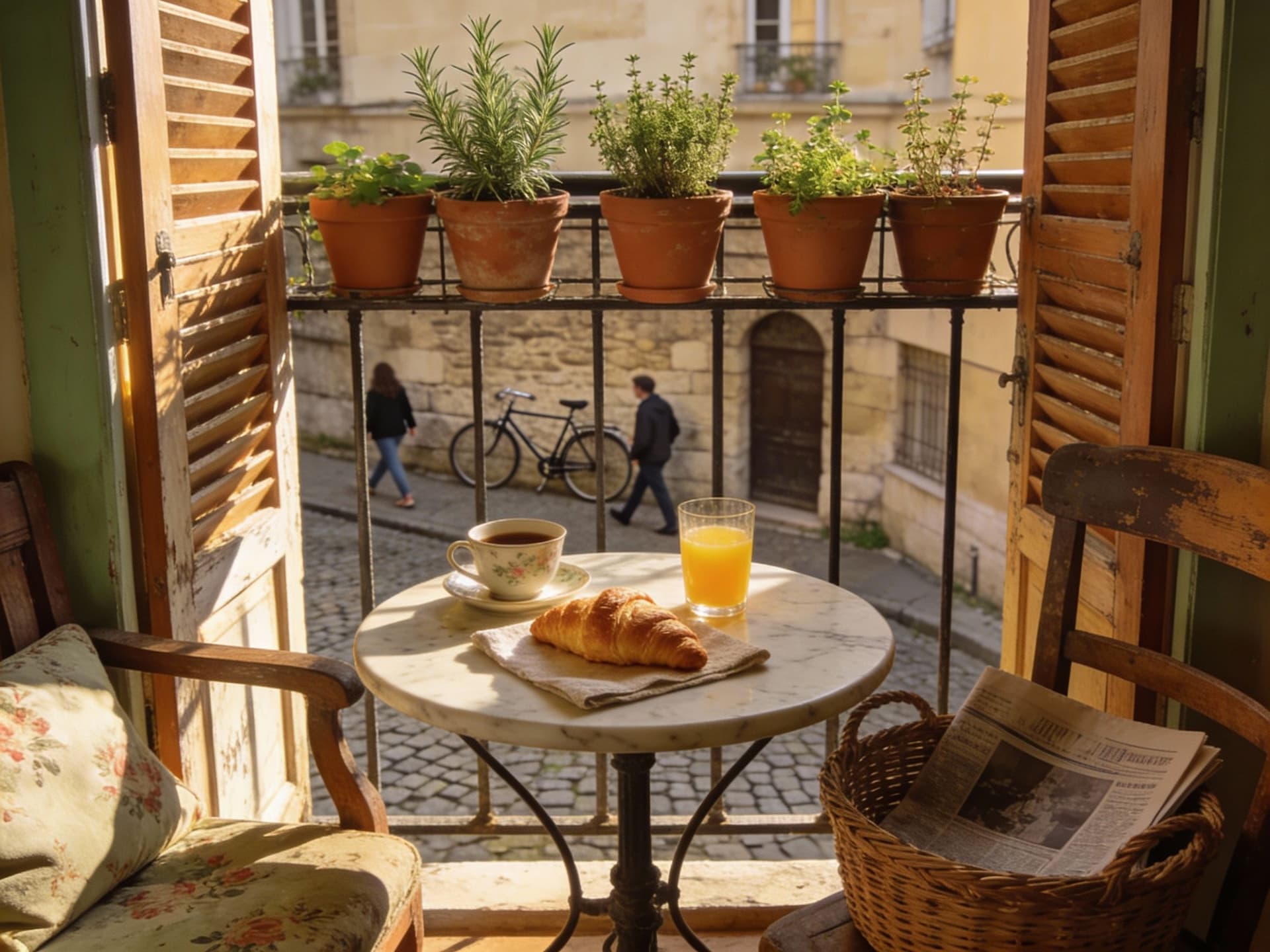
Daydreams collide with paperwork: residency status, property taxes, and rental rules determine real carrying costs. France defines tax residency with clear criteria related to family, time spent, and where your economic interests lie, so a move or a multi‑jurisdiction lifestyle often triggers different liabilities. Non‑residents still pay local taxes and might be subject to wealth tax (IFI) on high-value French property holdings, so factor those into total cost calculations. Use official guidance early in your search to avoid surprises and to place neighborhoods into a realistic budget.
Property styles and how they shape tax outcomes
A Haussmann apartment in central Paris carries copro charges, potential renovation constraints and a premium per square metre — but it benefits from steady demand and easier short‑term letting (where permitted). A stone farmhouse in Dordogne has lower annual taxes but higher upkeep and sometimes restrictive heritage rules. New‑build (neuf) purchases may offer reduced VAT rules or fiscal incentives for certain energy standards, altering net cost. Match property type to intended use: full‑time living, seasonal stays or rental, because taxation and ongoing costs differ materially.
Working with local experts who know both life and law
An agent who knows where the local baker shops is useful; an agent who understands municipal short‑let permits and the local tax office is indispensable. French notaires handle conveyancing and collect transfer taxes; an early chat with a notaire clarifies stamp duty (droits de mutation) and potential cost changes. For cross-border tax planning, a bilingual fiscal advisor or independent accountant familiar with French rules and treaties will save money and time. Treat advisors as lifestyle enablers: they translate municipal rules into practical living outcomes.
- Six-step checklist that blends lifestyle and fiscal sense
- 1. Define how you’ll use the property (primary, seasonal, rental) — tax treatment follows use.
- 2. Confirm fiscal residency impact with impots.gouv and your home-country advisor.
- 3. Ask the notaire for an itemised transfer-tax and registration fee estimate.
- 4. Check municipal rules for short‑term lets and secondary‑home surcharges at commune level.
- 5. Model net yield including taxe foncière, copro charges, insurance and maintenance.
- 6. Lock expert support (local agent, notaire, tax advisor) before making an offer.
Insider knowledge: myths, local quirks and expat lessons
Expat buyers often tell the same story: they fell for a neighbourhood’s daily life and only later learned a local tax or rule clipped their plans. A common myth is that France’s perceived ‘expensiveness’ applies uniformly — in reality regional dispersion is large and price dynamics have shifted recently, with some coastal and provincial pockets offering better value. Another surprise is how simple residency choices — where you register and where you spend your days — determine whether you face worldwide taxation or limited French levies. Know the local facts before love leads to a contract.
Cultural quirks that affect where you’ll feel at home
Neighbourhood life in France is granular: markets, boulangeries and mairie activities create community ties quickly, but language and local etiquette unlock them faster. In smaller communes, the mairie (town hall) controls many permits and local taxes; being friendly with local officials expedites practicalities like renovation permissions or tourist‑let registration. Expect slower, formal processes for planning permissions compared with some countries; patience is a local advantage. Integration pays off in smooth transactions and a deeper daily life.
Long‑term life: how the place changes after you move
Your relationship with a French place evolves — a quiet lane can become your market run, a local bistro your weekday table, and that social capital cushions the impact of taxes and fees. Over time, community ties reduce friction: neighbours advise on trusted builders, the mairie helps with permits, and local agents know which corners appreciate. Factor that intangible when comparing two listings: a slightly higher annual tax may buy you a more joined‑in life that’s worth it. Make decisions for both fiscal logic and lived experience.
- Red flags international buyers regularly miss
- Municipal short‑let bans or steep tourist‑tax registrations
- High copro charges in period buildings with deferred maintenance
- Assuming non‑residency shields you from property wealth tax (IFI) when holdings exceed thresholds
Conclusion: love the life, respect the rules, get the right advice
France rewards those who pair curiosity with due diligence: neighbourhood walks, market mornings and local friendships show you where you’ll be happiest, while early tax and residency checks protect that happiness from avoidable costs. Start with a clear use case for the property, consult official French tax guidance and a notaire for concrete cost estimates, and work with an agent who understands both lifestyle and municipal constraints. If you marry place with paperwork, France can deliver the life you imagined — with fewer fiscal surprises.
BlueprinteraSwedish strategist who relocated to Marbella in 2018. Specializes in legal navigation and tax planning for Scandinavian buyers.
Related Articles
More insights that might interest you
 Villa Curated
 Villa Curated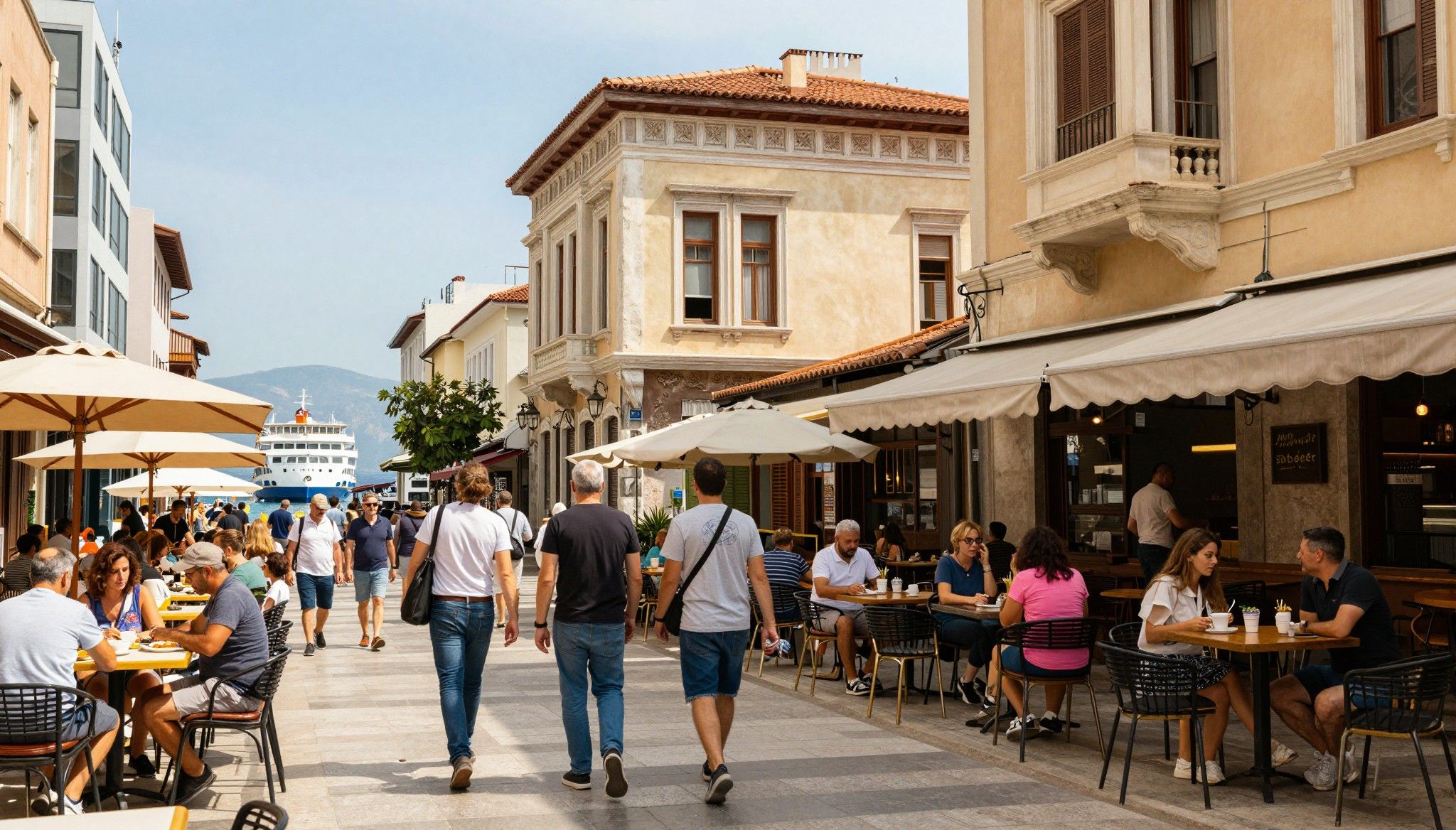
 The Yieldist

