Italy’s 'Expensive' Tag Masks Practical Opportunity
Italy’s daily rhythms shape value: use lifestyle-first choices supported by regional price data and local expertise to make smarter property decisions.
 Blueprintera
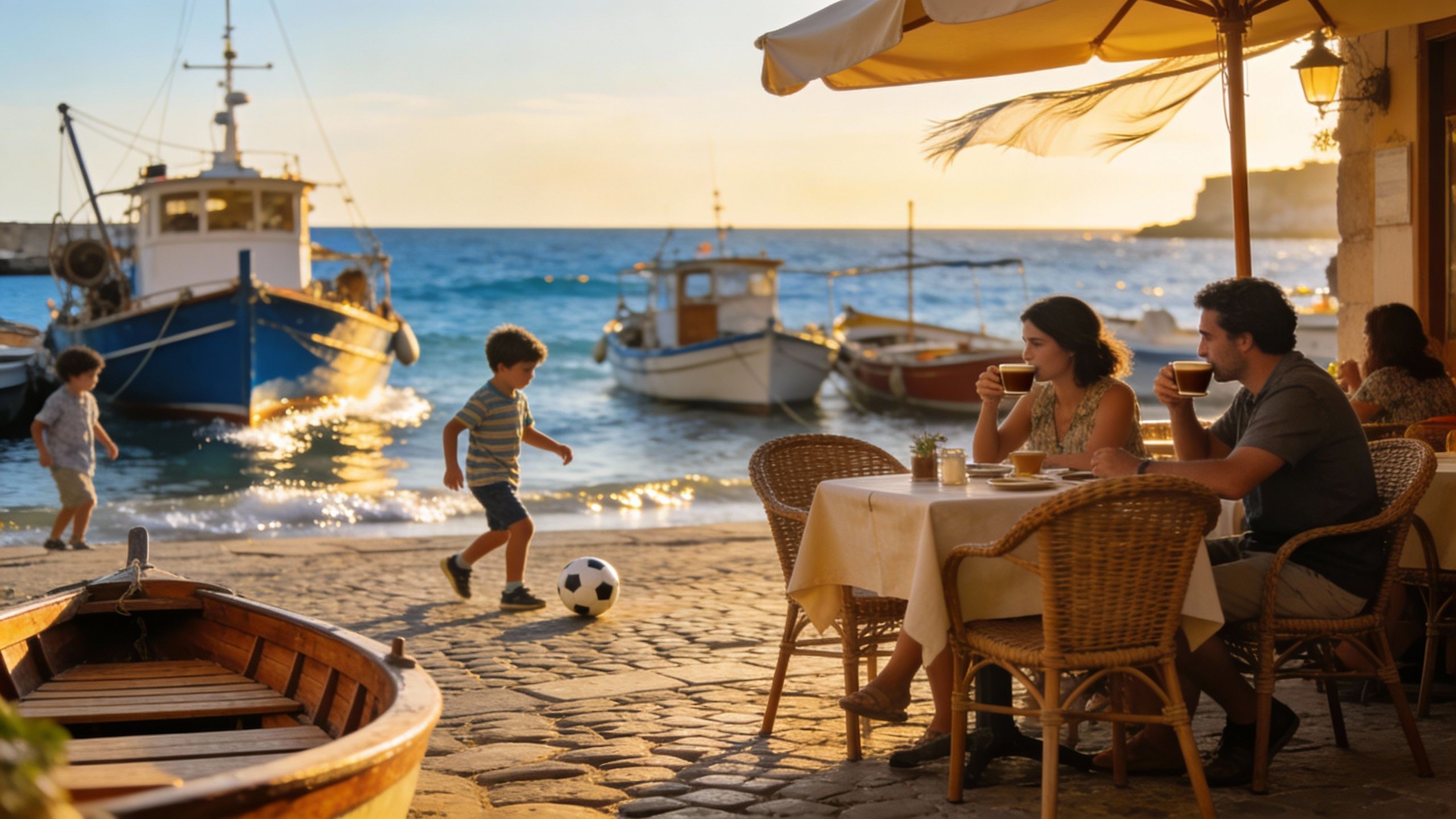
Imagine sipping espresso on a narrow street in Naples at 09:30, then catching a late-afternoon tram to a sea-facing aperitivo in Genoa. Italy moves with seasons: morning markets, long lunches, and neighbourhood bars where everyone knows your name. That slow-motion rhythm is also the reason buyers fall for Italy — and why a clear-eyed approach to where and when to buy matters.
Living the Italy lifestyle
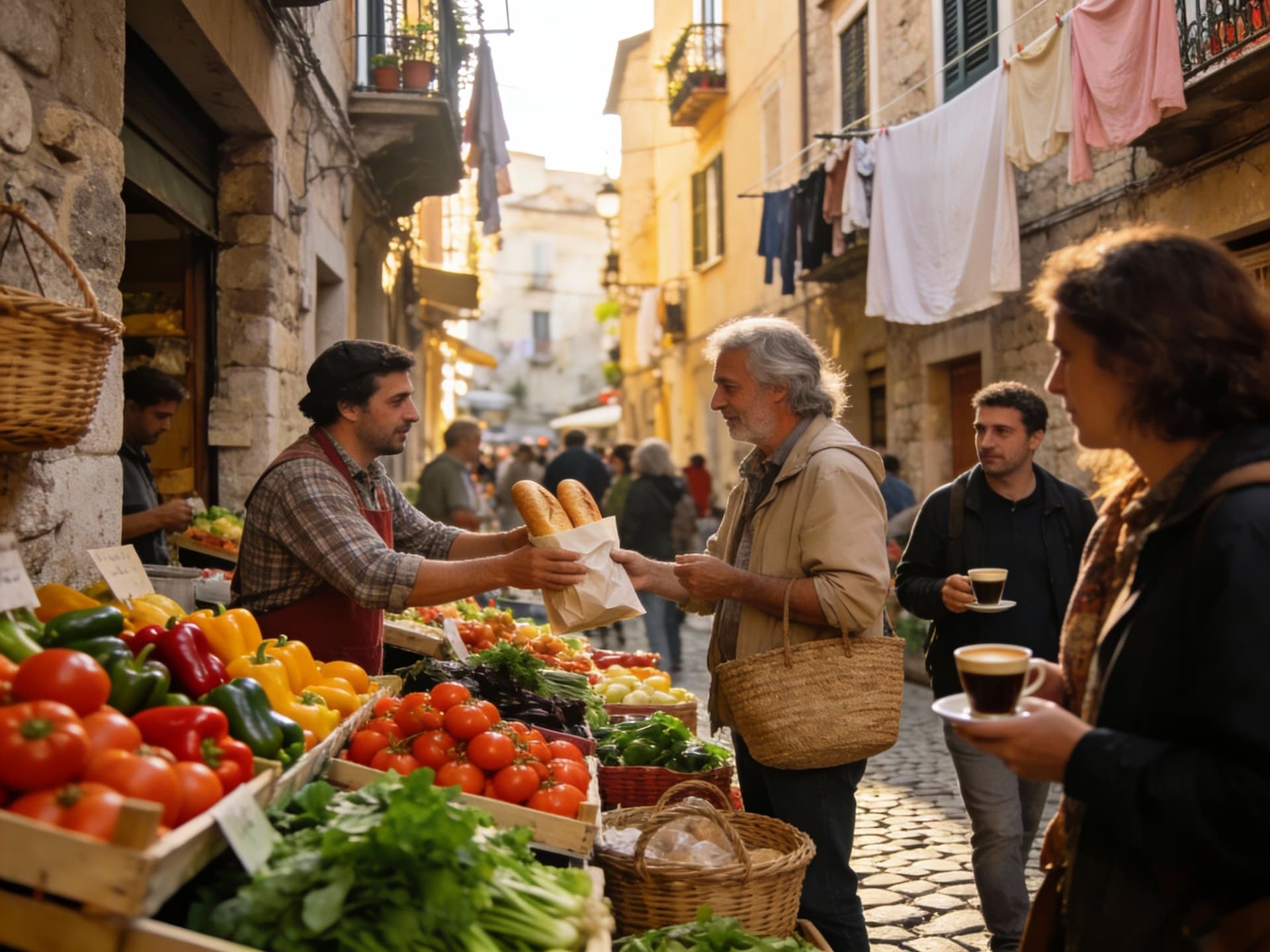
City to coast, Italy’s appeal is sensory: espresso steam, sunlight on terracotta, fishermen mending nets on a harbour wall. Milan hums with design energy; Tuscany breathes slow rural mornings; Liguria and Amalfi anchor coastal impatience. Investors are already shifting between these rhythms — Milan’s rapid cycle is cooling while Rome and coastal areas are attracting fresh interest. Local events and urban renewal are reshaping where lifestyle and value meet.
Neighborhood focus: Trastevere, San Lorenzo, and Navigli
Walk Trastevere in the evening and you’ll hear accordion notes, street vendors and young families. San Lorenzo feels lived-in and student-driven; Navigli in Milan trades canalside cafés for late-night aperitivi. Each area has trade-offs: Trastevere’s character comes with tighter long-term rental markets, and cities are experimenting with short‑term rental limits to protect neighbourhood life. Those policies change the living experience — and your rental prospects — in small but crucial ways.
Food, markets and daily rituals
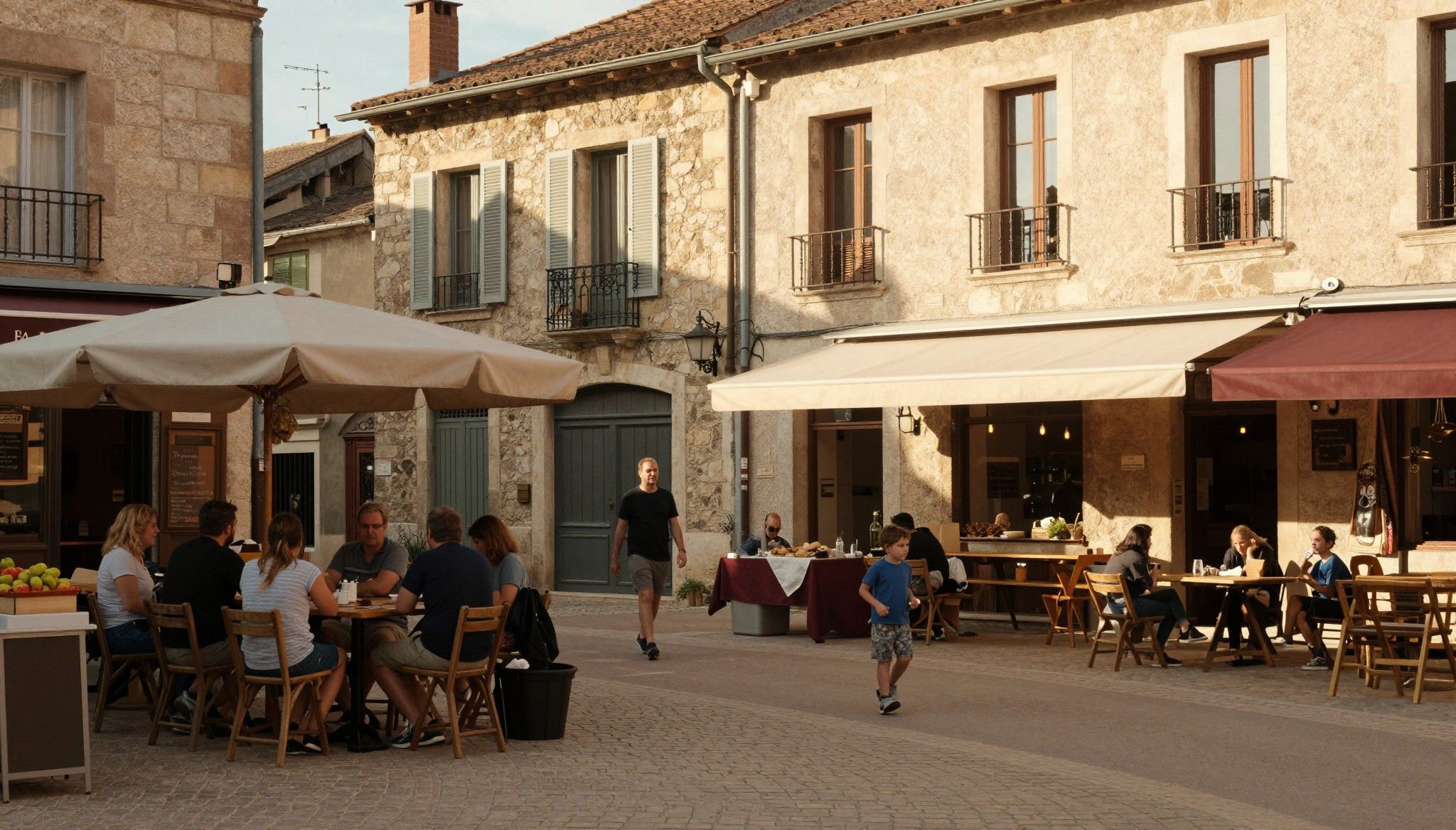
Markets pulse on weekday mornings: Campo de' Fiori in Rome, Mercato Centrale in Florence, or the fish stalls in Naples. Weekends are for aperitivo, long family lunches, and small festivals where a neighbourhood piazza becomes the season’s civic centre. For buyers, proximity to markets and cafés often matters more than a view — they are the daily conveniences that turn a house into an Italian life.
Walkable neighbourhoods with morning markets (Campo de' Fiori, Mercato Centrale)
Coastal towns with year-round services (Levanto, Alassio, Recco)
Historic centres with strict rental and renovation rules (Venice, Florence)
Making the move: practical considerations
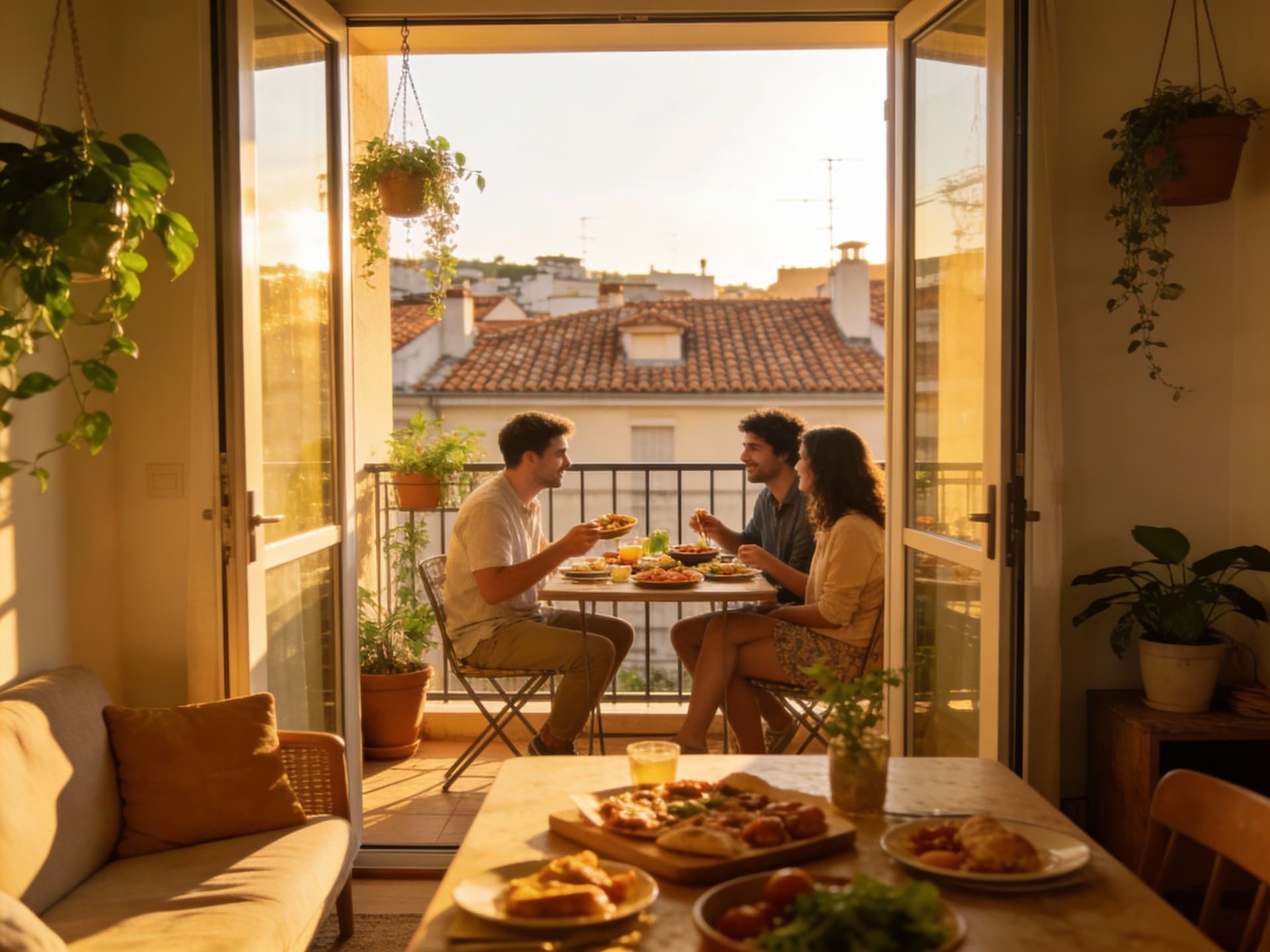
The romance of Italian life meets data on the deal table. Country-level indices show modest price growth and regional variation: existing-dwelling prices rose noticeably in recent quarters, while new-builds have more volatile moves. That means a restored 18th‑century apartment in a city centre can behave very differently from a coastal new development offered at a packaged price.
Property types and how they shape daily life
A 3-storey historic apartment gives courtyards, narrow stair climbs and instant access to neighbourhood life; a modern seaside condominium offers terraces, parking and maintenance but less character. If you want market rental income, consider central city studios or tourist-friendly coastal apartments. If lifestyle is the priority, a small inland hamlet near markets and transport will reward daily living in ways a gated complex won’t.
Working with local experts who know the rhythm
Hire an Italian-registered agent who knows municipal rules, use a notary (notaio) for contracts, verify cadastral maps (catasto), secure an architecture-savvy surveyor for older buildings, and consult an accountant familiar with local tax allowances. These steps reduce surprises and align the purchase with the lifestyle you want.
Insider knowledge: what expats wish they'd known
Expats often talk about two shocks: how social life anchors to neighbourhood nodes (cafés, parish churches, local councils) and how short‑term tourism policies can change rental dynamics overnight. In Rome and Florence, local measures on short-term rentals have real consequences for long-term rents and neighbourhood feel — something buyers only appreciate after moving in.
Cultural integration and everyday practicalities
Learn basic Italian for market bargaining and municipal visits; join a local circolo or language exchange to meet neighbours; pick a neighbourhood where you’ll use the services year-round. Italians expect presence — being a known face in a café or negozio goes a long way toward feeling at home.
Looking ahead: maintenance, climate, and value
Older buildings ask for regular maintenance (roof, damp, wiring). Coastal properties need salt‑air materials and drainage planning. Buying with renovation potential in a regulated centre can create value, but factor in permits and specialist contractors. Prioritise properties that match your intended tempo of life — low-maintenance if you’ll split time internationally; character-rich if you plan full-time residency.
Check elevation and flood maps in coastal towns
Confirm condominium (condominio) rules for rentals and pets
Ask for recent energy certificate (APE) and structural surveys
Italy is a country of trade-offs: preserved centres mean stricter rules but unmatched daily atmosphere; coastal towns offer seaside routines but variable seasonality. Use lifestyle as the lead: choose a place where you can see yourself making a weekday coffee ritual and a Sunday market run. When you pair that with local expertise and up-to-date market data, the property becomes a gateway to a life rather than an asset on paper.
Next steps: visit in shoulder season, meet local agents, and ask to see how the neighbourhood breathes on a Tuesday morning. If you want, start by comparing three properties in different rhythms — historic centre, coastal town, and small countryside comune — and measure which one matches your daily life, not just your wishlist.
BlueprinteraDutch investment strategist with a Portugal-Spain portfolio. Expert in cross-border financing, rights, and streamlined due diligence for international buyers.
Related Articles
More insights that might interest you
 Villa Curated
 Villa Curated
 The Yieldist

