Italy’s Summer Illusion: Where Life and Market Diverge
Why Italy’s seasonal charm can mislead buyers — learn the neighbourhoods, municipal rules and stewardship practices that convert romance into lasting value.
 Villa Curated
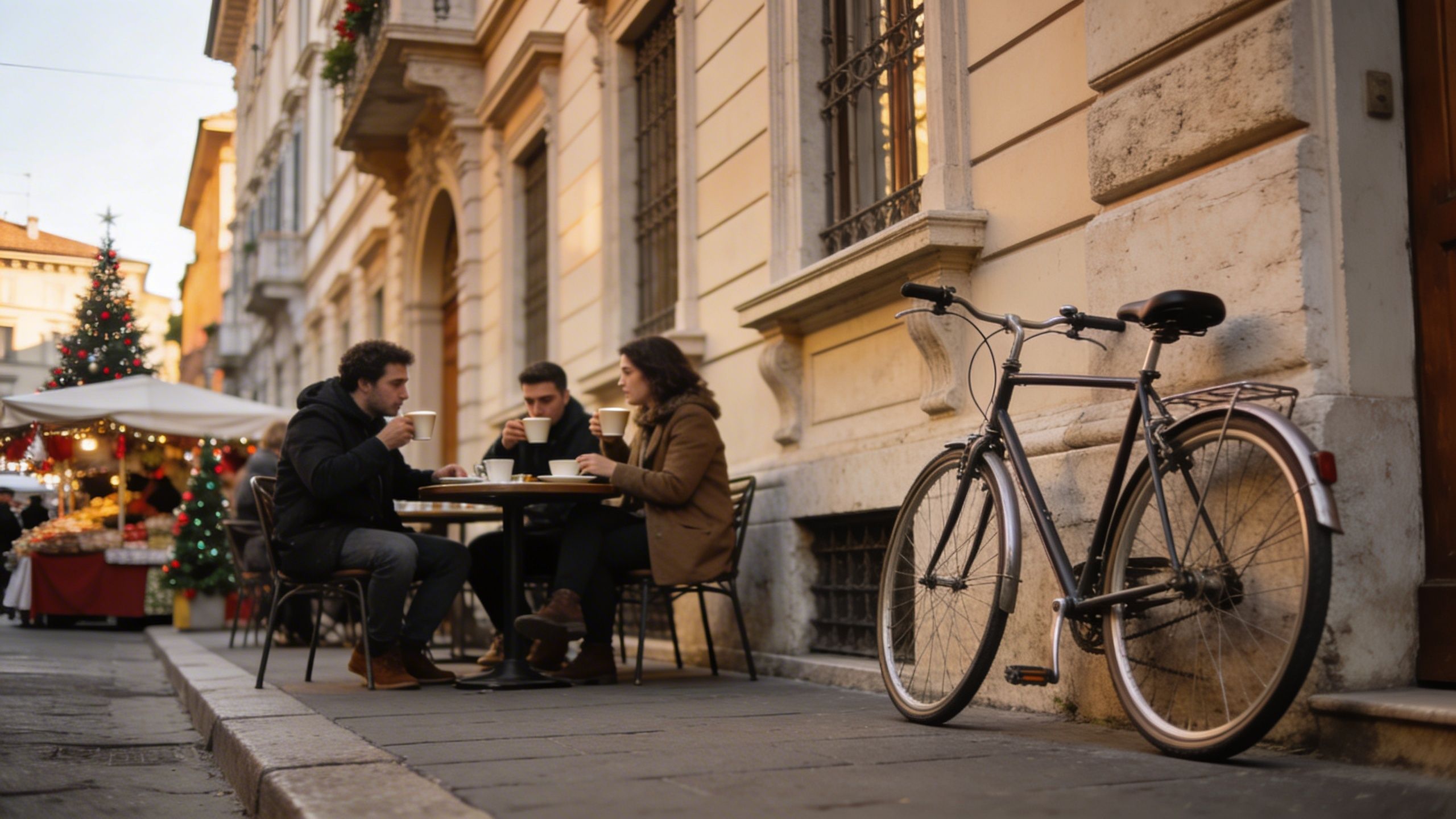
Imagine a November morning in Puglia: a baker sliding warm focaccia onto a tray, children cycling past a piazza rimmed with olive trees, and the slow, meticulous restoration of a 19th‑century masseria underway down the lane. It is easy to fall for Italy’s sunlit postcards. Yet the rhythm of life — and the market that underwrites it — is more complex than the image suggests. Recent market analysis shows active foreign demand and regional divergence; knowing when and where to look transforms an aesthetic longing into a considered investment.
Living the Italian Life: Senses, Seasons, Streets
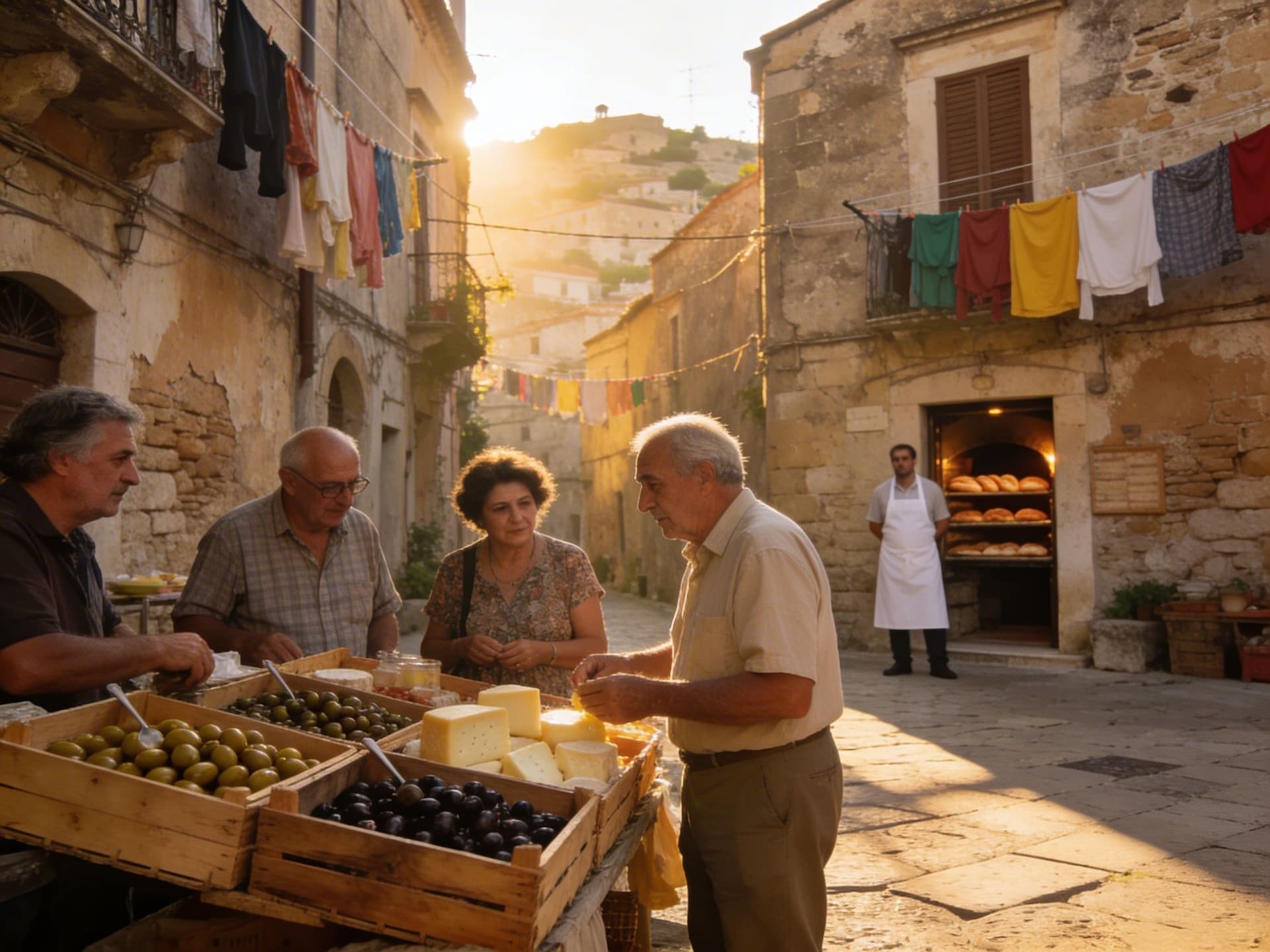
Italy is stitched from distinct daily rituals. Morning is for espresso and swift conversation at the corner bar; late afternoon brings the passeggiata, an unhurried stroll in towns from Bergamo’s Città Alta to Lecce’s baroque alleys. Coastal towns smell of brine and grilled fish; hilltop towns smell of drying hay and wood smoke. Understanding the pace of place helps you choose not only a property but the life it will support.
Where locals truly live: neighbourhoods beyond the postcard
Look past the monuments. In Florence, the Oltrarno and Sant’Ambrogio districts retain craft workshops, evening markets and a sense of community that tourists rarely see; city policy has recently targeted overtourism and short‑let saturation to preserve these neighbourhoods. In Rome, Trastevere retains convivial squares and narrow lanes where family trattorie anchor daily life; in Milan, Brera and the Navigli offer a measured urbanity, creative ateliers and discreet courtyards.
Food, markets and the calendar that shapes life
Seasonality is less calendar than culture: market stalls brim with wild mushrooms and chestnuts in autumn, while spring brings farmers’ stalls of asparagus and early artichokes. Festivals — Sagra del Tartufo in Alba, estate concerts in theatres large and small — punctuate life and affect short‑term rental demand. Buyers who prefer a lived‑in tranquillity will choose streets where neighbourhood markets and local schools persist year‑round.
- Morning espresso at Caffè Gilli (Florence), Sant’Ambrogio market stroll, aperitivo along Navigli, Sunday mercato in Testaccio (Rome), truffle fair in Alba, afternoon swim at Spiaggia dei Conigli (Lampedusa).
Making the Move: Practical Considerations That Preserve the Life You Want
The romantic image should inform rather than replace due diligence. National data points to steady price growth and rising foreign demand; regional spreads are wide — Milan and Florence sit at the premium end while large parts of the south offer markedly lower €/m². Practical choices about seasonality, local regulation and property type determine whether a house becomes a treasured home or a maintenance burden.
Which property types actually suit daily life
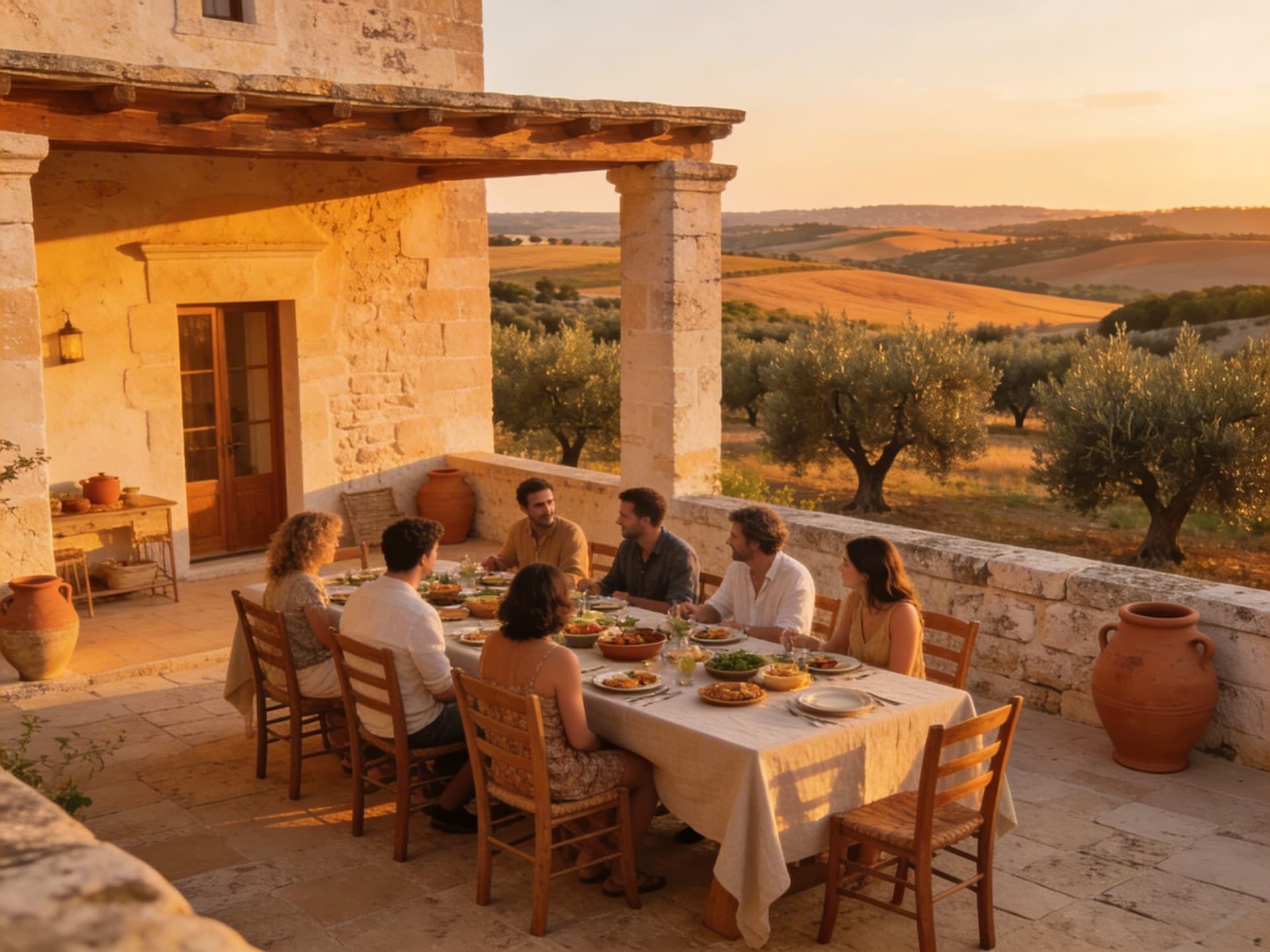
A palazzo apartment in a UNESCO core gives proximity to museums and grand cafes but often means limited outdoor space and strict renovation rules. A restored farmhouse (masseria) in Puglia offers land, olive trees and privacy but requires expertise in structural work and irrigation. Lake Como villas deliver views and prestige with higher upkeep and access considerations. Match property type to pattern of life: city living, seasonal coastal use, or agricultural stewardship.
Working with local experts who know the culture and rules
A careful local agency does more than show houses; it translates municipal practice into lived expectation. In cities tightening short‑let rules, such as recent moves in Florence, agencies advise on neighbourhood suitability and yield risk. In rural areas, a local surveyor, an architect versed in heritage materials and an agricultural consultant are indispensable. Choose teams with verifiable restorations and client references rather than broad marketing claims.
- 1. Visit in low season to assess neighbourhood life (shops, transport, waste collection). 2. Commission structural and systems surveys before signing. 3. Ask agencies for documented restoration portfolios. 4. Check short‑let rules and tourist taxes with municipal sources. 5. Budget 10–20% above purchase price for sympathetic restorations.
Insider Knowledge: What Expats Wish They’d Known
Many newcomers are surprised by how municipal policy shapes daily life. Cities are actively balancing tourism with resident needs; Florence and Venice have introduced measures that materially affect rental strategy. Practical integration — learning basic Italian for neighbourhood interactions, registering with local services and respecting ZTL (limited traffic zones) — eases adaptation and protects goodwill.
Language, rhythm and social currency
A few phrases, and a willingness to attend the market, the parish festa or the barista’s Saturday morning, go further than any contract. Italians prize reciprocity: shopkeepers remember faces, neighbours pass tips on reliable builders, and local networks surface the best artisans for restoration. Social integration reduces friction in repairs, permits and everyday life.
Longer view: stewardship over speculation
Buyers who approach Italy as future custodians rather than short‑term arbitrageurs find richer returns in quality of life and steady capital appreciation. Regional divergence means value can be found in Calabria or Puglia at much lower €/m² than Milan or Florence; such purchases reward patient stewardship and authentic restoration.
- Red flags to watch: no permits for past renovations, unclear land registry (catasto) records, repeated short‑term let enforcement notices, inaccessible winter roads in mountain areas, anemic local services (healthcare, schools) for year‑round living.
Picture the change: morning markets replace novelty trips; your calendar fills with local musical evenings, olive harvests and neighbours who know when the ferry runs. That transformation is the reward of informed buying — and of choosing professionals who value provenance and utility as much as provenance's aesthetic.
- 1. Schedule low‑season reconnaissance visits. 2. Verify municipal rules on rentals and permits. 3. Insist on documented contractor references. 4. Build a phased restoration budget. 5. Engage a local agency that demonstrates stewardship experience.
Italy offers a life that rewards attention: the discipline of restoration, the pleasure of seasonal markets and the quiet confidence that comes with neighbourhood belonging. When lifestyle imagination is paired with careful local advice, your Italian property becomes more than a possession; it becomes a place to belong.
Villa CuratedRelocating from London to Mallorca in 2014, I guide UK buyers through cross-border investment and tax considerations. I specialise in provenance, design integrity, and long-term value.
Related Articles
More insights that might interest you
 Villa Curated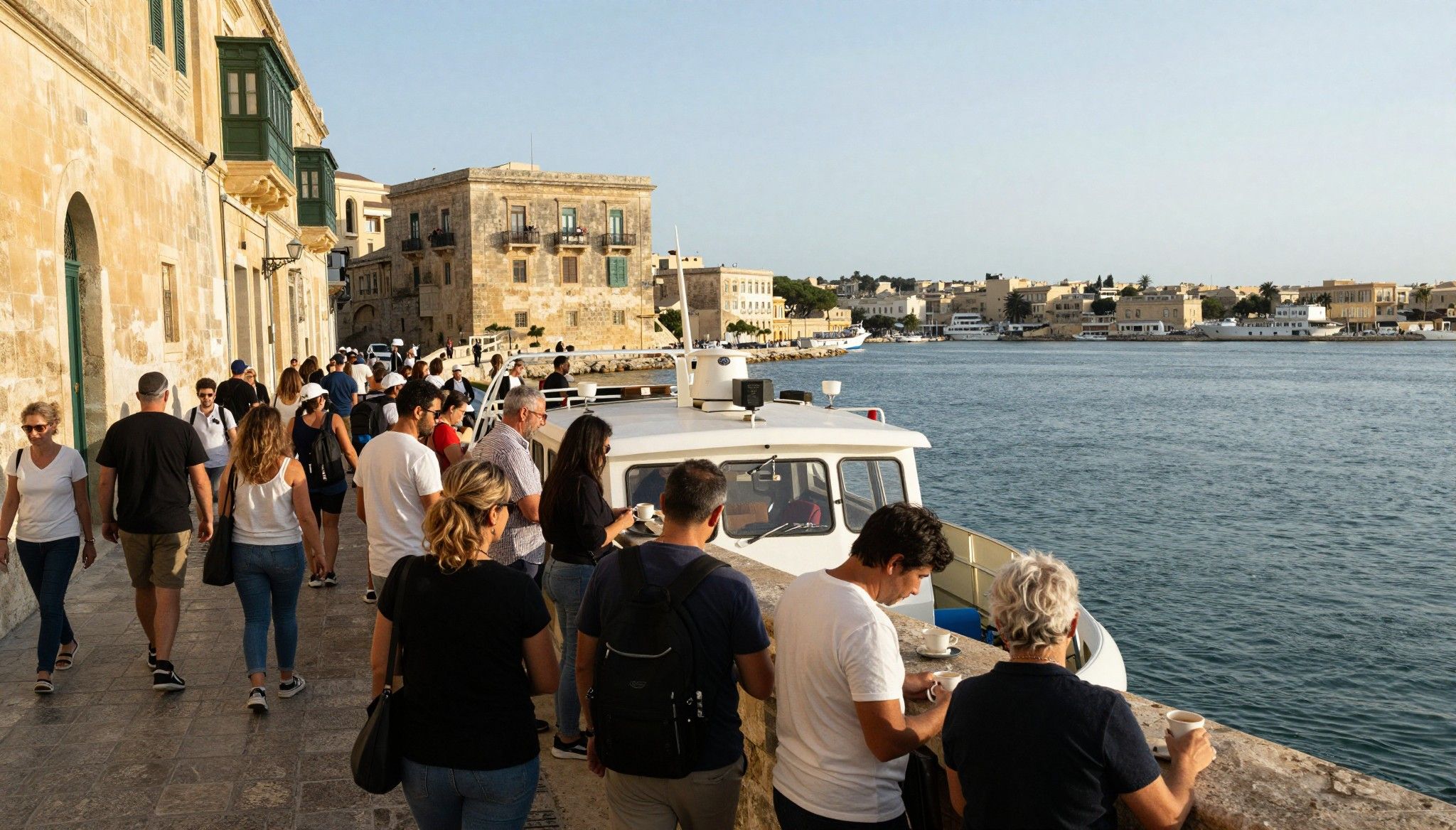
 The Yieldist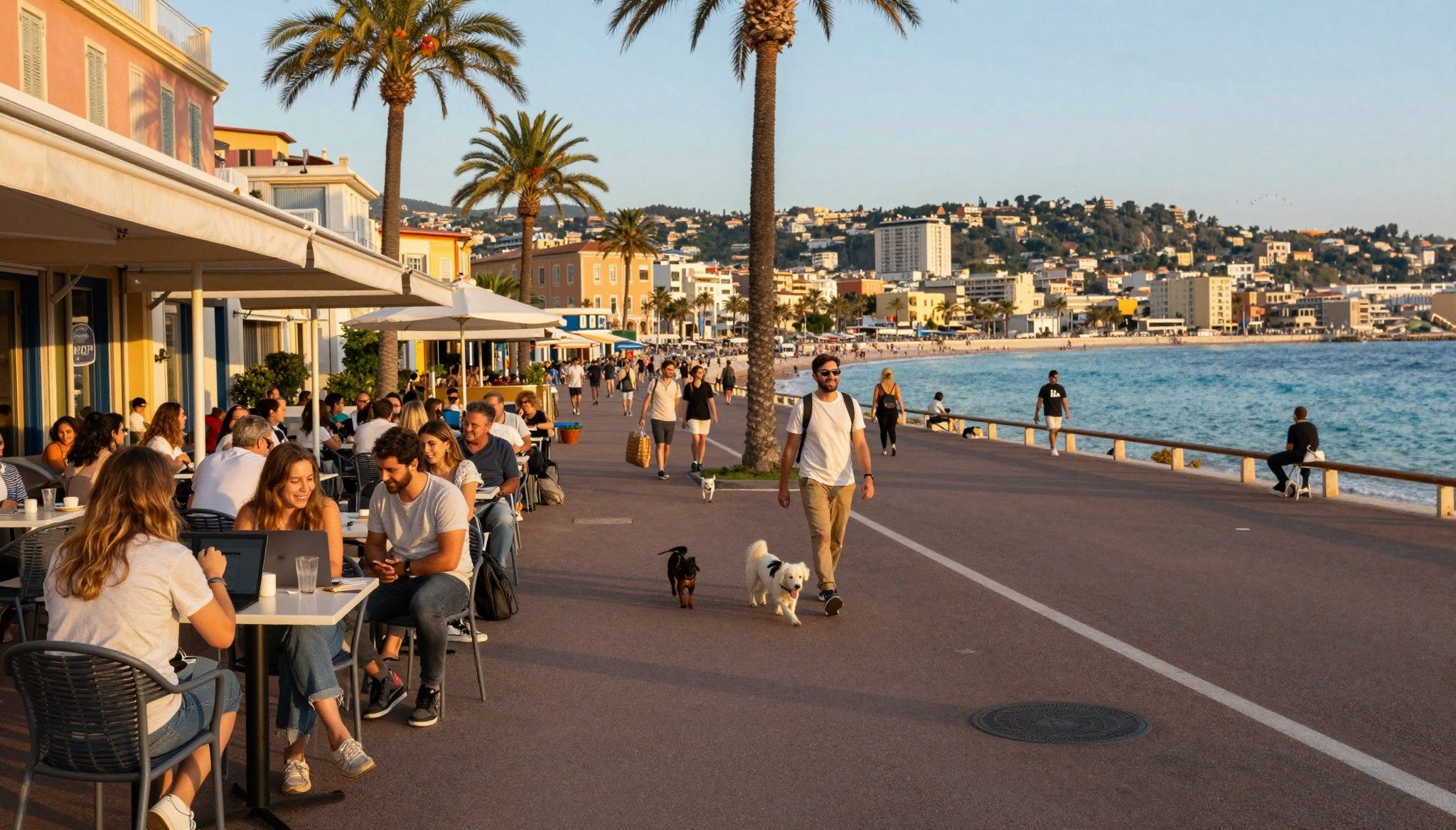
 MoveSettleGo

