France: Lifestyle‑Led Financing and Insider Advice
A lifestyle‑first guide to buying property in France — how neighbourhood rituals, seasonal life and regional taxes shape financing choices for international buyers.
 Villa Curated
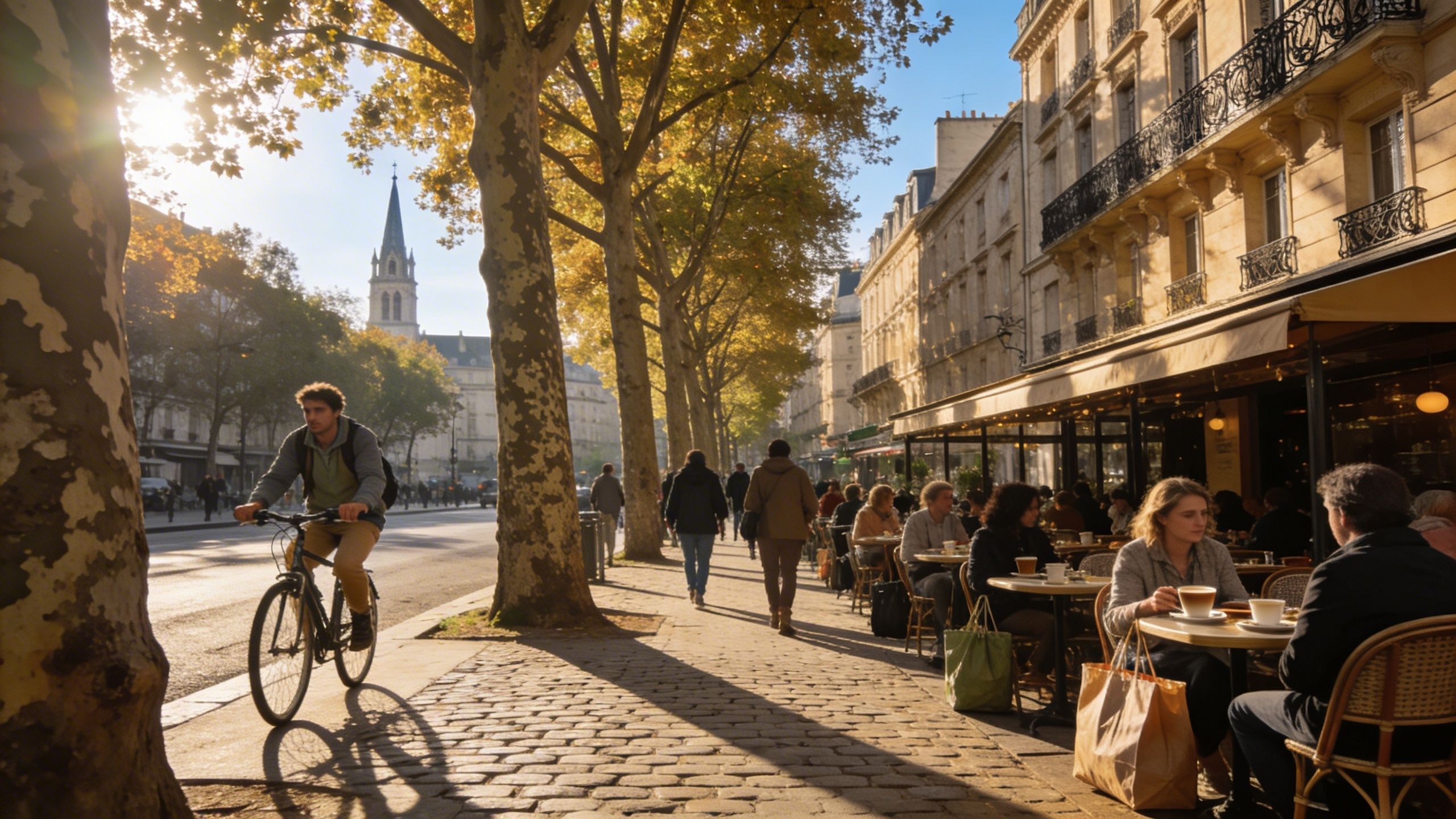
Imagine an early morning in Aix‑en‑Provence: a boulangerie window fogged with steam, a terrace where neighbours already trade local news, and limestone façades warming in a pale sun. That languid cadence — marché, café, a late‑afternoon sieste — is the texture of life many come to France seeking. Yet the practicalities of buying here — transfer taxes, mortgage access for non‑residents, regional quirks — shape whether that imagined life becomes a seamless transition or a long, costly detour.
Living the French life: more than a postcard
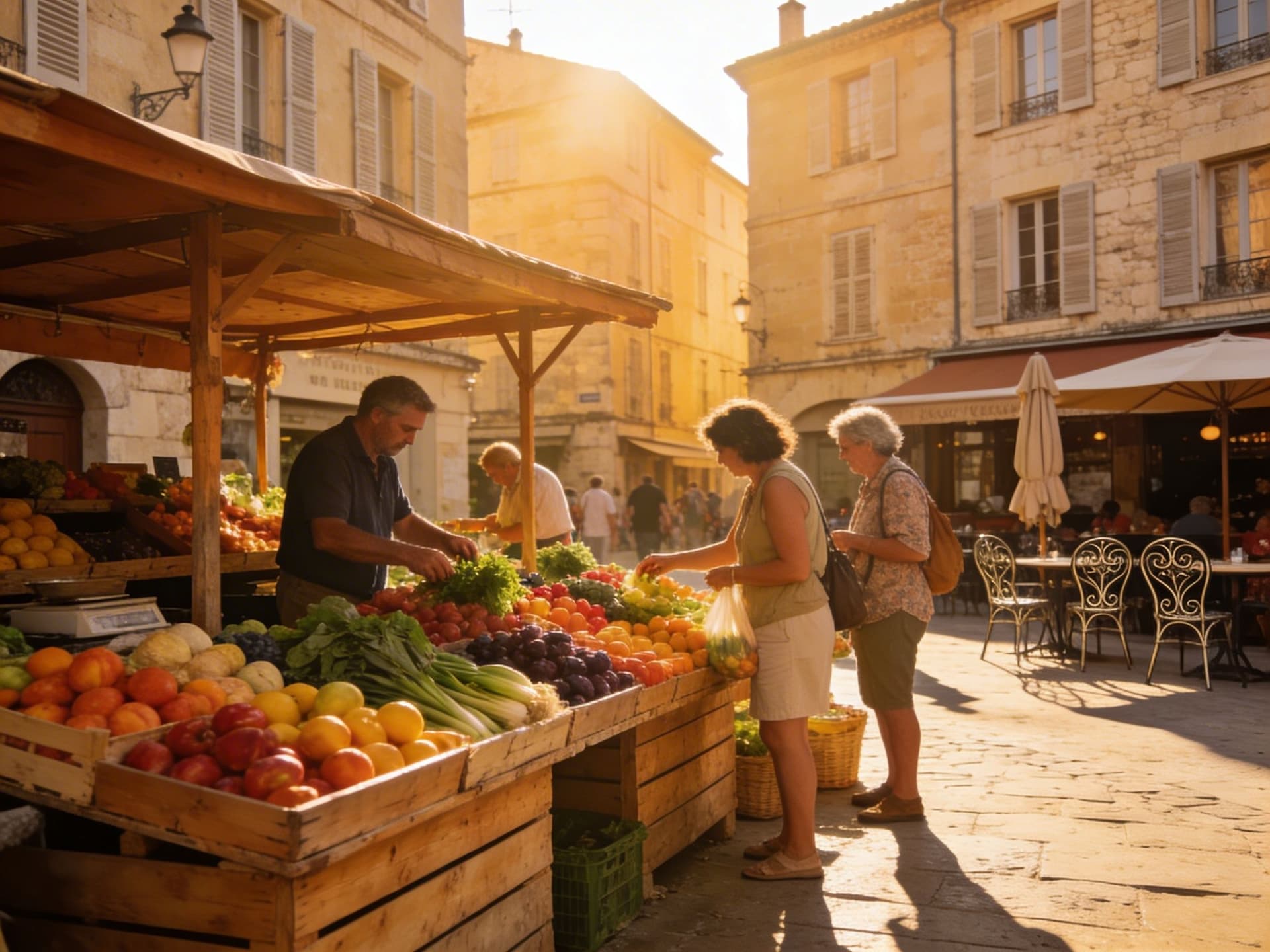
The country’s variety is its charm: stone hamlets in Dordogne, baroque squares in Lyon, apartment life in Saint‑Germain or the clipped elegance of a Riviera villa. Living in France is about neighbourhood rituals — the Saturday marché in Saint‑Rémy, the early evening aperitif down rue Cler in Paris, the salty hush of the Cap Ferrat shoreline — all of which inform what kind of property will suit you. Choosing a home is therefore choosing a daily rhythm as much as a postcode.
Neighborhoods that tell a story
In Paris, narrow streets around the Marais and rue Montorgueil hum with independent shops and discreet hôtels particuliers; in Nice, Promenade des Anglais offers a public life while Cimiez keeps its gardens and quiet hotels. In Bordeaux and Lyon, riverfront promenades and food markets shape weekend plans; in Provence, villages such as Gordes and L’Isle‑sur‑la‑Sorgue centre life around open markets and village squares. These are the streets you will learn by name — and they matter when you translate lifestyle to mortgage size, renovation appetite and management needs.
Food, markets and seasonality as property cues
Where you can buy a daily baguette on foot, you are less likely to need a large kitchen; where harvest festivals dominate the autumn calendar, a cellar or storage for preserves becomes essential. Season shapes both living and value: winter in the Alps requires insulated glazing and a driveway cleared of snow; summer on the Côte d’Azur places a premium on shaded terraces. Practical property choices follow sensory life‑styles.
- Saturday marché in Provence — produce, truffles, neighbours
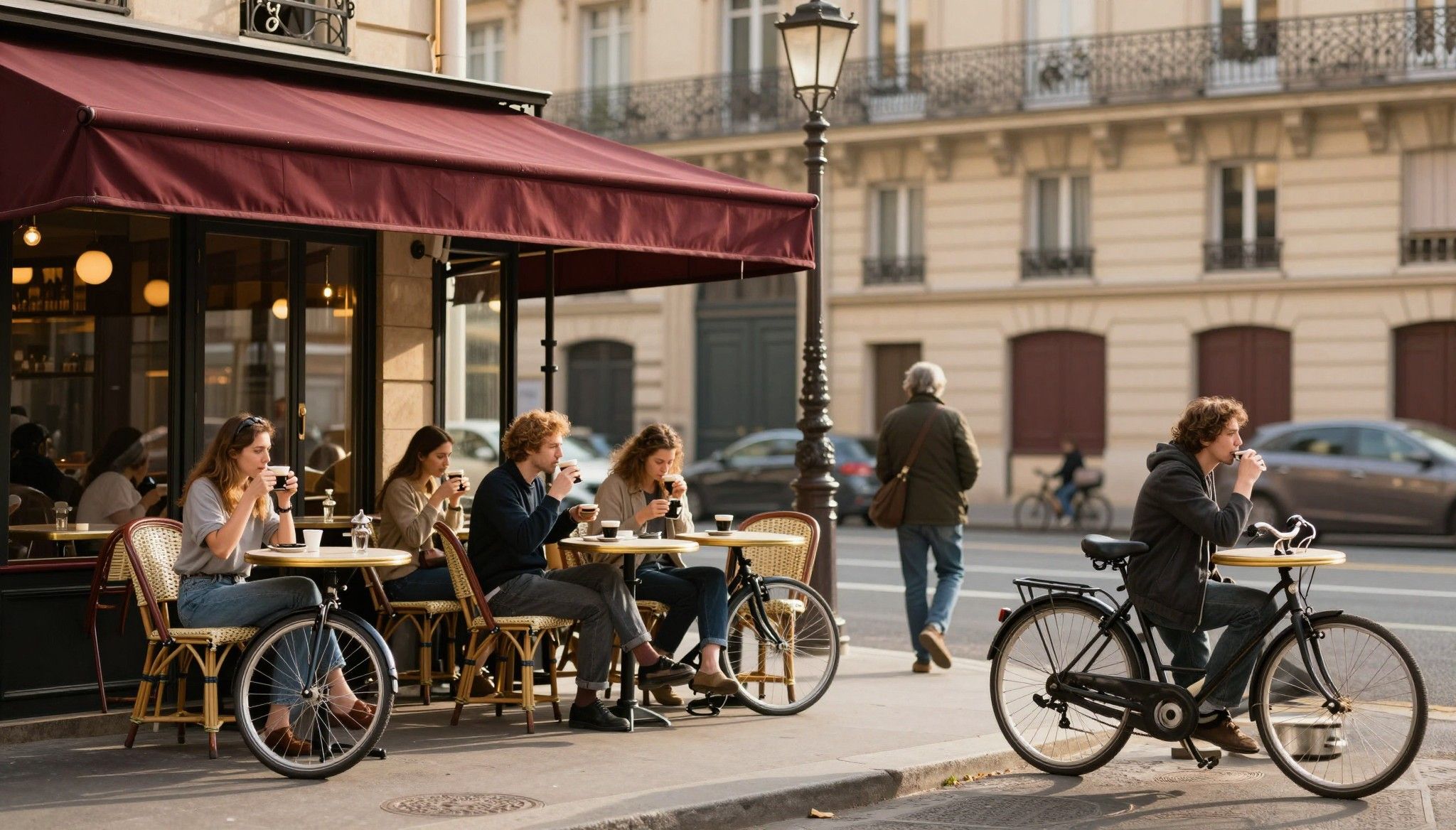
- Rue Cler, Paris — early espresso and slow afternoons
- Côte d’Azur terraces — outdoor living and late dinners
- Marais courtyards — compact city life with private lightwells
Making the move: practical considerations that preserve the life you seek
Recent data shows prices stabilising and a gentle recovery in 2025, an important context when deciding whether to act now or observe. Statistics can tell you where demand is rising — for example in Alpes‑Maritimes and Île‑de‑France — but they do not replace region‑specific checks: departmental transfer tax rates, building regulations for historic properties, and insurers’ views on seasonal risks. These details shape overall affordability and long‑term stewardship.
Property types and the life they enable
A village stone house offers provenance and thick walls that age gracefully; a Haussmann apartment brings scale, ceiling height and proximity to cultural life; a contemporary villa on the Riviera offers inside‑out living and privacy but higher maintenance. Match structure to routine: if markets and cafés matter, prioritise walkability; if privacy and land matter, expect higher estate taxes and upkeep. Each type demands a different financing and conservation plan.
Local experts who preserve your lifestyle
A French agent or notaire does more than transact: they translate municipal practice, negotiate with sellers experienced in local phrasing, and advise on departmental tax choices. For international buyers, a bilingual notaire and a lender comfortable with non‑resident paperwork will keep the process quiet and predictable. Treat agency selection as custodianship of your future life in France, not merely a service.
- Get a local tax estimate from a notaire; confirm departmental DMTO rate and potential increases.
- Arrange pre‑approval with a French bank or an international lender familiar with French mortgages; expect differing LTV for non‑residents.
- Commission an diagnostic technique report and check urban planning (PLU/servitudes) before exchange of contracts.
- Plan for 2–8% in notaire and transfer costs on ancien properties (2–3% for neuf), then add renovation and stewardship budgets.
Insider knowledge: myths, red flags and cultural realities
Buyers often arrive with refrains — 'France is expensive', or 'Paris is a single market' — that obscure nuance. Many provincial towns offer exceptional value and superior life: Creuse or Lot present low price per square metre and a rich rural tempo, while pockets of Paris and the Riviera remain premium. The real risk is mistaking a headline for a neighbourhood; good local advisors will show you the streets that matter, not the averages.
What expats wish they’d known
Language matters in subtle transactions: a vendor’s understatement, an agent’s euphemism about travaux, or a municipal phrase about servitudes can influence price and obligations. Many buyers regret not visiting at different seasons; a summer‑bright village can be a winterly, quiet place. Practical integration — local associations, market friends, a trustworthy estate manager — transforms a holiday romance into sustainable daily life.
Hidden costs and red flags
- Departmental DMTO increases (some departments raised the rate to 5% in 2025).
- Condominium co‑propriété debts or upcoming works voted at general meeting.
- Unregistered extensions or planning constraints that make renovations costly.
Those practical cautions are why a measured team matters: a notaire for title and taxes, an architect for historic works, and an agent who knows local rhythm. Together they protect both the purchase and the lifestyle it promises.
If you are considering a first meeting, begin with three modest steps: a short reconnaissance trip to the neighbourhoods you love, a notaire’s fee estimate for target departments, and a lender conversation about non‑resident terms. These actions preserve the romance of arrival while removing surprises from the months that follow.
At the end of the day, buying in France is stewardship: you are acquiring not only walls and land but a local life. Work with advisors who respect that obligation and can translate cultural nuance into clear legal and financial choices. Then the mornings in Aix, the market stalls in L’Isle and the terrace dinners on the Riviera cease to be fantasies and become the rhythm of your life.
Villa CuratedDutch former researcher who moved to Lisbon, specialising in investment strategy, heritage preservation, and cross-border portfolio stewardship.
Related Articles
More insights that might interest you
 Villa Curated
 The Yieldist
 The Yieldist


