Malta: Choose Neighbourhood Rhythm Over Square Metres
Malta’s compact lifestyle and rising prices mean neighbourhood choice matters more than size—visit in different seasons, prioritise rhythm over square metres, and verify permits.
 Ashworth & Drake
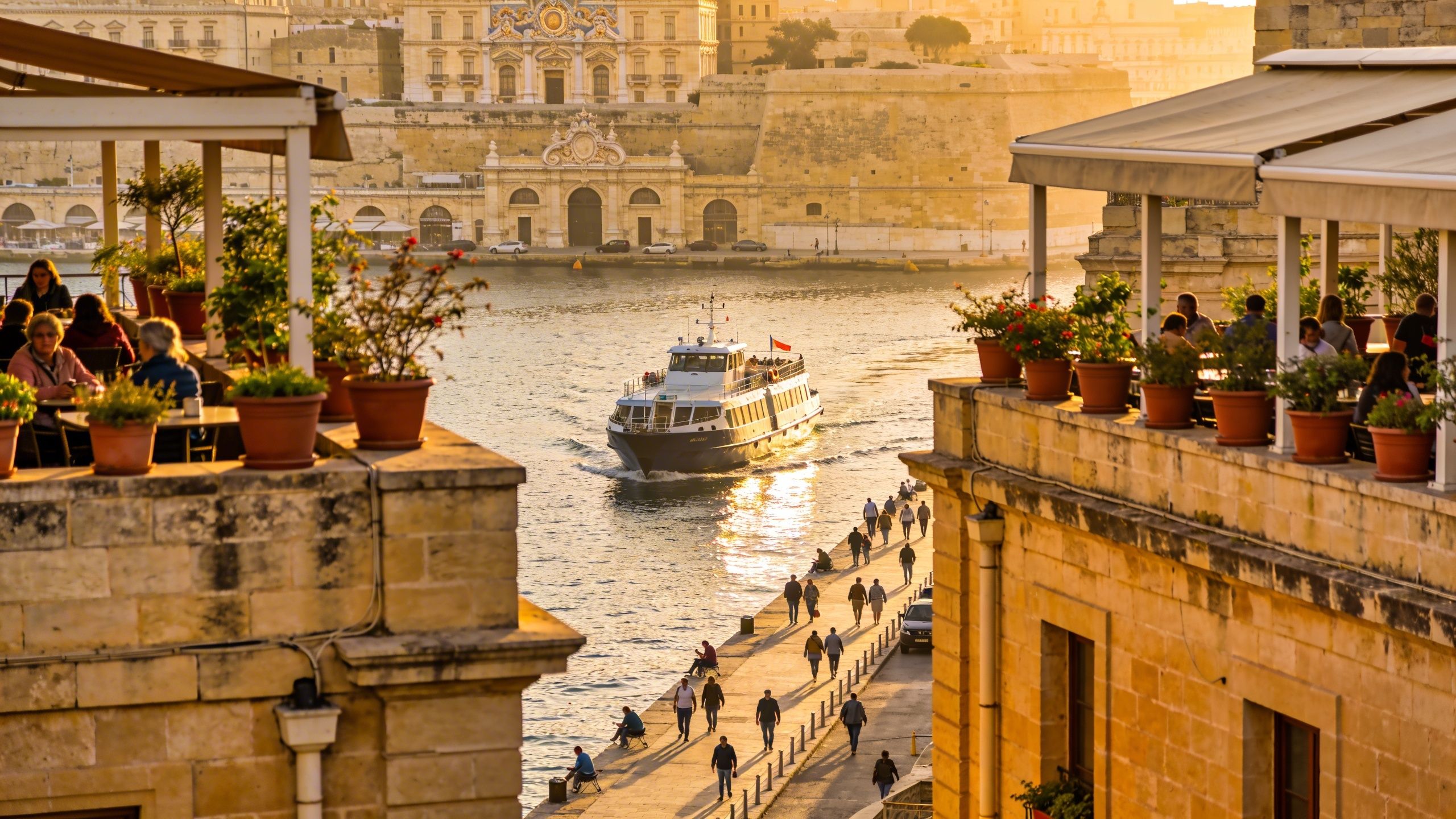
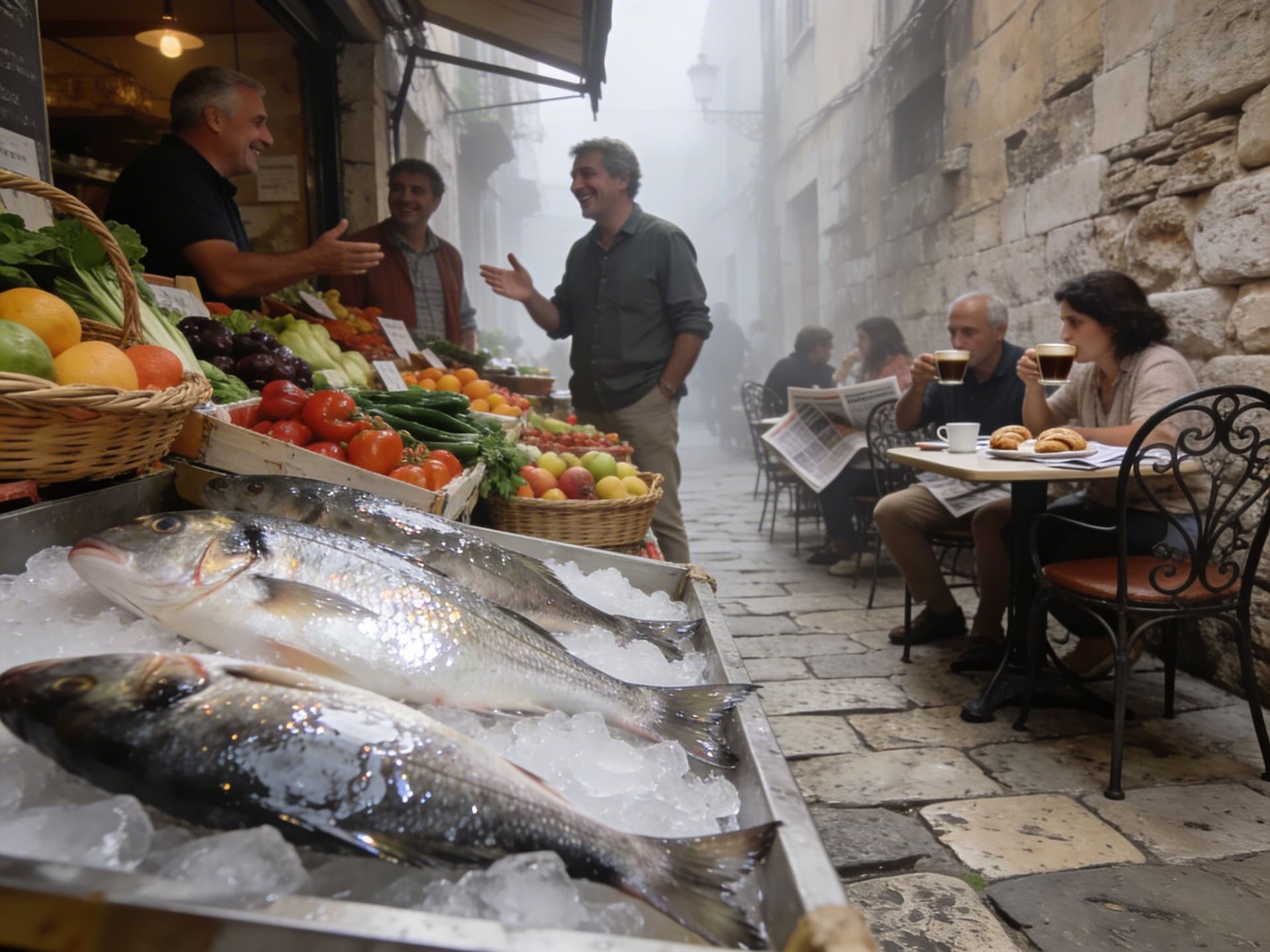
Imagine waking to espresso on a limestone terrace in Valletta, then walking ten minutes to a morning market where the catch of the day is still steaming. Malta is compact: short commutes, sea-salted air, narrow streets that open onto squares. That compression is the island’s secret — lifestyle and liquidity live cheek by jowl, and for many international buyers that’s irresistible. But behind the postcard is a market moving fast: prices rose materially in 2024–25, driven by scarce land and steady demand. (See NSO RPPI data for context).
Living Malta: small‑island intensity, big daily rewards
Living here compresses what other countries spread over an hour. You’ll trade long drives for dense ritual: a corner café in Sliema, a late-afternoon swim in St George’s Bay, aperitifs on a roof terrace in Valletta. That density creates both charm and competition for well‑located flats — and it shows in official indices: Malta’s RPPI climbed notably in recent quarters, a reminder that lifestyle premiums have market consequences.
Valletta & The Three Cities: history as your neighbour
Picture baroque façades, early-morning fruit stalls on Merchants Street, and evenings where theatre and harbour promenades blend. Valletta gives you a civic heartbeat: museums, small galleries, cafés that know your name. Across the harbour, Cospicua, Senglea and Vittoriosa (the Three Cities) offer quieter streets and often better value per square metre — the kind of neighbourhood where builders restore old townhouses into surprisingly contemporary homes.
Coastal towns: Sliema, St Julian’s and Gzira — convenience and conviviality
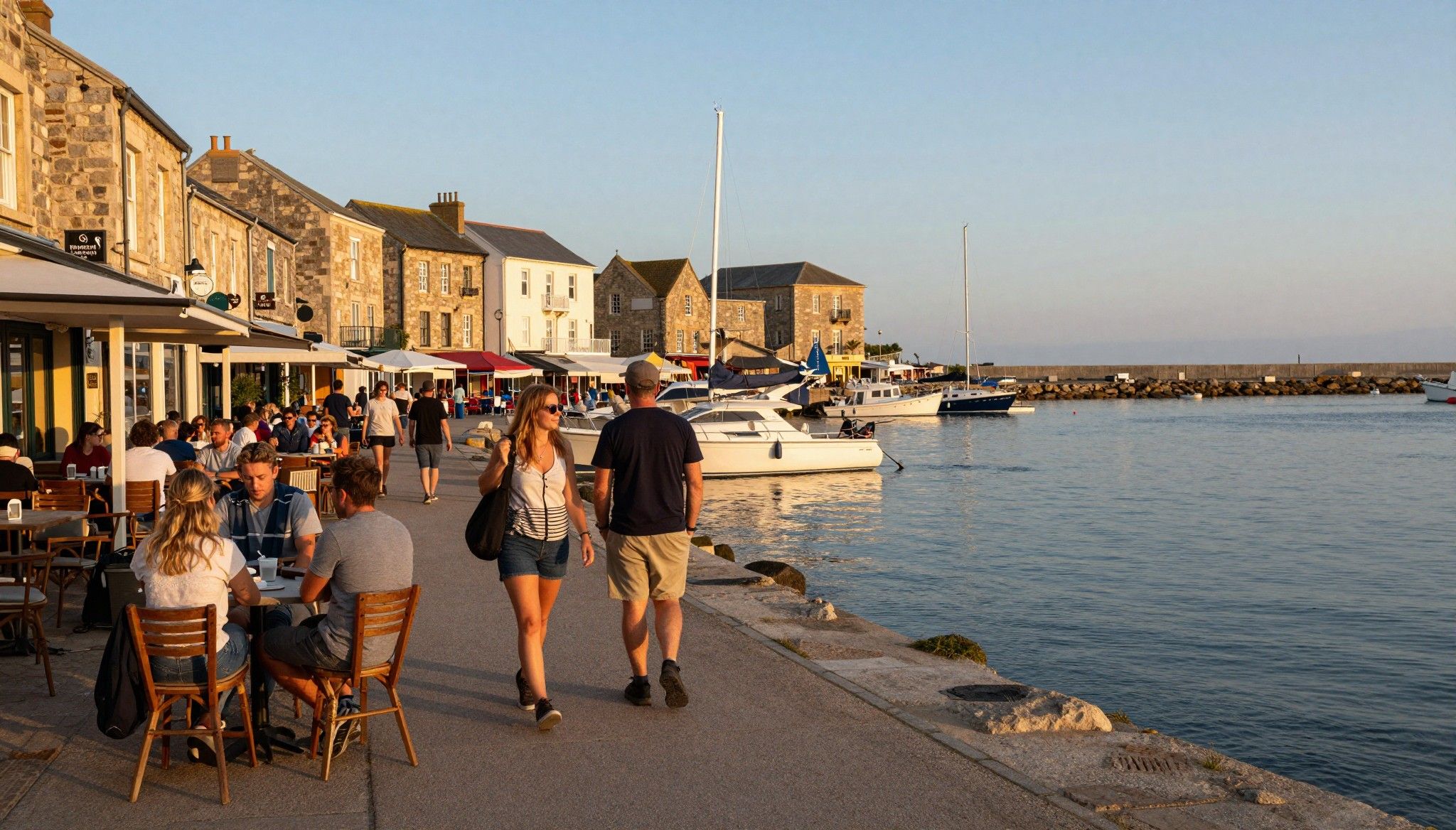
If you want cafés that spill onto promenades and an easy ferry to Valletta, Sliema and Gzira are magnetic. St Julian’s (particularly Paceville-adjacent but also Portomaso) leans younger and livelier; Sliema has morning markets and family-friendly terraces. Expect apartment living, rooftop terraces, and a steady stream of international restaurants — excellent if you like life at the water’s edge with city comforts.
- Lifestyle highlights
Morning espresso at Caffe Cordina (Valletta) — pastry, people-watching, immediate city rhythm
Weekend swims at Għajn Tuffieħa or Mellieħa Bay — short drives open wild coastline
Fresh fish stalls at Marsaxlokk market on Sunday — a ritual that connects you to seasonality
Evening promenades in Sliema/Gzira with rooftop bars and ferry links to Valletta
Making the move: how lifestyle choices shape the property you need
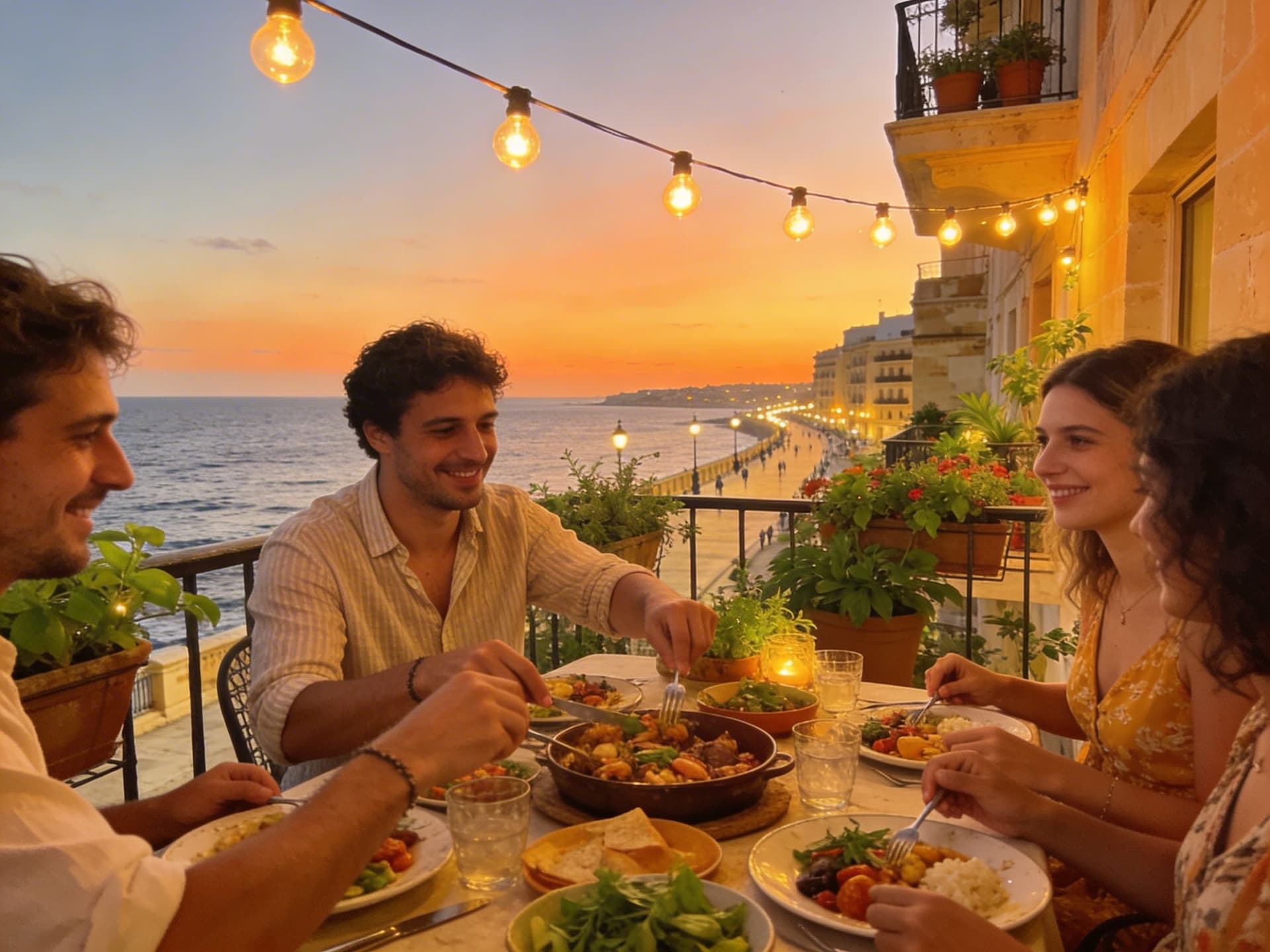
Your lifestyle choices — morning market or rooftop aperitivo, historic stone house or modern block — determine not only neighbourhood but price sensitivity. Official data shows steady price growth in 2024–25; that matters because Malta’s land scarcity amplifies small location premiums into big dollar differences. Match lifestyle first, then size and amenity.
Property styles & what they mean for daily life
Traditional townhouses (often in the Three Cities or older Mdina/Valletta streets) give you high ceilings, inner courtyards and long renovation timelines. Apartments along Sliema and St Julian’s offer modern conveniences, rooftop terraces and easier lettings. If you crave quiet mornings, look inland to Attard or Zebbug; if the sea is non‑negotiable, narrow your search to the northern and eastern promenades.
Working with local experts who actually know the rhythm
Good agents in Malta are not just salespeople — they are translators of neighbourhood rhythm. They’ll tell you which streets are quiet after 7pm, which blocks flood after heavy storms, and where owners rent seasonally. Ask for recent comparable sales, municipal permit histories, and a realistic rental income range if you plan to let. Local lawyers and surveyors matter more here because titles and conversion permissions can be granular.
- Steps to align lifestyle with purchase
Visit at least twice in different seasons — Malta’s summer vibrancy hides winter quiet and construction rhythms.
Prioritise neighbourhood rhythm over square metres — a smaller terrace in Valletta can outperform a larger inland garden for lifestyle value.
Get a local architect or surveyor to flag hidden costs: damp-proofing in older stone homes, terrace waterproofing, and permit checks for balconies.
Insider knowledge: what expats wish they’d known
A few practical truths that don’t make good postcards: first, political and regulatory shifts matter. Recent rulings curtailed citizenship‑for‑investment routes, changing some buyers’ motivations and affecting demand dynamics. Second, Malta’s compactness means renovation noise, neighbouring behaviour and even parking scarcity can become daily friction points — dig into those before you sign.
Cultural integration, language and day-to-day life
English is an official language, which flattens many early frictions: doctors, banks and councils generally communicate in English. Still, learning Maltese opens doors — neighbours, local committees, the best traders at the markets. Expect a social calendar that orbits festas, harbour events and weekend beach trips; show up and you’ll be invited.
Long-term lifestyle considerations
Think 5–10 years ahead. Coastal apartments are desirable for rentals and resale, but maintenance (salt corrosion, waterproofing) is an ongoing cost. Townhouses can appreciate with thoughtful restorations. If you want community stability, research upcoming municipal plans — small islands change fast when a new marina or school gets approval.
- Red flags to watch for
Missing municipal permits for added terraces or basements — can halt renovations.
Unresolved boundary disputes in denser older quarters — ask neighbours about long-term issues.
Over-reliance on short-term rental assumptions — seasons and regulation can flip revenue expectations.
Conclusion: fall for the life, then confirm the file. Malta rewards people who choose neighbourhood first and spreadsheets second. Start by visiting for more than a long weekend, meet local agents who can show you both a lively promenade and a quiet lane, and ask for verified comparables and permit histories before you commit. If you want to talk neighbourhood matches — tell us what mornings and evenings look like in your ideal life, and we’ll point you to the streets that deliver it.
Ashworth & DrakeDanish investment specialist who relocated to Costa del Sol in 2015. Focuses on data-driven market timing and long-term value for Danish buyers.
Related Articles
More insights that might interest you
 Villa Curated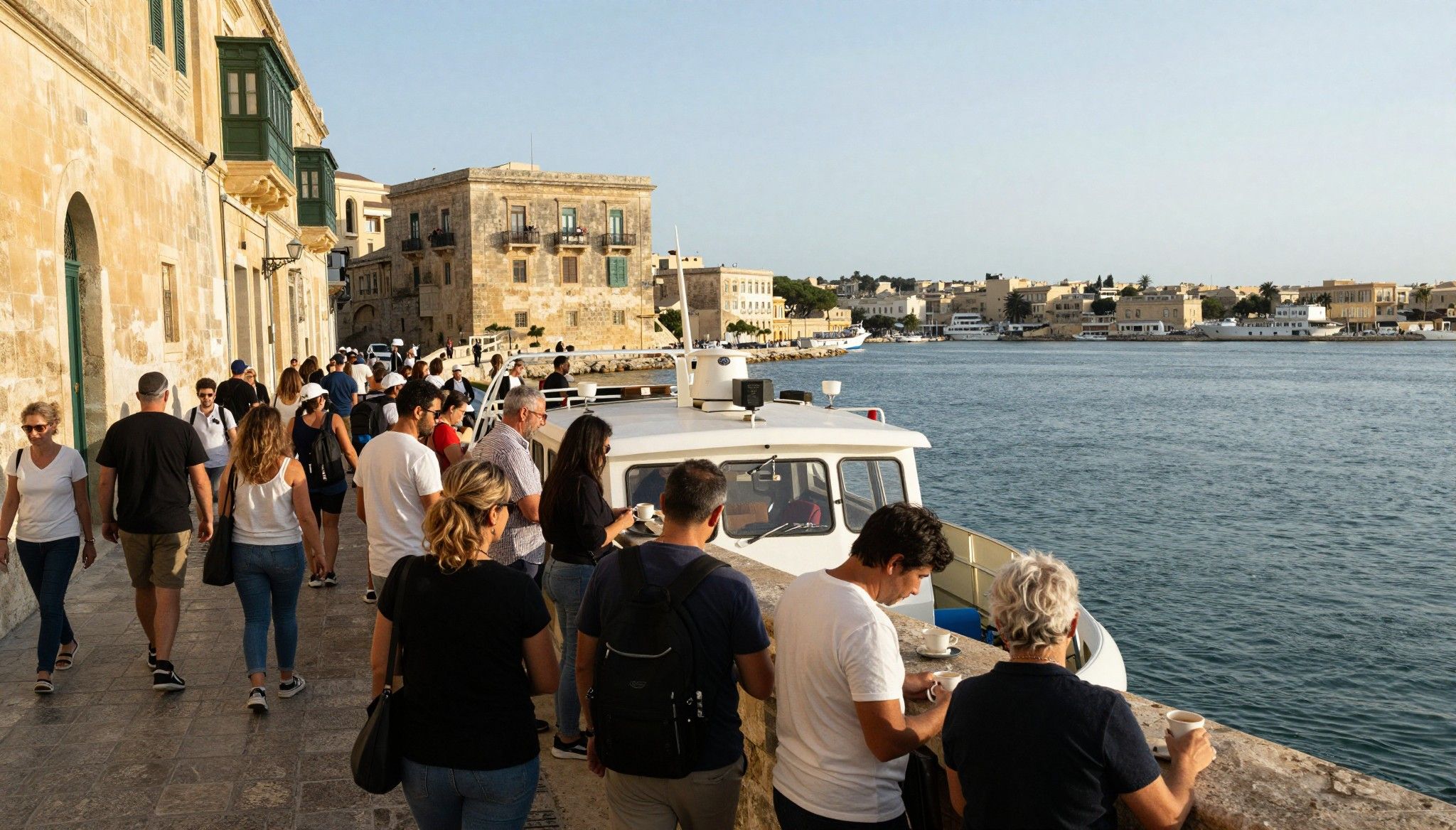
 The Yieldist
 MoveSettleGo
