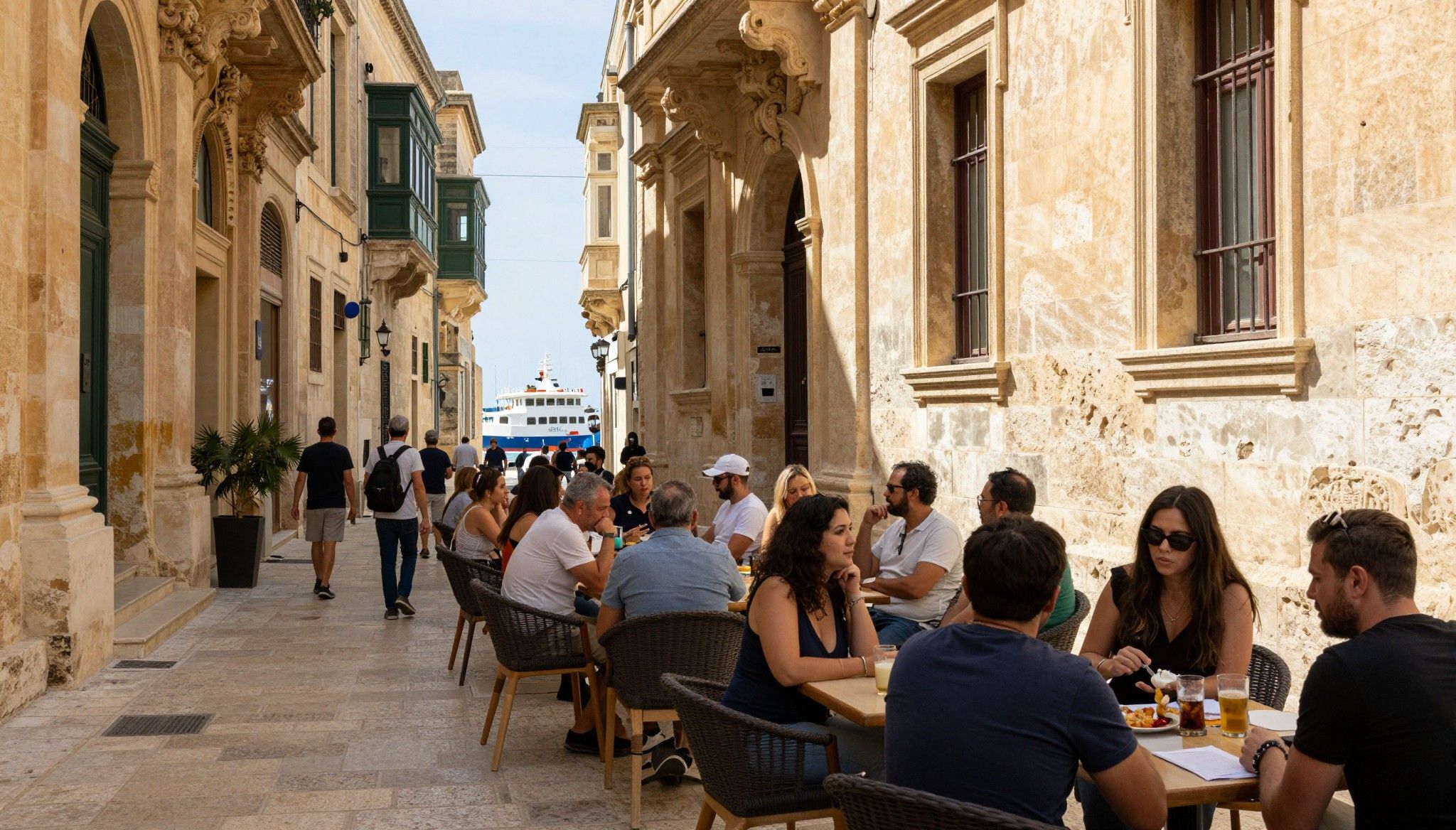
Malta: Buy the Micro‑Location, Not the Postcard
Malta’s magnetism masks concentrated price pressure—prioritise micro-location, net yields and operational readiness to match lifestyle with defensible returns.
 The Yieldist
Imagine waking to the sound of church bells in Valletta, grabbing an espresso on Strait Street, then hopping a 20‑minute bus to a rental-ready apartment in Sliema. That contrast—compact, historic urban days and efficient modern commutes—explains why buyers fall for Malta fast. Recent market analysis shows prices continue to rise, but the island’s small scale and concentrated demand make micro-location the decisive factor for returns.
Living Malta: Mediterranean rhythm, dense choice
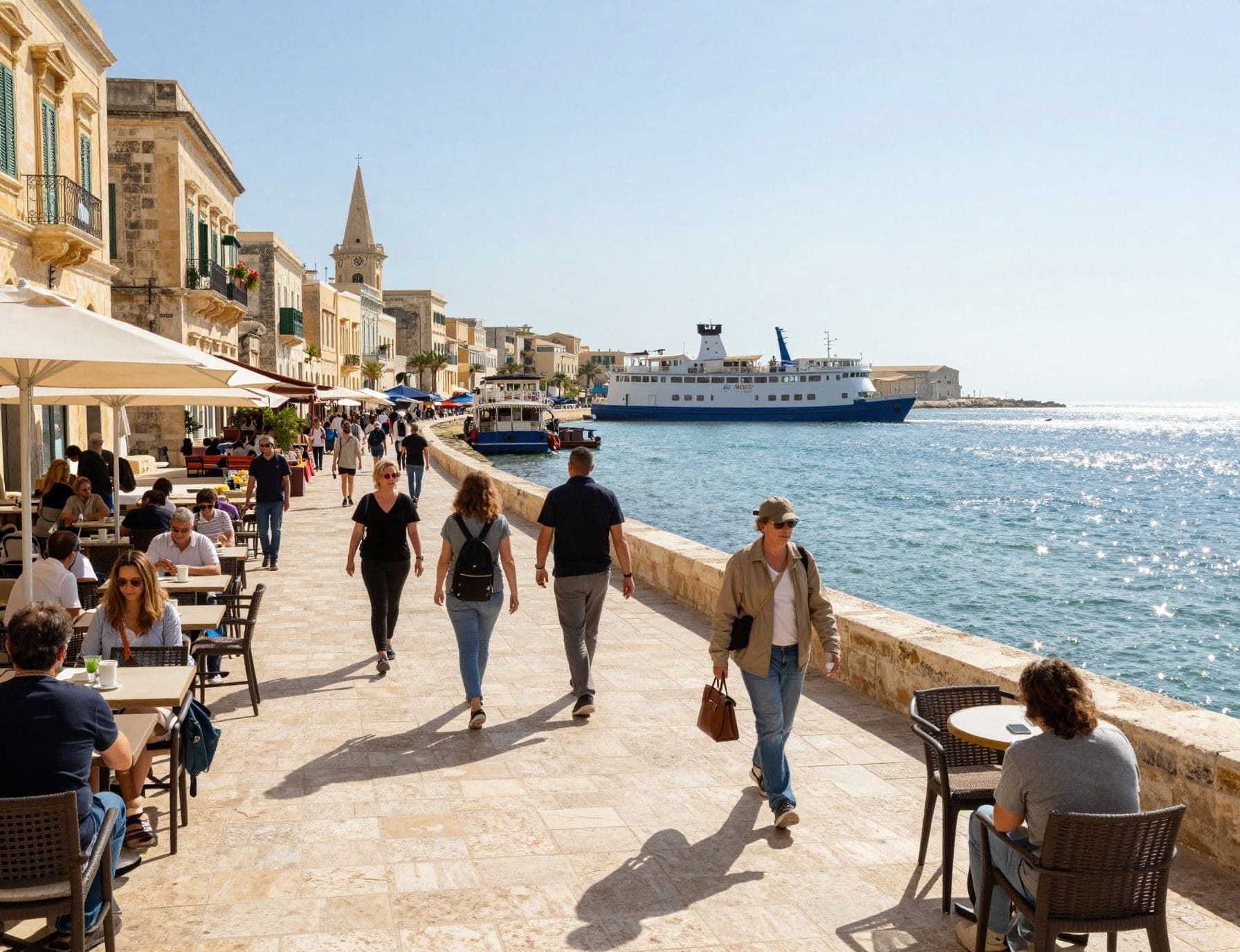
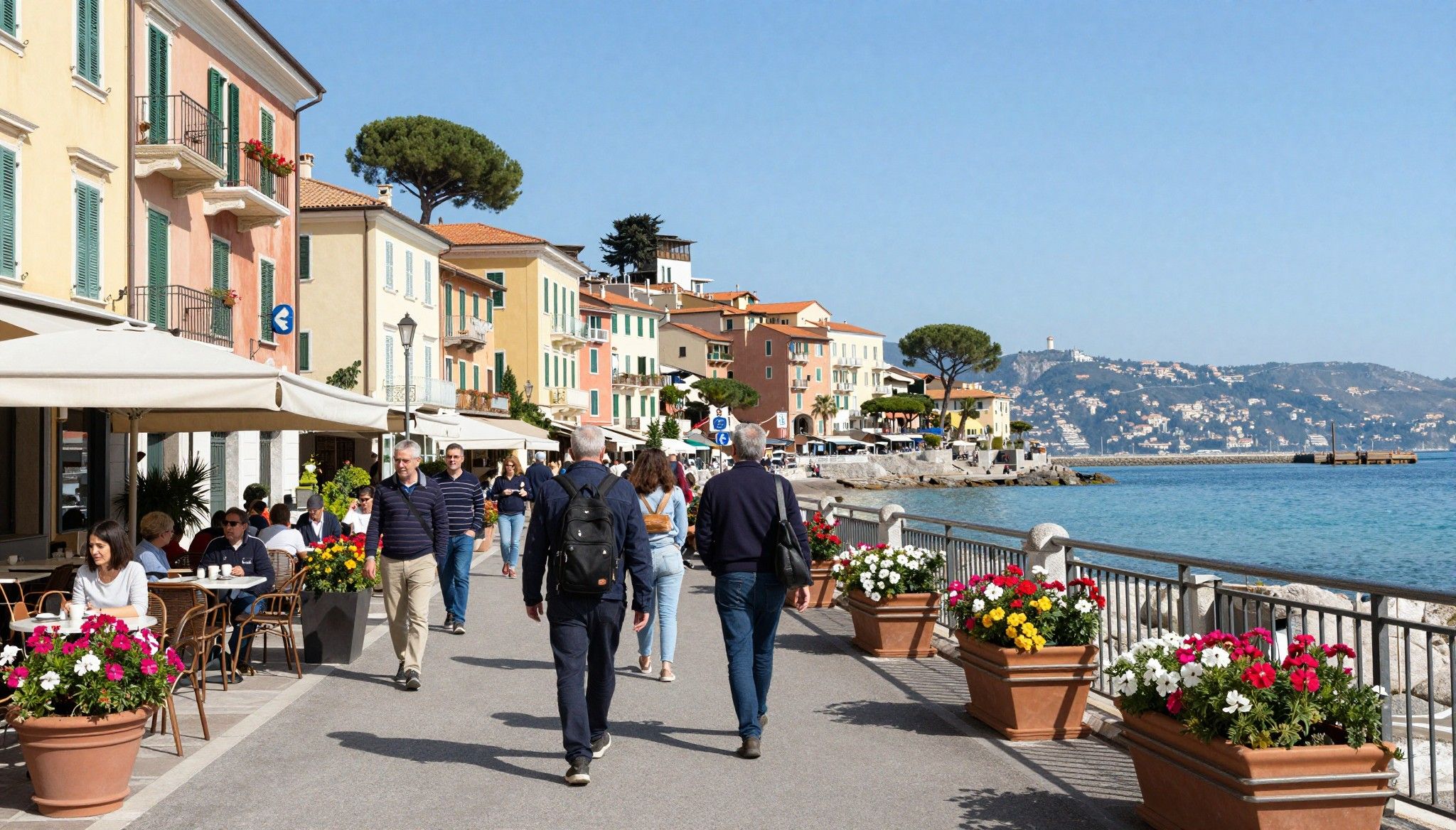
Malta compresses Mediterranean life into a 27‑by‑14 kilometre habit. Days are spent between narrow baroque streets, blue harbours and compact residential crescents. English is an official language, cafés cluster on waterfront promenades, and a strong expat presence—in Sliema, St Julian’s and Swieqi—creates instant community for new arrivals. The result: lifestyle appeal that’s immediate and easy to monetise through short- and medium-term rentals.
Valletta, Sliema and St Julian’s: where demand concentrates
Valletta sells history and walkability—stone facades, boutique restaurants and short-term tourist demand—while Sliema and St Julian’s sell convenience and rental velocity: ferries, cafes on Tower Road, coworking pockets and an English-speaking services economy. Investors should expect premium price per square metre here and faster lettings, especially for well‑specified 1–2 bed apartments.
Coastal calm and village life: Mellieħa, Marsaxlokk, Mdina
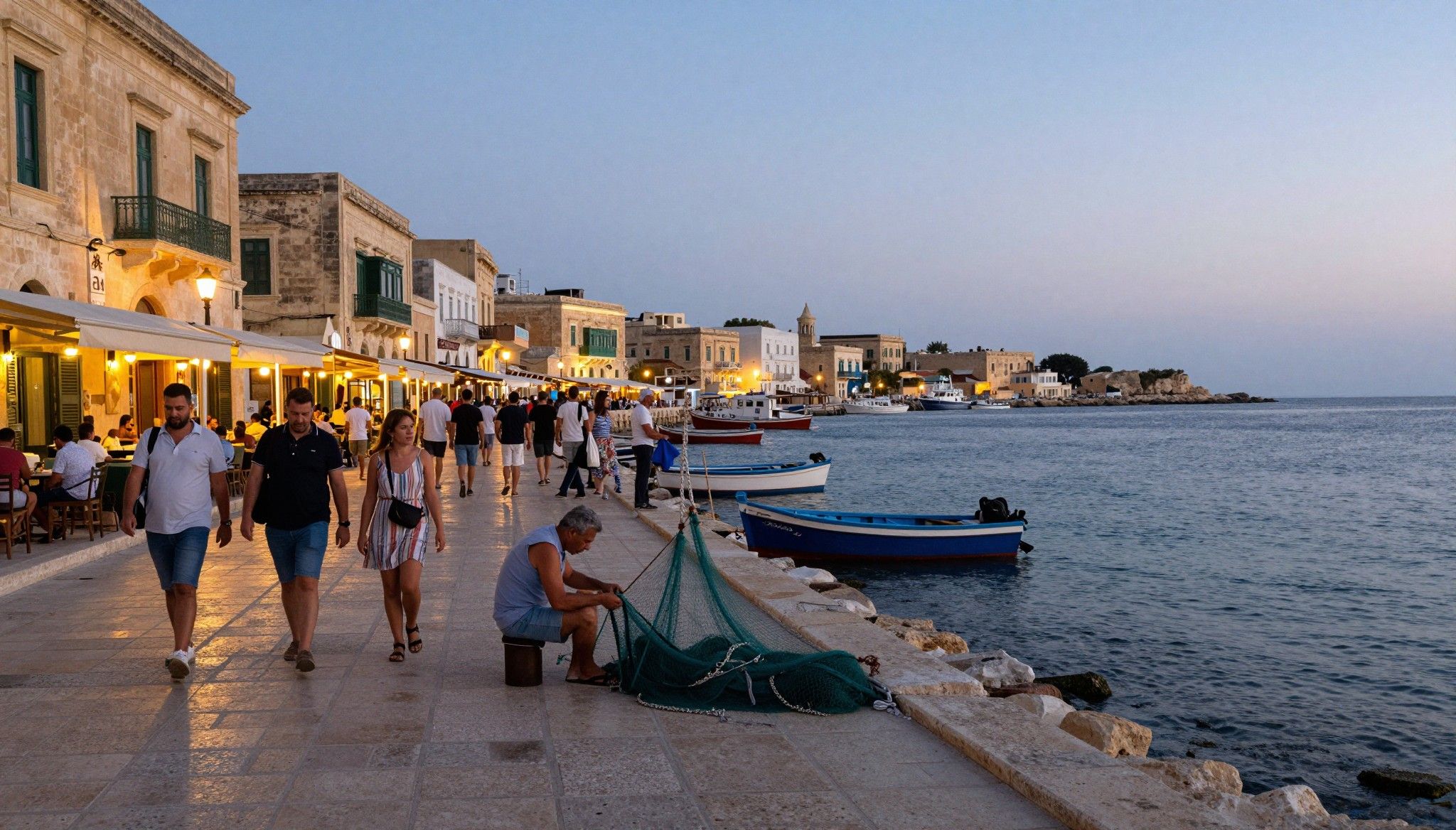
If you want sea and slower pace, Mellieħa’s sandy bays and Marsaxlokk’s fishing-harbour mornings deliver quiet living with seasonal rental upside. Mdina offers heritage seclusion—high maintenance but unmatched long-term capital desirability. These areas trade rental frequency for lifestyle quality; yields tend to be lower but capital resilience is solid when tourism cycles recover.
- Lifestyle highlights: real places, real rhythms
- Morning espresso on Republic Street, Valletta
- Sunset walk along Sliema promenade and ferry to Valletta
- Weekend market at Marsaxlokk for fresh fish and local produce
- Hiking the Dingli Cliffs followed by a seaside dinner in Mgarr
Making the move: lifestyle decisions that change returns
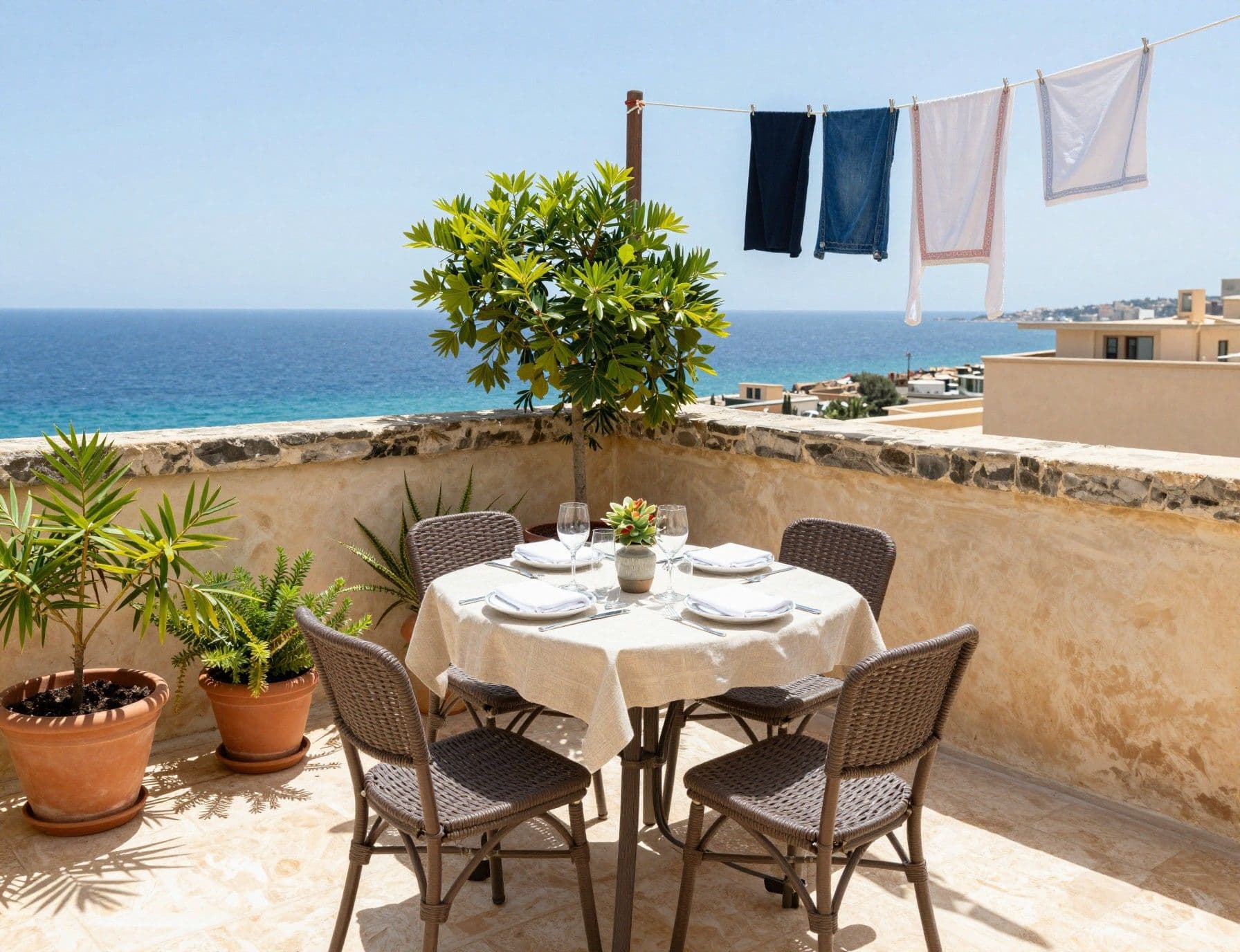
The emotional case for Malta—compactness, English, Mediterranean climate—must be checked against three practical realities: price concentration, rental yield compression, and regulatory tailwinds that have shifted in recent years. National statistics report continuing price growth; the NSO RPPI rose 5.2% in Q4 2024 versus Q4 2023, confirming steady appreciation but also highlighting the need for micro-location discipline.
Property market signals (what the data says)
Official indices and central bank reviews show mid-single-digit annual price rises and a rental market that has strengthened as tourism and foreign workers increase. Expect gross rental yields to sit in the low‑to‑mid single digits in central nodes; yield compression is the key trade-off for liquidity and capital growth. Use published indices to stress‑test purchase price vs expected rent.
Property types and how they map to lifestyle and returns
Modern, sea-facing apartments near St Julian’s command top rents for short-term stays; older townhouses in Valletta convert well to boutique rentals but require higher refurbishment capex. Terraced houses on the northern coast suit families and long lets. Choose property type by intended use: short-stay yields are higher but more operationally intensive; long‑let yields are lower but more stable.
- Practical steps that fuse lifestyle and investment (numbered)
- Rank neighbourhoods by net yield, not prestige: adjust advertised rent for management fees, utility costs, and seasonality.
- Insist on comparable rental contracts for the last 12 months when evaluating income potential.
- Allocate a refurbishment buffer (5–12% of purchase price) for historic fabric in Valletta or Mdina.
- Factor in seasonal vacancy: model worst‑case occupancy for short-stay strategies (50–60% off‑season in non‑peak areas).
Insider knowledge: what expats learn after 12 months
Expat experience often begins with enthusiasm and ends with a clearer view of trade-offs. You’ll value reliable air conditioning in August, a parking spot in St Julian’s, and a local agent who knows which streets actually relet quickly. Cultural fluency—small courtesies, business hours, and the Maltese fondness for family-owned services—shapes both quality of life and practical property outcomes.
Cultural cues that affect property use
Sunday is family time and many local businesses close; festivals and festas can boost short‑stay demand in specific localities. English-language listings ease search, but agency relationships still matter: many off‑market or newly listed units circulate via local broker networks before wide marketing.
Regulatory and demand context every buyer should check
- Key market facts to verify before you offer:
- Confirmed multi-year price growth (NSO RPPI showing mid-single-digit annual changes).
- Gross rental yields generally low-to-mid single digits in central nodes—model net yields after management costs.
- Policy shifts on residency and citizenship have reduced some investor flows—check current rules before assuming demand drivers.
If we sum it up: Malta is a market of concentrated demand, where micro-location and operational capability (property management, short‑stay compliance) define whether you enjoy the lifestyle and protect returns. Work with on‑island advisors who can provide transaction comparables, recent lettings, and a frank CapEx plan.
Agent checklist: what to require from local experts
- A 12‑month lettings history for the property or immediate comparables.
- A written estimate of seasonal vacancy and maintenance costs based on property type.
- Clear breakdown of purchase taxes, notary fees and any residency‑linked compliance costs.
A final reality check: macro factors that matter
Malta’s economy remains export‑oriented (tourism, iGaming, financial services). External shocks to tourism or regulatory changes around residency schemes have historically influenced demand. Use macro reviews to stress test your exit scenarios: if short‑stay regulation tightens, will your asset perform as a long‑let?
Conclusion: buy the lifestyle you can operate. Malta sells immediate Mediterranean living and a simple language environment. For investors, the advice is concrete: prioritise micro-location, model net yields (not advertised rents), and secure a local agent who supplies recent letting records and a refurbishment budget. Do that, and you get both the life—fishing harbours, espresso rituals, compact commutes—and defensible returns.
The YieldistDutch investment strategist who built a practice assisting 200+ Dutch clients find Spanish assets, with emphasis on cap rates and due diligence.
Related Articles
More insights that might interest you
 Villa Curated
 Villa Curated
 The Yieldist


