Why Winter House‑hunting in France Can Cost You
Seasonal romance and French property taxes collide. Learn how timing, residency and local rules change costs and which tax moves protect the life you want in France.
 Villa Curated
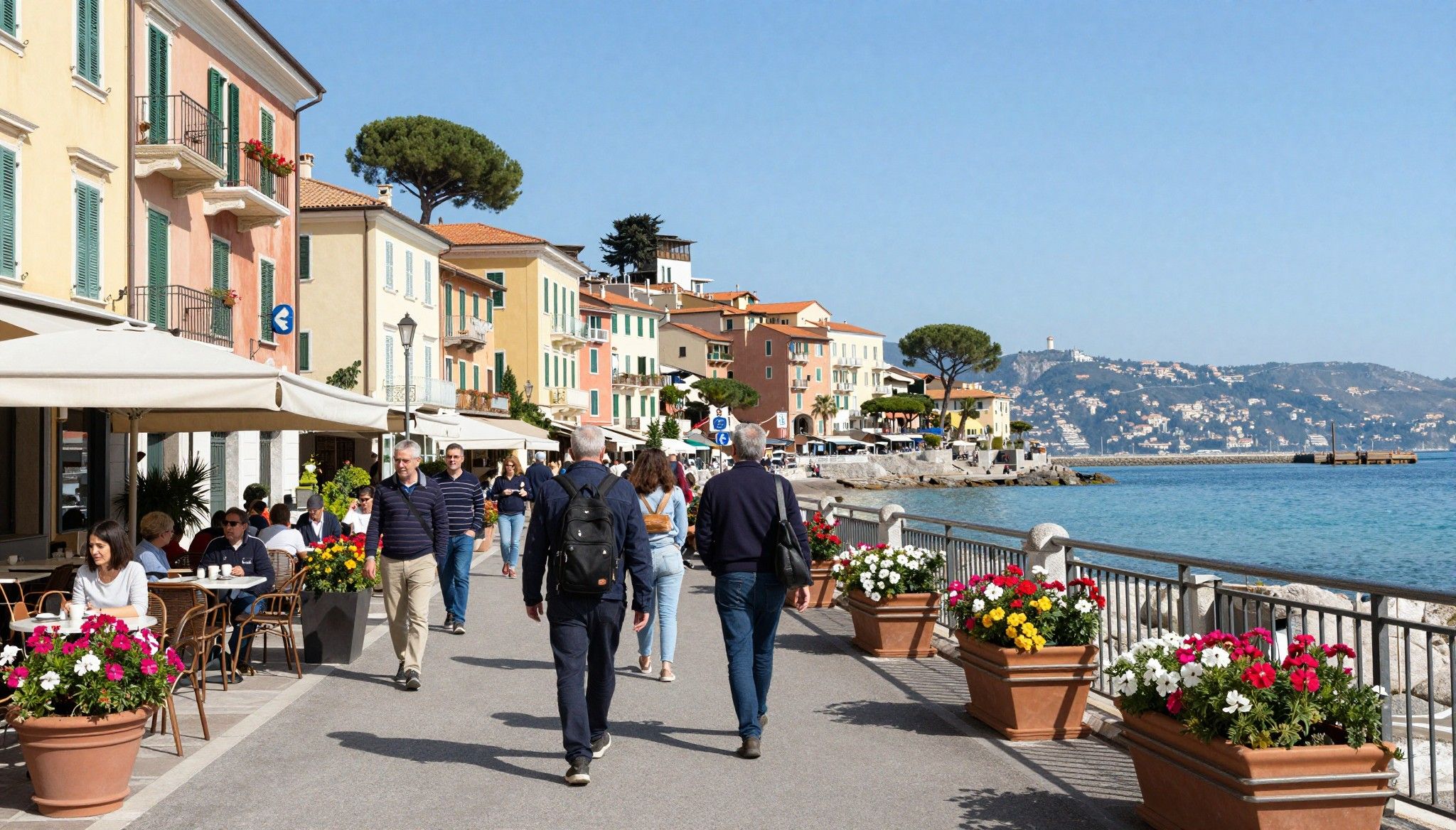
Imagine a November morning on rue Cler: market stalls heavy with chestnuts, a boulanger selling warm pains au chocolat, and a crisp clarity to the light that makes stone façades look newly carved. It is precisely the intimacy of those off‑season streets — quieter cafés, a greater chance to speak with a shopkeeper, open viewings without crowds — that seduces international buyers. But beneath that seductive silence lie tax and timing traps that reshape cost, residency strategy and long‑term stewardship. This guide pairs the lived reality of seasonal France with concrete tax planning and examples so you arrive charmed, prepared and financially prudent.
Living the French life — seasons, streets and small rituals

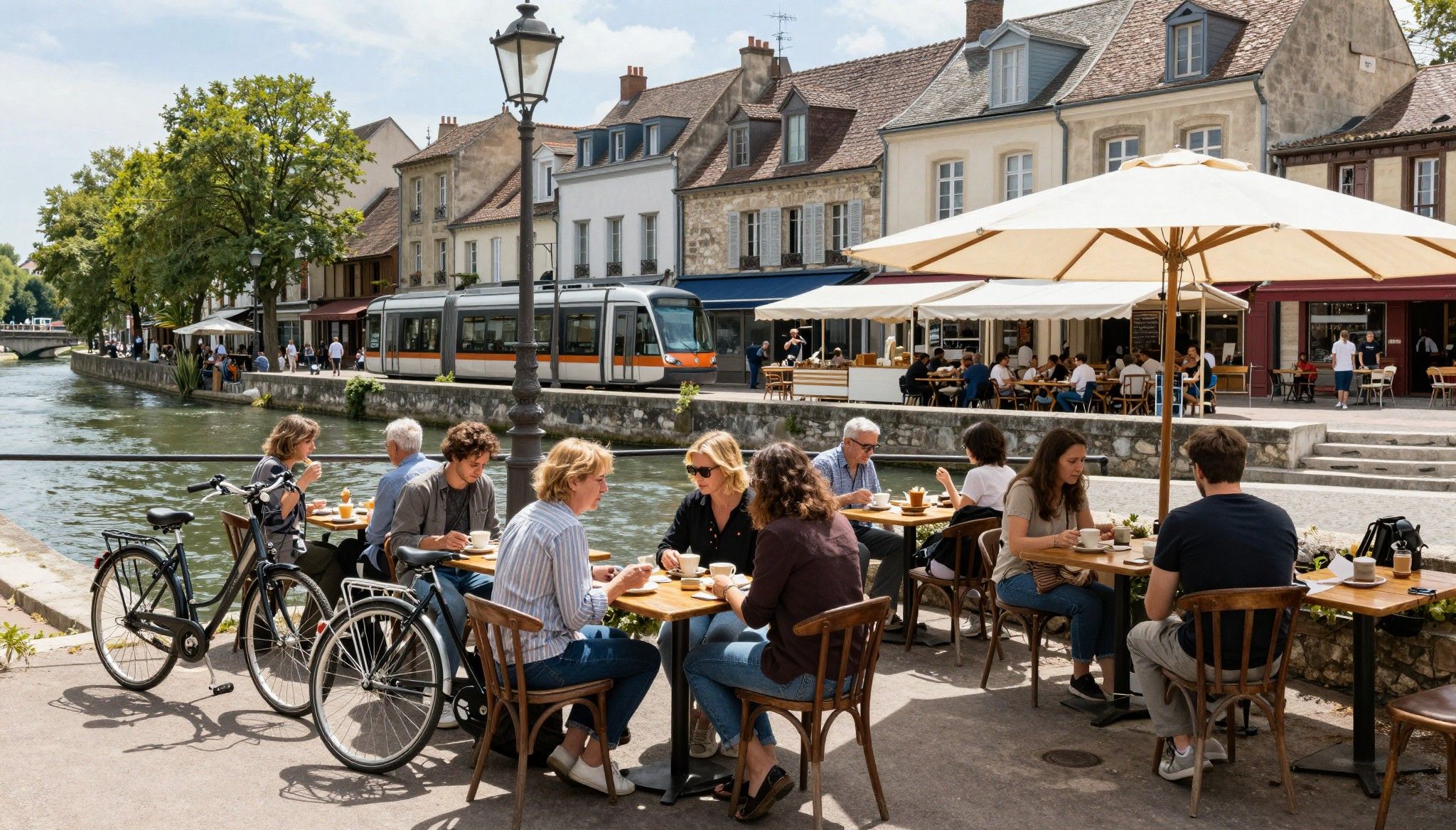
Life in France moves by rhythms: weekday marché runs, slow lunches that blur into espresso, Saturday boulanger lines, and summers that spill from shaded terraces to sunlit promenades. From the narrow passages of Carcassonne to the wide boulevards of Lyon and the stone courtyards of Aix‑en‑Provence, each place prescribes a tempo that influences the property you choose and how you’ll use it. For an international buyer, understanding those daily patterns—what streets are lively in winter, where markets pause in August—matters as much as square metres when it comes to tax classification and rental potential.
Paris: concentrated culture, discrete costs
Paris is a study in provenance: Haussmannian façades, private courtyards and apartments prized for ceiling heights and mouldings. Prices and taxes here respond to historical scarcity — the capital’s median values are materially higher and attract specific wealth taxes and local charges. Recent notarial analysis shows price stabilisation after recent volatility, a reminder that market timing matters not only for purchase price but for associated taxes such as stamp duty, municipal taxe foncière and — for significant portfolios — wealth taxation (IFI).
Coastal and rural France: seasonality shapes tax reality
On the Riviera or in Brittany, summer life is decisive for rental income but deceptive for long‑term value. Villages that appear bustling in July may contract in November; that affects achievable long‑term rental yields and the tax treatment of seasonal lettings. INSEE data and notaires indices show regional swings: coastal markets often outpace inland towns in summer demand but carry local rules on short‑term rentals and higher service costs that alter net returns after French income taxation and social contributions.
Making the move: practical tax and finance considerations tied to lifestyle choices
Your lifestyle choice—full‑time relocation, seasonal residence or buy‑to‑let—determines which taxes apply and when. French tax rules distinguish resident and non‑resident income, levy social charges on rental receipts in many cases, and apply capital gains regimes and allowances that depend on duration of ownership. Good planning aligns the life you want to lead — weekend markets, local friendships, school catchments — with structures that limit unnecessary fiscal drag.
Residency matters. Non‑residents pay French tax on French‑sourced income; owning property triggers declaration duties and can expose you to social levies on rent and gains. Impôts provides step‑by‑step rules for non‑resident owners — how to declare property, which regimes apply to furnished versus unfurnished rentals, and when the ‘réel’ regime is preferable to micro‑BIC or micro‑foncier.
Property types, use and their tax consequences
- Furnished rental can qualify as BIC (commercial) income with different deductible costs compared with unfurnished rental taxed as foncier.
- Short‑term tourist lets may trigger local registration, stricter municipal rules and additional local taxes that erode summer yields.
- Owning a second home that you seldom occupy can mean limited residency benefits and still incur full local taxes (taxe foncière, taxe d’habitation where applicable historically), so usage patterns should inform purchase timing.
Insider knowledge: counter‑intuitive tax moves that protect the life you buy
I have seen buyers assume that buying in the quieter months delivers bargains without thinking through tax calendars. A December purchase can defer certain local levies but may also trap you into immediate tax declarations for the coming year. Similarly, investing in a charming seaside village because summer revenue looks irresistible sometimes ignores municipal efforts to curb short‑lets — legislation that can change within a council term. The smart buyer treats seasonal romance as one input among residency rules, social charge exposure and capital gains timing.
How agencies earn their keep beyond viewings
- Identify local tax patterns: agencies versed in municipal practice will flag registration requirements for short‑term lets and typical effective yields.
- Coordinate with notaires and specialised tax advisers early: a notaire structures the deed and points to inheritance implications, while a fiscaliste clarifies cross‑border tax treaties.
- Plan ownership cadence: multi‑year horizons influence capital gains exemptions, and agencies can model occupancy scenarios that align lifestyle use with tax‑efficient regimes.
Steps to protect yourself (practical checklist)
- Ask for a detailed running cost estimate showing taxe foncière, utilities, insurance, and likely municipal surcharges so you see year‑round expenses, not just summer revenue.
- Request historical rental calendars for similar properties to test realistic occupancy outside peak months; some agencies keep anonymised landlord records for this purpose.
- Secure a pre‑sale fiscal opinion from a French tax adviser where residency, property use, or scale might trigger complex charges (IFI, social contributions, cross‑border reporting).
Case study: a British couple bought a Normandy cottage in January thinking quieter inspections meant better negotiation. They saved on price but faced immediate capital improvements that altered their tax profile and pushed them into the ‘réel’ tax regime for rentals. Early advice from a local fiscaliste and a notaire would have modelled those costs and the likely tax classification.
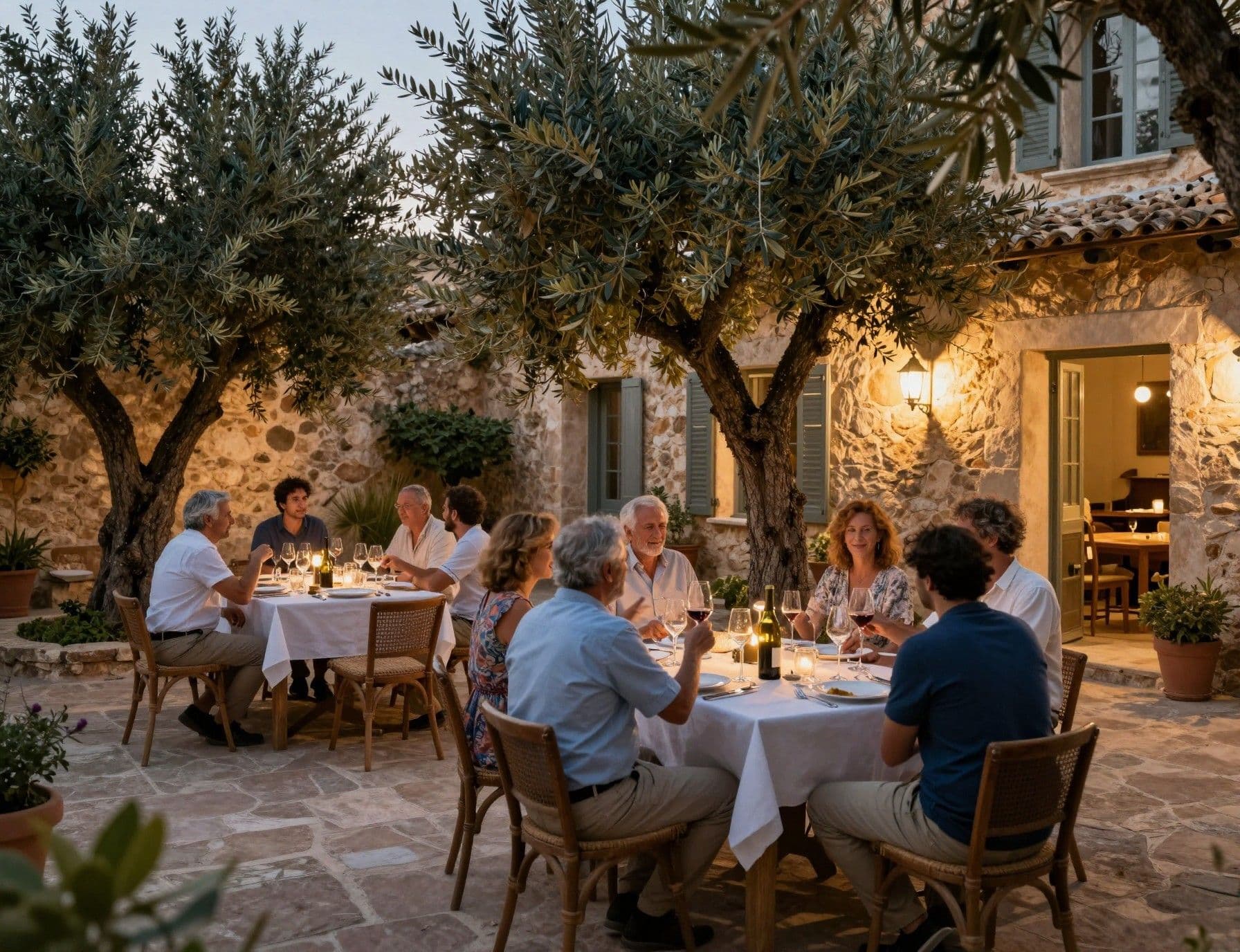
Over time, the right purchase pays not only in capital but in daily life: morning markets on rue Mouffetard, Provençal lavender mornings, coastal promenades at dusk. Align those pleasures with a plan: how you’ll occupy the house, which rental regime suits your plans, and how to time sale or inheritance to minimise tax leakage. A measured approach preserves both the life you crave and the asset you steward.
Next steps: schedule a local market briefing, obtain a pre‑purchase fiscal opinion, and ask your agent for a seasonally adjusted cashflow projection. With those elements you buy not just a property but a life in which the taxes and timing are partners to your plan, not surprises.
Villa CuratedRelocating from London to Mallorca in 2014, I guide UK buyers through cross-border investment and tax considerations. I specialise in provenance, design integrity, and long-term value.
Related Articles
More insights that might interest you
 Villa Curated
 The Yieldist
 The Yieldist


