France: The Micro‑Market Mosaic That Makes Yields Work
France’s charm masks a mosaic of micro‑markets — combine lifestyle priorities with local price data (Notaires, INSEE) to find reliable yields outside Paris.
 The Yieldist
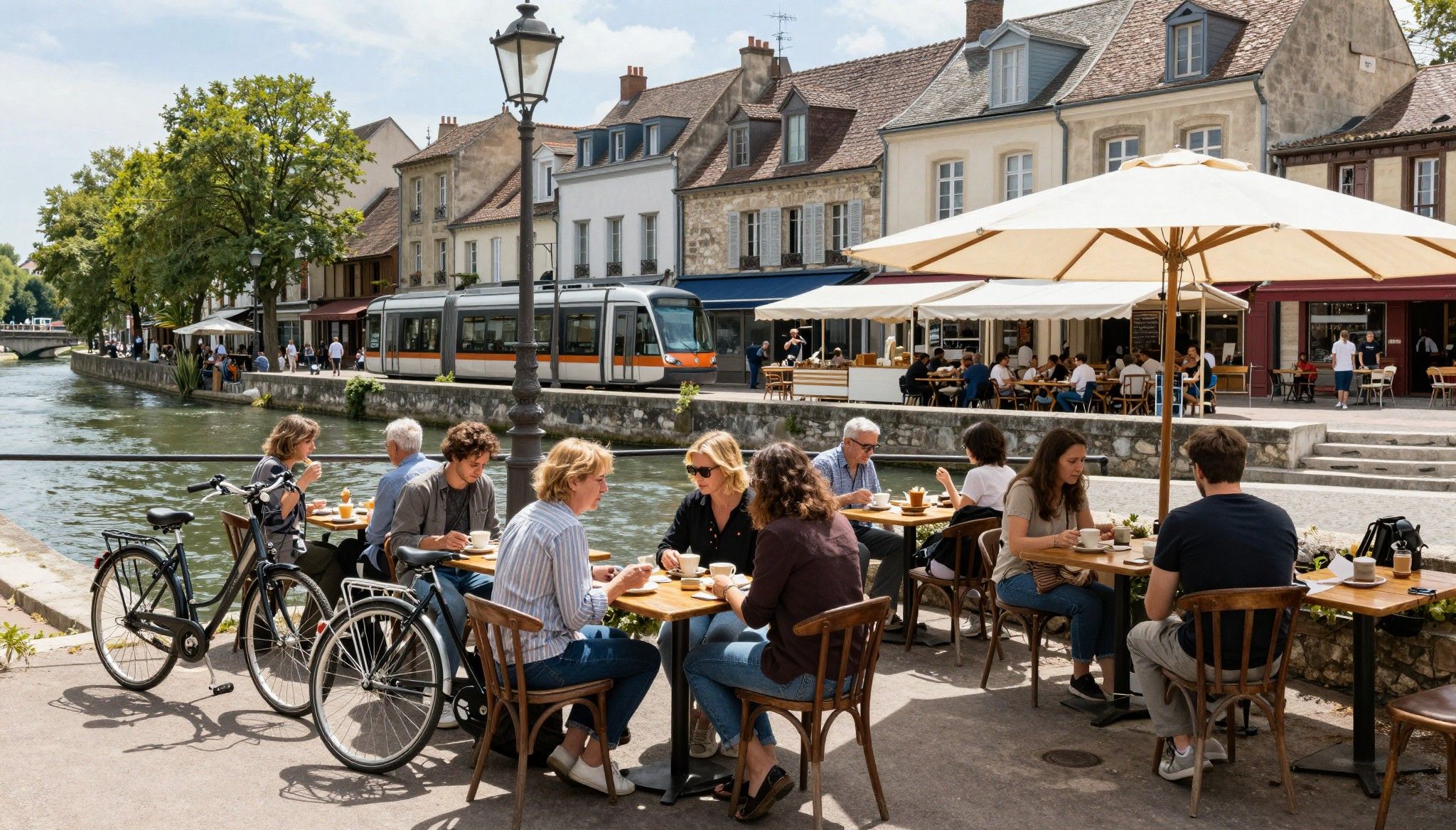
Imagine sipping a café crème on Rue Cler, then stepping into a tram that takes you to a riverside market where the stallholders know your name. France mixes measured rhythms — morning markets, long lunches, late-night concerts — with a property market that quietly rewards patience. For international buyers who value both lifestyle and reliable returns, France is not a single market but a mosaic: coastal holiday towns, university cities, suburban belts around Paris and stable provincial centres each tell a different investment story.
Living the France lifestyle
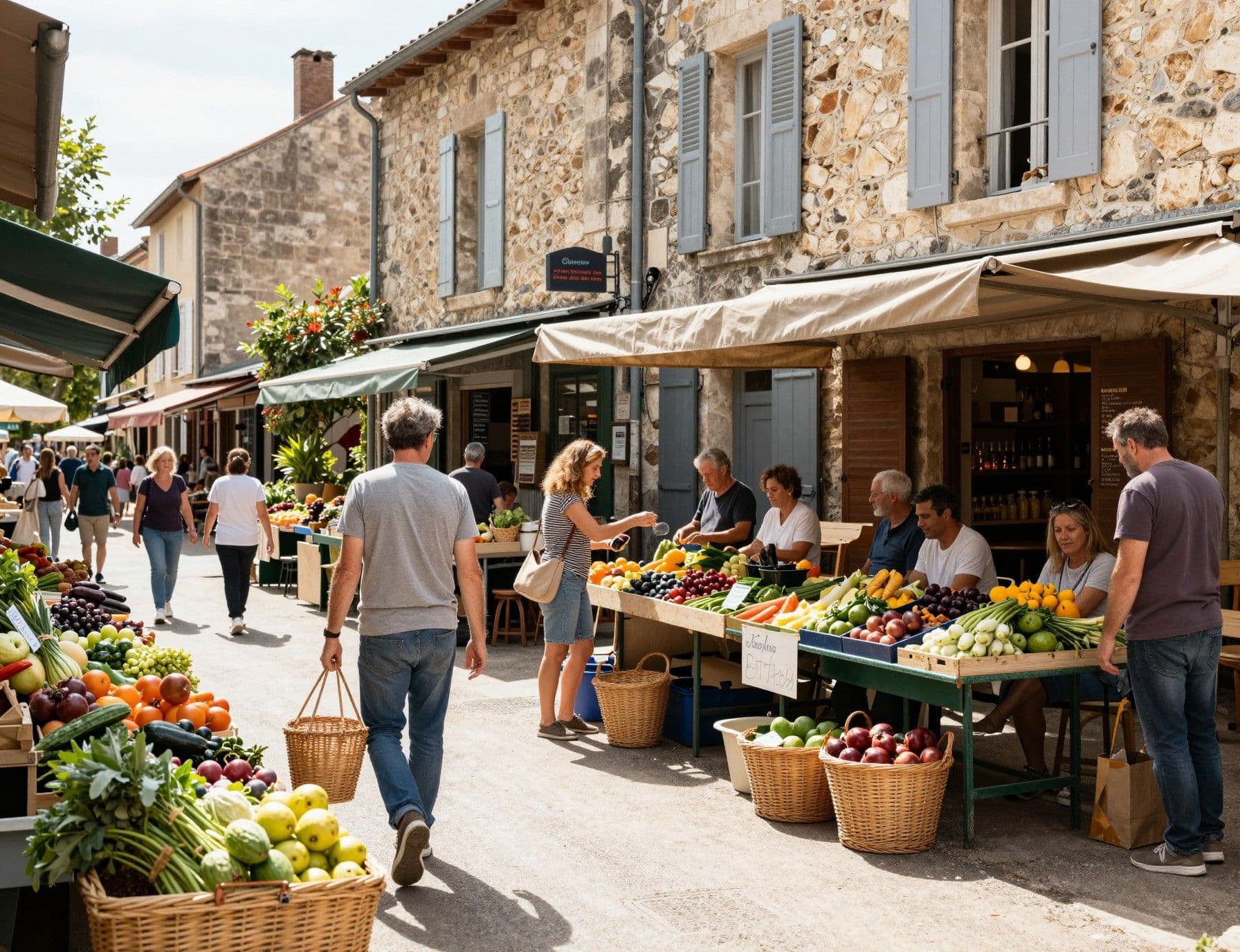
Daily life in France balances terroir and routine. Weekends mean markets (Marché d’Aligre in Paris, Cours Saleya in Nice), boulangeries at 8 a.m., and village aperitifs at sundown. Neighborhood character varies sharply: narrow, Haussmannian streets in central Paris; broad promenades on the Côte d’Azur; timbered lanes in Alsace; and wide plazas in Occitanie. That variety is the starting point for buying decisions: lifestyle choices determine tenant profiles, vacancy risk and acceptable yield levels.
Neighborhood spotlight: Paris arrondissements vs provincial cities
Paris delivers prestige and capital preservation; arrondissements diverge — central 6th or 7th command dramatically higher €/m² than outer districts. By contrast, cities like Lille, Nantes and Montpellier combine lower entry prices and stronger gross yields for long-term furnished rentals. Notaires‑INSEE reports show per‑square‑metre extremes: Paris at the top end and smaller regional cities often less than half that price, which reshapes yield calculations.
Food, markets and off‑season reality
Markets and restaurants shape occupancy. Holiday coastal towns spike in summer and quieten in winter — a seasonality that affects short‑let income but can be managed with long‑term furnished strategies. Choose a university city for steady mid‑term demand; choose a coastal town for strong seasonal rates but plan for higher vacancy and management overheads.
- Lifestyle highlights that shape investment outcomes: • Morning markets (Rue Mouffetard, Marché Forville) draw regular tenants • University towns (Toulouse, Rennes) sustain student demand and predictable turnovers • Coastal promenades (Nice, Biarritz) increase seasonal ADRs but raise vacancy risk • Suburban commuter belts near Paris (Versailles, Saint‑Denis suburbs) attract long‑term renters • Historic centres with strict co‑ownership rules can limit renovation scope but preserve capital value
Making the move: practical considerations

Lifestyle is the reason you moved; numbers decide whether it fits your portfolio. Recent INSEE and notarial indices show divergent regional trends since 2023: national averages softened, while select city centres recovered by 2025. That means timing, finance structure and product selection (flat, maison, furnished short‑let) materially change expected net yields. Base your model on local €/m², expected gross rent, and realistic operating costs.
Property types and how they matter to lifestyle and yield
Apartments in historic cores offer rent stability and lower maintenance risk but lower gross yields. Houses in suburbs or small towns cost less per square metre and can deliver higher gross yields but require more maintenance and management. Furnished rentals often outperform unfurnished on gross yield (industry samples show a ~0.8–1.0 percentage point uplift) because furnished rents attract premium monthly rates and shorter vacancy between leases.
Working with local experts who know both life and numbers
- Steps to marry lifestyle and returns: 1. Target 3‑5 micro‑markets and gather recent sale prices (€/m²) and typical rents for furnished vs unfurnished. 2. Calculate gross yield = (annual rent ÷ purchase price) × 100 for each property style. 3. Subtract local operating costs (co‑propriété charges, property tax, insurance, management fees) to estimate net yield. 4. Stress‑test with 10–15% vacancy and higher repair costs for older buildings. 5. Factor financing: French banks typically lend up to ~70–80% for non‑residents; leverage changes net returns dramatically.
Insider knowledge: what expats wish they’d known
Expats consistently say: the dream was easy; the small friction points weren’t. Expect co‑ownership (copropriété) rules to control renovations; understand local tenant expectations (tenants often prefer long leases and well‑maintained buildings); and budget for bureaucracy: permits, utility transfers and local taxes add friction. Those small frictions reduce turnover and, in many cases, protect yield by creating stable tenant relationships.
Cultural integration and everyday life
Learning basic French smooths everything — from negotiating with a syndic to placing ads that attract the right tenants. Community rituals (apéro, market mornings) translate into repeat local renters and goodwill. Join local groups—English‑language meetups, neighbourhood associations—or hire a bilingual property manager to bridge cultural and practical gaps immediately.
Long‑term lifestyle and investment considerations
Think in 10–15 year horizons. Capital appreciation is concentrated in limited-supply cores (central Paris, coastal hotspots) while steady rental income often comes from university cities and commuter belts. For balanced portfolios, combine one lower‑entry, higher‑yield property with a capital‑preservation asset. Regularly review local indices (INSEE, Notaires) every 6–12 months to adjust holding strategies.
- Quick red flags and mitigation tactics: • Overpaying for 'view' premiums in seasonal towns — mitigate with a conservative vacancy buffer • Ignoring copropriété reserve funds — request a syndic statement before purchase • Underestimating property tax and municipal increases — review prior years’ bills • Buying without a local manager for short‑lets — use a hybrid local manager/concierge • Relying solely on tourist demand — diversify with medium‑term furnished leases
Conclusion — live the life, but measure the math. France offers an emotional pull and a pragmatic market. If you prioritise lifestyle, pick a micro‑market where tenancy and maintenance match your tolerance for hands‑on management; if you prioritise yield, look beyond Paris to university cities, commuter belts and smart coastal towns with managed seasonality. Start with local price data from Notaires and INSEE, build a conservative cash‑flow model, and partner with bilingual agents and managers who understand both the marché and the market.
The YieldistNorwegian market analyst who relocated from Oslo to Mallorca in 2016, guiding Northern buyers through regulatory risk, currency hedging, and rentability.
Related Articles
More insights that might interest you
 Villa Curated
 Villa Curated
 The Yieldist


